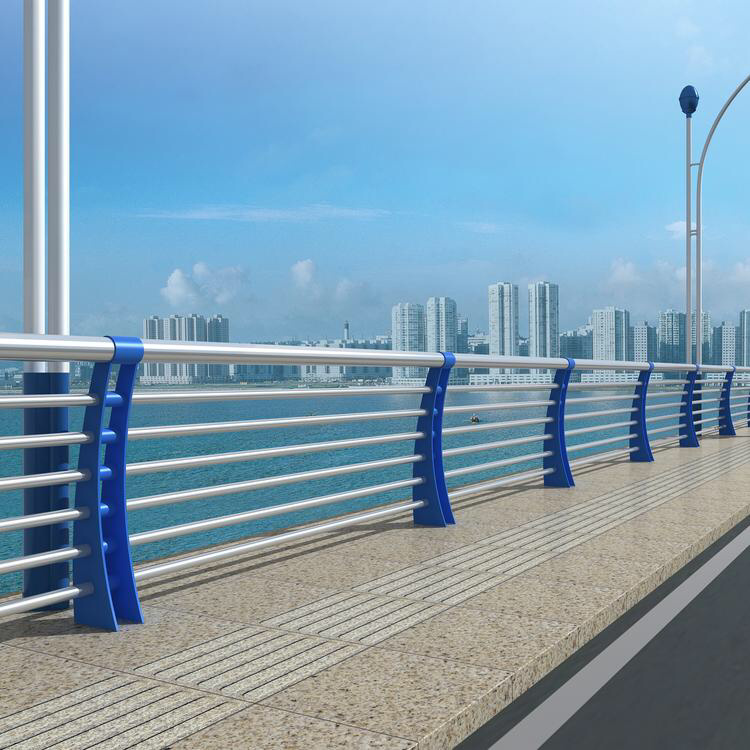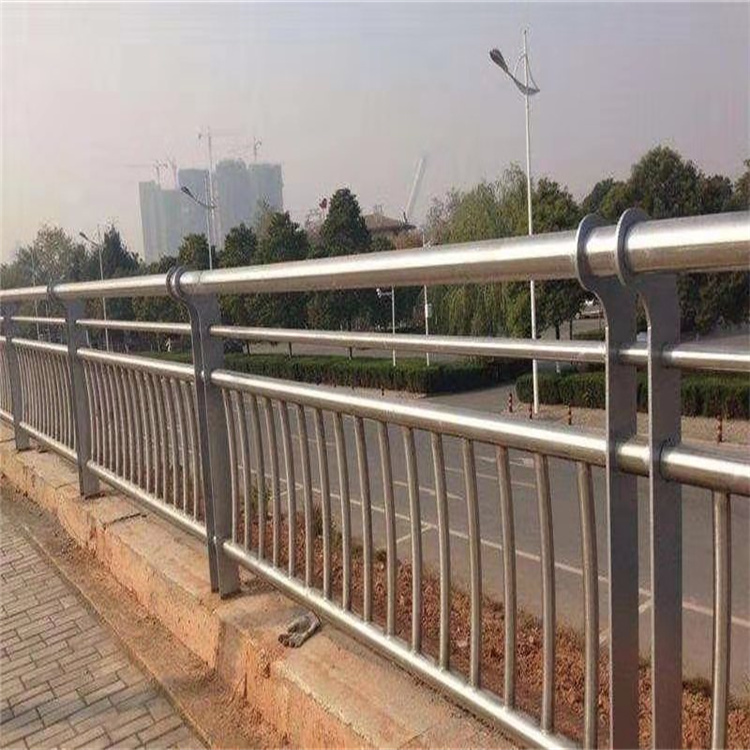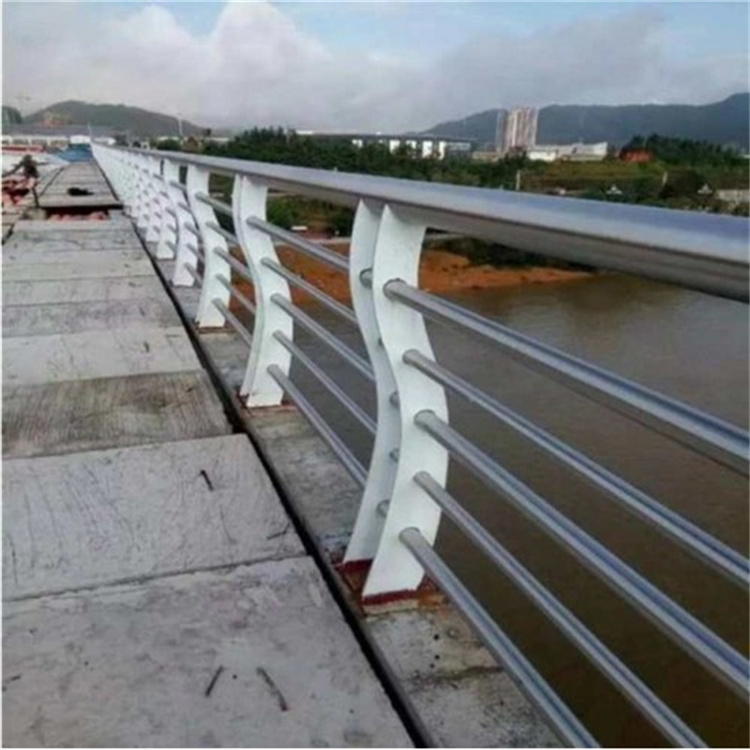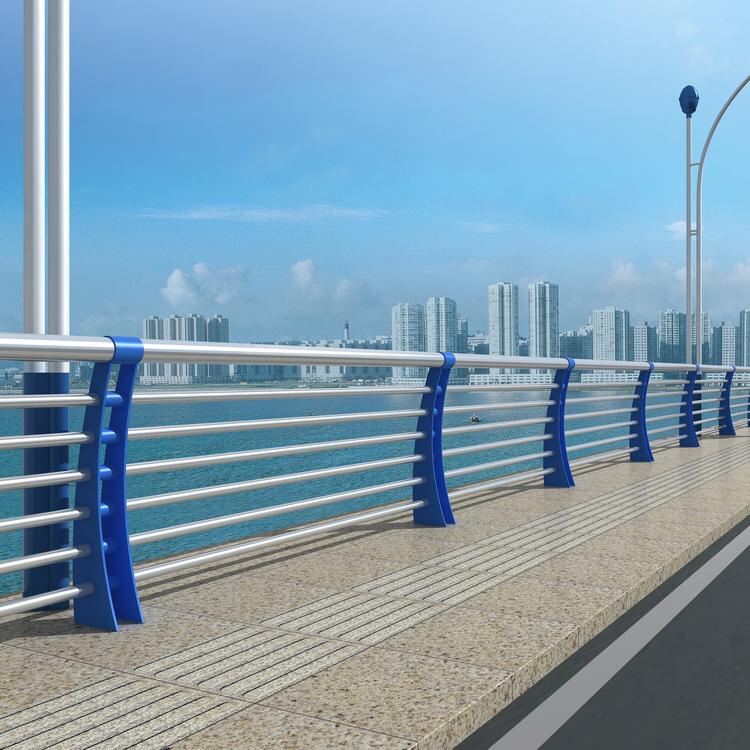

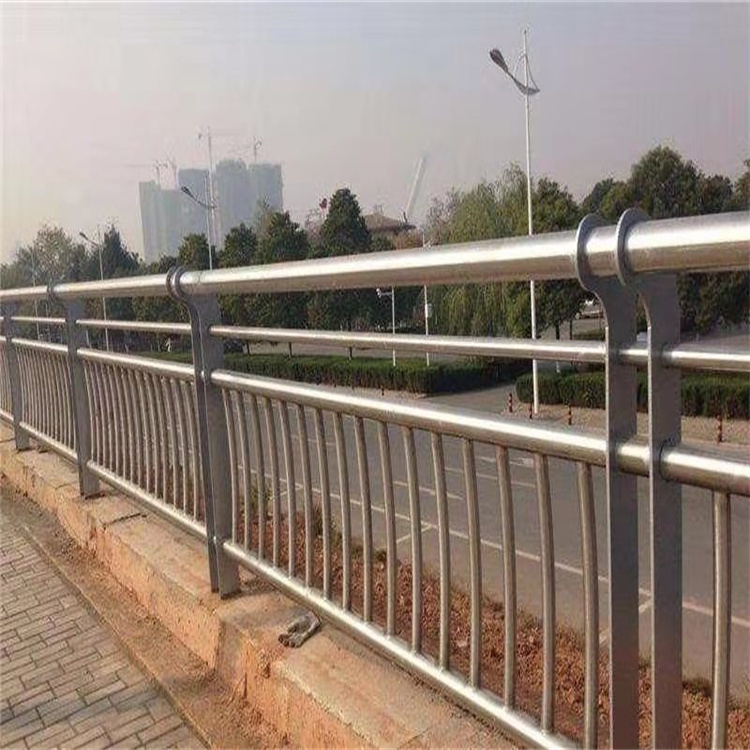
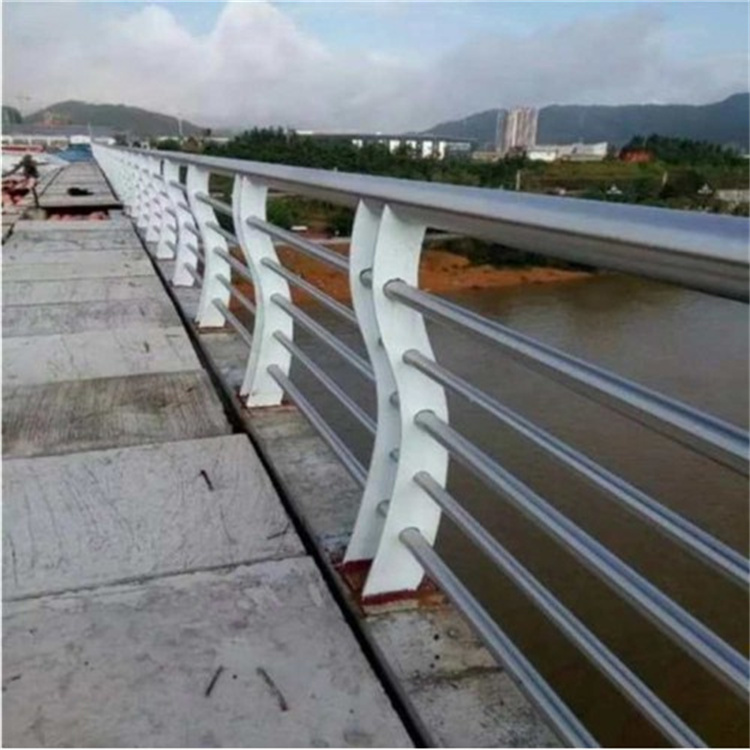











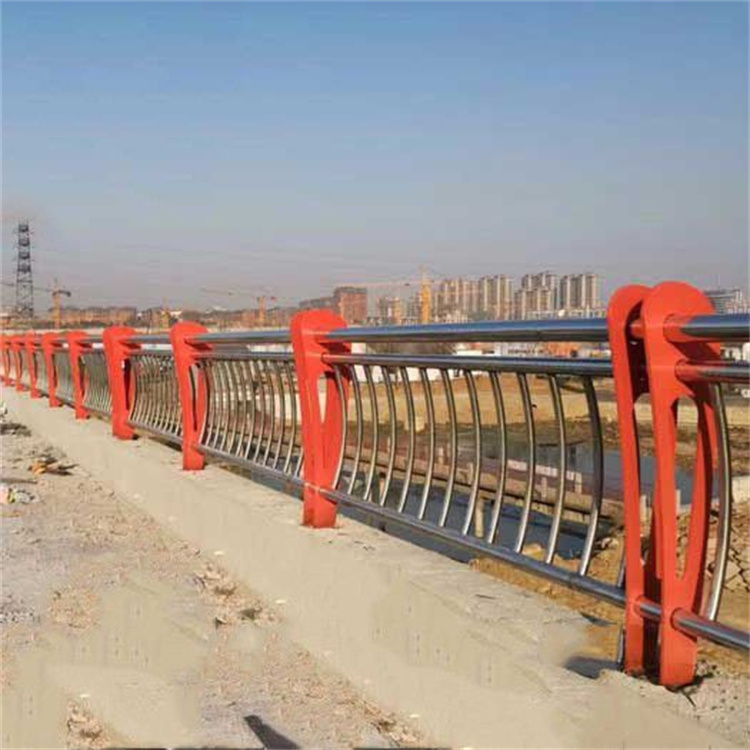
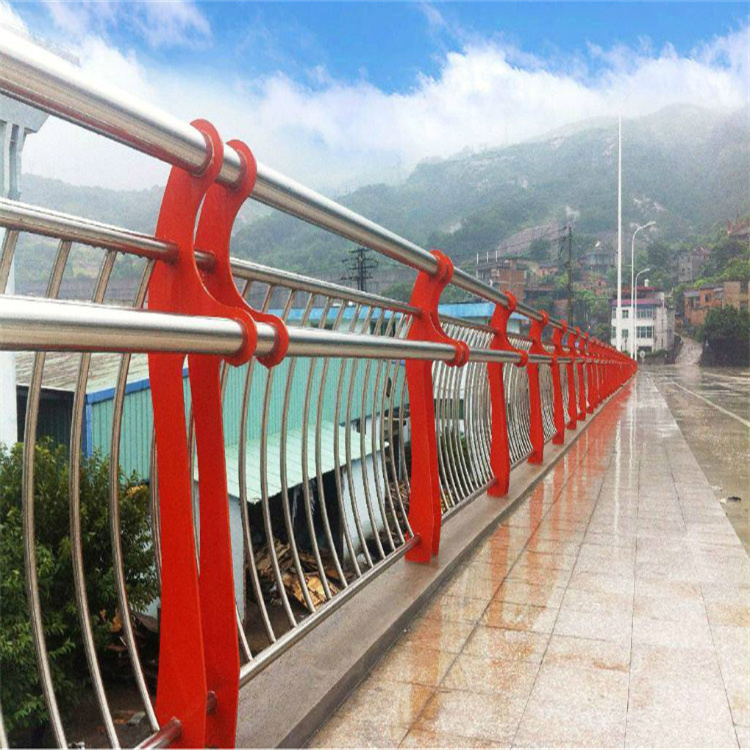
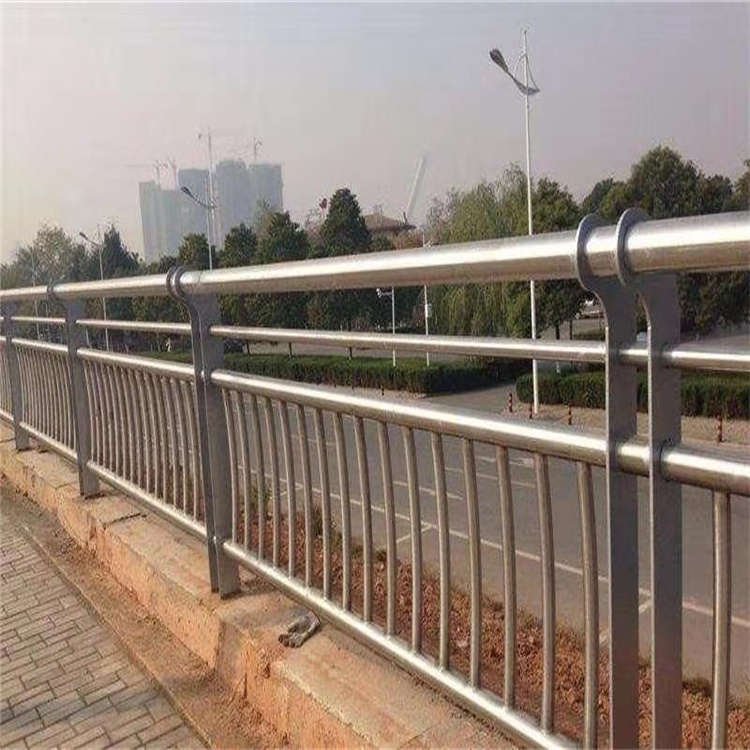
Stainless steel railing materials are categorized as follows: general carbon steel pipes, carbon structural steel pipes, alloy structural pipes, alloy steel pipes, bearing steel pipes, stainless steel pipes, and double metal composite pipes, coated and lined pipes, etc., to conserve valuable metals and meet special requirements. The types of stainless steel pipes are diverse, with different uses and varying technical requirements, as well as different production methods. Currently produced pipes have an outer diameter range of 0.1-4500mm and a wall thickness range of 0.01-250mm. To distinguish their characteristics, pipes are generally classified as follows: stainless steel pipes are divided into round pipes and shaped pipes. Shaped pipes include rectangular, diamond, elliptical, hexagonal, octagonal, and various asymmetric cross-section pipes. Shaped pipes are widely used in various structural components, tools, and mechanical parts. Compared to round pipes, shaped pipes generally have a larger moment of inertia and section modulus, providing greater bending and torsional resistance, which can significantly reduce structural weight and save steel. Stainless steel pipes can be divided into uniform cross-section pipes and variable cross-section pipes based on their longitudinal cross-section shape. Variable cross-section pipes include conical, stepped, and periodic cross-section pipes. According to their applications, stainless steel pipes can be categorized into oil well pipes (casing, oil pipes, and drill pipes, etc.), pipeline pipes, boiler pipes, mechanical structural pipes, hydraulic prop pipes, gas cylinder pipes, geological pipes, chemical industry pipes (high-pressure fertilizer pipes, petroleum cracking pipes), and ship pipes, etc.