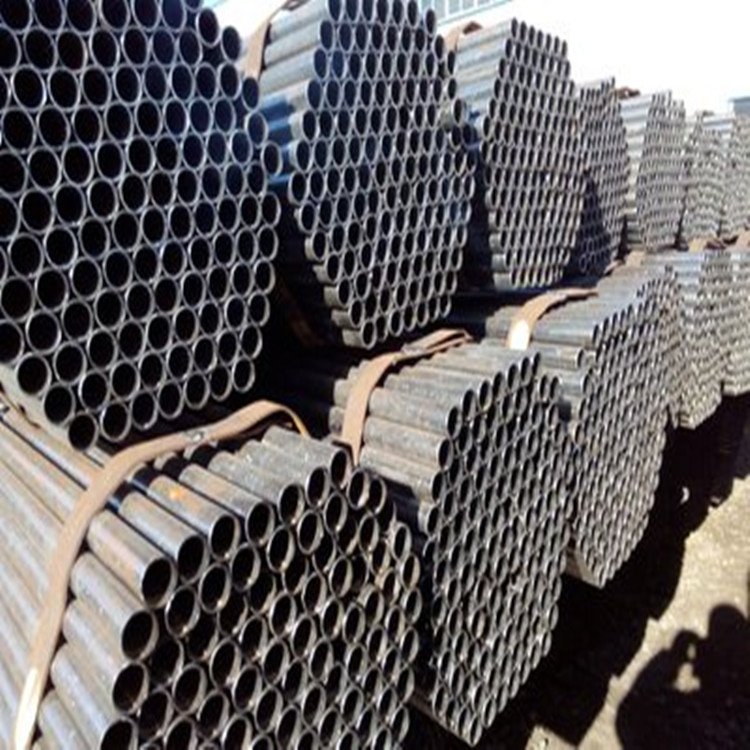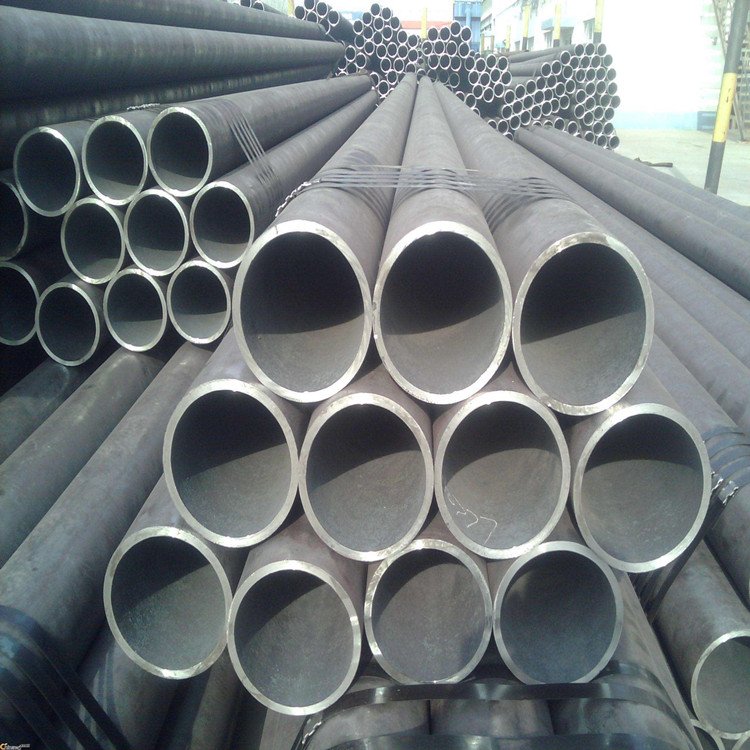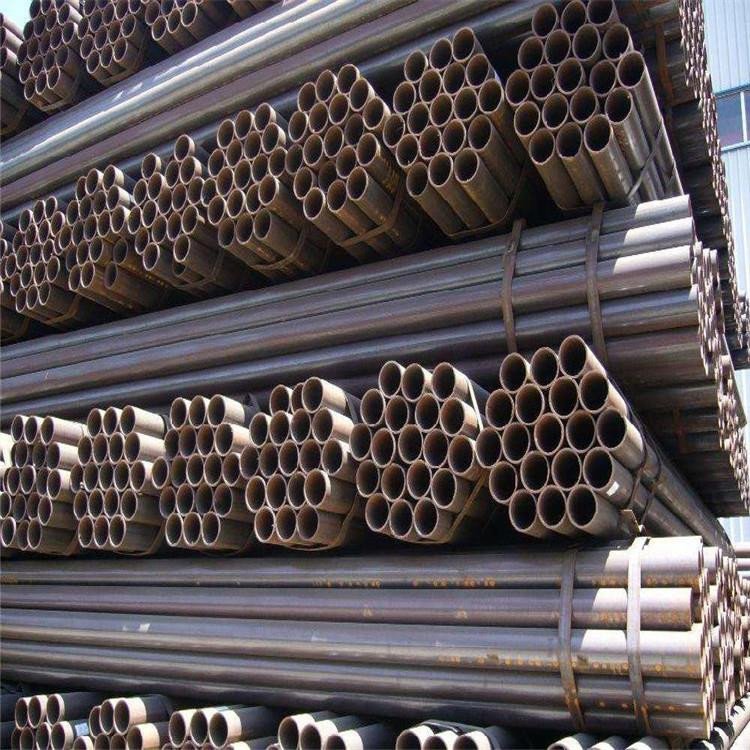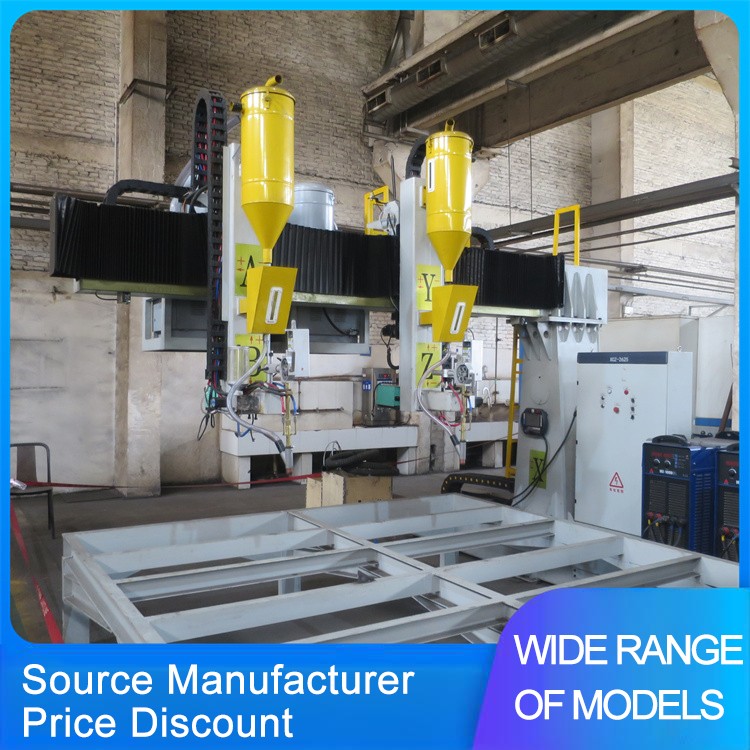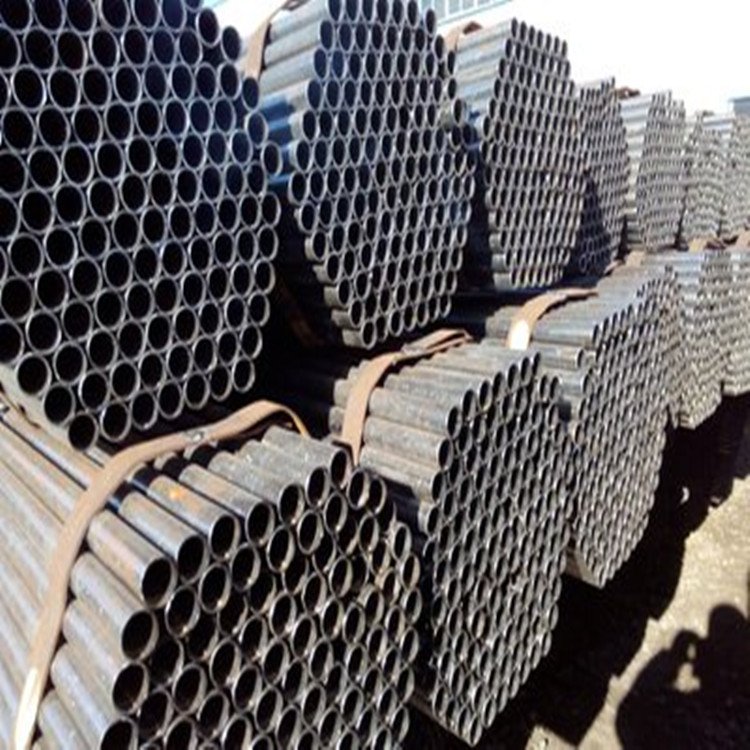









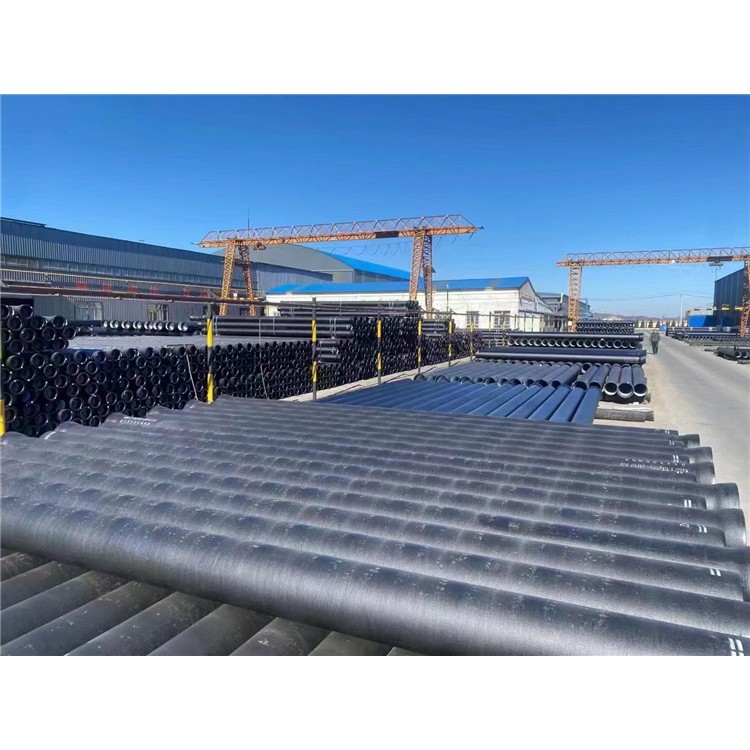
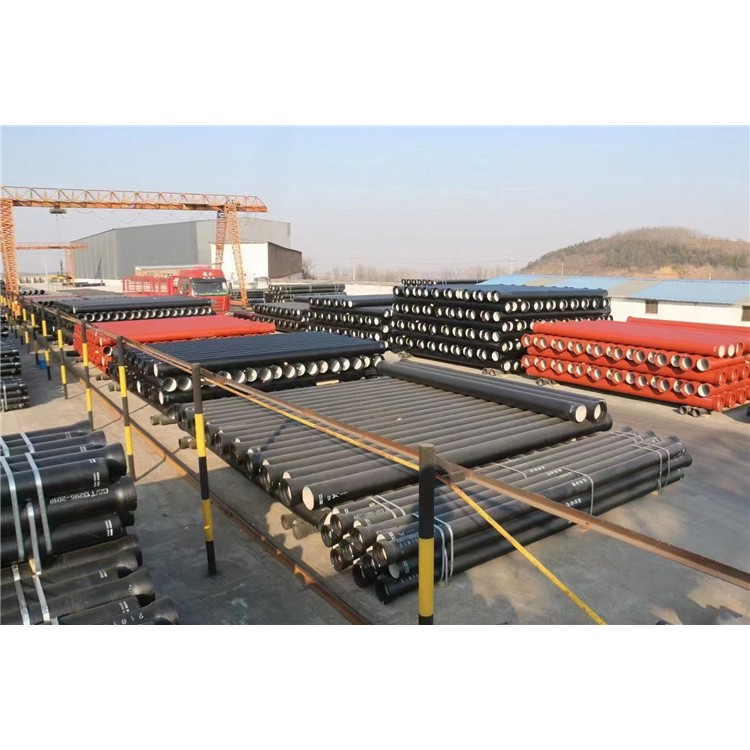
Description of the main production process for large diameter straight seam welded pipe:
1. Plate Inspection: Upon entering the production line, the steel plate used to manufacture large-diameter electric-resistance welded straight seam steel pipes is first subjected to a full-plate ultrasonic inspection.
2. Milling Edges: Double-sided milling of the steel plate edges using a milling machine to achieve the required width, edge parallelism, and bevel shape.
3. Pre-bent Edges: Utilize a pre-bending machine to pre-bend the sheet edges, achieving the required curvature.
4. Forming: On the JCO forming machine, first half of the pre-bent steel plate is pressed into a "J" shape through multiple progressive stamping steps. Then, the other half of the steel plate is bent similarly to form a "C" shape, ultimately creating an open "O" shape.
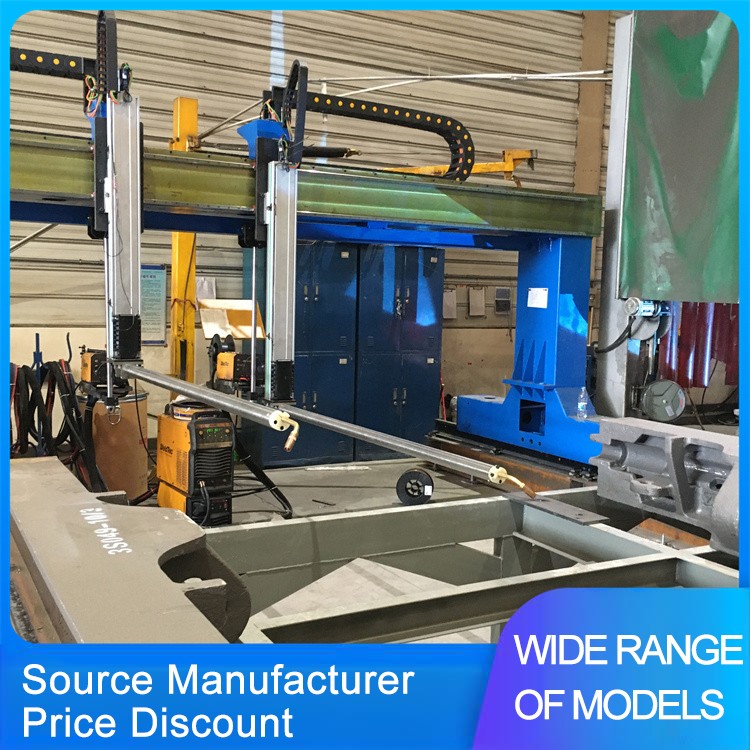
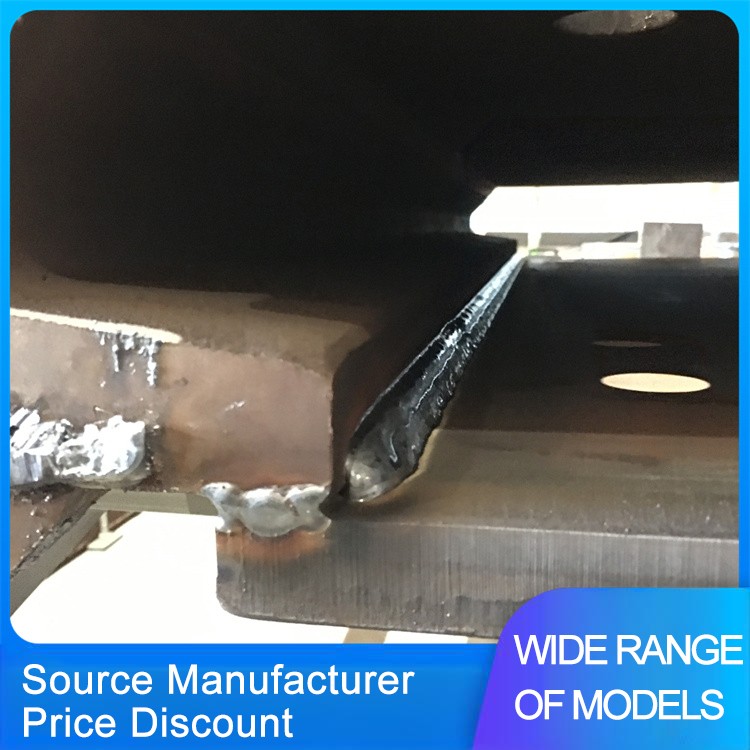
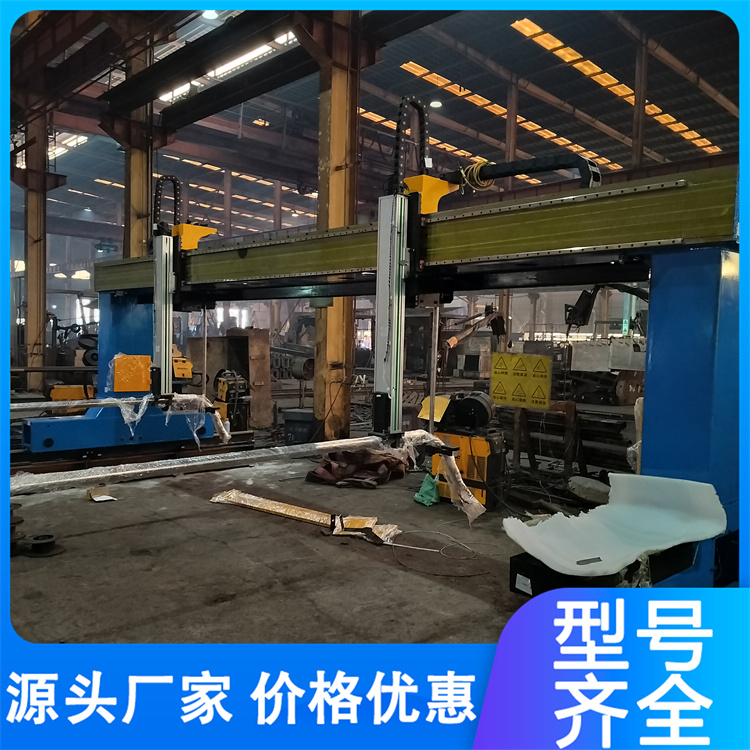
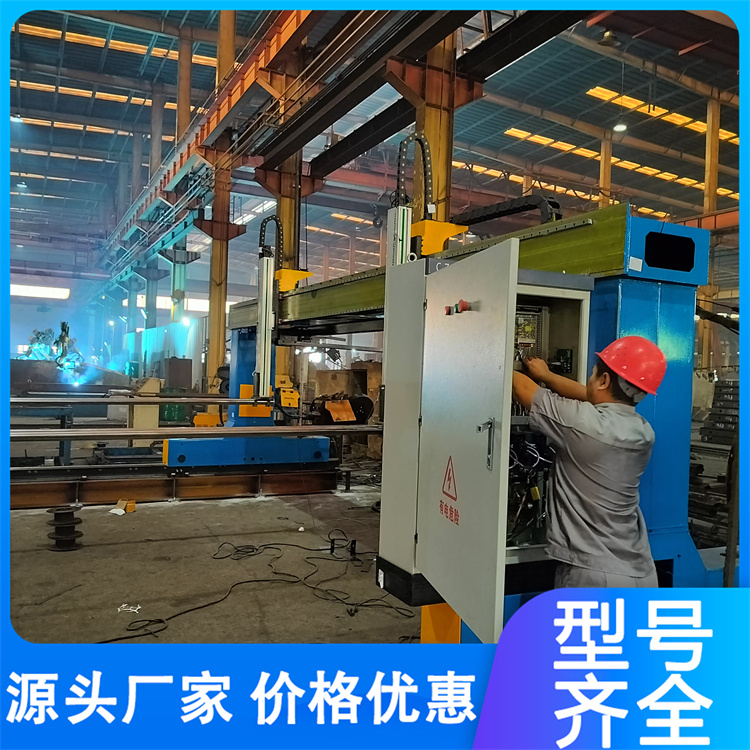
5. Pre-welding: Joining the formed straight seam welded steel pipes and continuously welding them using gas shielded welding (MAG).
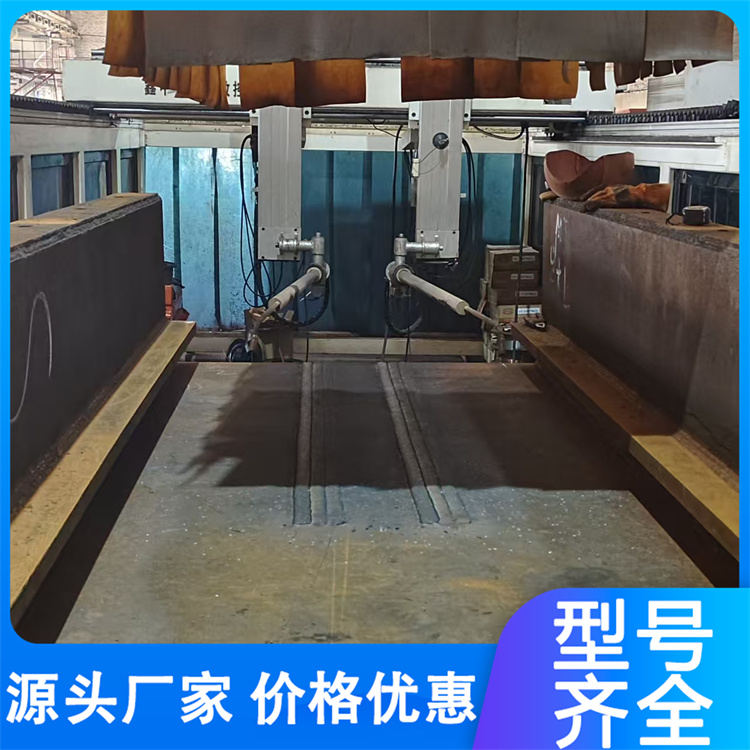
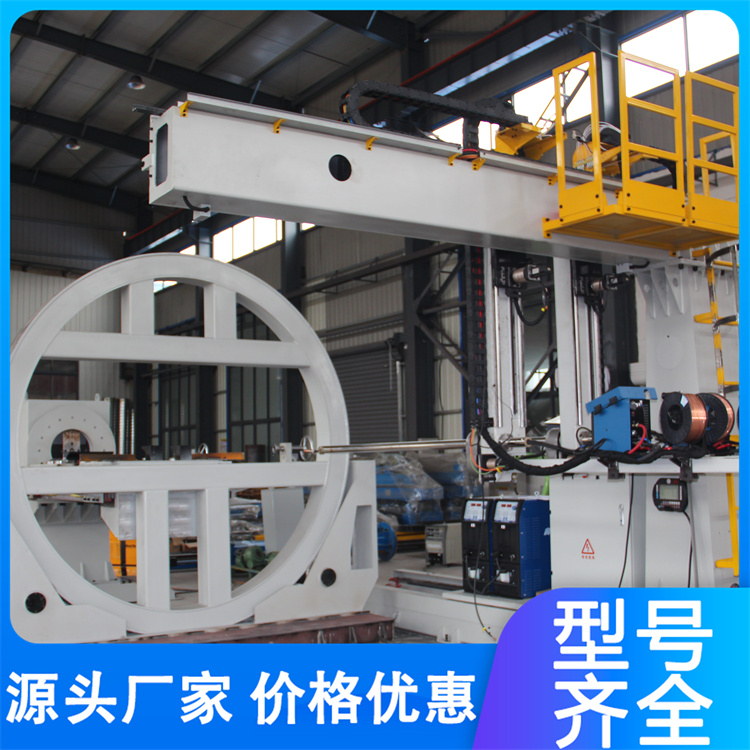
6. Internal Welding: Utilizing longitudinal multi-wire submerged arc welding (up to four wires) for welding inside straight seam steel pipes.
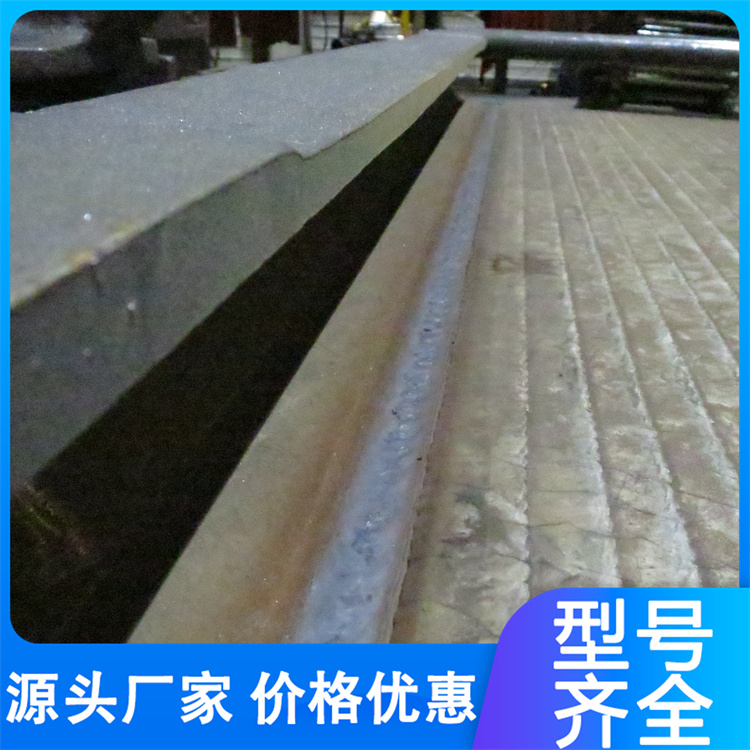
7. Welding: Utilizes longitudinal multi-wire submerged arc welding on the outer side of straight seam submerged arc steel pipes.
8. Ultrasonic Inspection I: Inspect the inner and outer weld seams of straight seam steel pipes, as well as the base materials on both sides of the weld seams.
9. X-ray Inspection I: Perform X-ray industrial television inspection on both inner and outer weld seams, utilizing an image processing system to ensure the sensitivity of the detection.
10. OD Expansion: Expand the full length of the埋弧焊(SAW) straight seam steel pipe to enhance dimensional accuracy of the pipe and improve the distribution of internal stresses within the pipe.
11. Hydrostatic Test: Each steel pipe, after being expanded, is individually tested on a hydrostatic testing machine to ensure it reaches the required test pressure as per standards. This machine is equipped with automatic recording and storage capabilities.
12. Deburring: Process the qualified steel pipes at the ends to achieve the required bevel dimensions of the pipe ends.
13. Ultrasonic Inspection II: Perform ultrasonic inspection on each pipe again to check for any defects that may occur in the straight seam welded pipes after expansion and hydrostatic testing.
14. X-ray Inspection II: Perform X-ray industrial television inspection and take end weld radiographs on steel pipes after expansion and hydrostatic testing.
15. End of Tube Magnetic Particle Inspection: This test is conducted to detect defects at the tube ends.
16. Corrosion Protection and Coating: After qualification, steel pipes are subjected to corrosion protection and coating as per customer requirements.