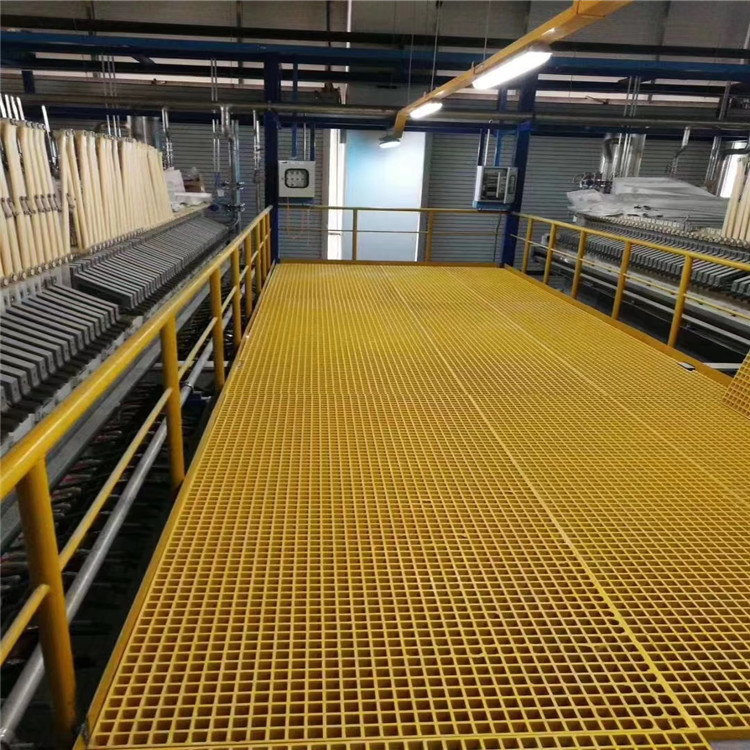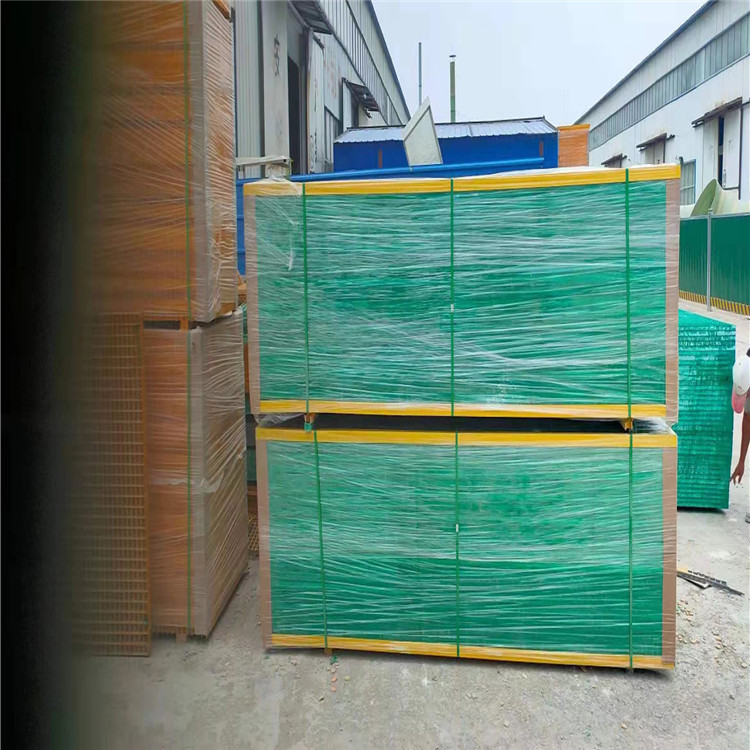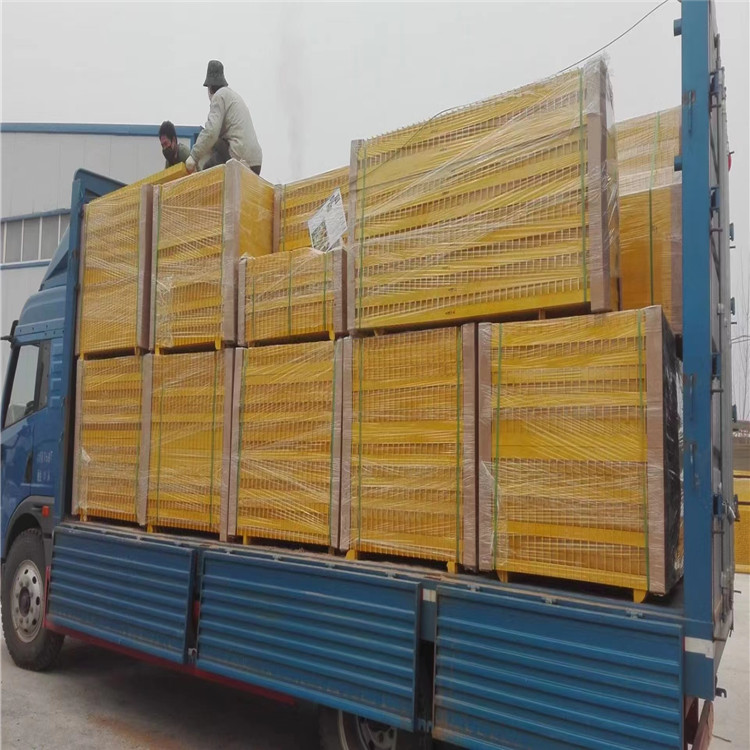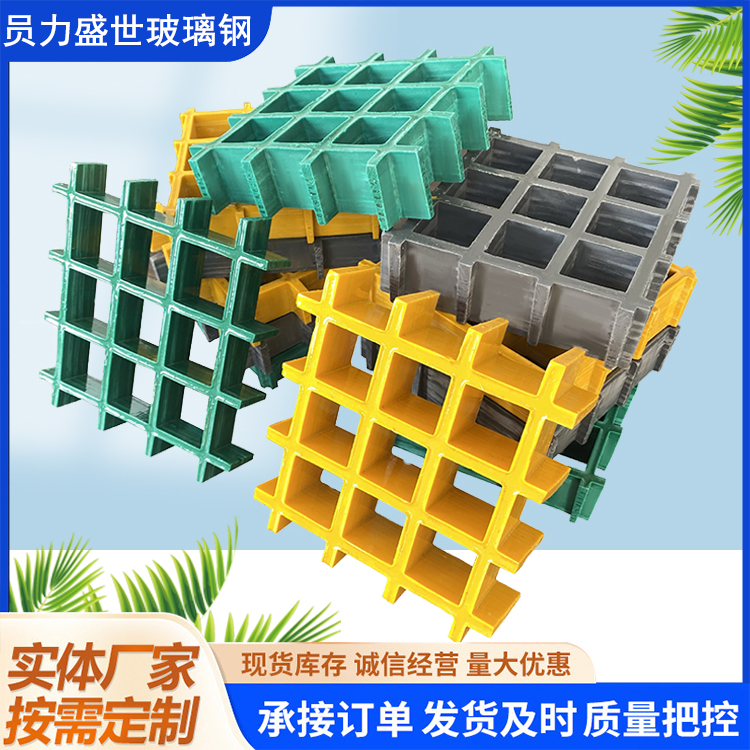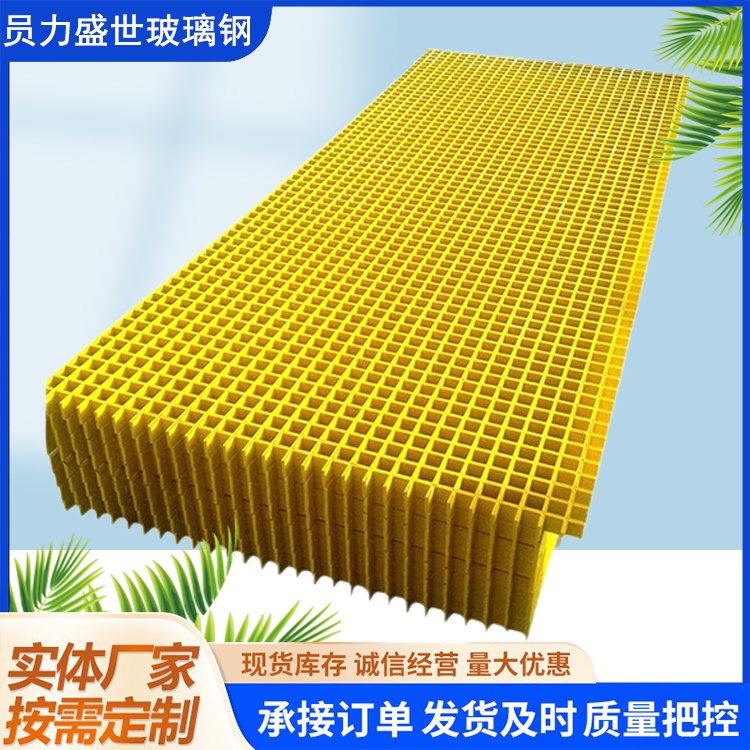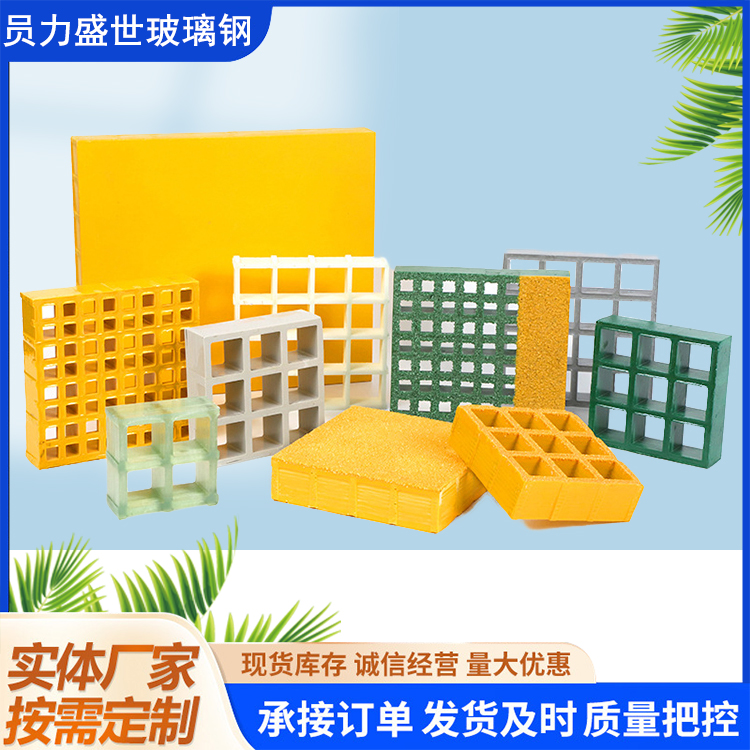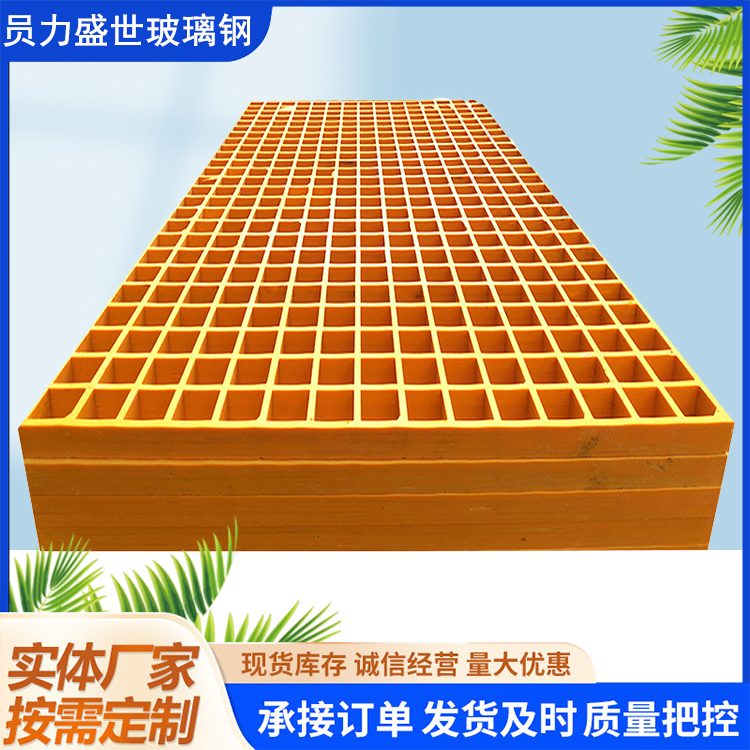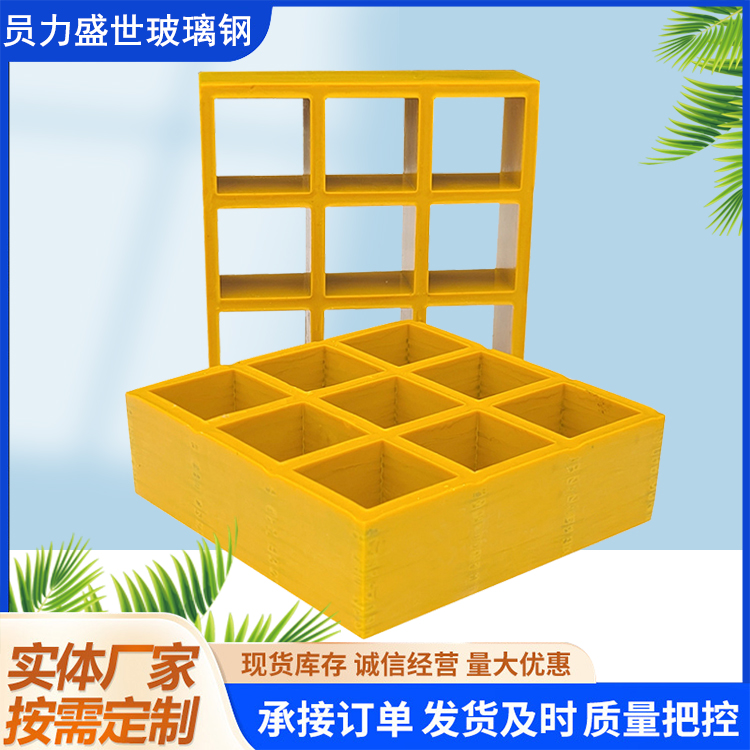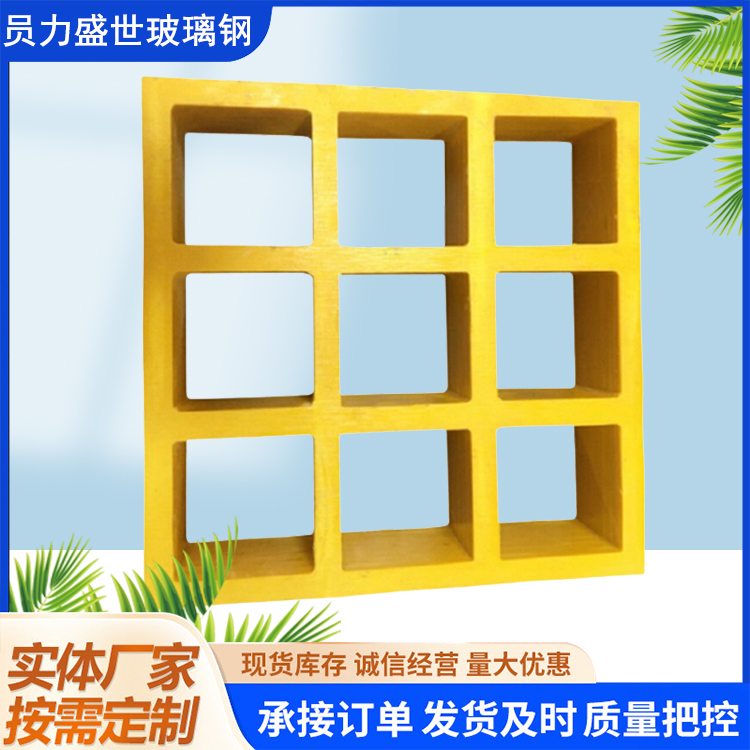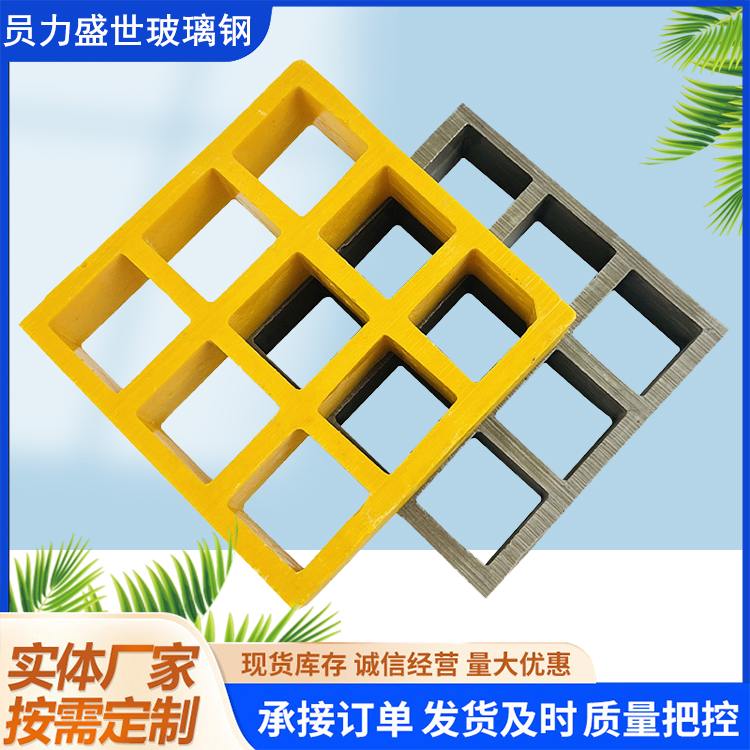

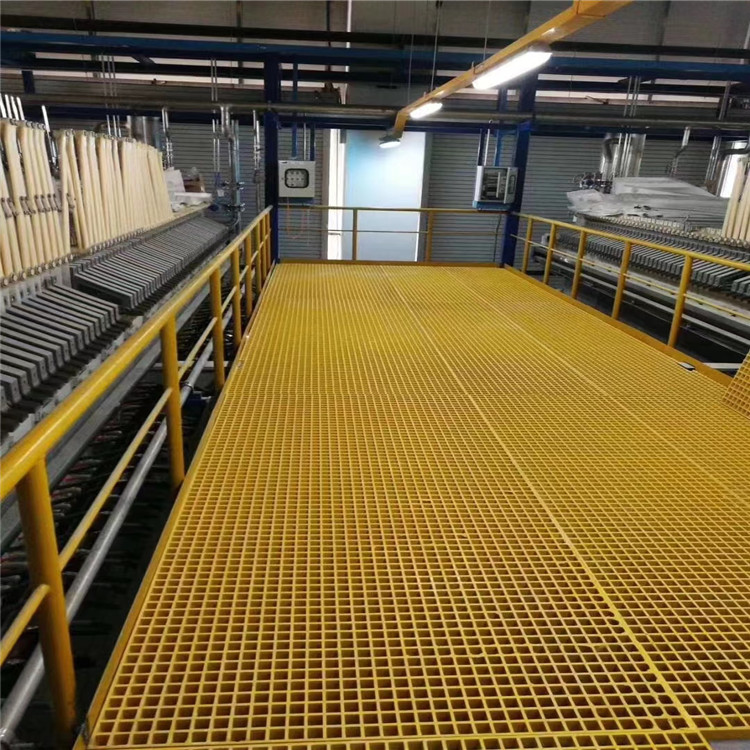


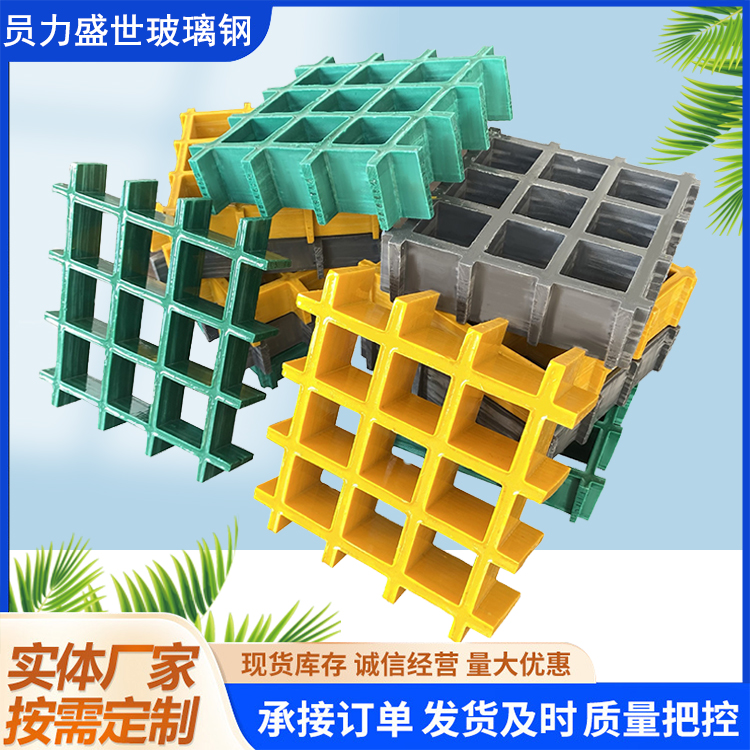
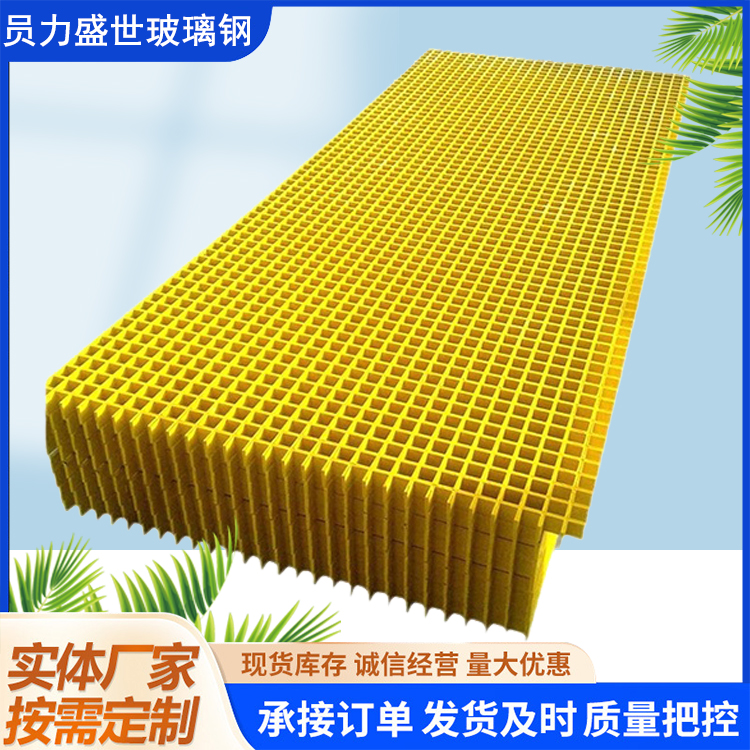
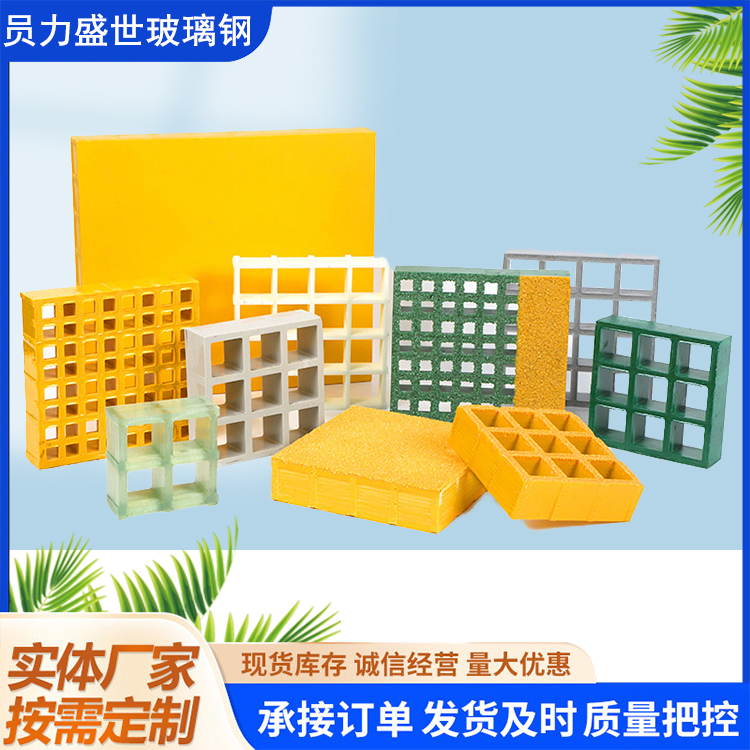

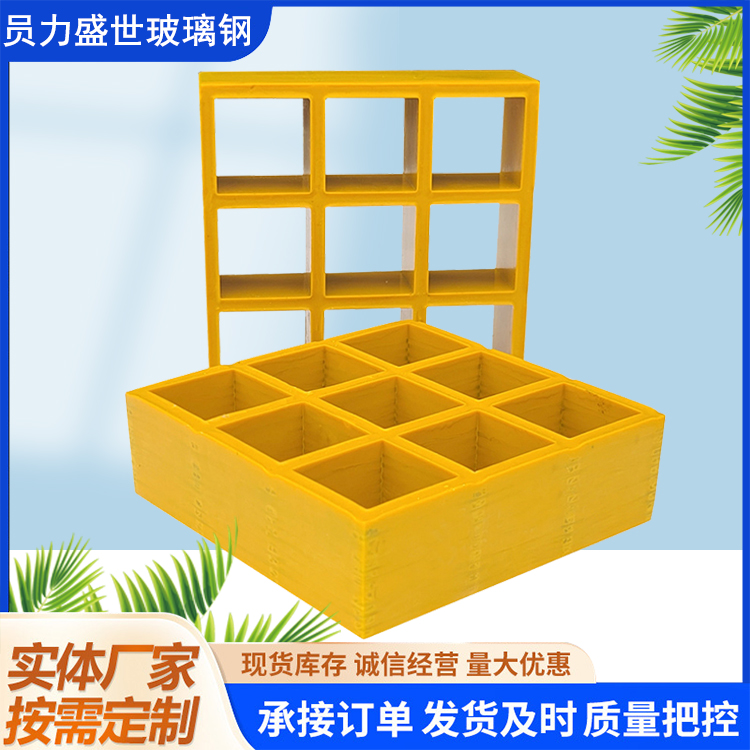





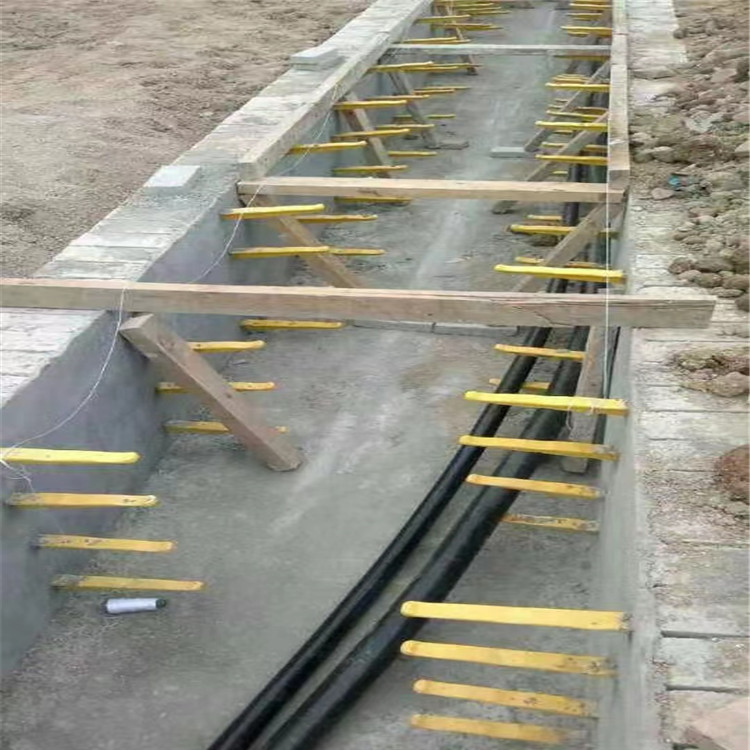

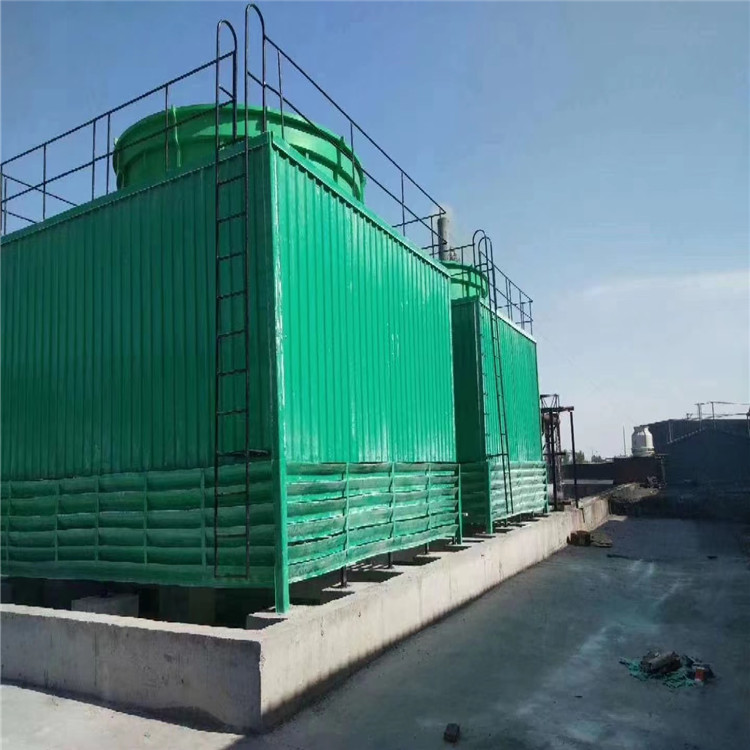
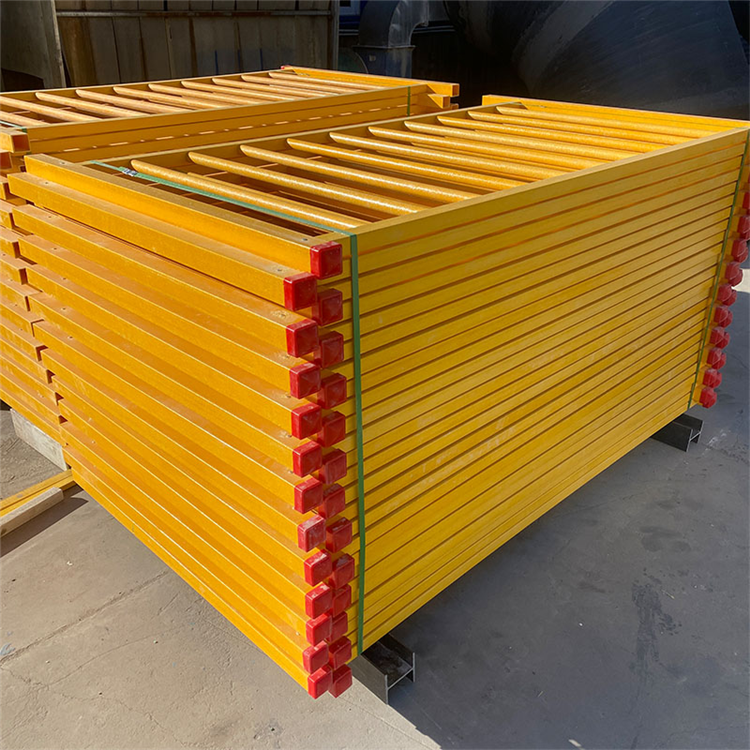
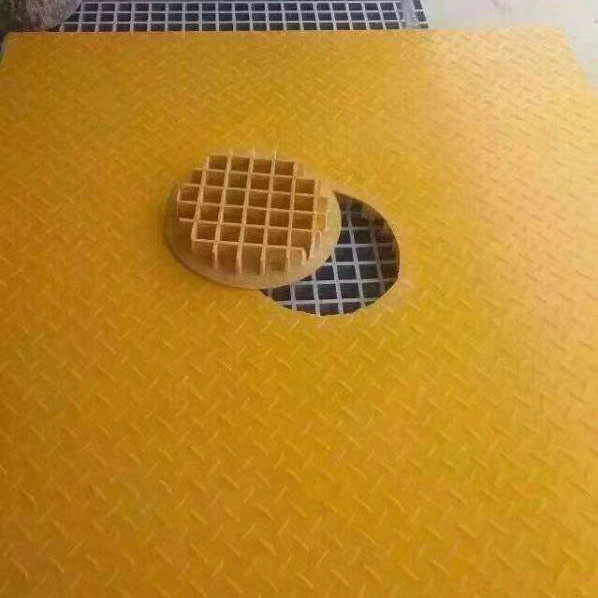
Our standard colors include green, yellow, and gray. We recommend choosing a grating in a different color based on the specific environment or occasion to make the workplace more humanized. Additionally, we can provide products in custom colors upon your request.
Green: Eco-friendly color; won't cause visual fatigue after long hours of work
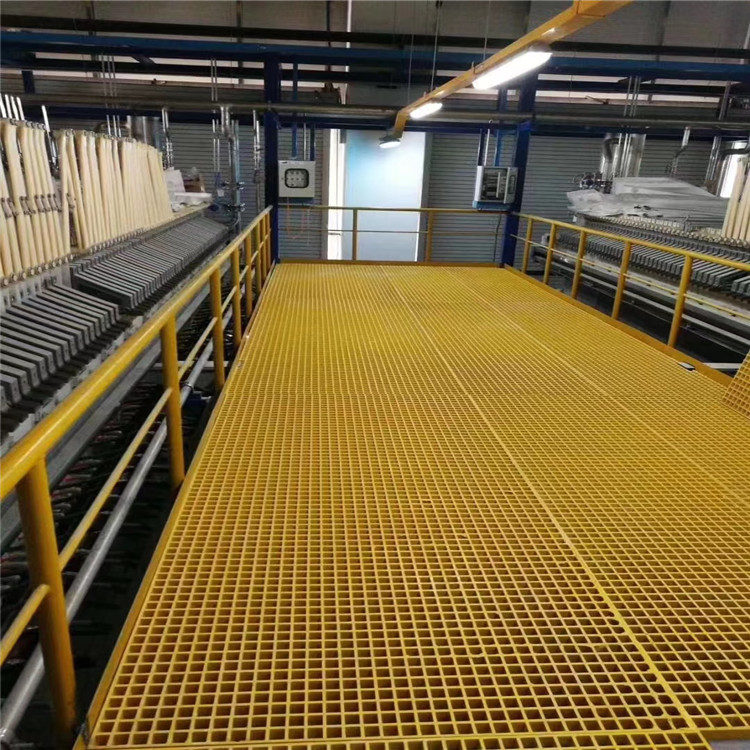
Yellow: Safety and caution color, commonly used in more dangerous environments, such as: electrical rooms, high-level walkways, etc.
Glass fiber reinforced plastic (GFRP) grating is composed of a composite of resin and glass fibers, with a density not exceeding 2 kg per cubic decimeter, which is only 1/4 that of steel and 2/3 that of aluminum. Its strength is 10 times that of rigid PVC, and exceeds that of aluminum and ordinary steel.
In addition, glass fiber reinforced plastic grids possess exceptional resistance to corrosion from a wide range of gases and liquids, including acids, alkalis, organic solvents, and salts. This makes them unparalleled in the field of corrosion prevention. Depending on the specific application requirements, it is economically feasible to choose between orthophthalic, meta-phenolic, or vinyl resins as the matrix material.
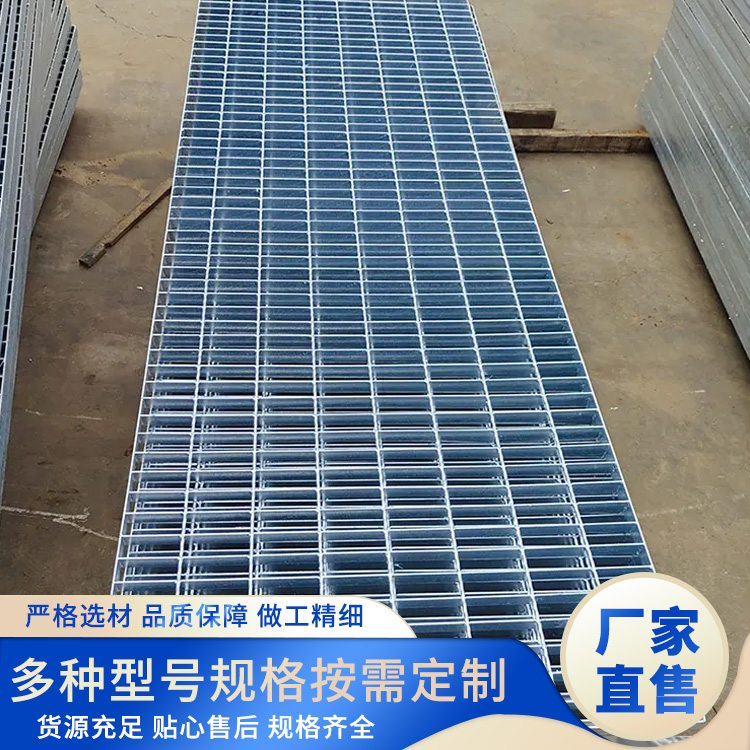
Good overall economic benefits: The manufacturing cost of fiberglass grating is 1.4-1.8 times that of steel grating, while the installation cost is only 20-40% of carbon steel. The maintenance cost of fiberglass grating is almost zero, whereas steel grating requires annual maintenance, with cumulative maintenance costs far exceeding the total cost of fiberglass grating. Although the initial investment for fiberglass grating is slightly higher than that for steel grating, the overall economic benefits are 4-5 times greater. This is one of the main reasons why fiberglass grating is widely used in large areas overseas.
Various glass fiber grid models' connection features:
1. L-shaped connection: A special positioning connection for medium loads and supports.
2. M-type connection: Fixed and stable, used for positioning connection between grill supports and brackets.
3. C-Type Connection: Used for connecting the edges of two unsupported grating panels, featuring an integrated structure.
Gutter installation
1. Refer to the single cell size of the glass fiber reinforced plastic grid, adjust the trench size as much as possible to ensure the cut edges form a sealed door, maintaining the integrity of the cell, and achieving an aesthetically pleasing and elegant installation effect.
2. The glass fiber reinforced plastic grid has at least a 50mm wide support on the concrete foundation, with a gap of 3-6mm between the grid and the concrete.
Platform Installation
1. The glass fiber reinforced plastic grid support edges have at least a 40mm wide support on the steel beam. The installation gap between grids is 6mm, and the installation gap between the grids and concrete columns is 10mm.
2. Glass fiber reinforced plastic grating should be secured to the supporting steel beams using M or L-shaped fasteners, with at least four per grating. For the edges of two adjacent non-supporting grating panels, C-shaped clamps should be used for connection, with at least one per 1.8 meters along the center.
Stair Installation
1. FRP grating tread should be installed within the tread frame or bracket. The frame or bracket can be made of steel or FRP.
2. Glass reinforced plastic grating steps have a gap of 3-6mm with the frame. Each step is secured with 8 fixing clamps, with 2 at each corner, or can be directly mounted onto the bracket.
Fiberglass Grating Maintenance
1. During use, simply clean the surface with detergent to remove dust and dirt; no other maintenance is required.
2. Avoid direct contact with open flames, such as electric welding and acetylene torches, during the maintenance of steel structures and equipment.
3. Avoid dragging, impacting damage, and paint contamination to various steels, steel cutting tools, and equipment during the maintenance of steel structures and blending equipment.