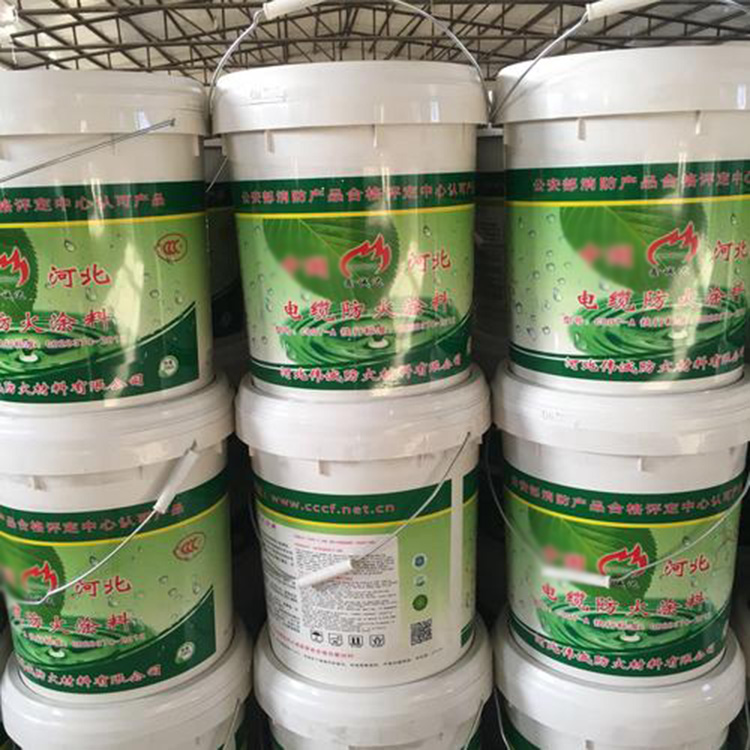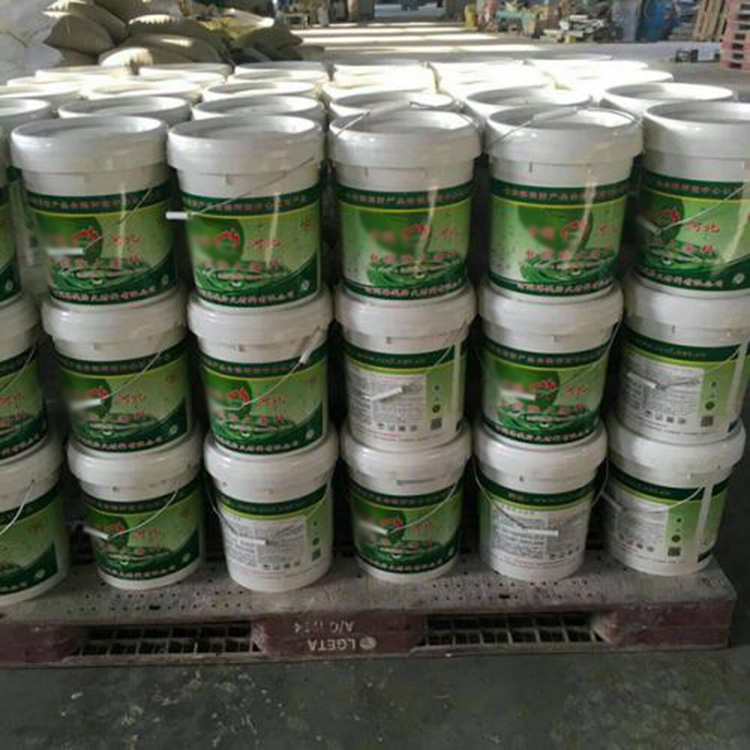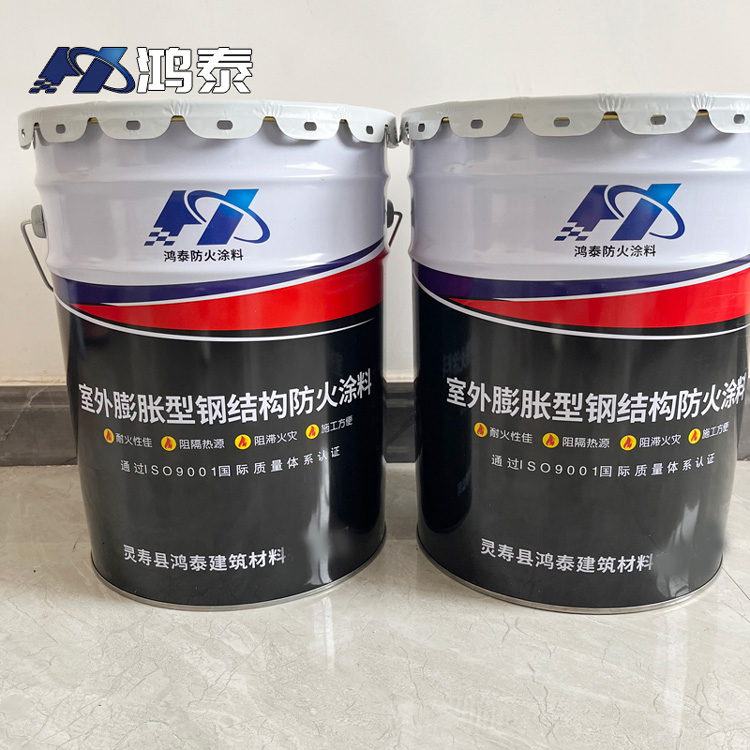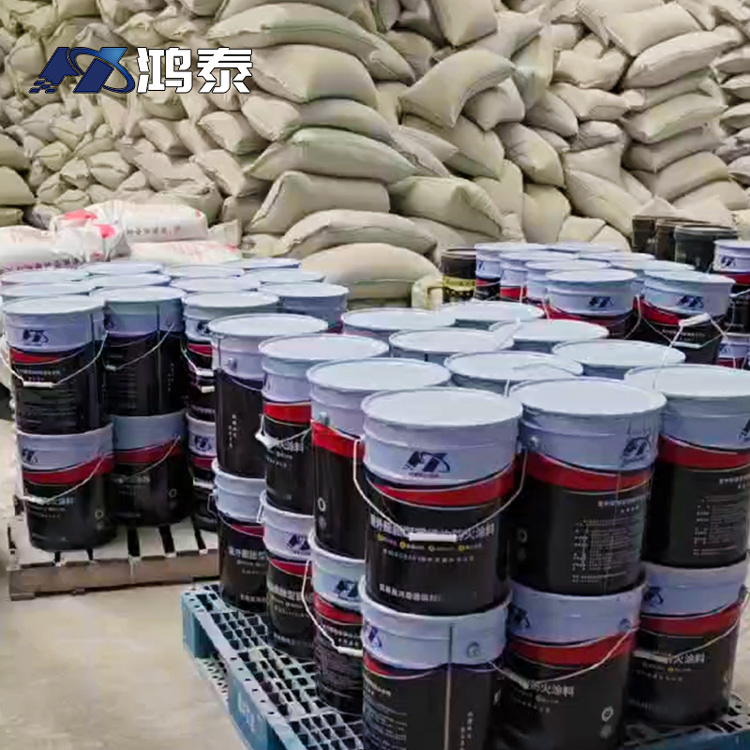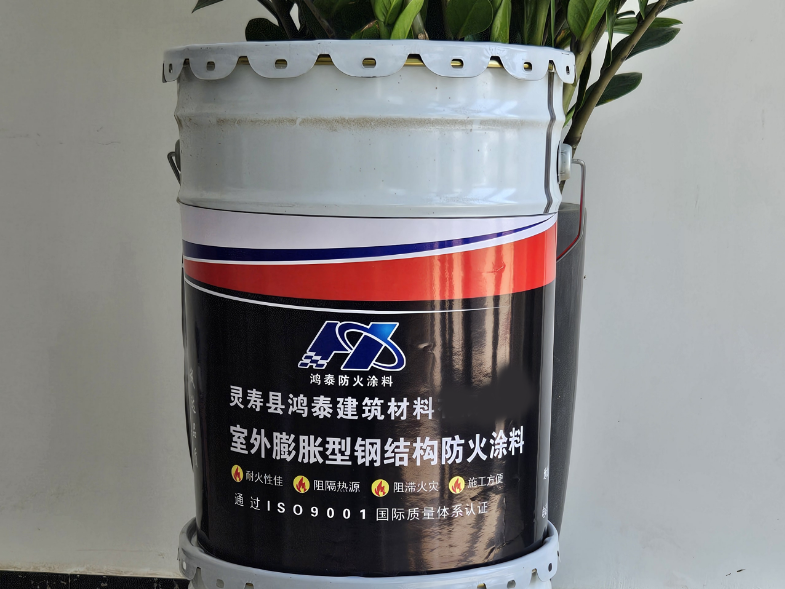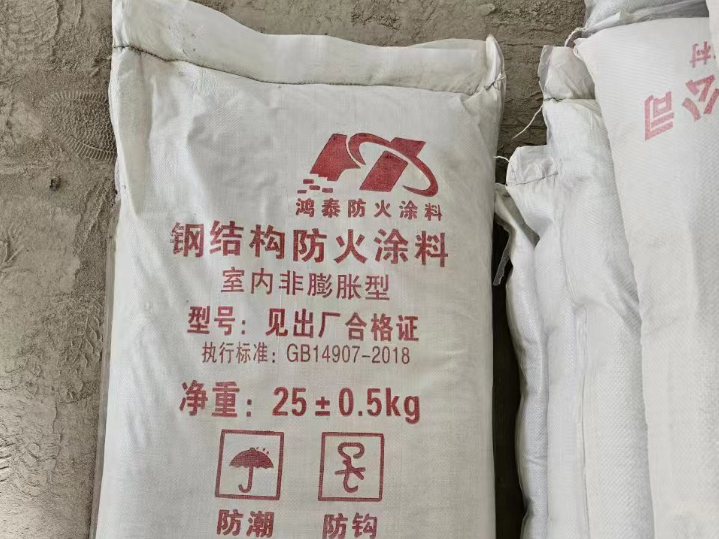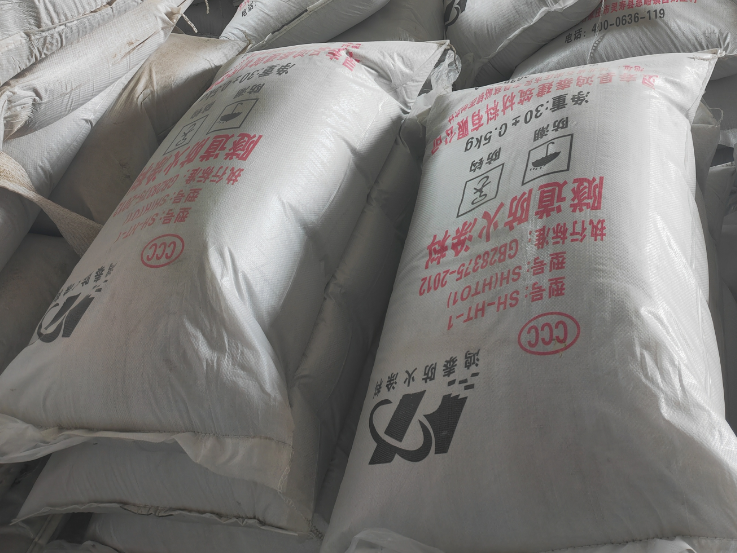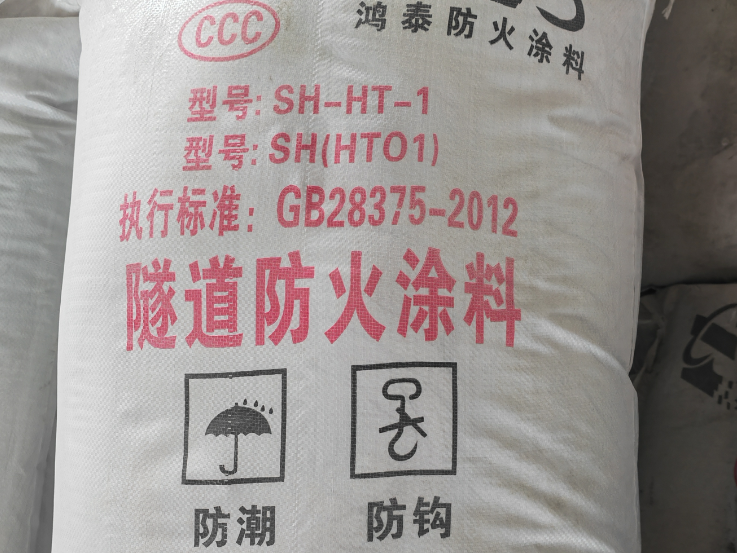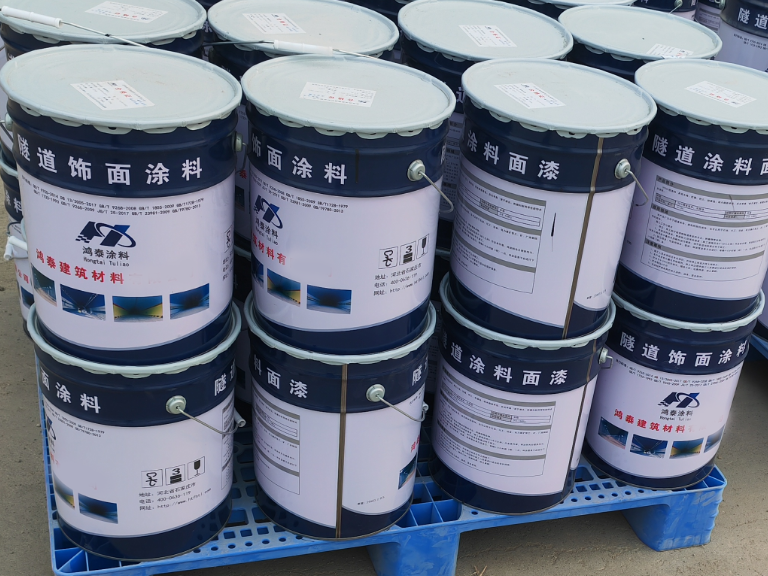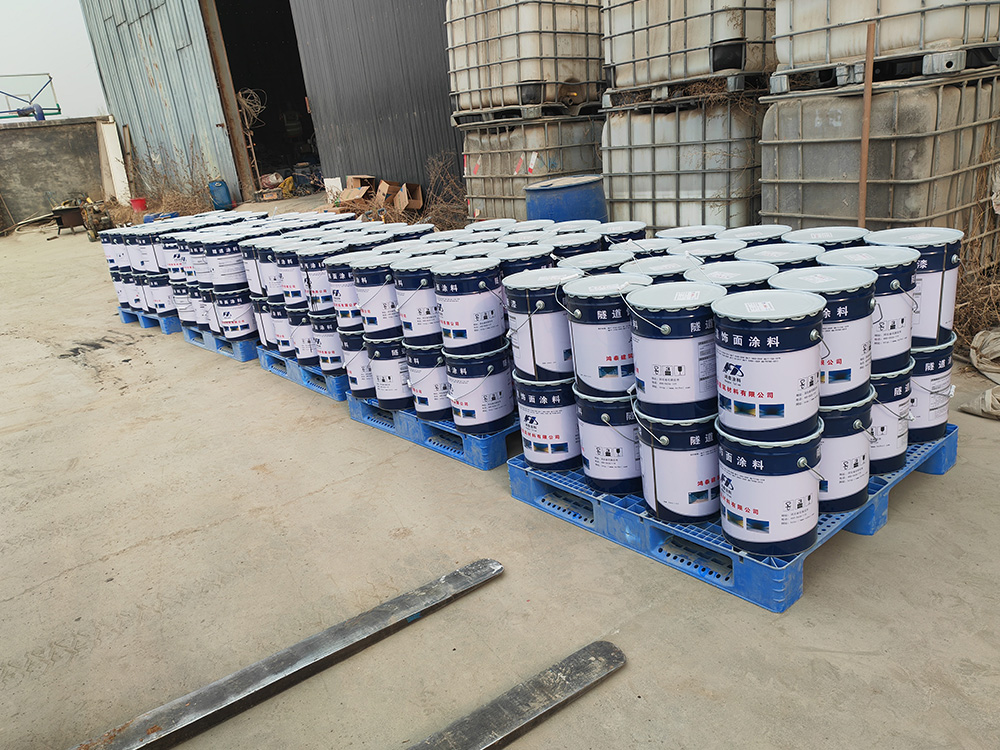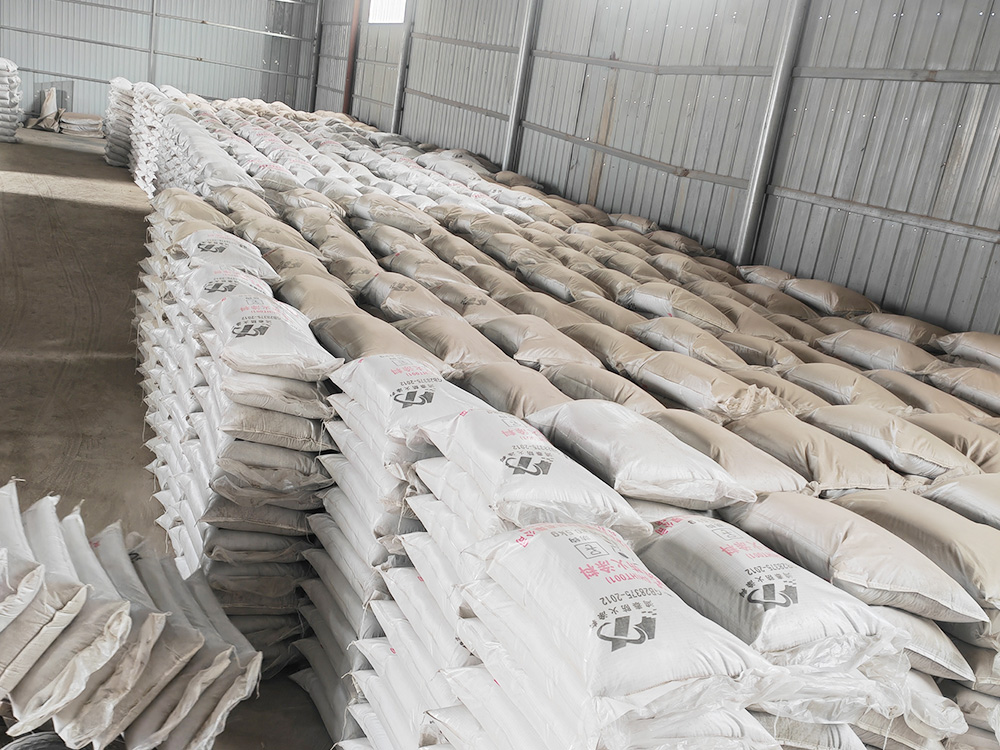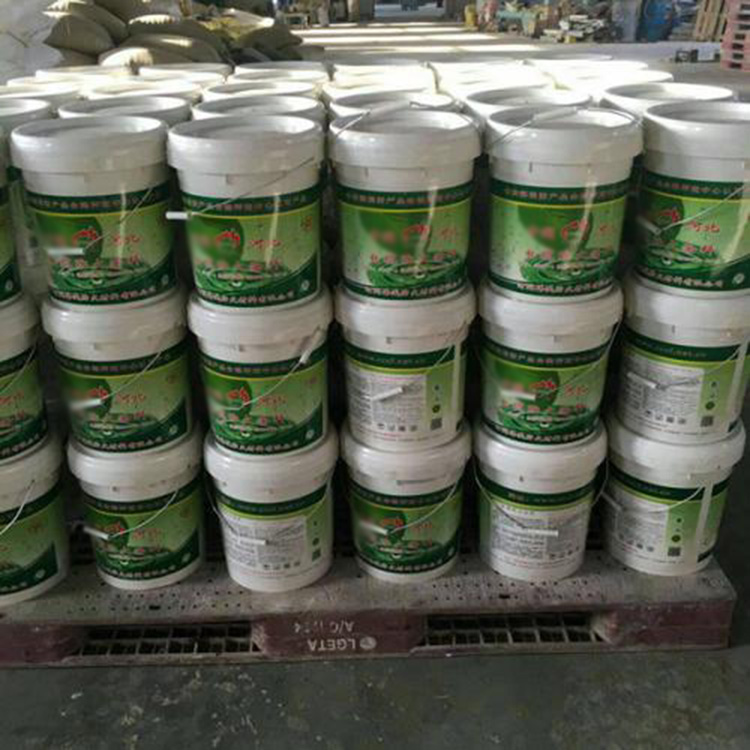


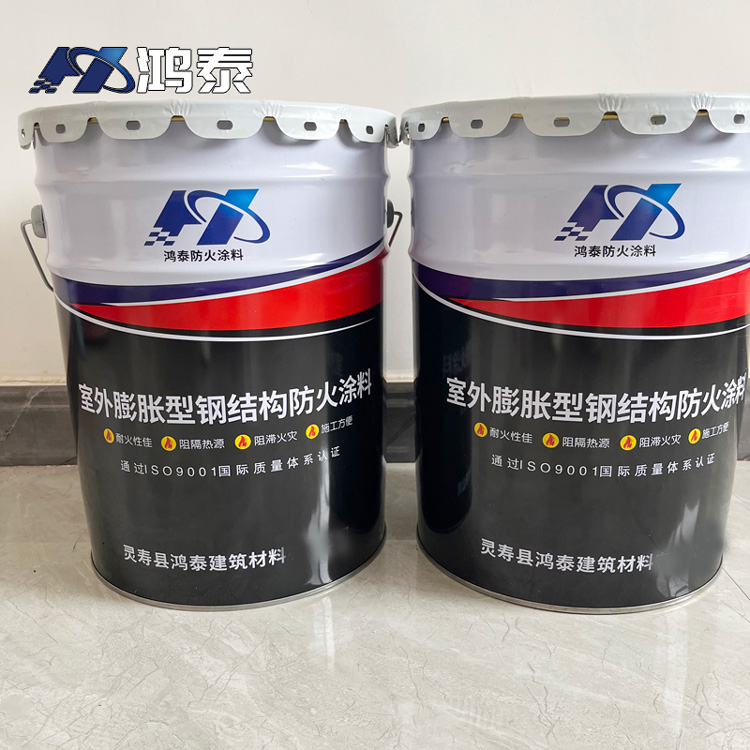
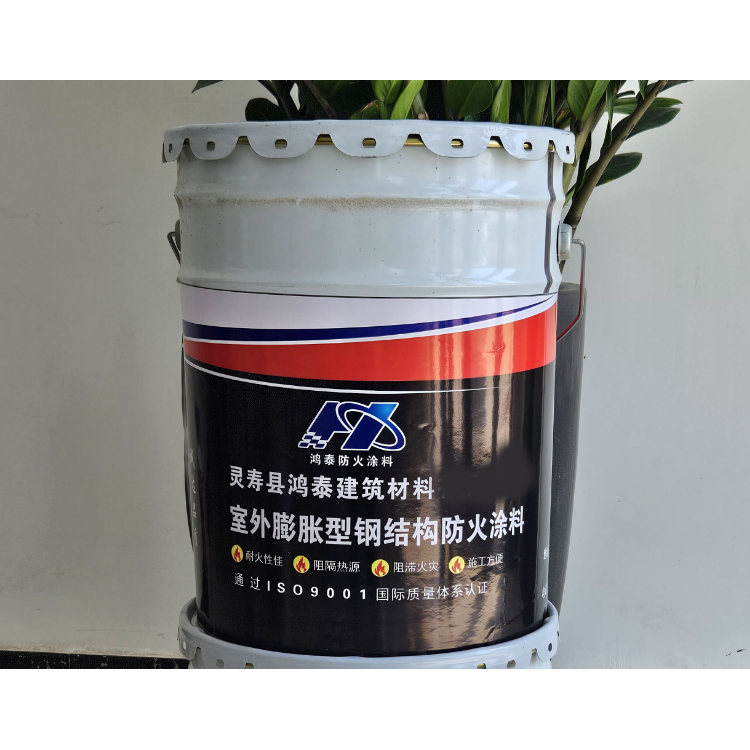
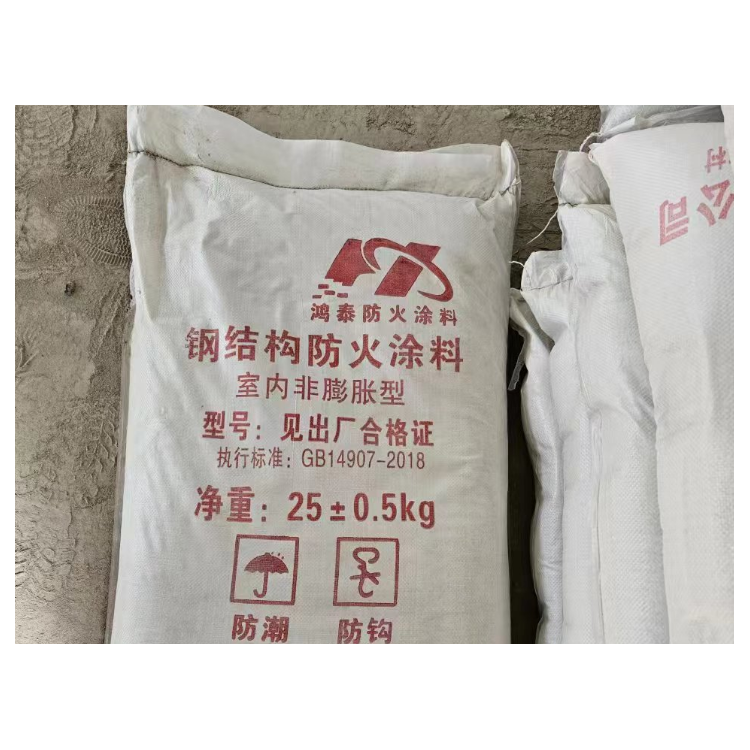





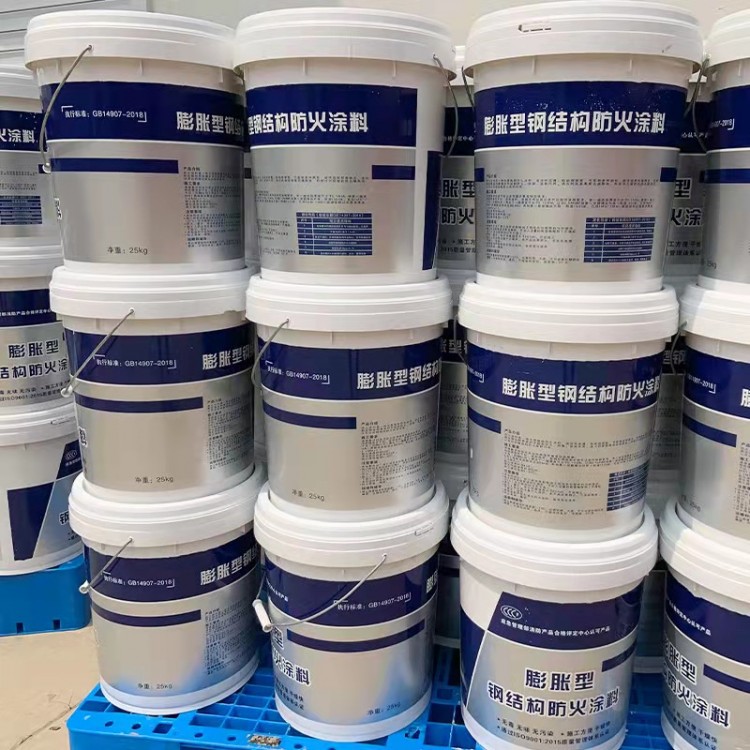
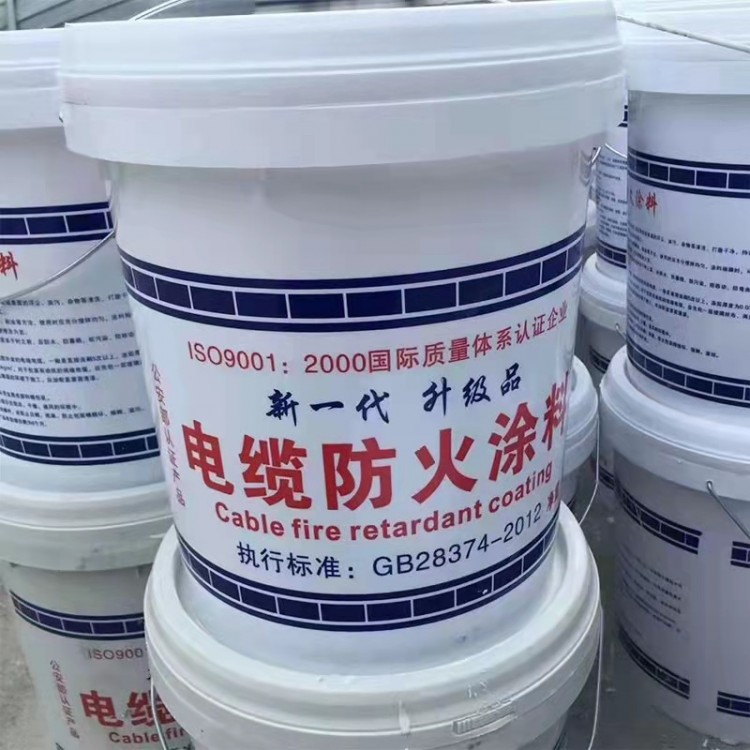
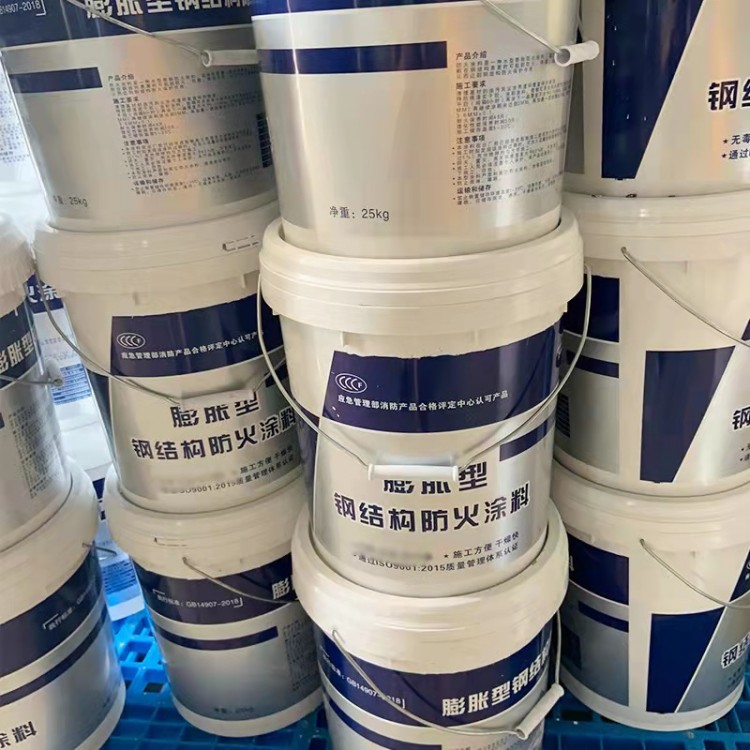
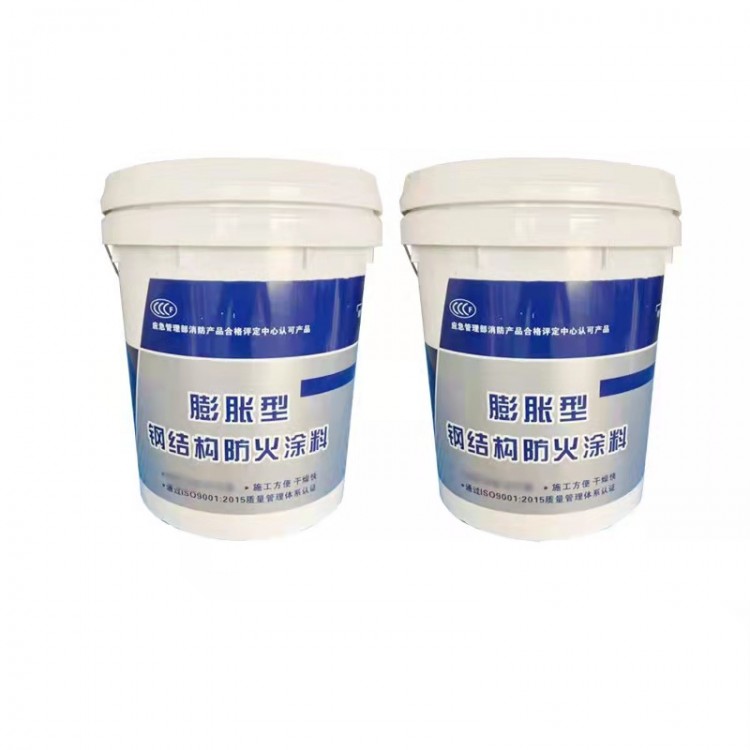
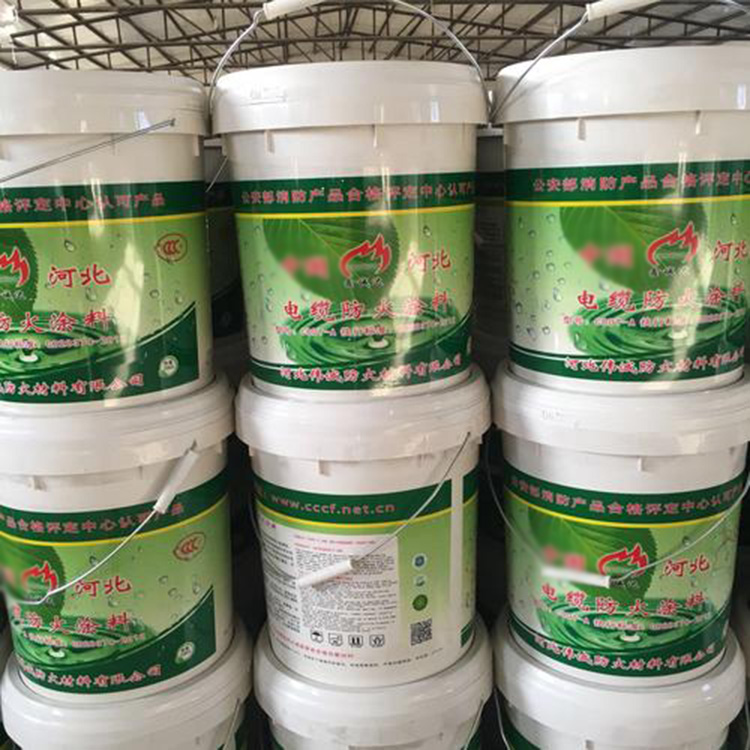
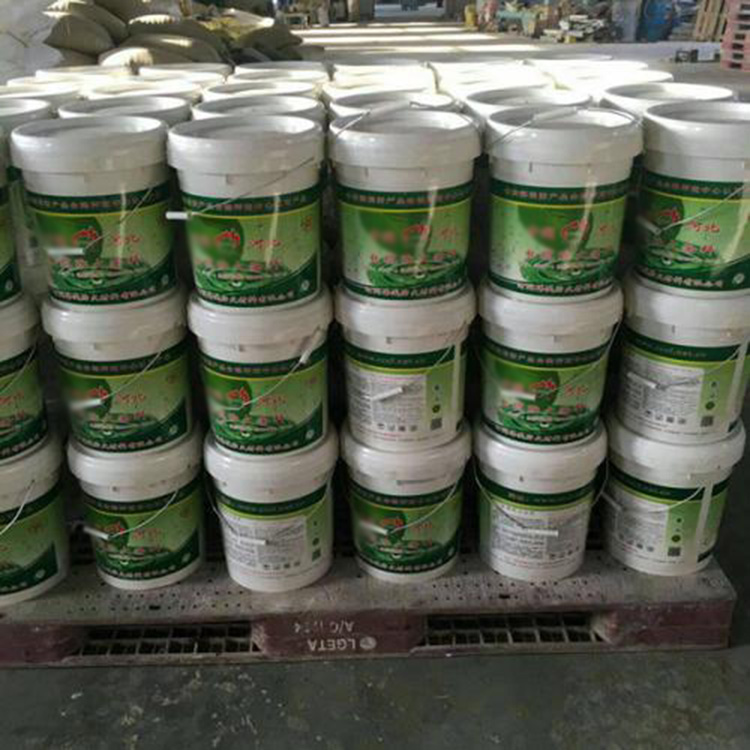
Cable fire-resistant coatings are typically composed of叔丙乳液water-based materials mixed with various fire-retardant and plasticizing agents. The coating forms a uniform and dense sponge-like foam insulating layer upon exposure to fire, effectively suppressing and blocking the spread of flames. This provides protection to wires and cables. Mainly used for flame-retardant treatment of electrical wires and cables in power plants, mines, telecommunication, and civil buildings, it can also be applied to fire protection of objects with combustible substrates, such as wooden and metallic structures.
Usage Calculation
Wg=K×π×D×L
Wg - Paint Consumption (kg); D - Cable Outer Diameter (m); L - Brushing Length (m); K - Unit Consumption (kg/m)
When the coating thickness is 0.8mm, K is 2; when the coating thickness is 1.0mm, K is 2.5; when the coating thickness is 1.2mm, K is 3.
Application Scope
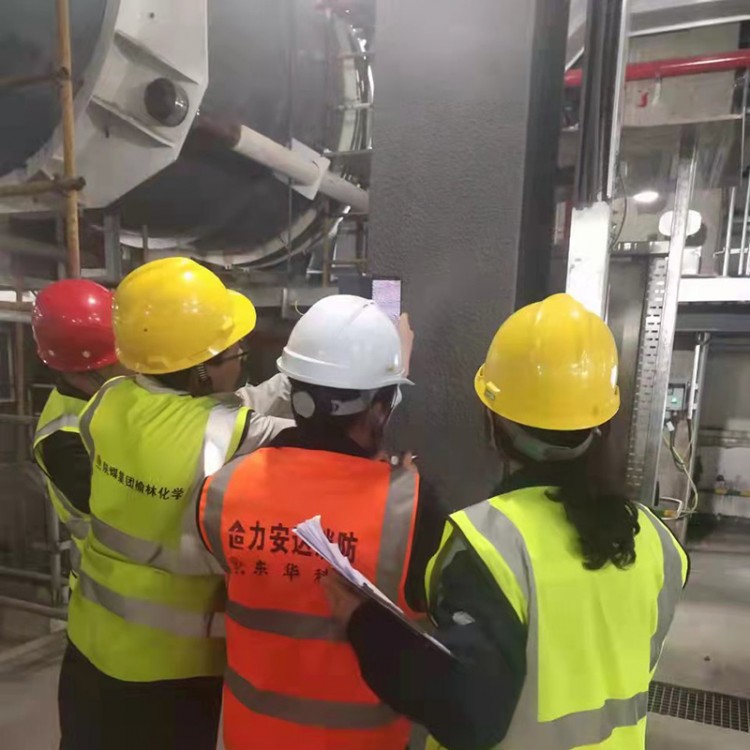
Fire-resistant coating for cables is suitable for flame-retardant treatment of electrical cables in power plants, industrial and mining enterprises, telecommunications, and civil buildings. It can also be used for fire protection of combustible materials in wooden and metallic structures, as well as underground engineering.
Construction Method
1. Prior to applying fire-resistant coating, the cable surface should be thoroughly cleaned and sanded free of dust, grease, and debris. The surface must be dry before proceeding with the fire-resistant coating application.
2. The application of cable fire-retardant coatings uses spraying and brushing methods. Ensure thorough mixing before use. If the coating is slightly thick, dilute it with a moderate amount of tap water for easier spraying.
3. Prior to the coating drying and during construction, it should be protected from water damage, UV exposure, contamination, movement, and bending. Any damage should be repaired promptly.
4. For wire cables with plastic or rubber sheaths, it is generally applied directly in at least 5 coats, with a coating thickness of 0.5-1mm, approximately 1.5kg per meter. For insulated cables wrapped with oil paper, a layer of glass fiber cloth should be applied first before coating. If applied outdoors or in a humid environment, a matching topcoat varnish should be used. [1]
Transportation
When transporting the product, prevent it from being rained on or exposed to sunlight, do not apply heavy pressure or invert it, and ensure clear labeling. Adhere to the relevant regulations of the transportation department during transportation.
Storage
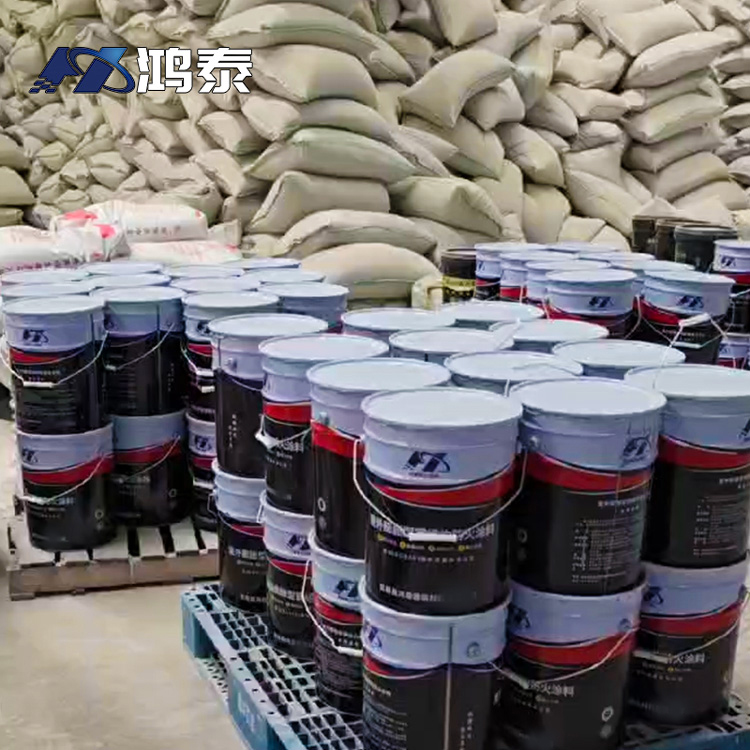
Products should be stored in a well-ventilated, dry area, protected from direct sunlight, with storage temperatures between 5°C and 40°C, and stacked no higher than three layers.