


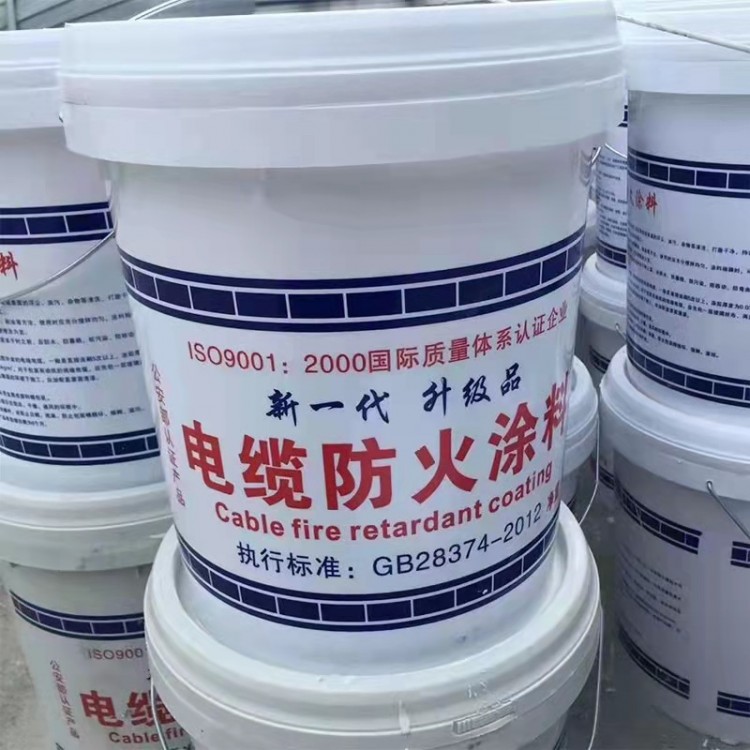


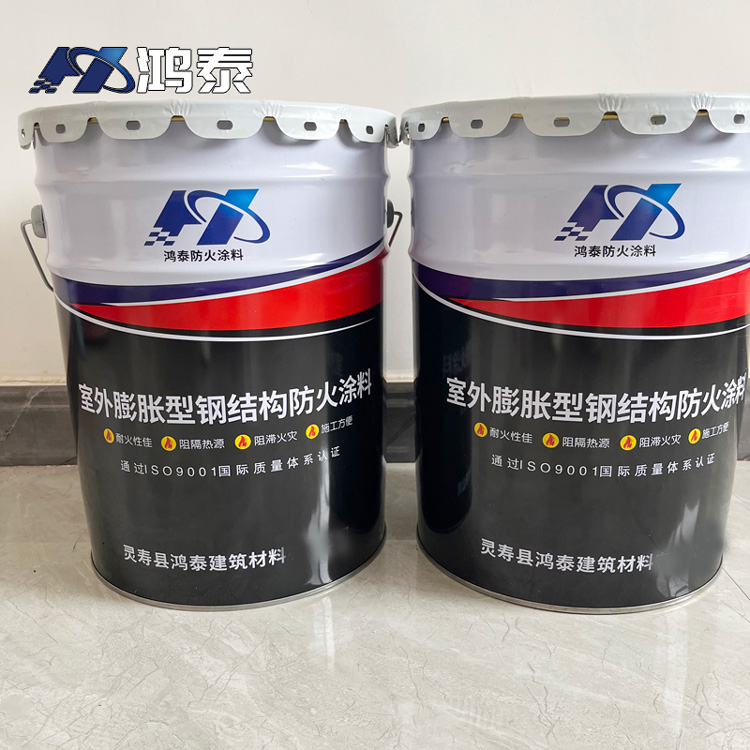
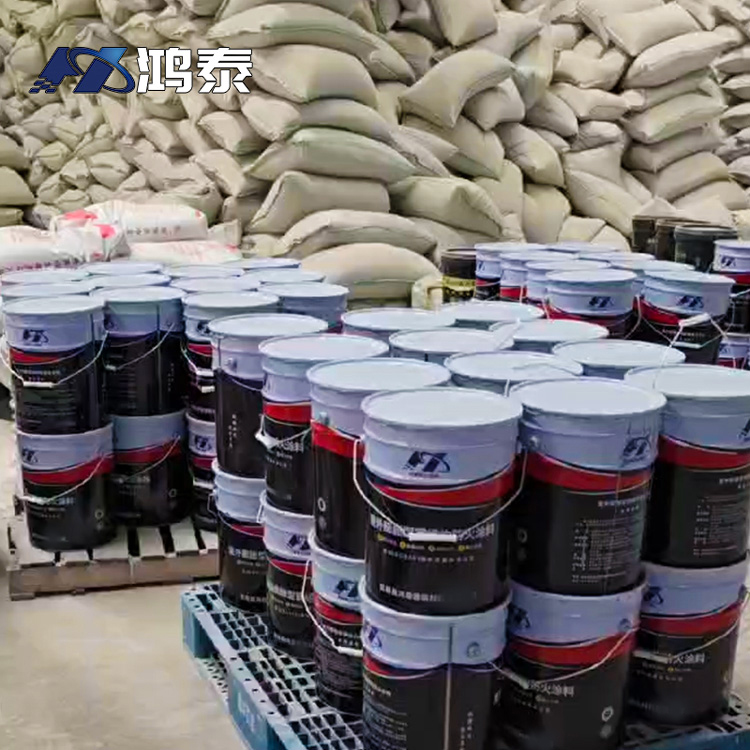
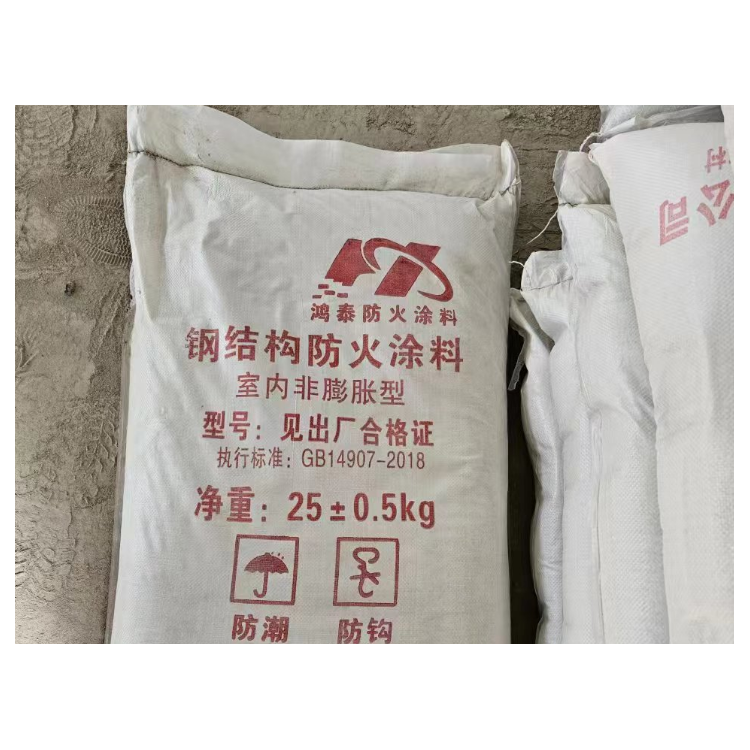








Avoid Misconceptions and Choose the Right Fire Retardant Coating: Different spaces and materials have varying requirements for fire retardant properties. Therefore, when selecting coatings, consult experienced sales staff at stores. Only by using the appropriate fire retardant coating in the right place can the fire-retardant effect be achieved.
Misconception 1
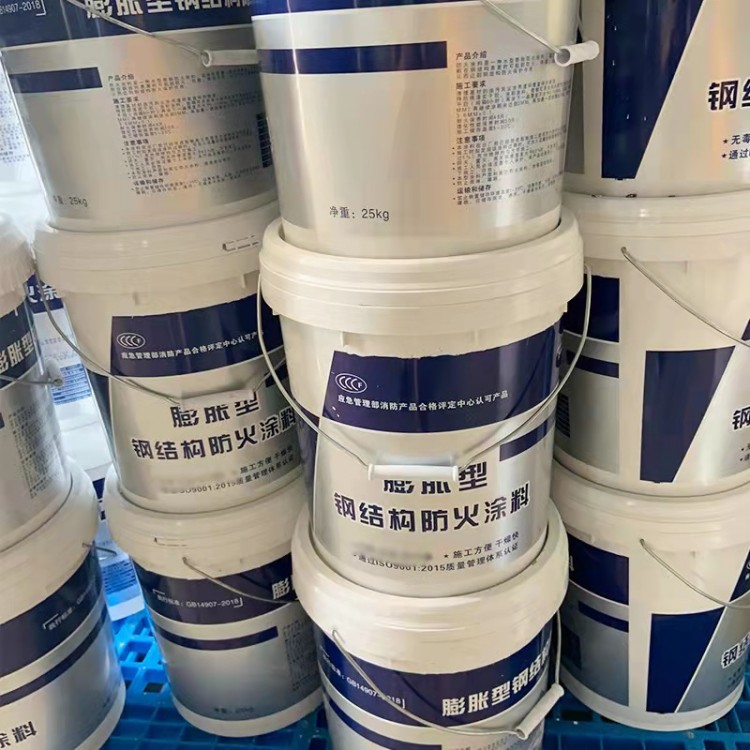
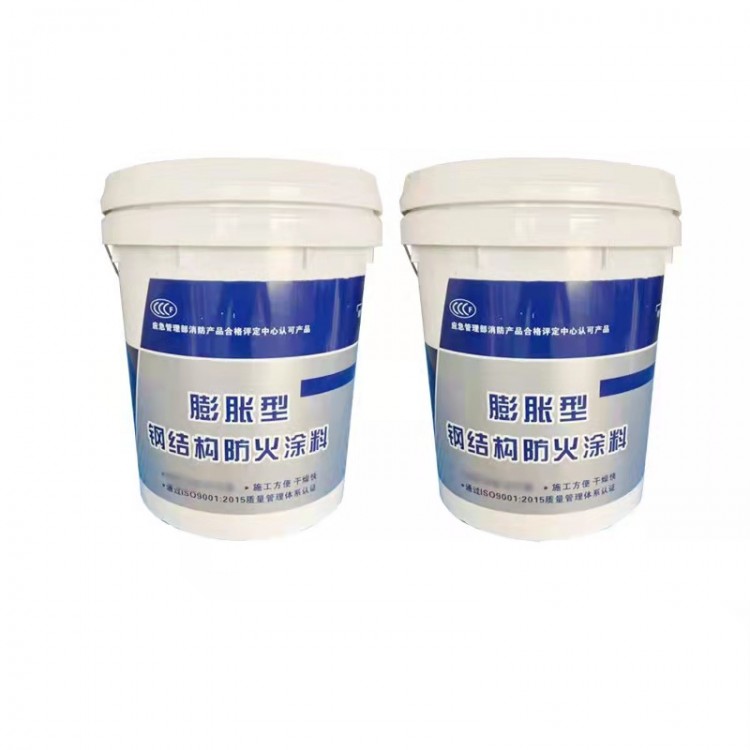
Apply fire-retardant coating for wood structures to steel structures
Due to the fact that both wood-structured and steel-structured fire-retardant coatings are indistinguishable to the naked eye, consumers must be aware of the detailed properties of fire-retardant coatings when making their selections. If steel structures are coated with wood-structured fire-retardant coatings, the adhesion will significantly decrease, making them prone to peeling off and unable to ensure fire safety.
Misconception 2
Unspecified solvent-based and water-based fire-resistant coatings
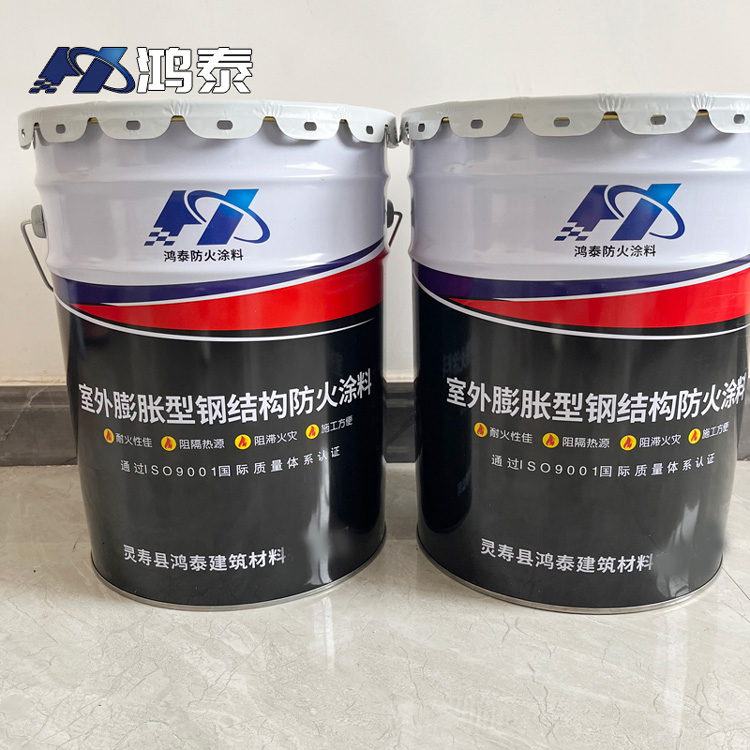
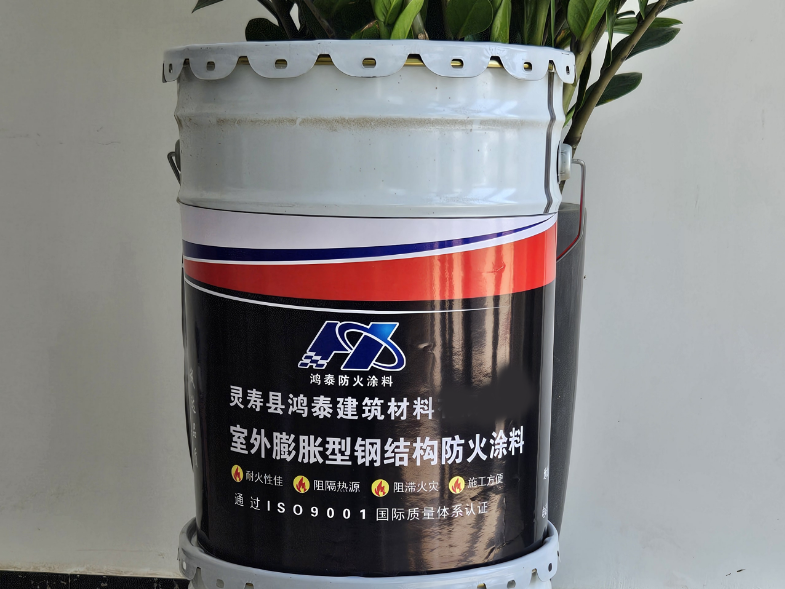
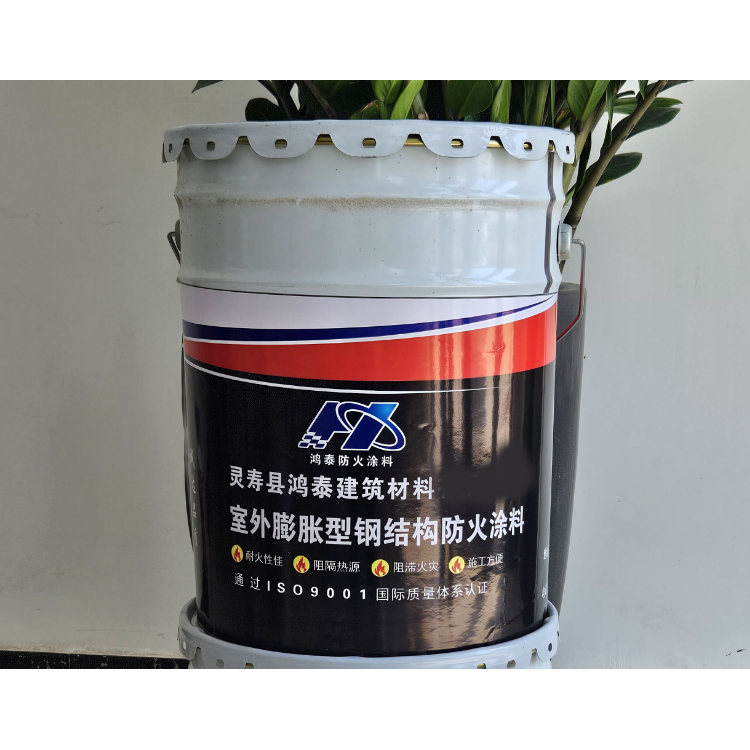
There are two types of fire-resistant coatings for steel structures: solvent-based and water-based. In terms of adhesion, solvent-based coatings have greater strength than water-based ones. Therefore, solvent-based fire-resistant coatings should be used for outdoor steel structures, while indoor steel structures can utilize either solvent-based or water-based coatings.
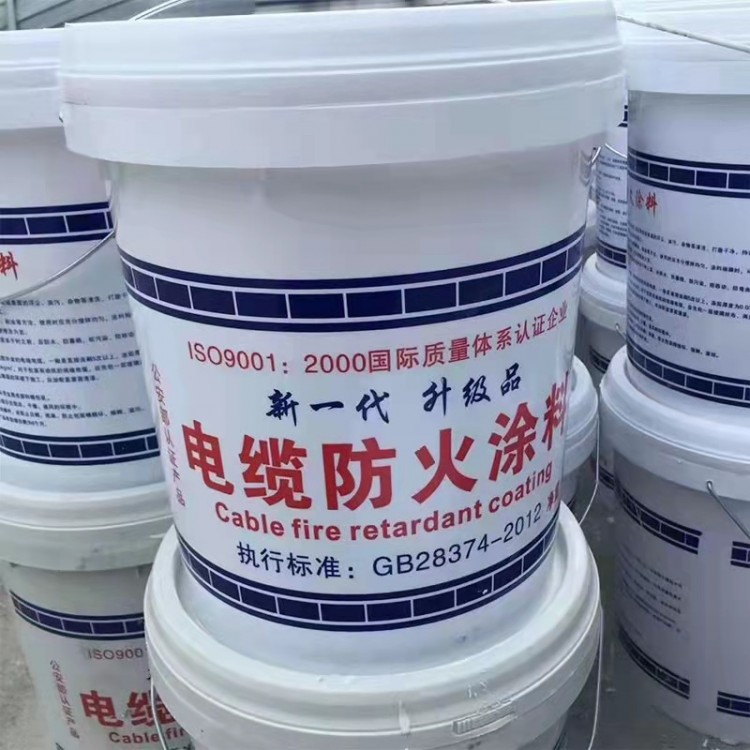
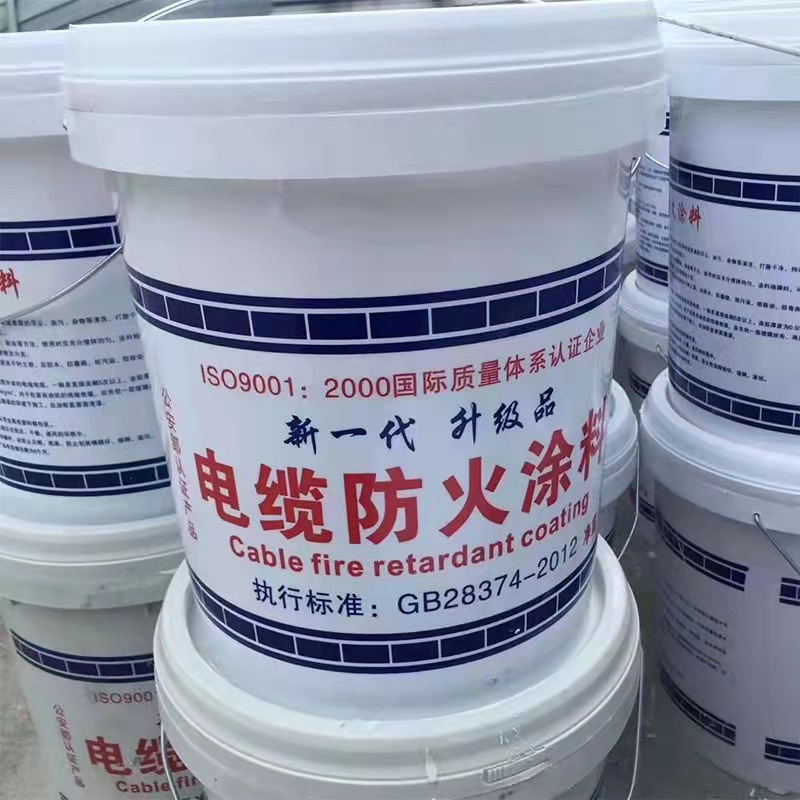
Some fire-retardant coatings produced by domestic manufacturers release toxic gases when exposed to fire. If such coatings are used on fire-resistant electrical products, toxic gases will be emitted upon a fire. For instance, the obsolete G60 chlorinated polyvinyl chloride fire-retardant coating, which releases toxic chlorine gas upon ignition, is not suitable for use.
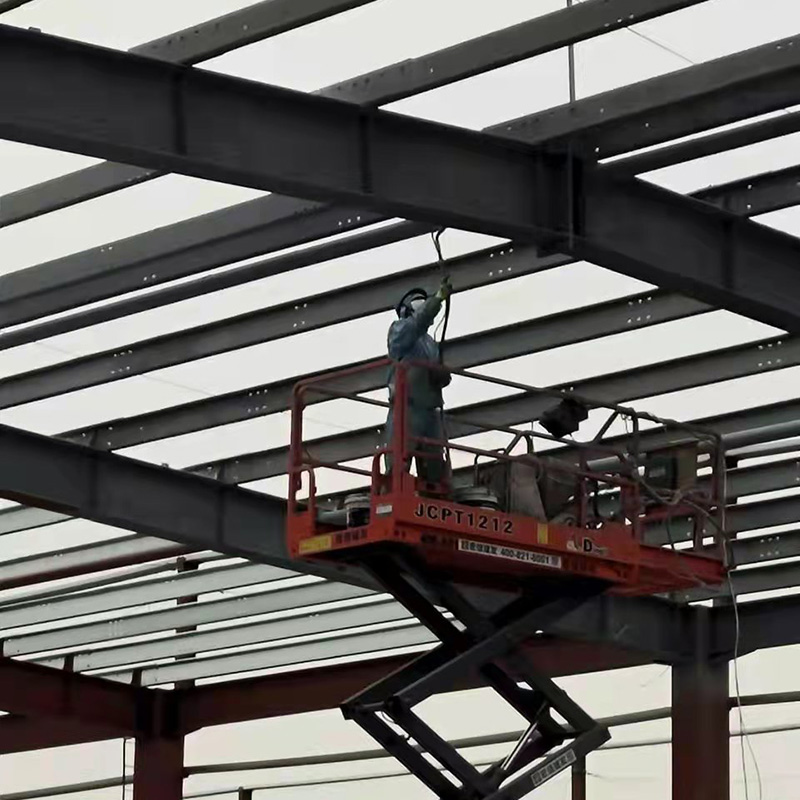
The quality of application for fire-retardant coatings affects the material's fire-resistant properties, thus, the coating quality of fire-retardant paints should be given priority. Different fire-retardant coatings may have slightly varied application methods, but their basic construction points are the same.