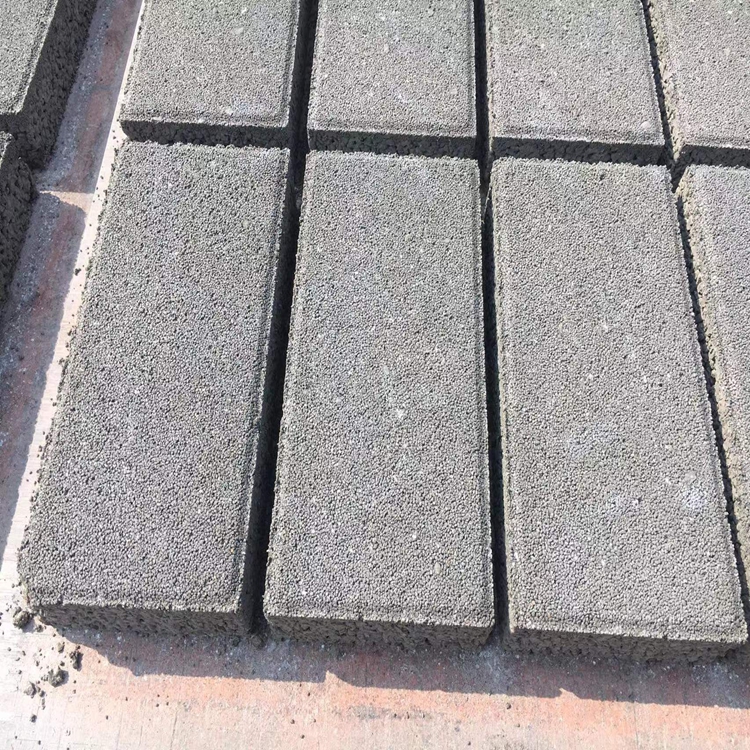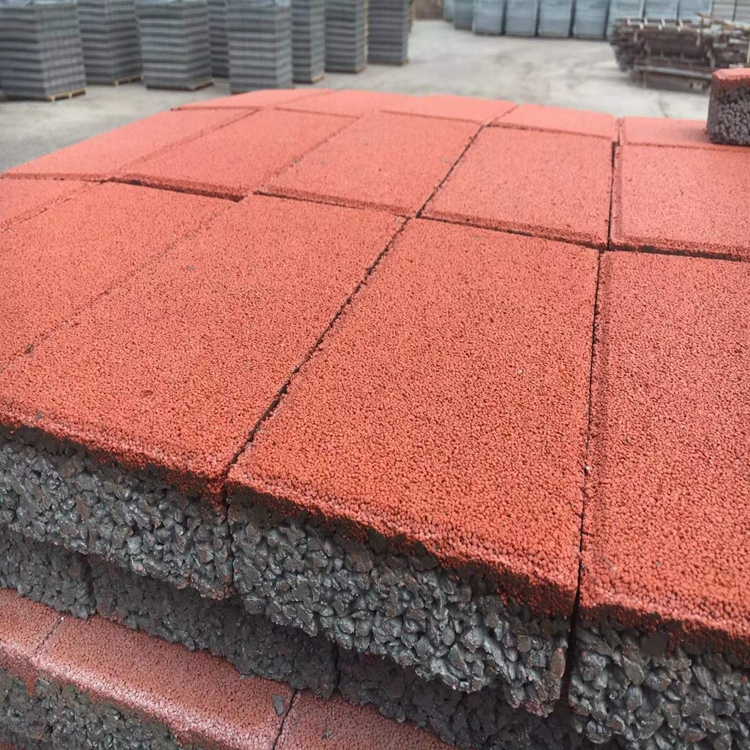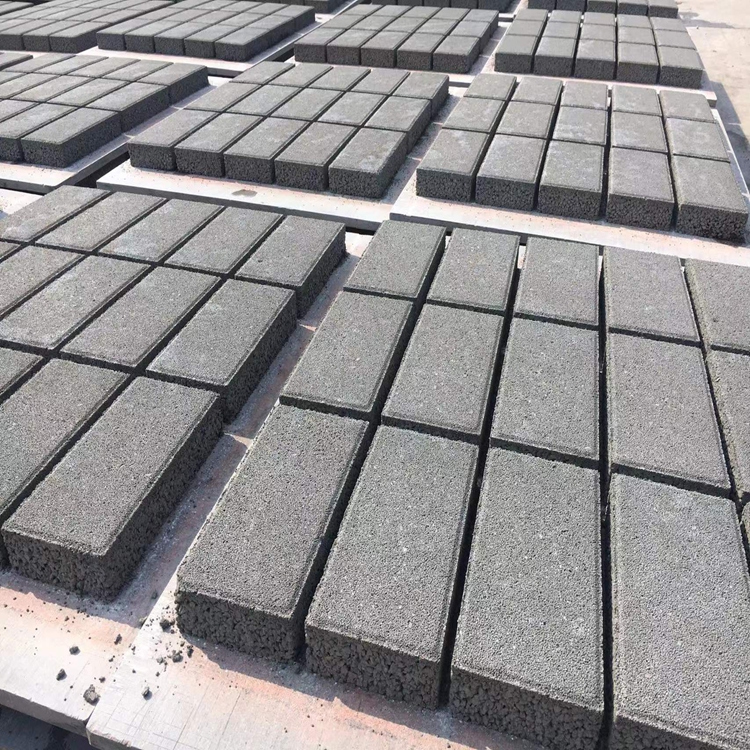











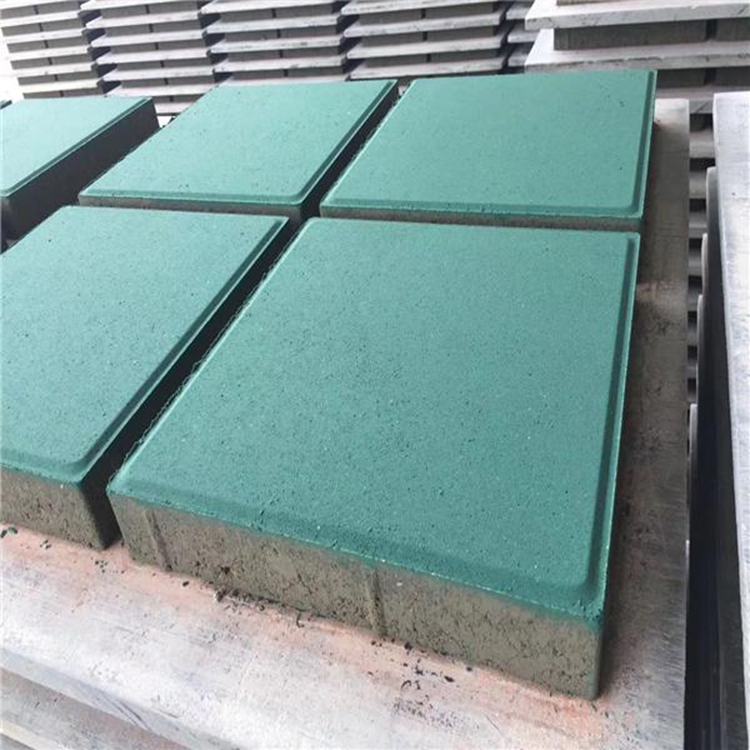
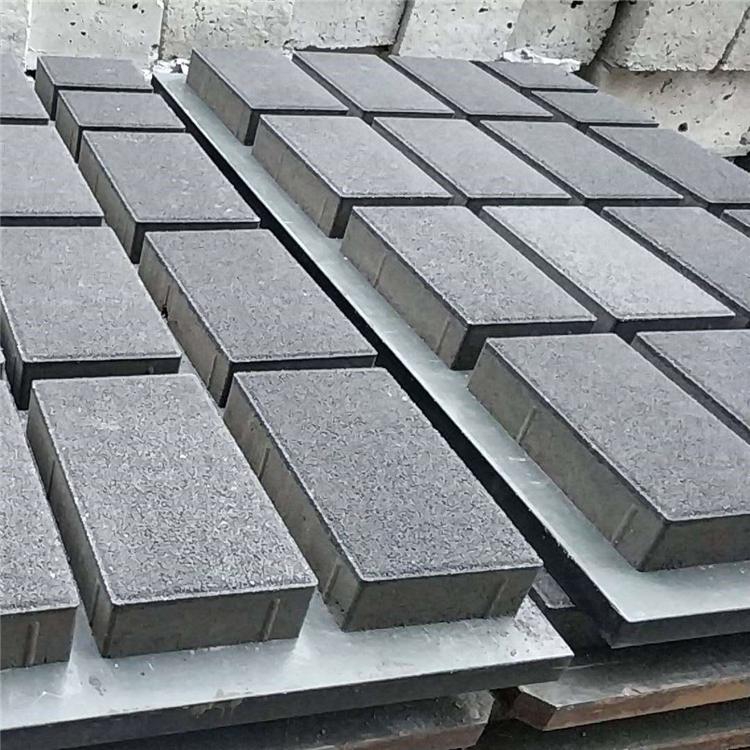
What are the standards for permeable pavers during construction?
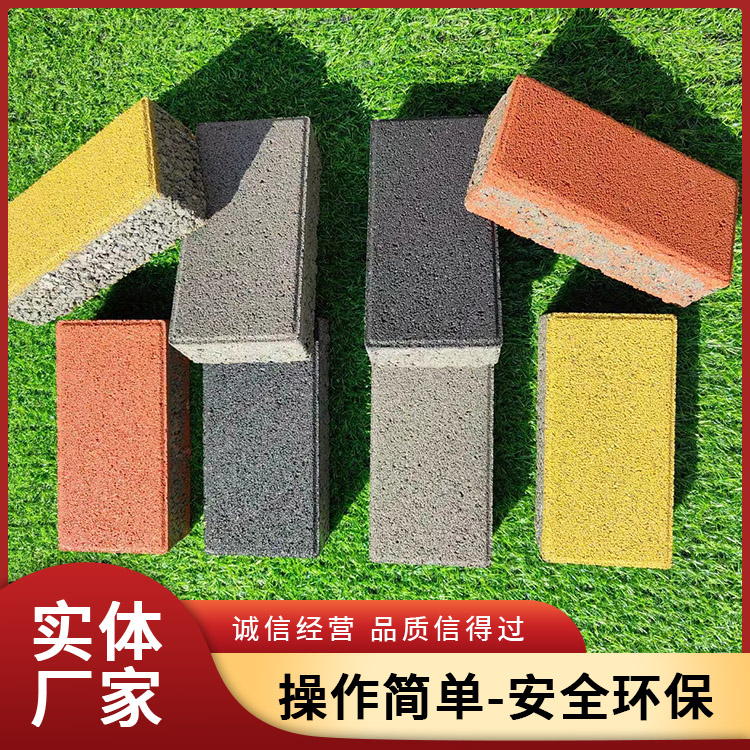
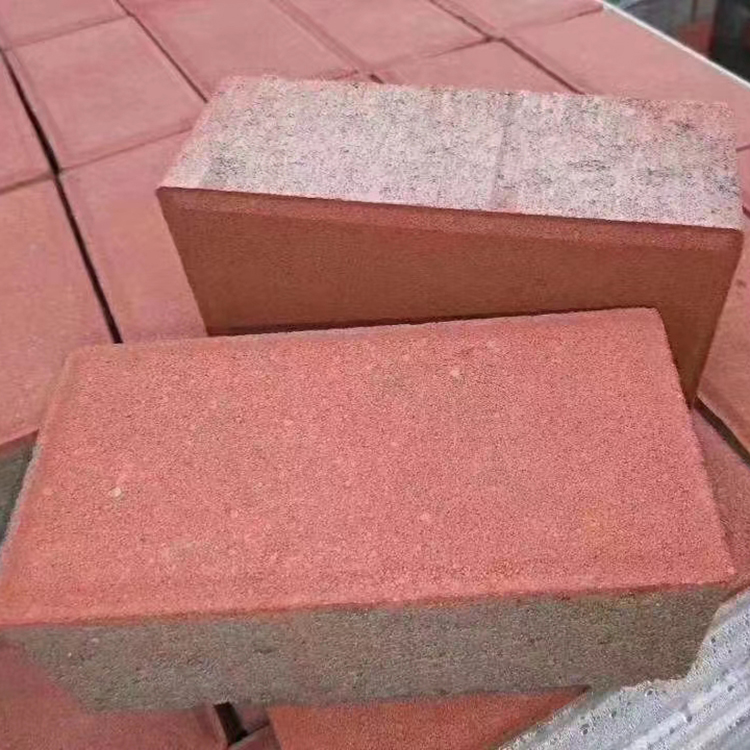
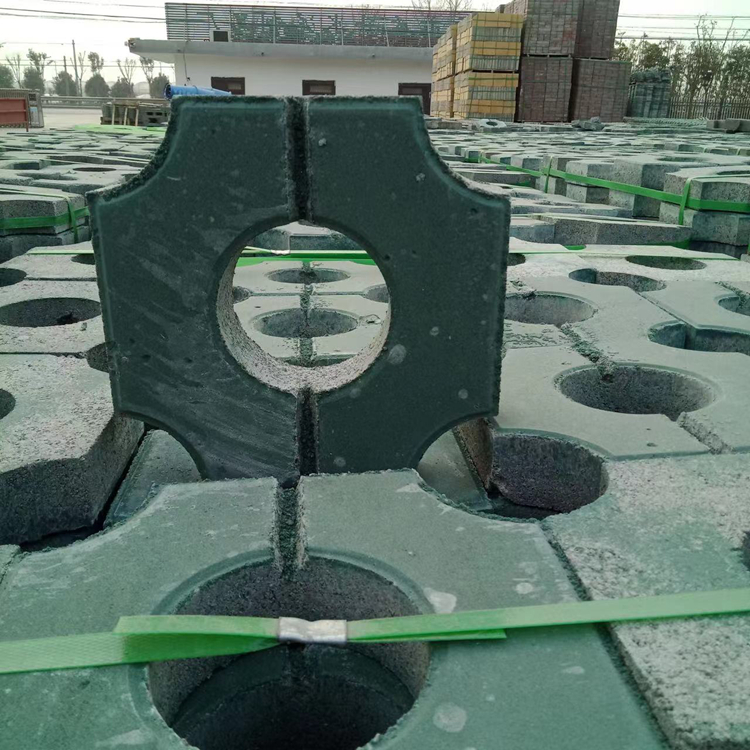
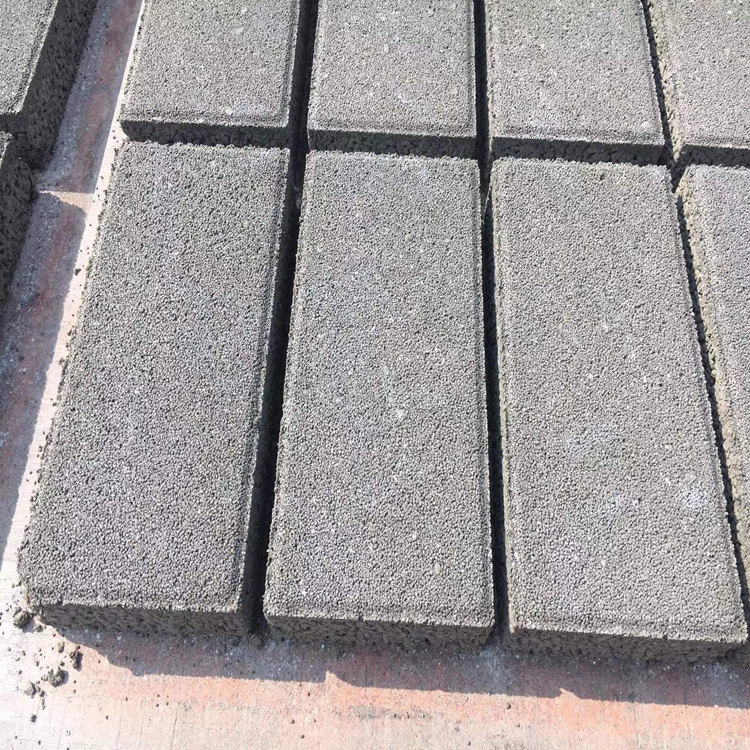
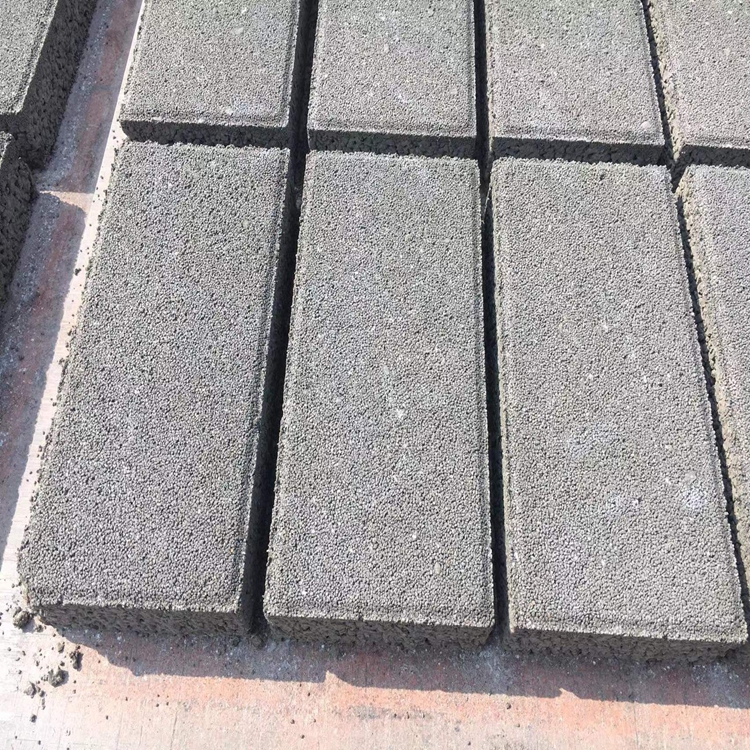
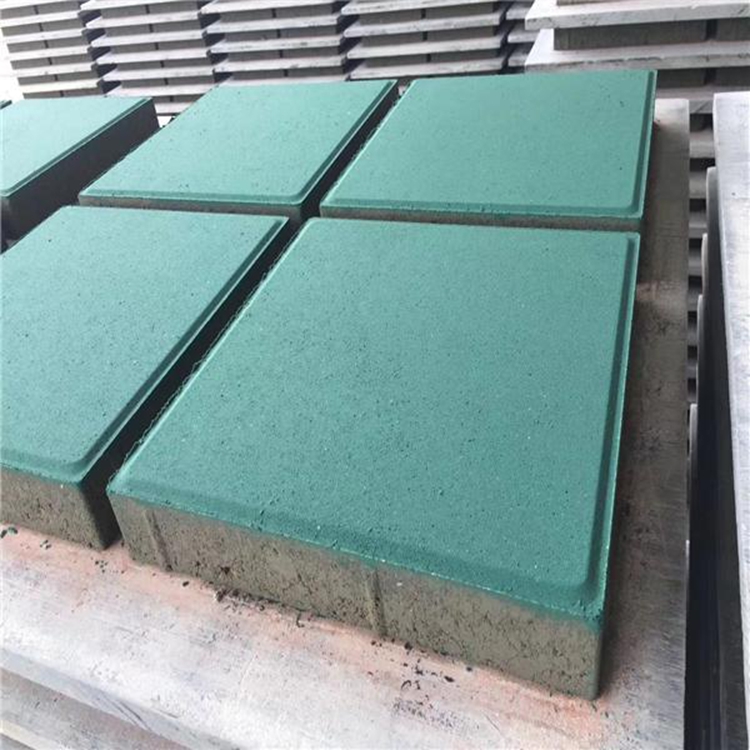
Porous bricks offer excellent permeability, effectively addressing issues like road surface waterlogging, enhancing both vehicle and pedestrian safety and comfort. However, achieving good performance requires careful pre-construction work and meeting certain standards.
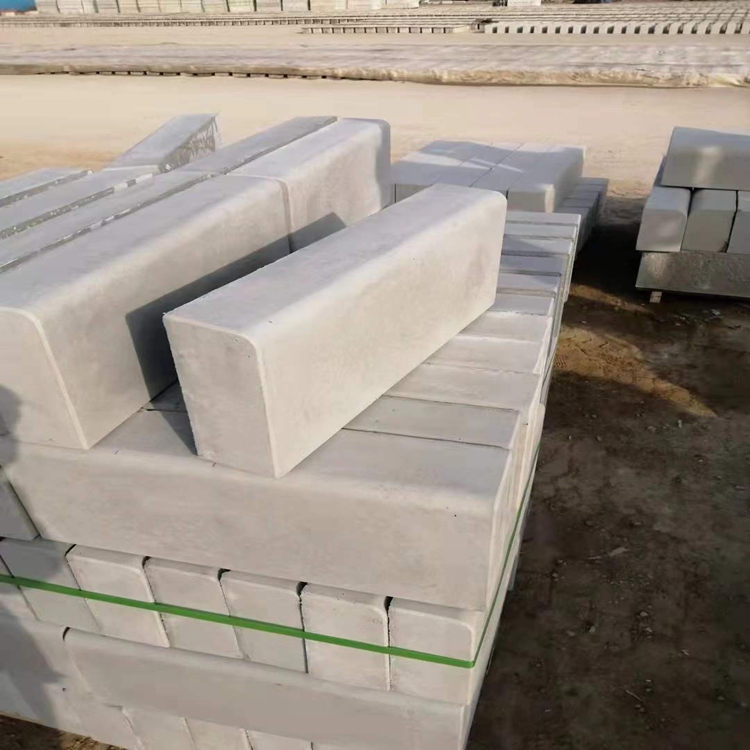
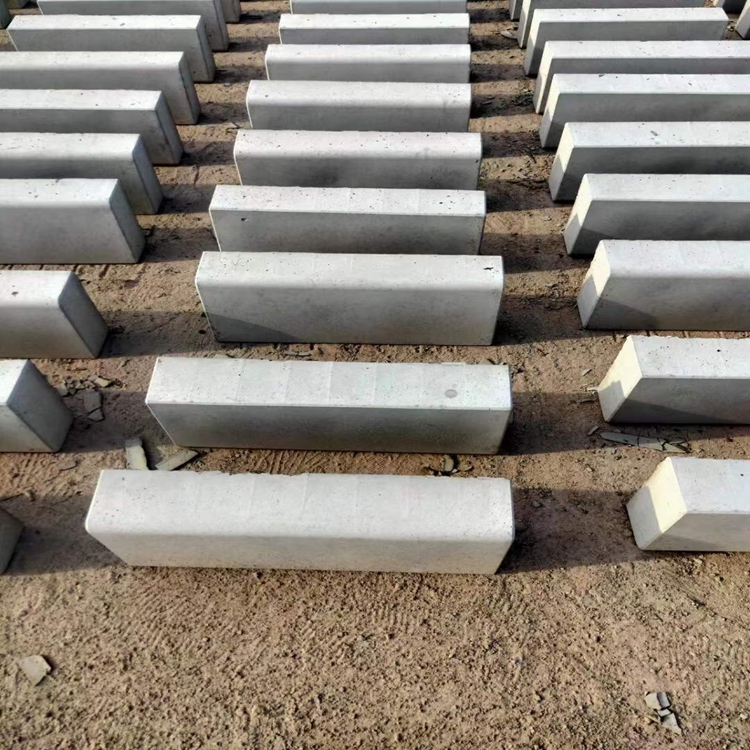
1. Before installing permeable bricks, the curbstone construction (if any) must be completed. During curbstone installation, set up the datum points and lines first, followed by the curbstone masonry.
2. Use a theodolite or ruler to measure the longitudinal and transverse grid lines, establish the tile reference line, and place a permeable brick as a plane and elevation control point every 5 to 10 meters along the centerline (or edge line) of the road width.
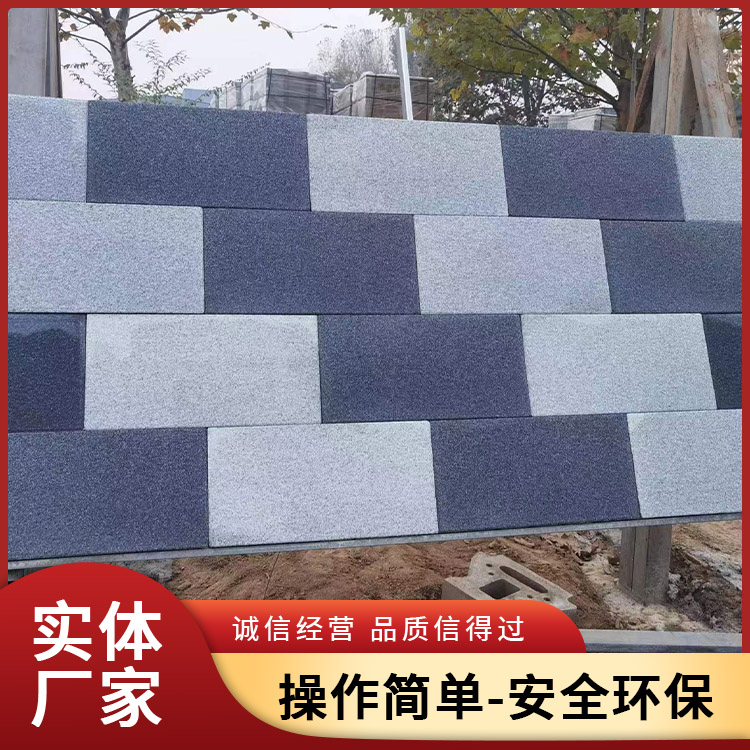
3. Lay permeable pavers in a backward pattern, in accordance with the design width and pattern requirements, and do not stand on the leveling layer to work. The gap between bricks should be 3mm to prevent the bricks from being joined together; when there is excessive height, the gap on the outer edge of the bricks may be expanded to a maximum of 5mm. Place the bricks gently and evenly, and use a rubber mallet to firmly and flatly strike them; do not damage the edges and corners. You may also use a high-frequency, low-amplitude plate tamper (80-90 Hz) to compact the bricks 2-3 times.
4. During installation, check the stability and flatness of ceramic permeable bricks at all times, and make timely corrections. Repairs should involve re-laying the bricks; do not use methods such as filling the sand layer at the bottom of the bricks or supporting them to level.
5. After installation is complete and passes inspection, fine sand or manufacturer-provided joint filling material must be used for cleaning the joints.
6. Pay attention to smooth treatment around the manhole and irregular bends, ensuring a seamless transition with the paving surface.