








What is the material used for the surface of the permeable brick?
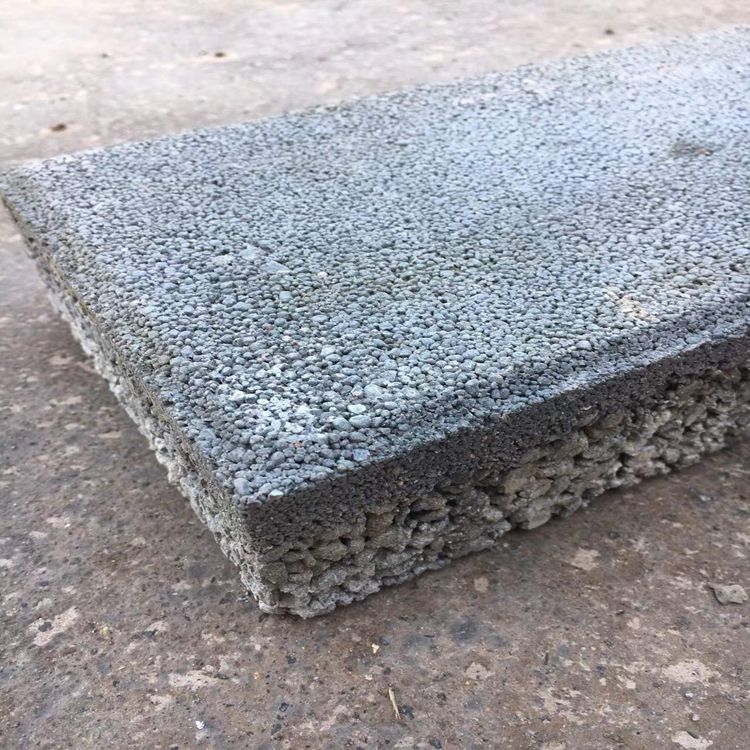
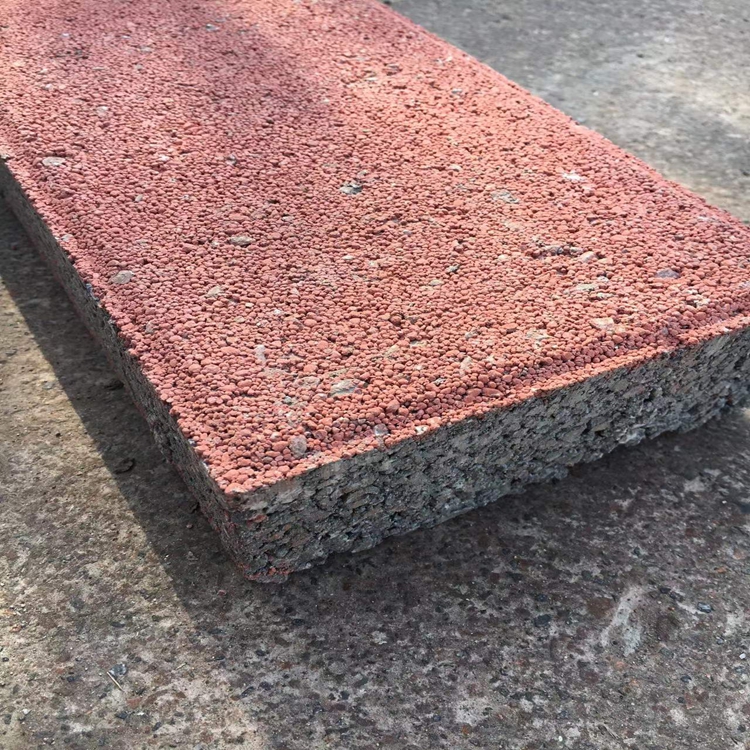
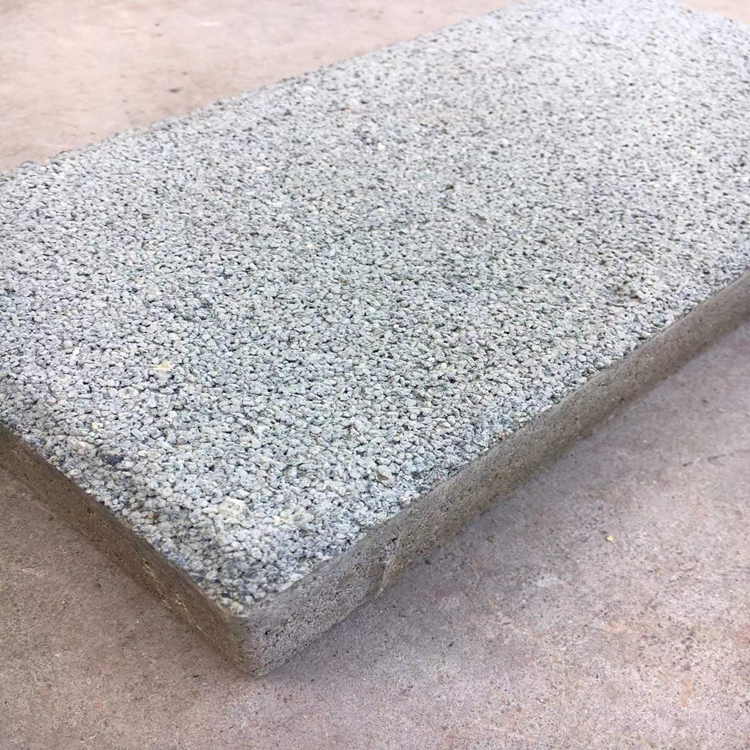
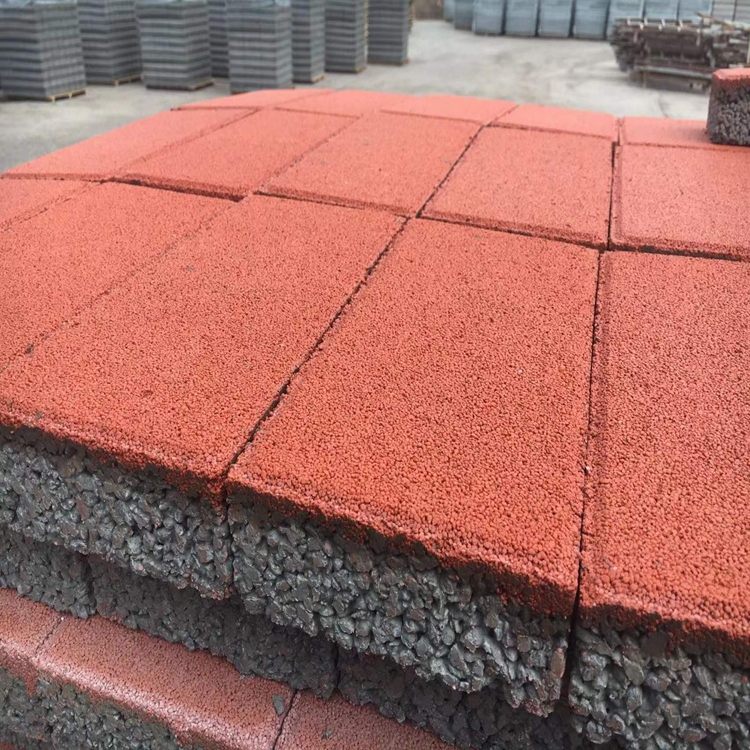
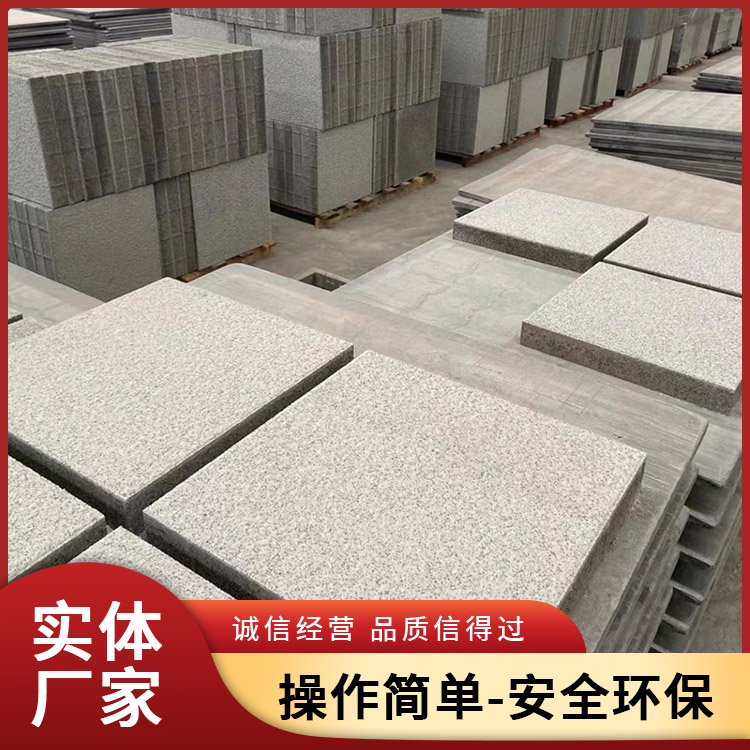
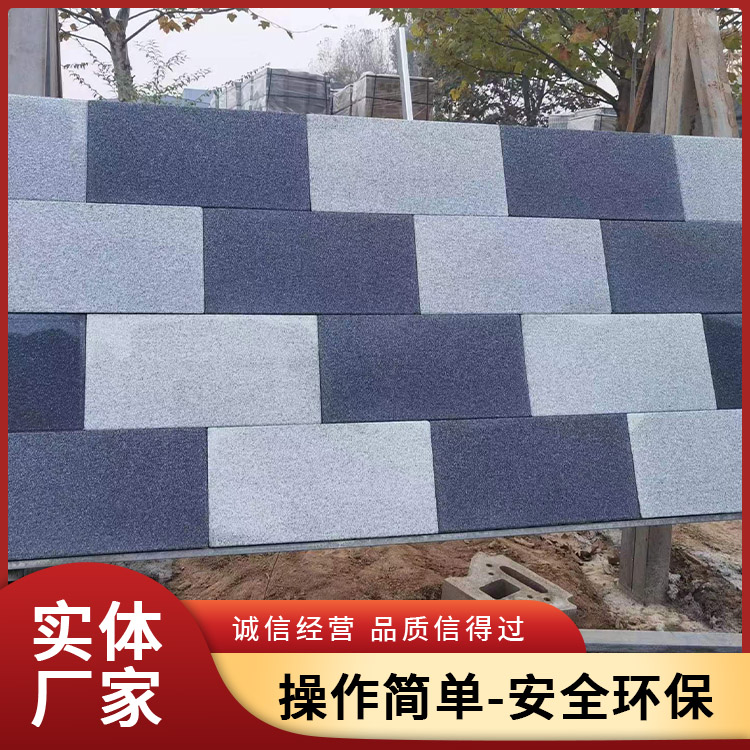
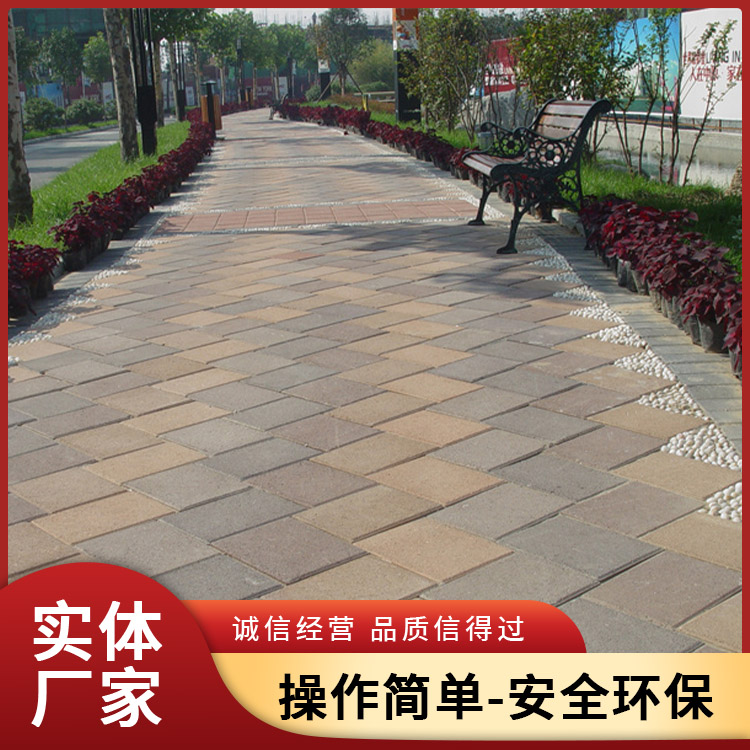
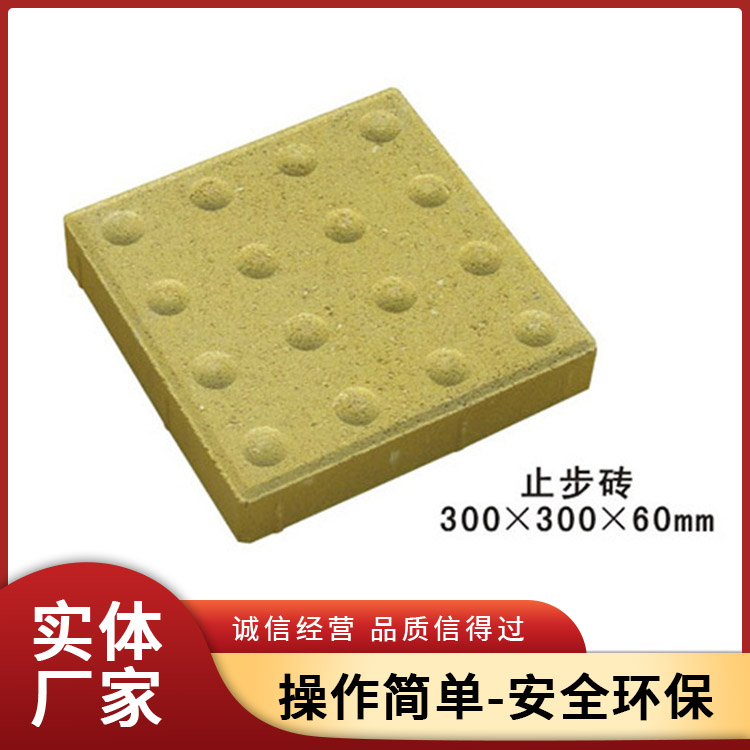
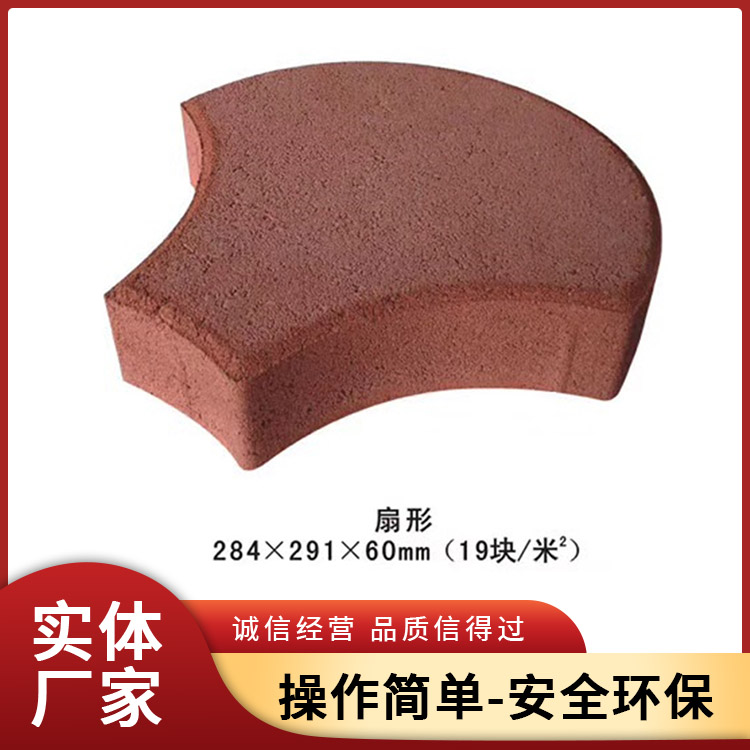
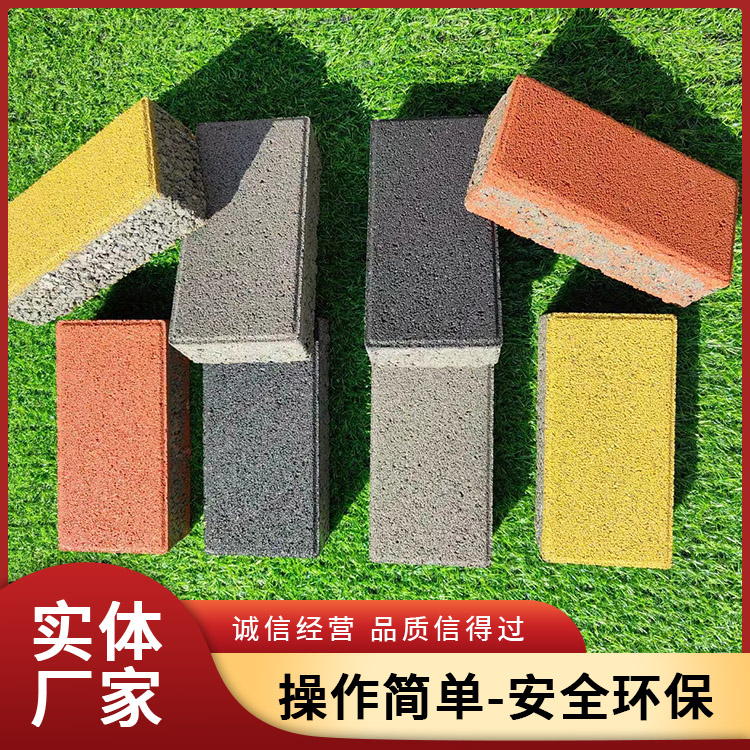
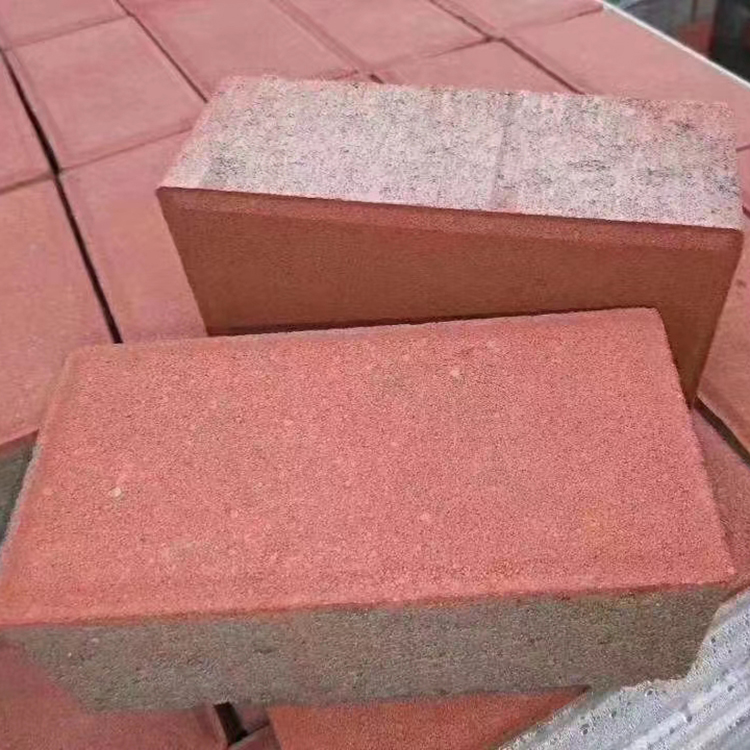
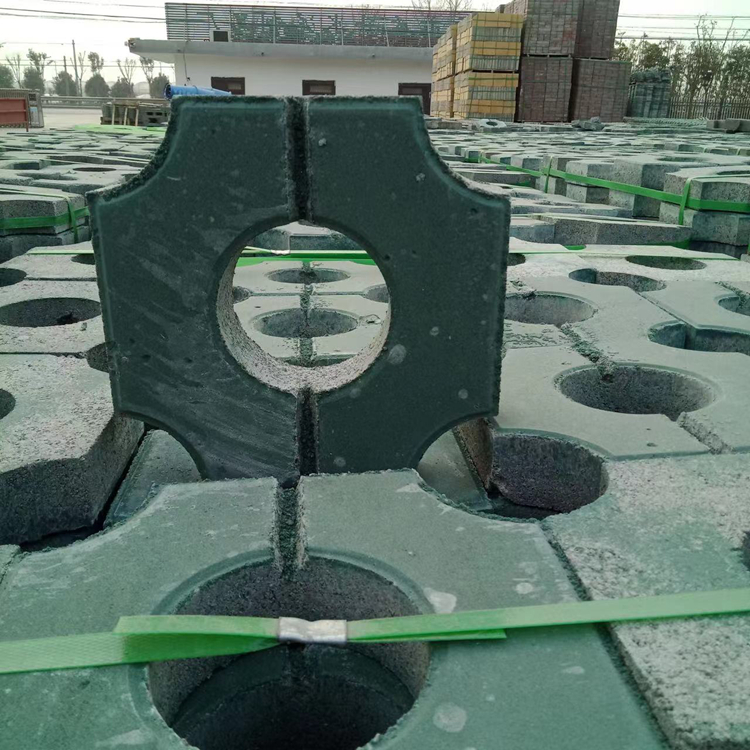
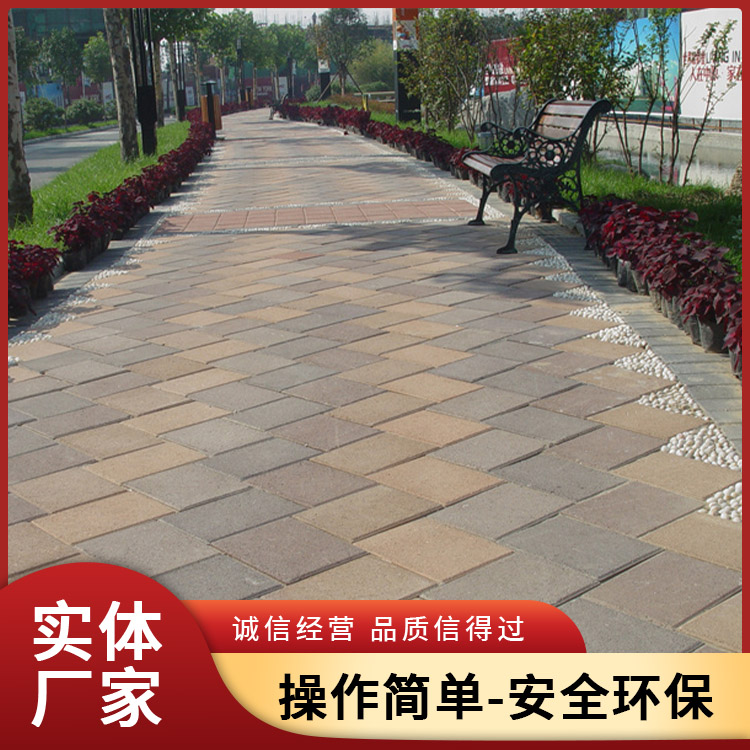
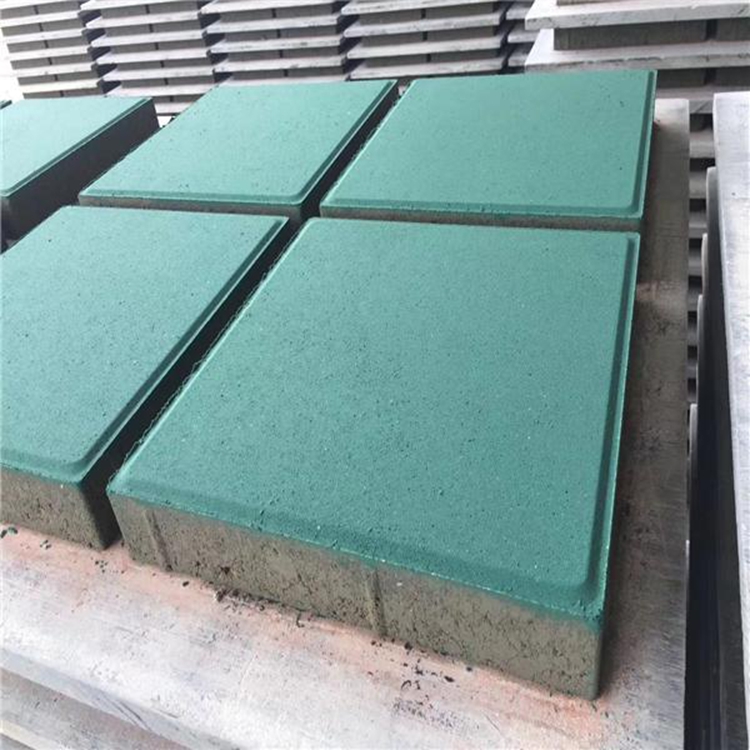
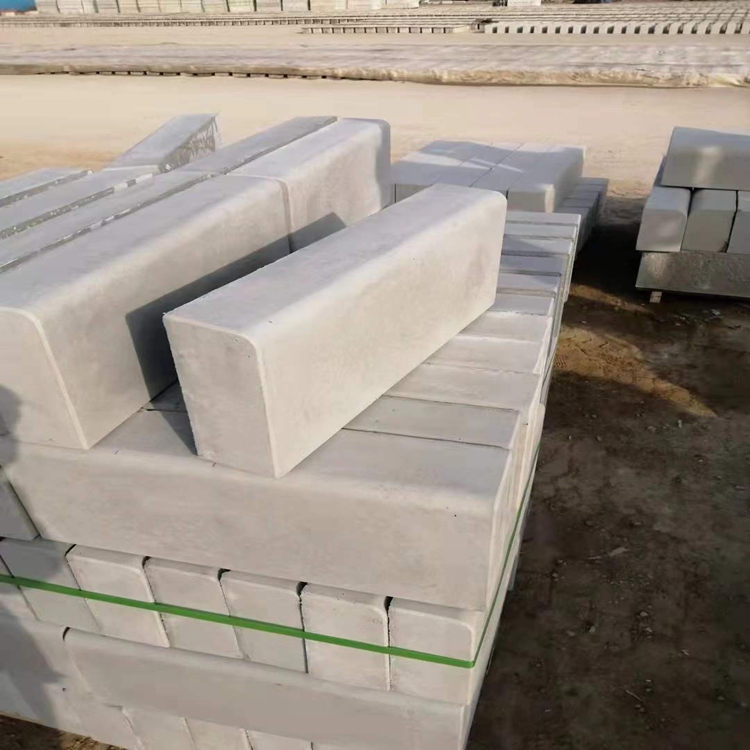
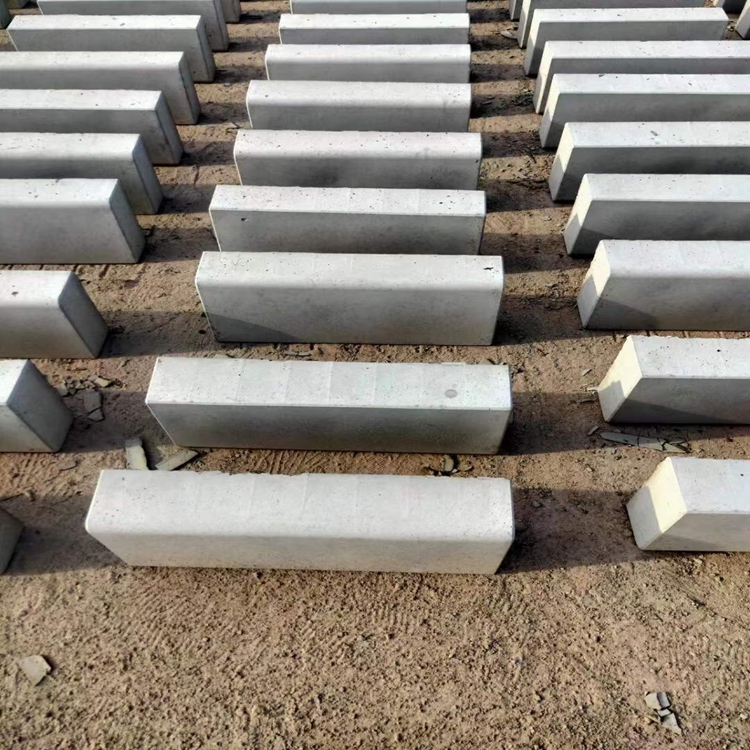
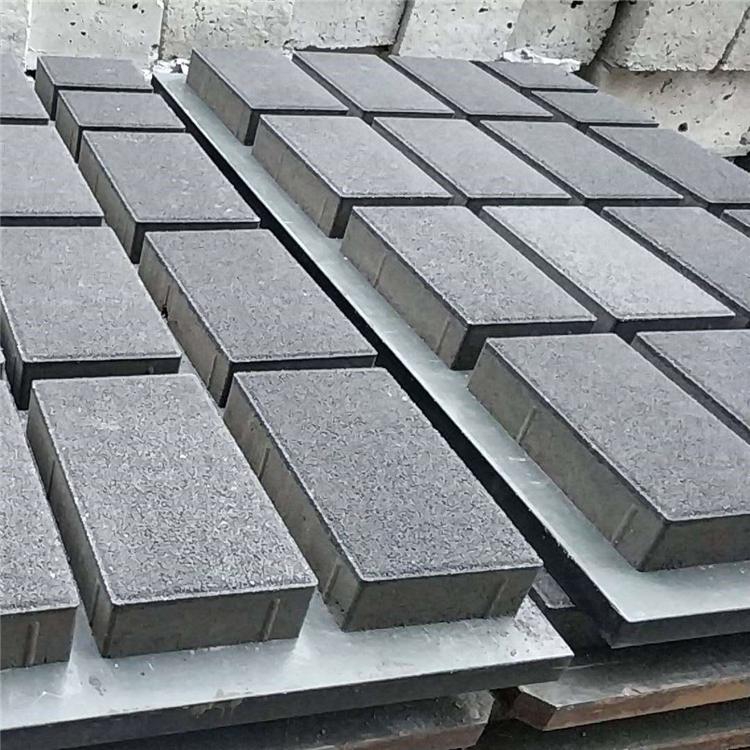
Porous bricks are a green and environmentally friendly new type of building material, primarily made from cement, sand, slag, fly ash, and other eco-friendly materials, formed under high pressure without being fired at high temperatures. The whole brick is compressed in one go, ensuring a uniform, non-layered structure. The surface is free of cracks and delamination; it has good wear resistance, does not peel off after compression, and is suitable for environments with higher load-bearing requirements. It has excellent permeability and anti-slip properties; natural and durable color; long service life; a smooth surface, clear edges, and straight lines; high frost and alkali resistance; it is not prone to cracking and has higher compressive and bending strength than similar products, ensuring safe transportation; low maintenance costs, easy to replace, and convenient for underground pipeline installation; a variety of colors and shapes, complementing the surrounding environment for a natural and beautiful appearance. The material of the surface layer varies depending on the type of porous brick. Specifically:
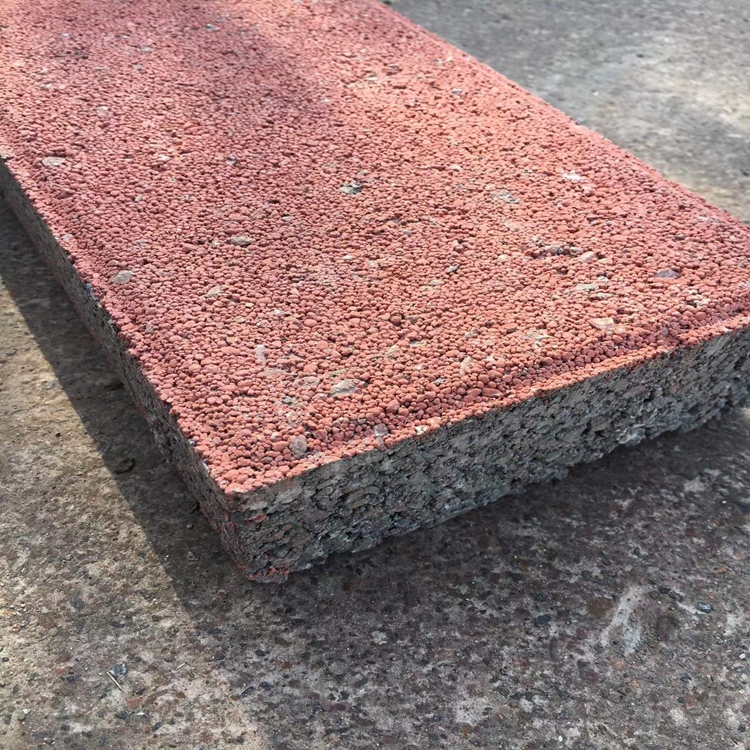
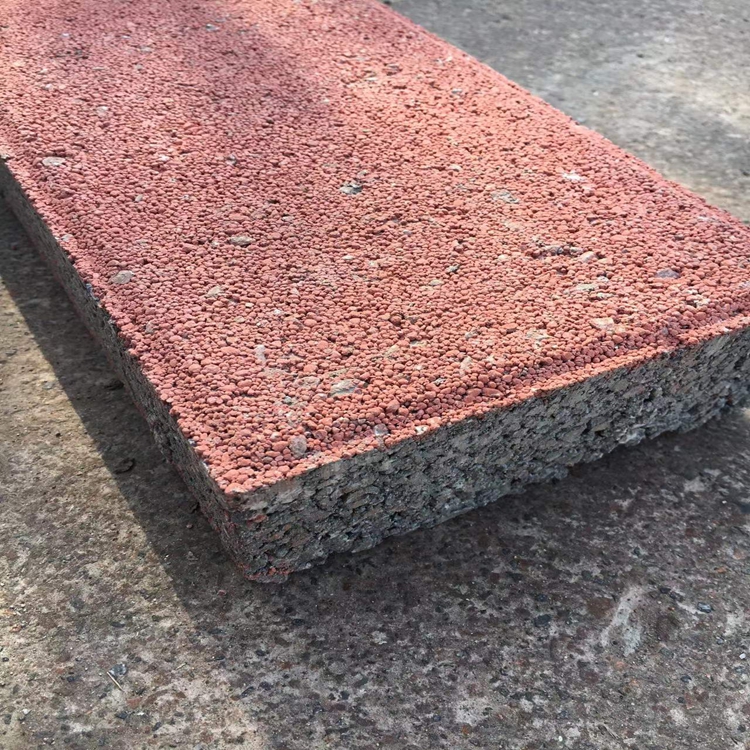
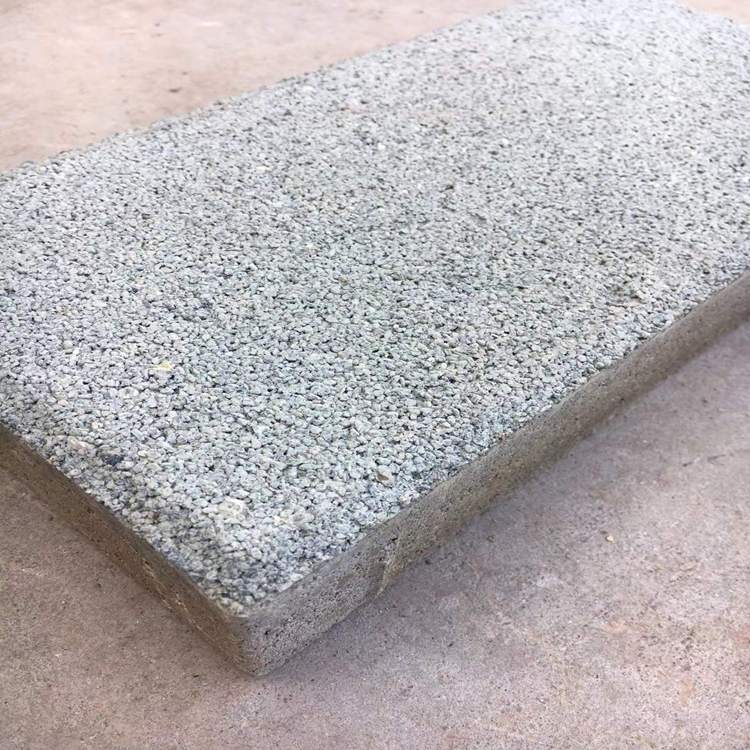
1. Standard Permeable Pavers: Porous concrete material with a surface layer made of common gravel.
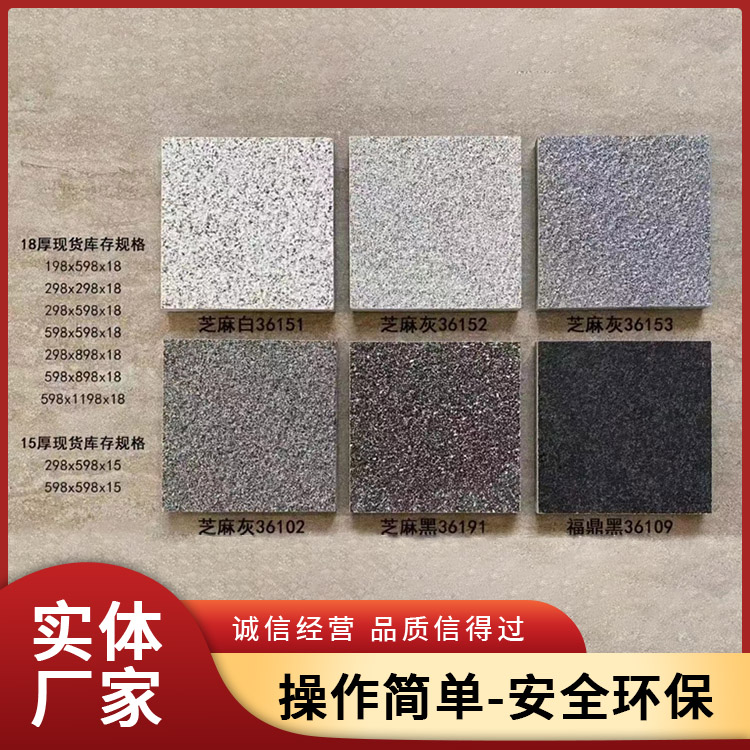
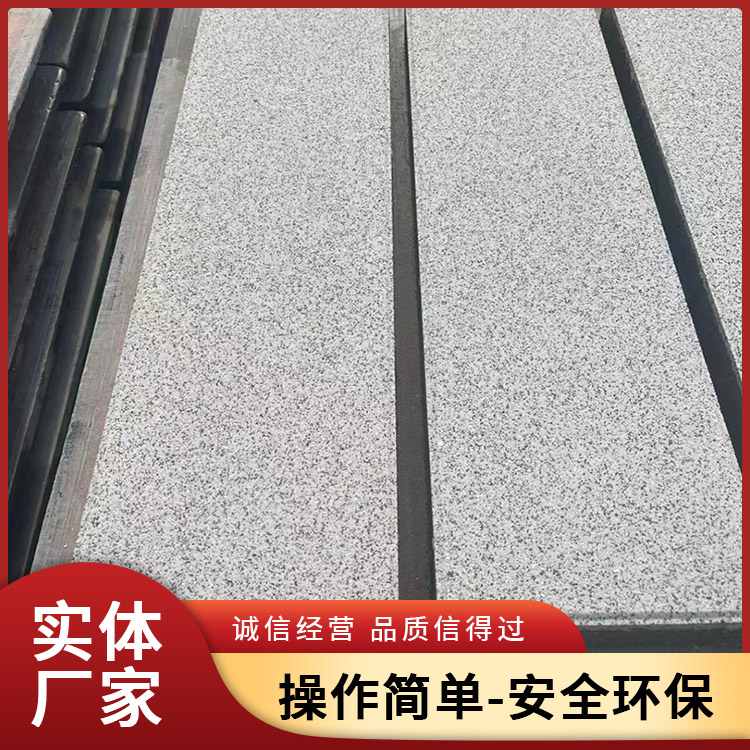
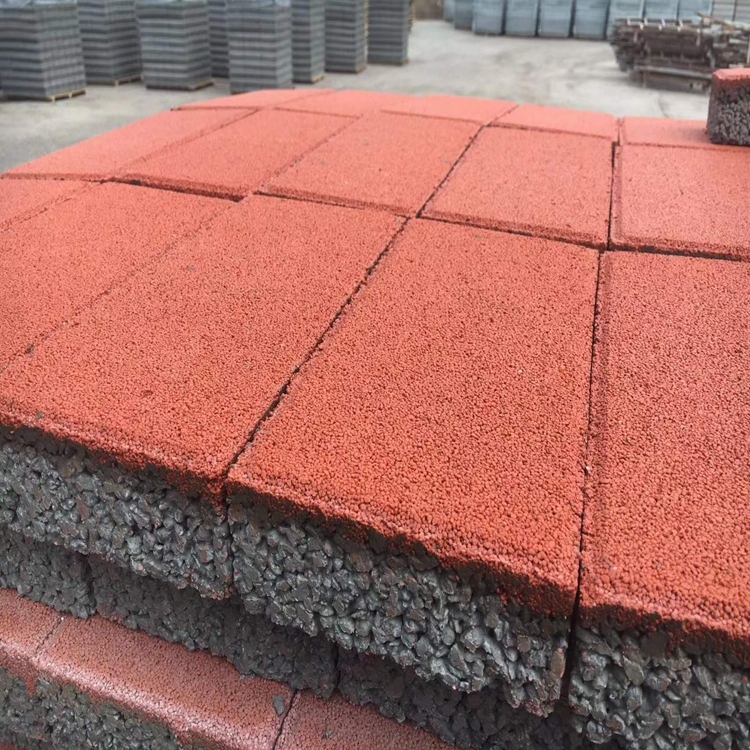
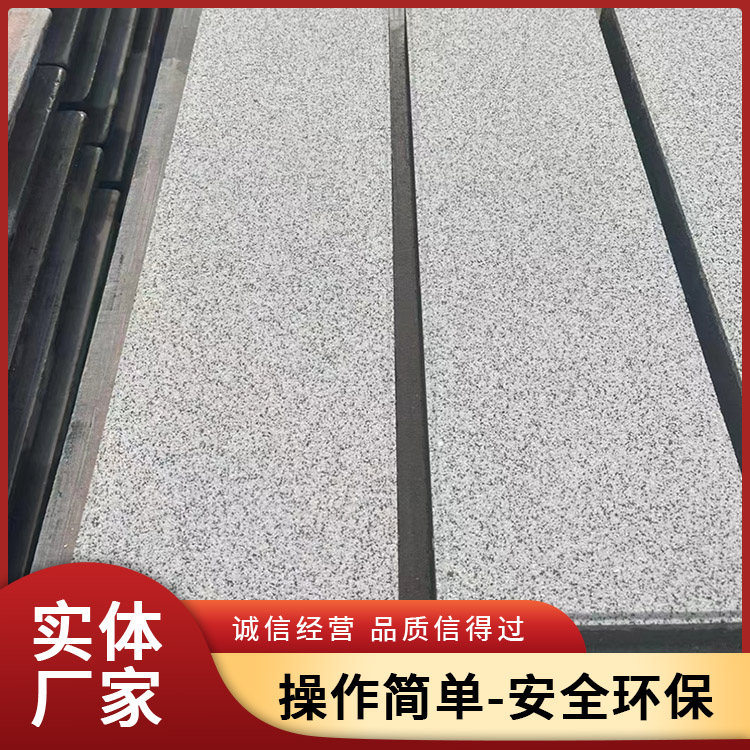
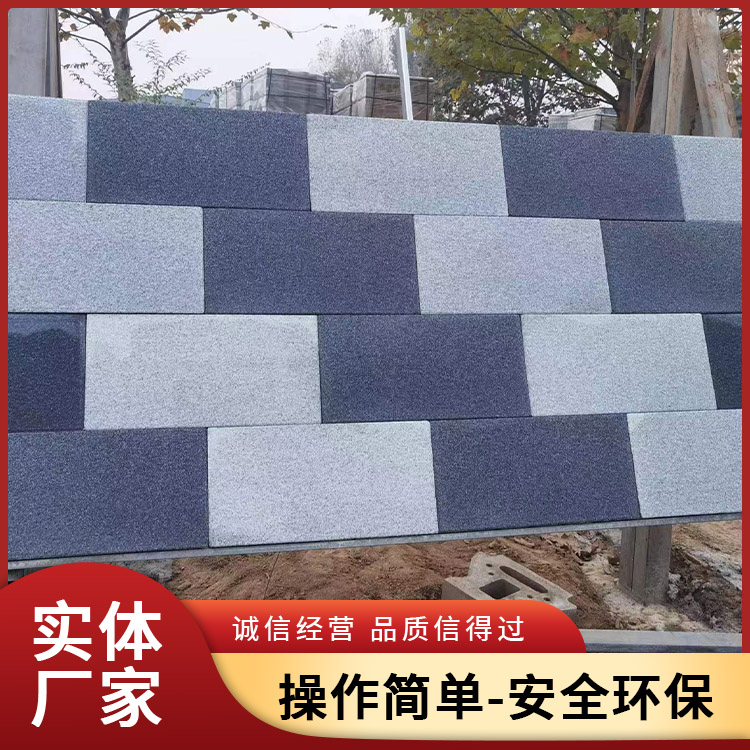
2. Polymer fiber concrete permeable bricks: Surface material is granite aggregate, with high-strength cement and cement polymer reinforcing agent.
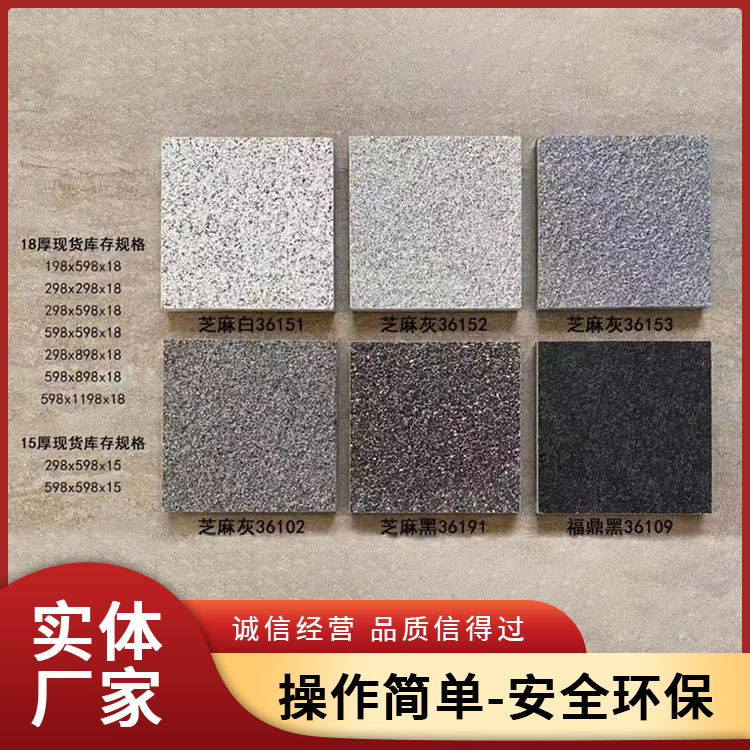
3. Colored Stone Composite Permeable Concrete Pavers: The surface material is made of natural colored granite, marble, bonded with modified epoxy resin, and then pressed and compounded with the base polymer fiber porous concrete.
Porous bricks are a groundbreaking eco-friendly building material introduced to address the urban issue of hardening ground surfaces. They are designed to create a high-quality natural living environment and maintain urban ecological balance. These bricks feature characteristics such as retaining ground permeability and moisture retention, anti-slip, high strength, frost resistance, resistance to weathering, noise reduction, and sound absorption.