









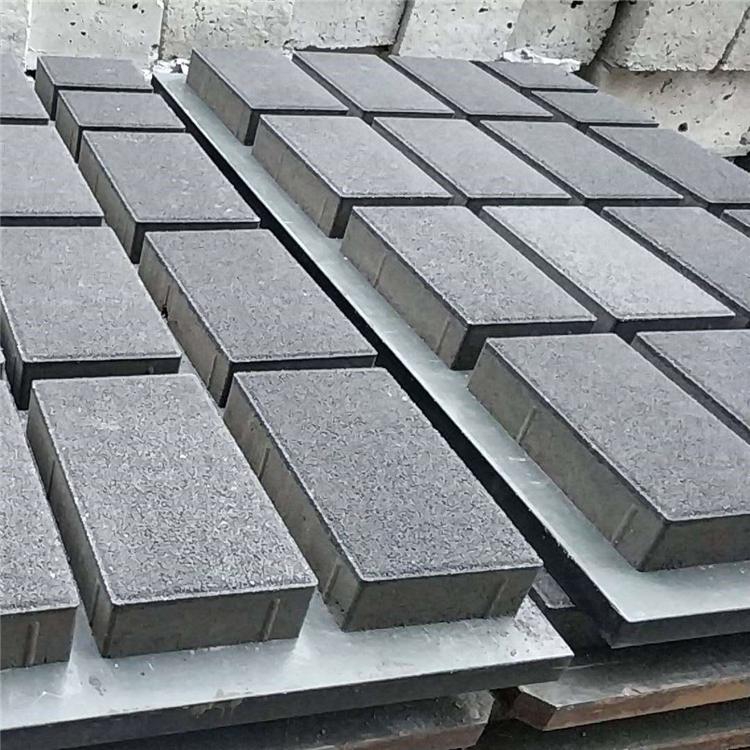
The difference between ceramic permeable pavers and regular permeable pavers
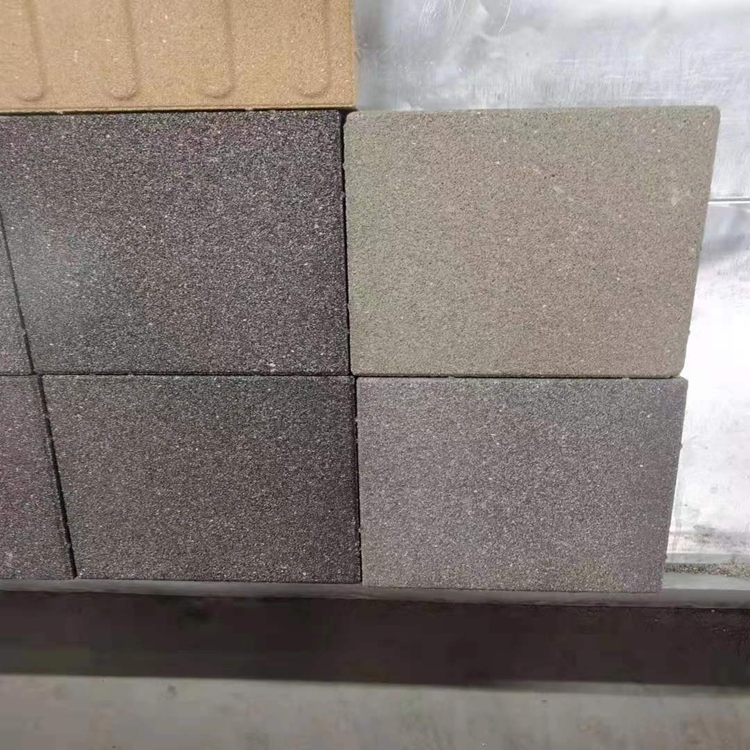
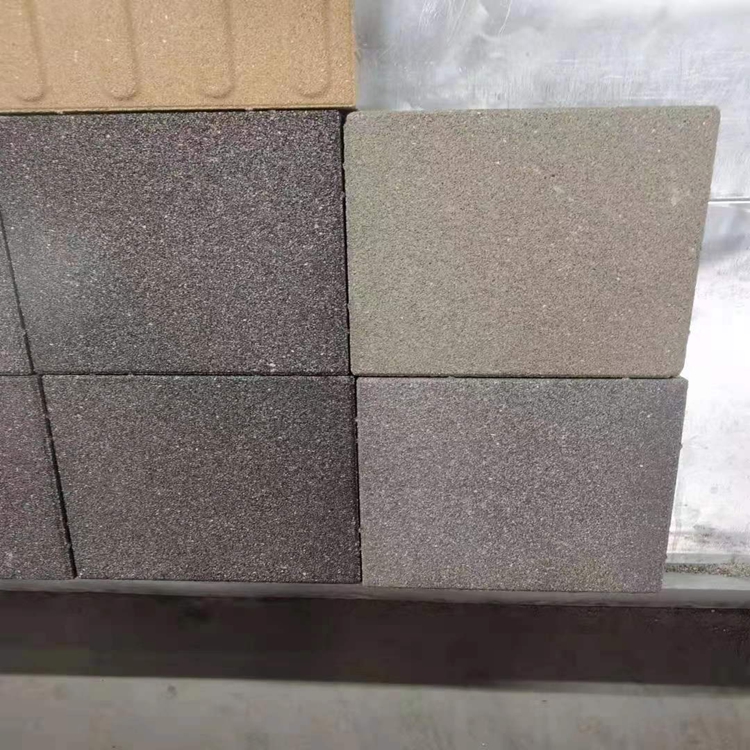
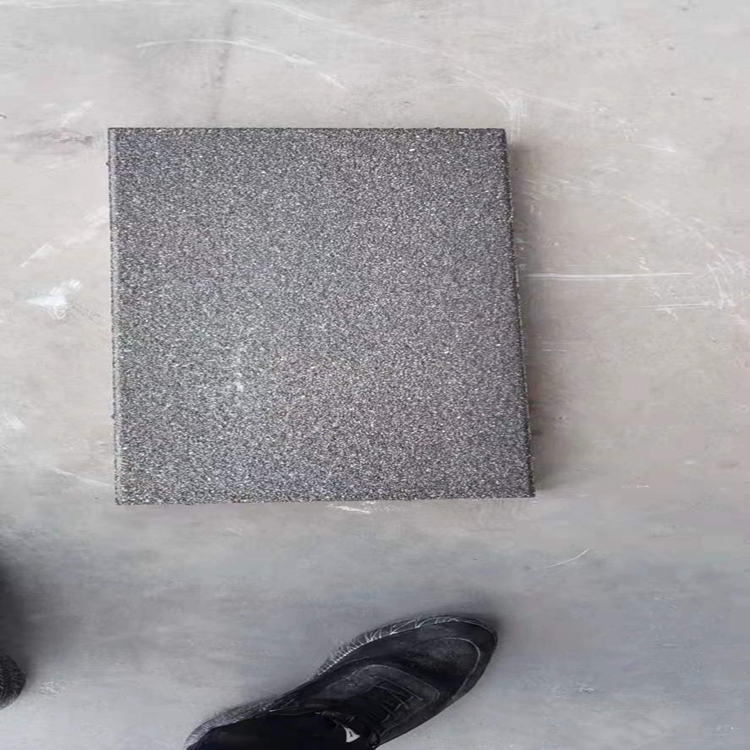
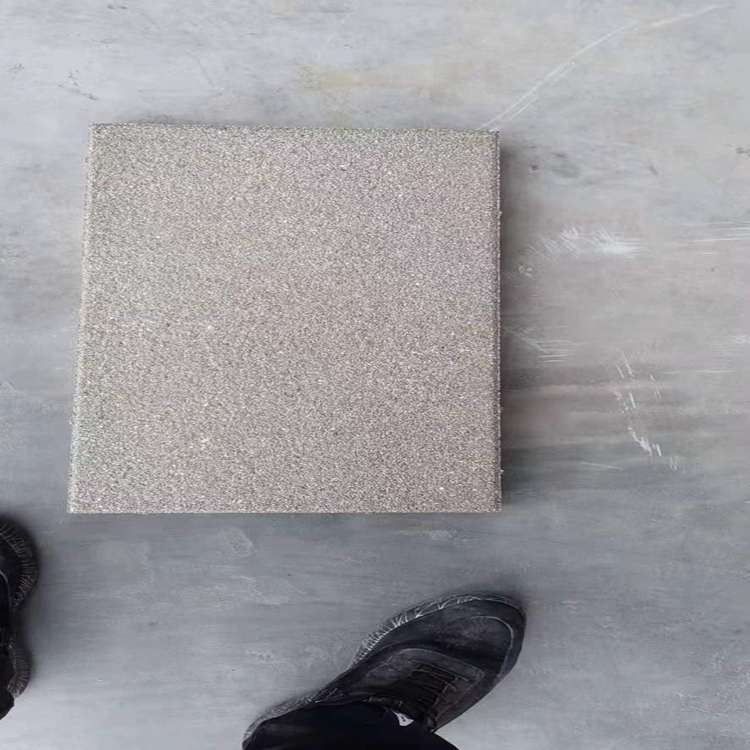
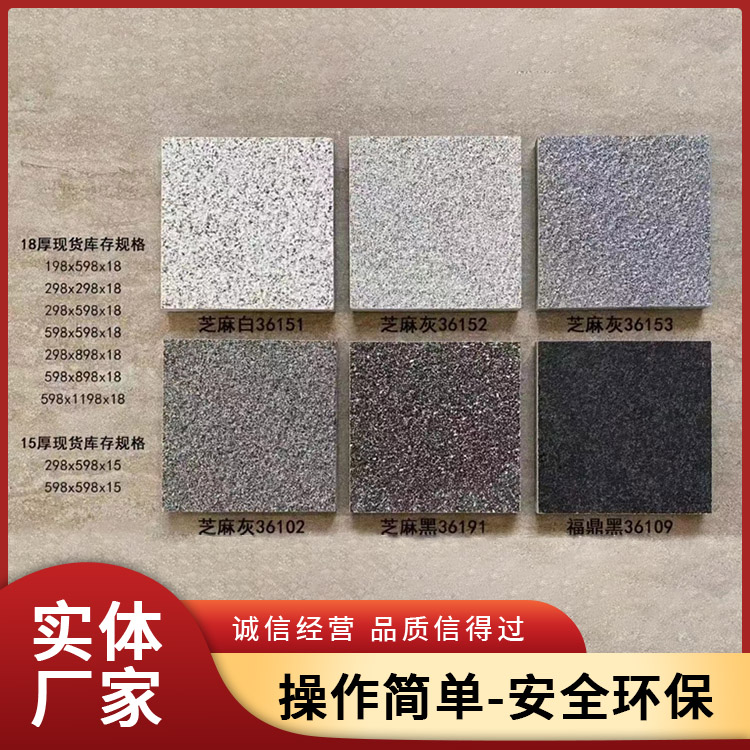
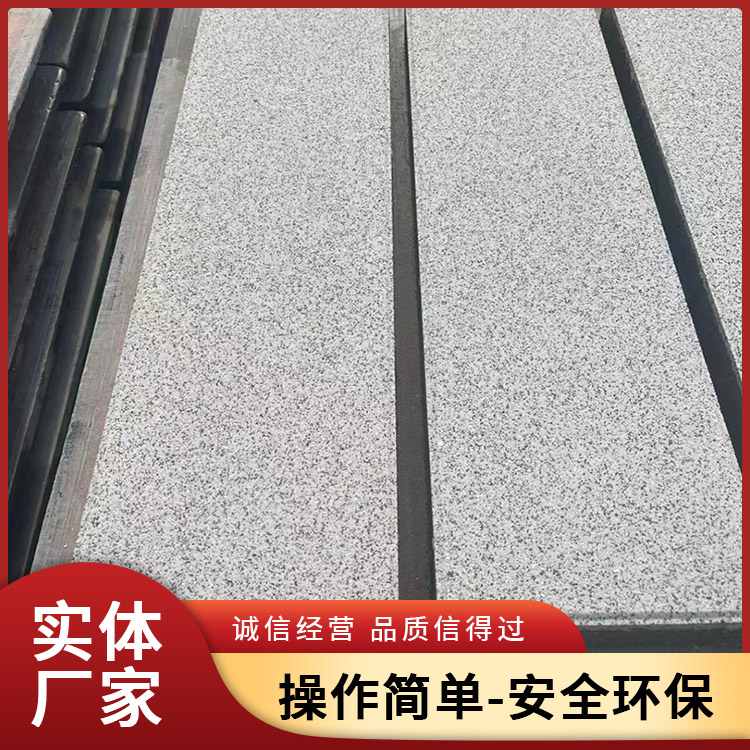
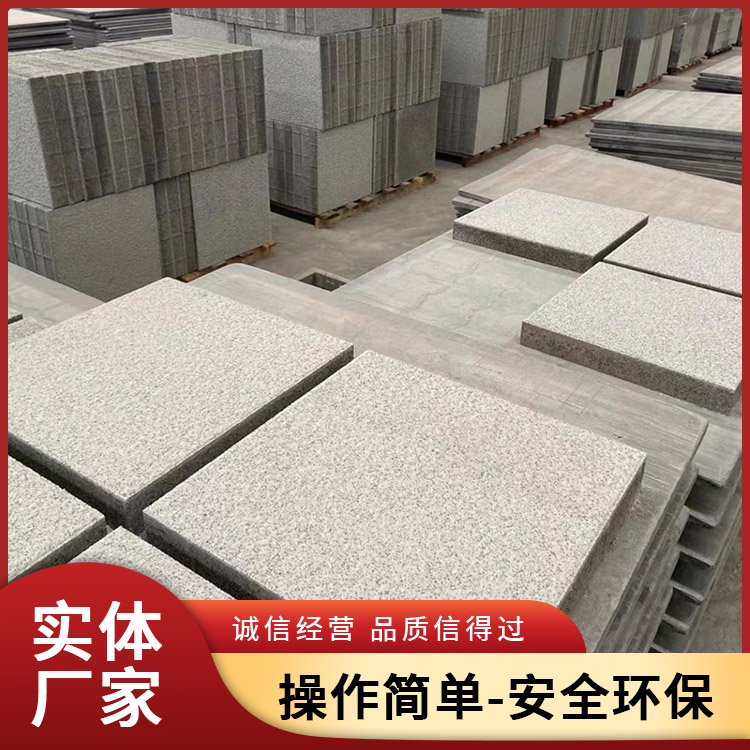
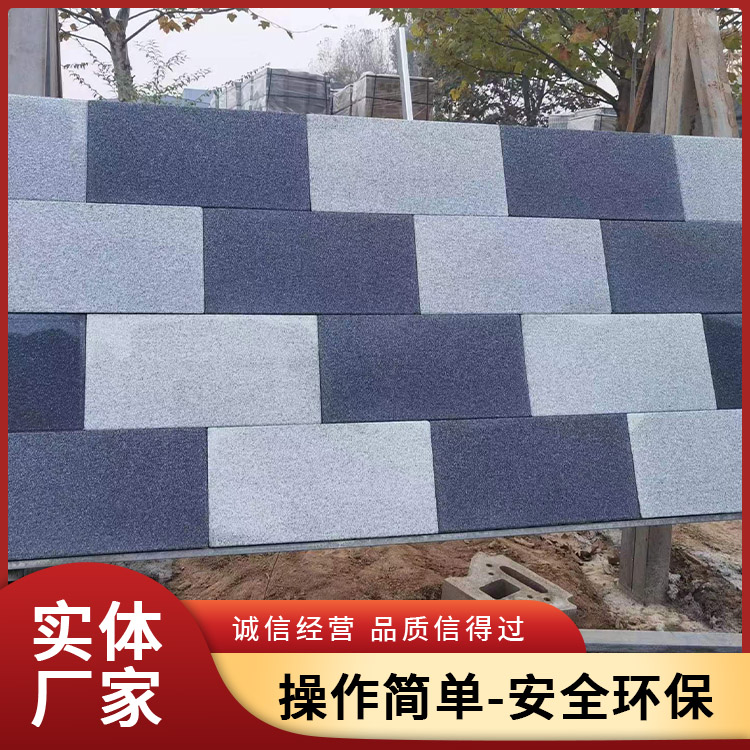
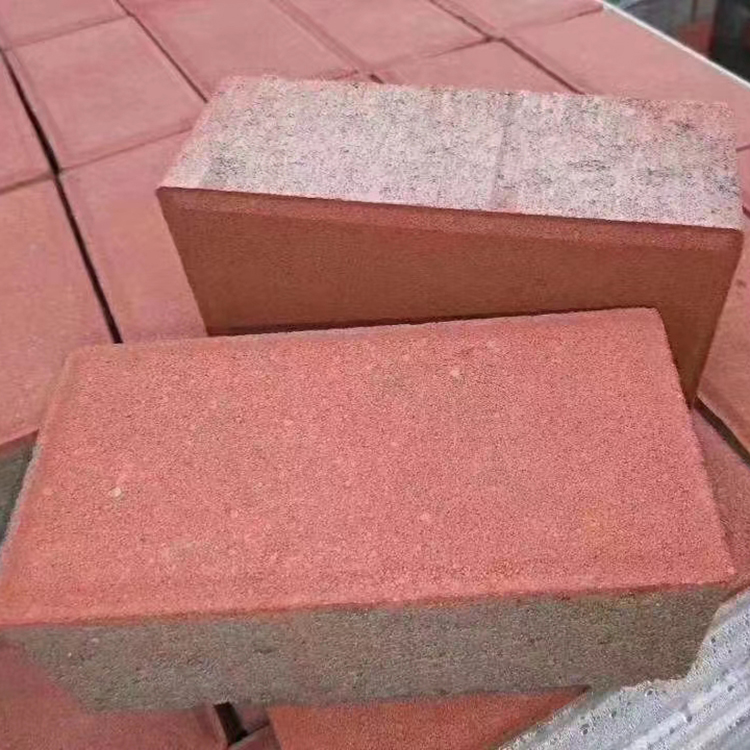
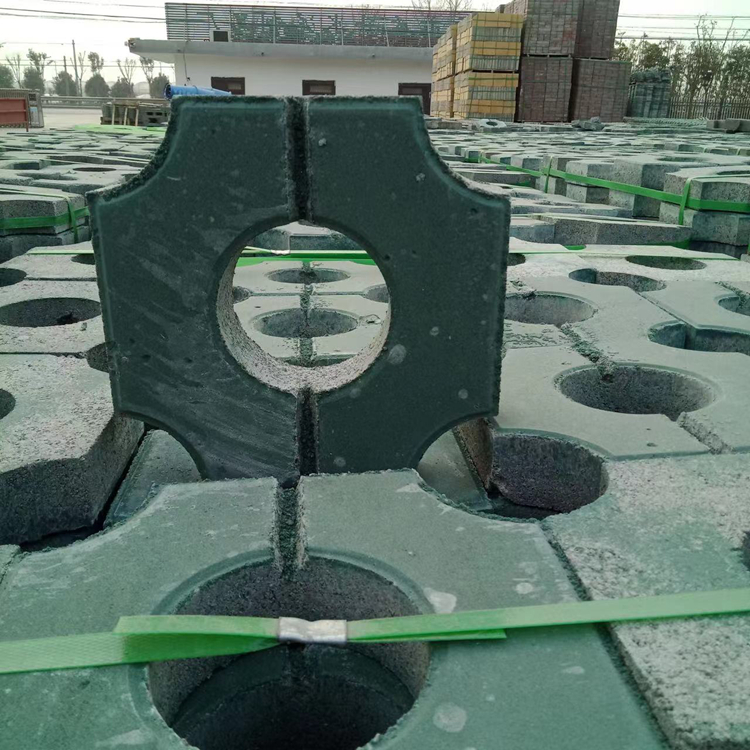
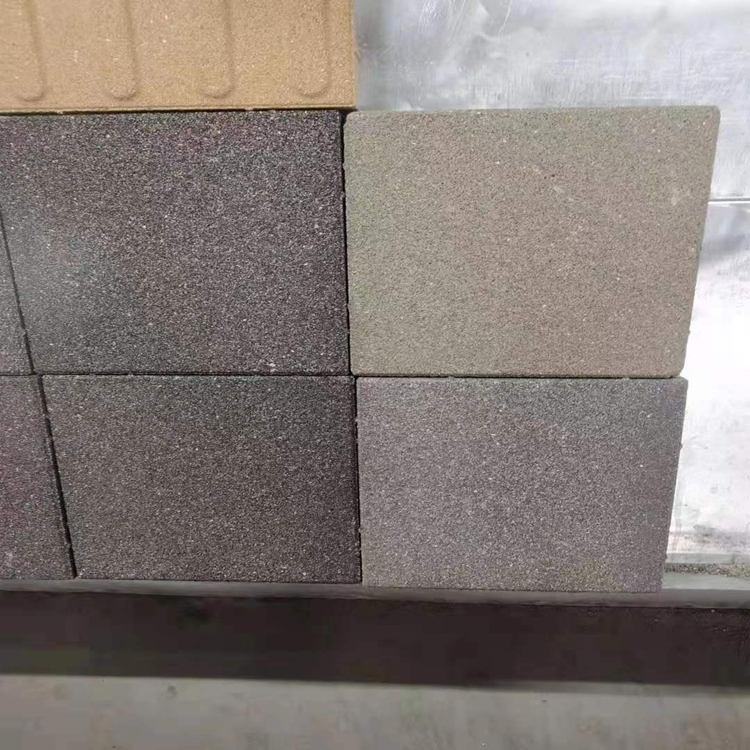
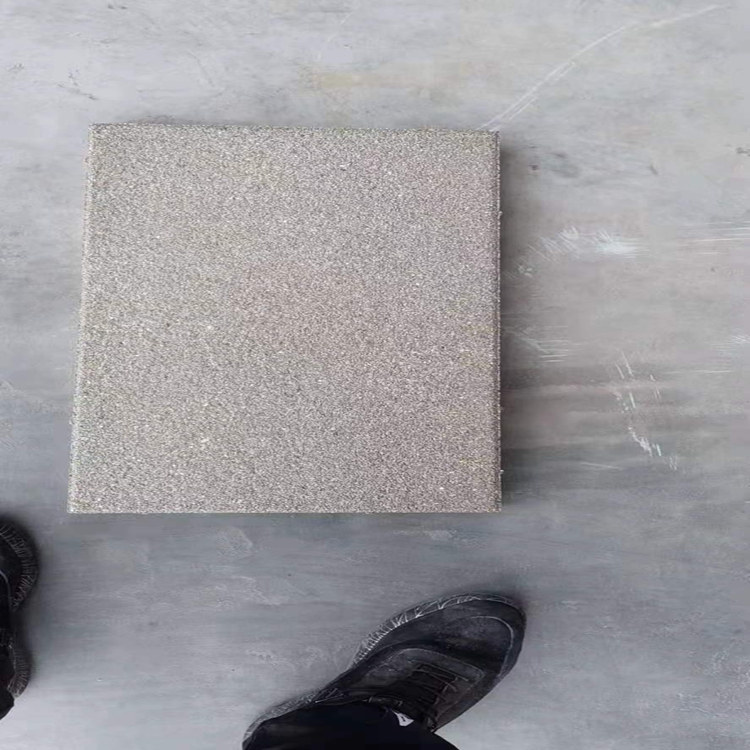
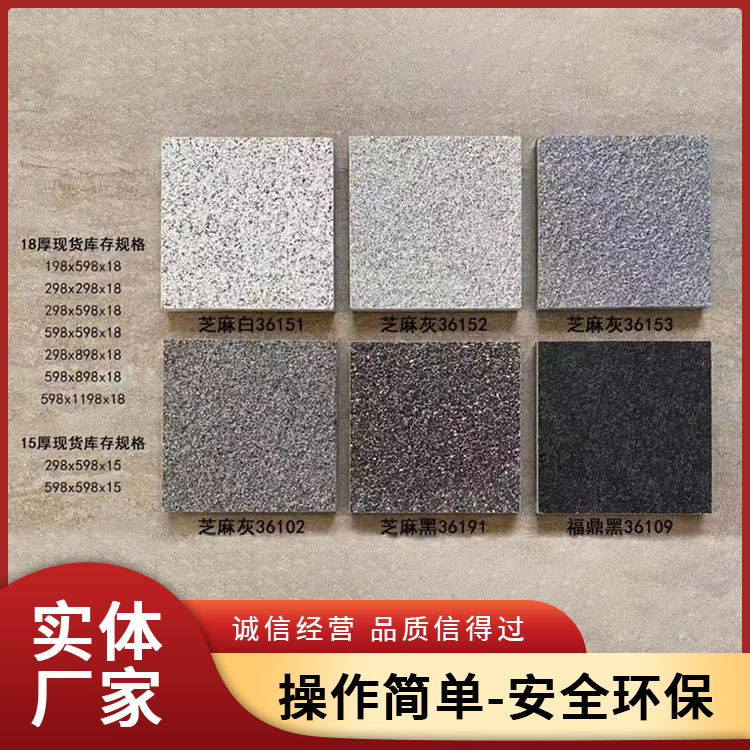
Ceramic permeable bricks are made by screening and selecting ceramic raw materials, organizing a reasonable particle gradation, adding binder, and then undergoing the molding, drying, and high-temperature sintering process to form permeable building materials. Compared to ordinary permeable brick products, the differences between the two can be understood from the following aspects.
Good permeability: The ceramic permeable bricks use a reasonable particle grading, allowing for quick passage of rainfall from light to moderate intensity.
2. High strength: The product is fired at a high temperature of 1200-1300°C, with the bonding formed by the physical melting of particles after cooling, resulting in a very high strength, usually greater than 45 MPa.
3. Excellent frost-thaw resistance: Due to the large inter-particle pores and sintered bonding, it offers good resistance to freezing and thawing in northern regions. Effectively solves the problem where permeable cement permeable bricks have poor frost-thaw resistance, while those with good frost-thaw resistance are not permeable.
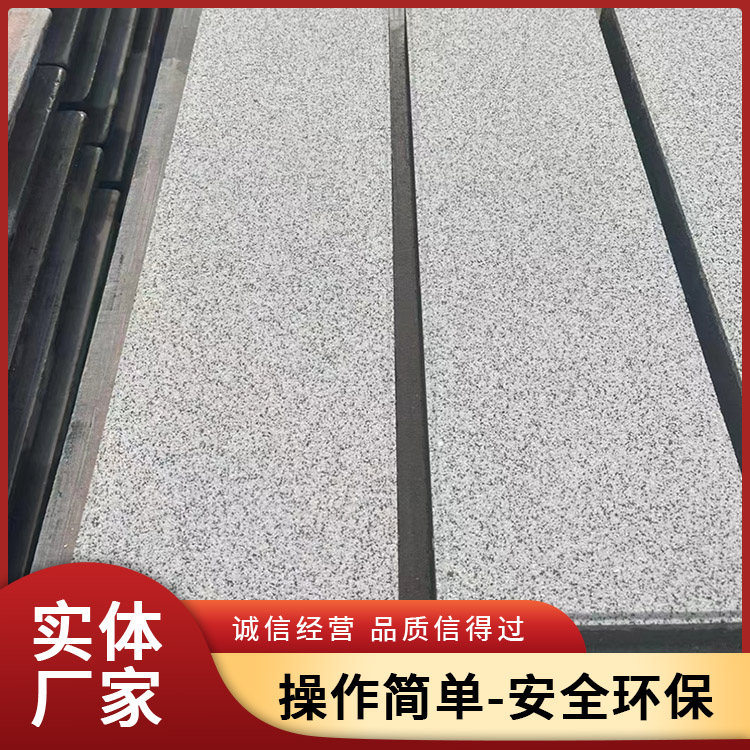
4. Excellent anti-slip performance: The ceramic permeable paver has a coarse surface with good water permeability, allowing quick rain penetration. Post-rain and post-snow, there is no water accumulation or ice formation, ensuring superior anti-slip properties.
5. Excellent Eco-friendly Performance: Can be produced using industrial waste materials such as ceramic waste, sewage sludge particles, waste refractories, and over-fired gangue, and is reusable. After crushing, it can be re-fired into bricks.
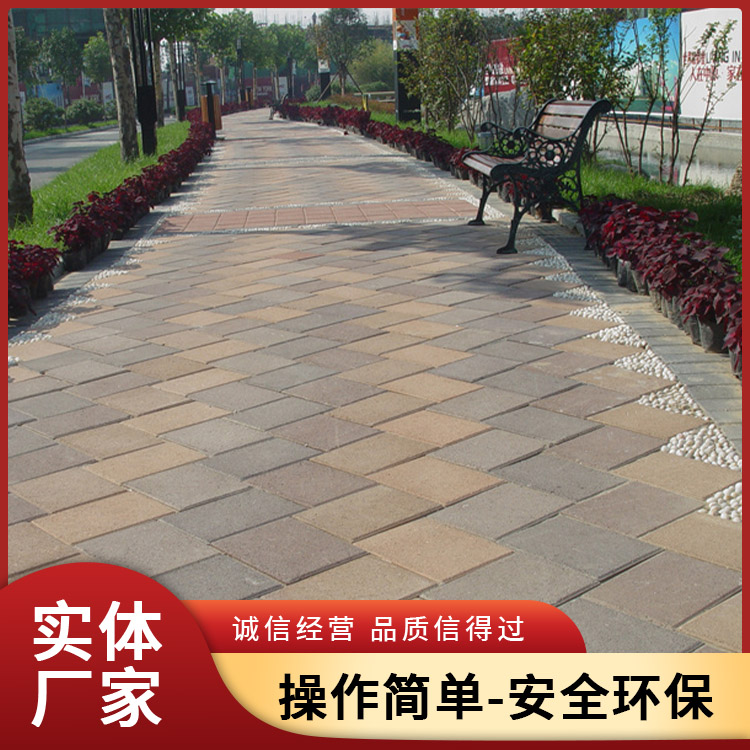
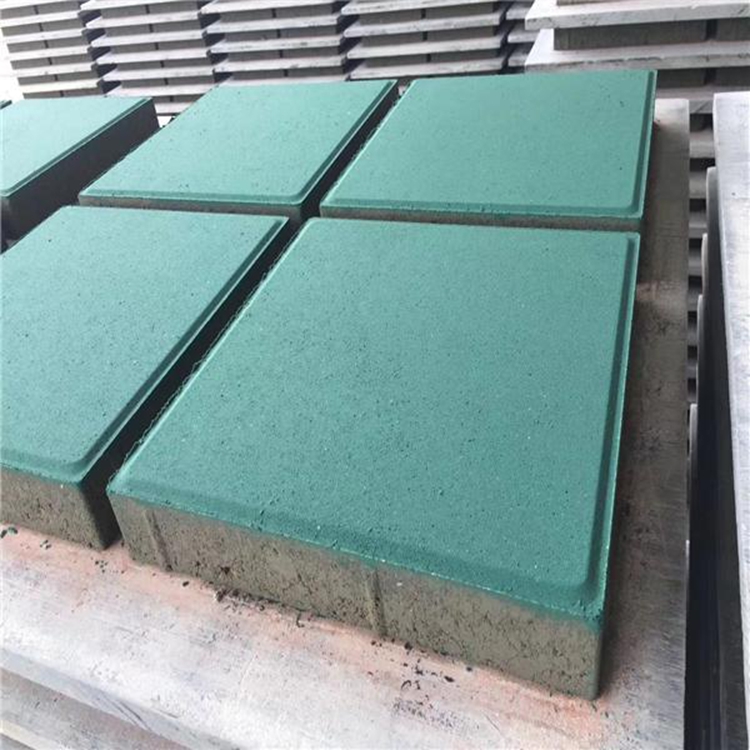
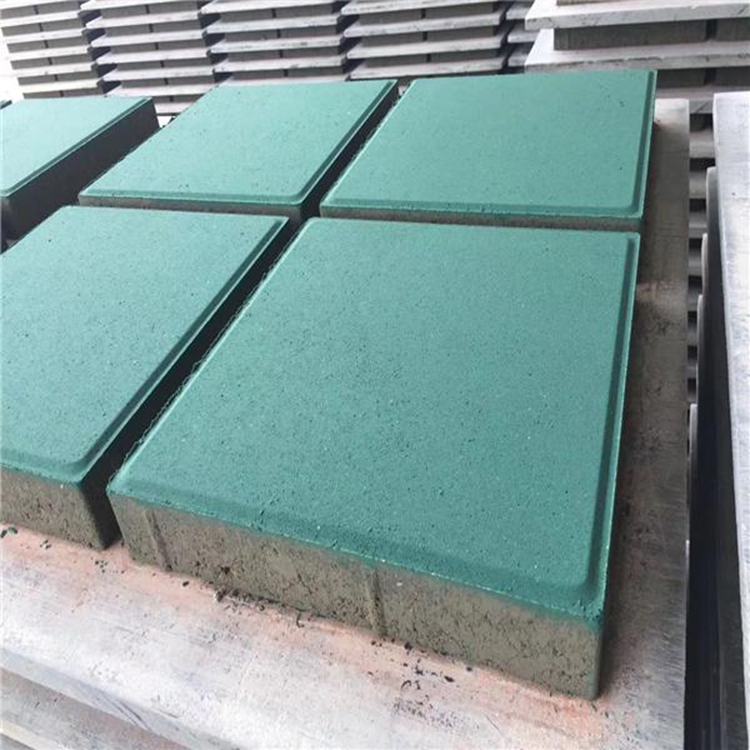
Common Permeable Pavers: These are porous concrete materials formed from ordinary crushed stone, used for general street pedestrian walkways and squares, and are a standard paving product. In terms of permeability, strength, aesthetics, and lifespan, they do not have the advantages of ceramic permeable pavers.
The comparison between the two is quite clear. Ceramic permeable bricks have a significant advantage, not only offering high permeability, making them excellent building and refractory materials, but also being recyclable, making them an environmentally friendly tile.