








Where is it best to use permeable bricks?
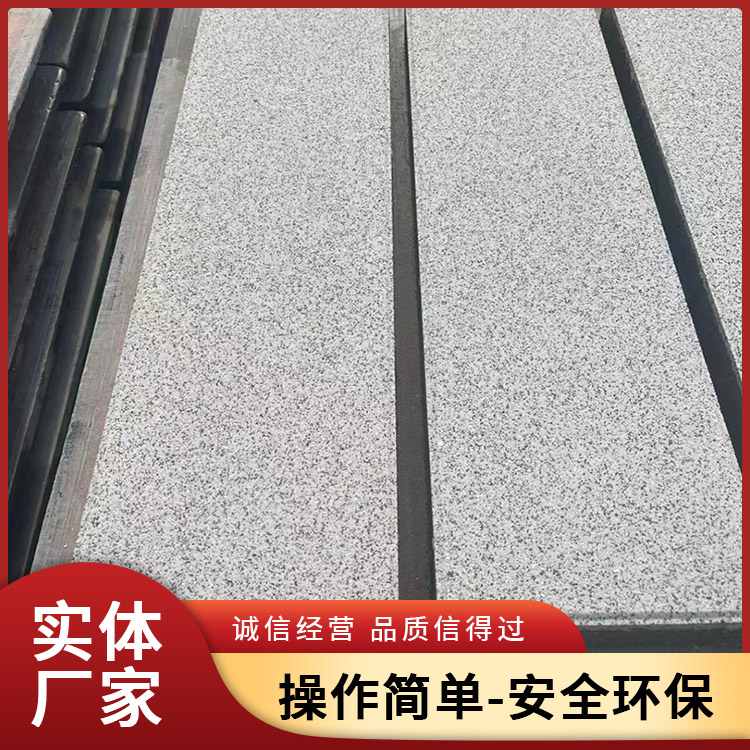
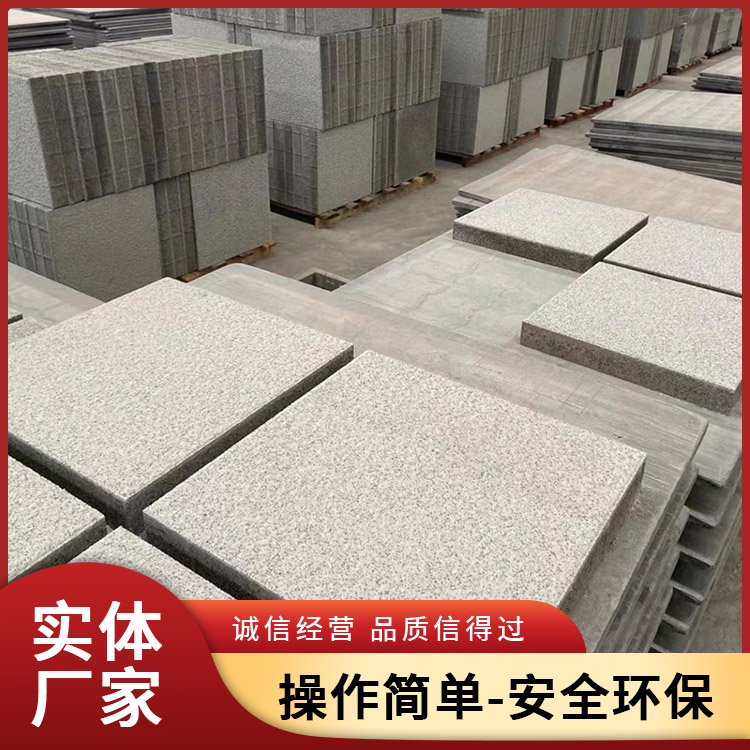
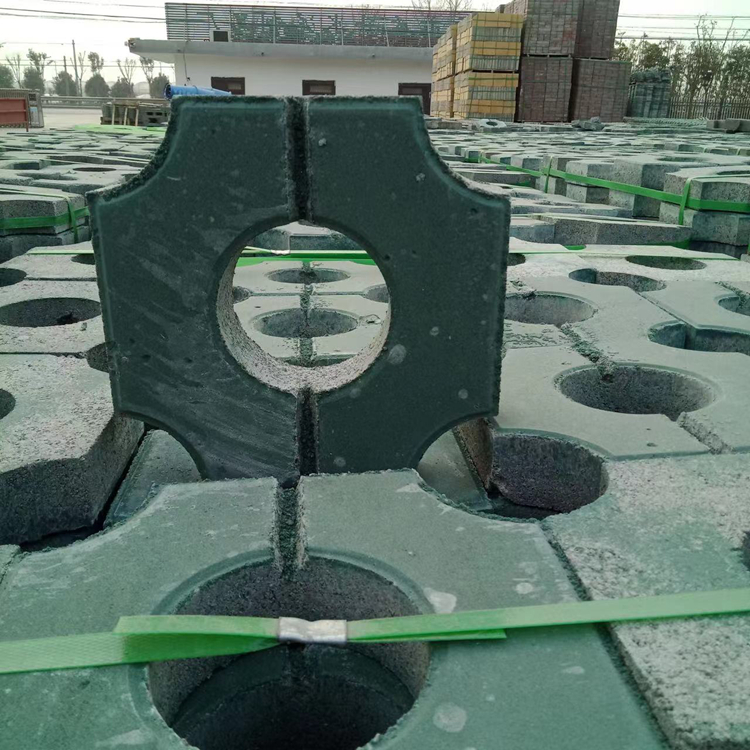
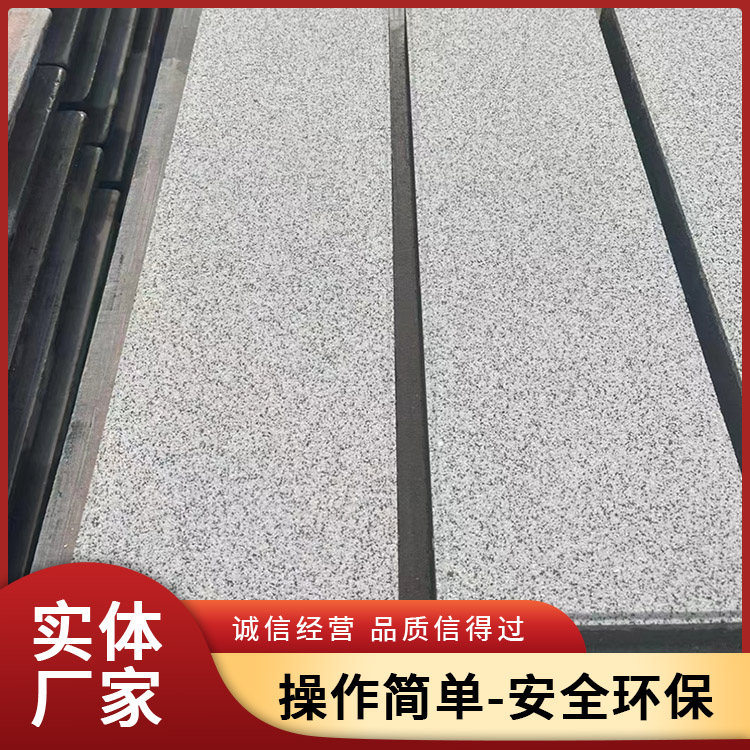
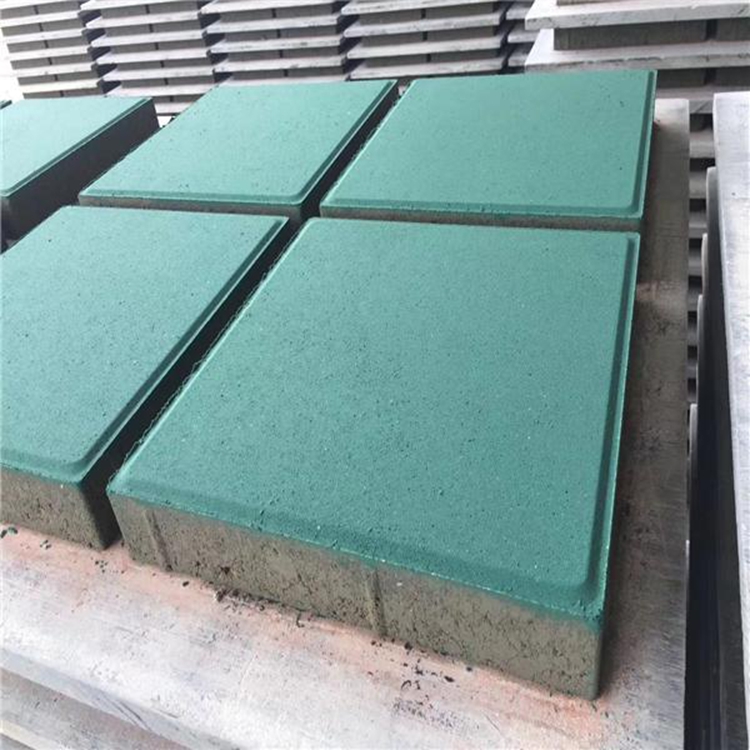
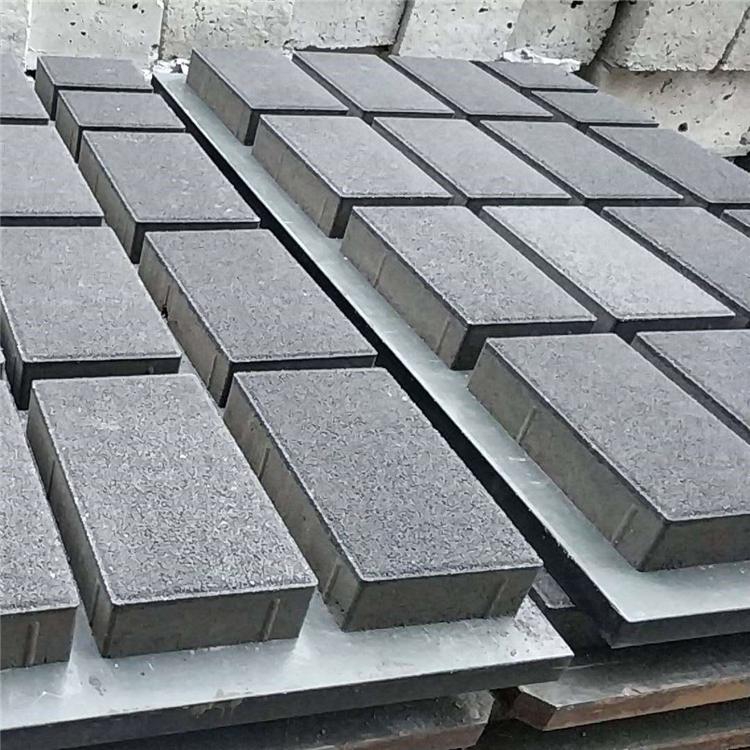
Now, many places have concrete road surfaces, which can reduce dust pollution in cities. However, concrete road surfaces are characterized by their hardness, poor permeability, and susceptibility to damage. Permeable bricks greatly address the issue of poor permeability.
1. Fast water permeability.
According to data, the permeability rate of sponge bricks is 780 kg of water per cubic meter per hour, which is quite fast. Even when it rains, water on the ground is absorbed quickly, and there's never a problem with excessive water accumulation on the road. 2. Frost-resistant and anti-slip.
Cushion bricks have a significant advantage: water that falls on them won't freeze, so you don't have to worry about the ground being damaged by frost in winter. Moreover, elderly people and children are less likely to slip on them compared to regular concrete surfaces, which tend to freeze and become slippery during the winter.
3. Long lifespan.
The typical lifespan of a standard permeable brick is 10 years, after which it is no different from regular bricks. However, the lifespan of a sponge brick is 30 years, three times that of the permeable brick.
4. Good decorative properties.
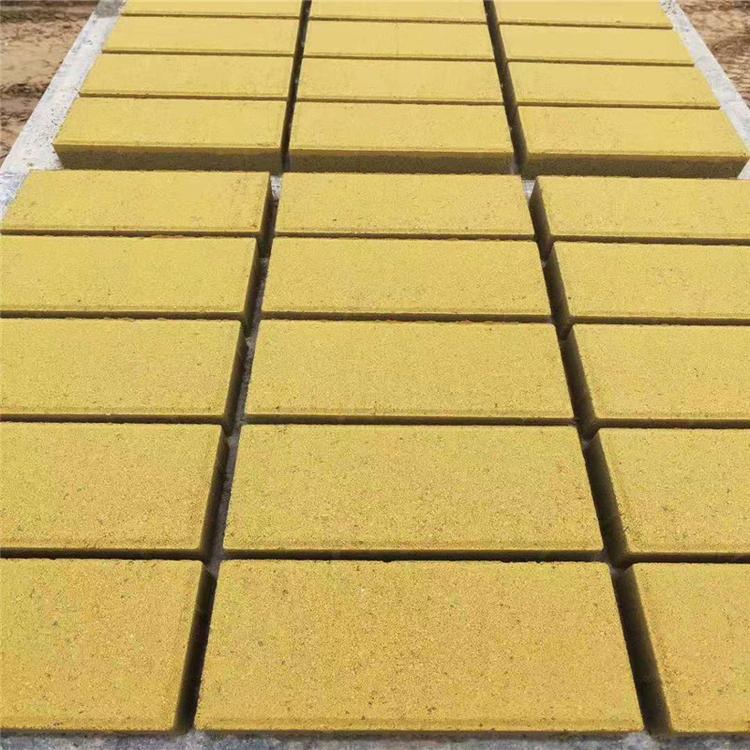
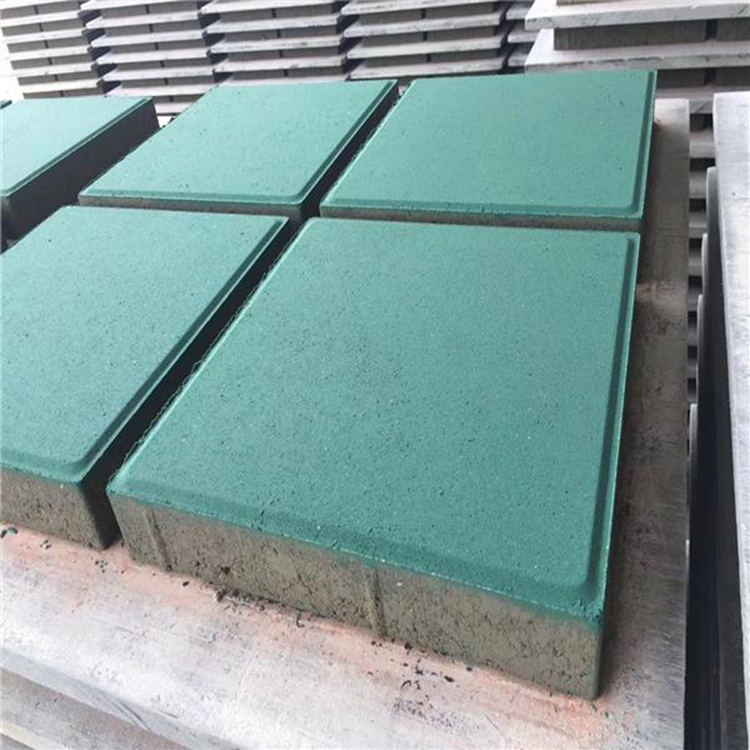
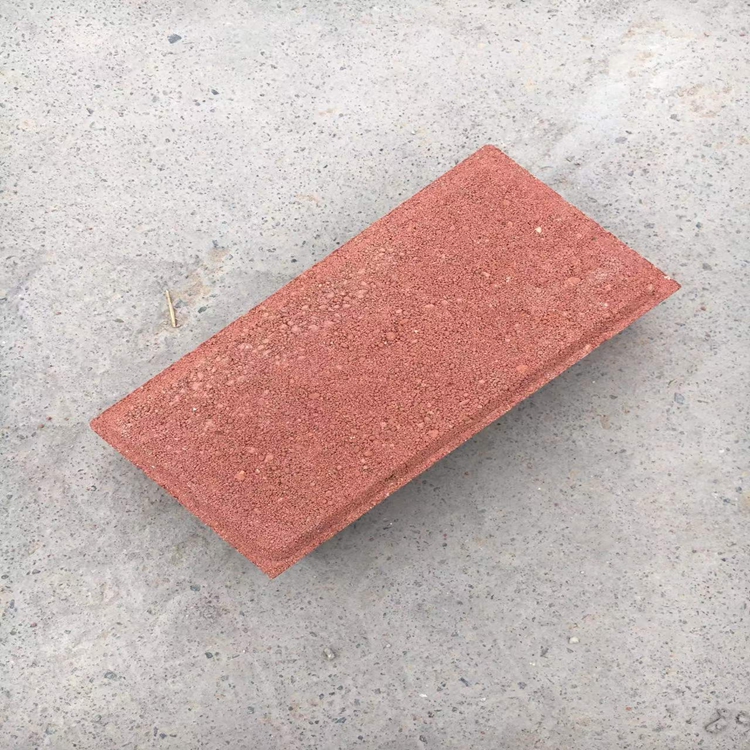
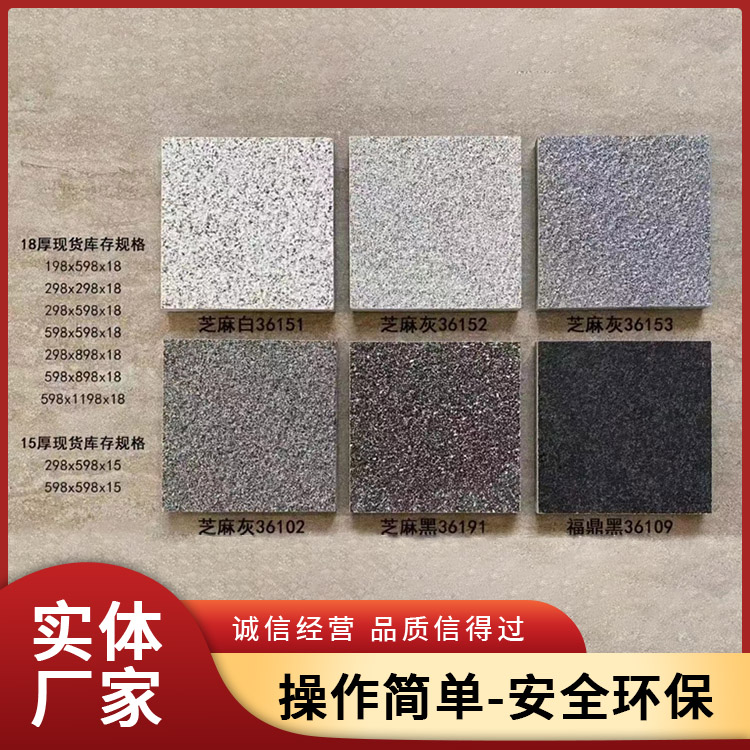
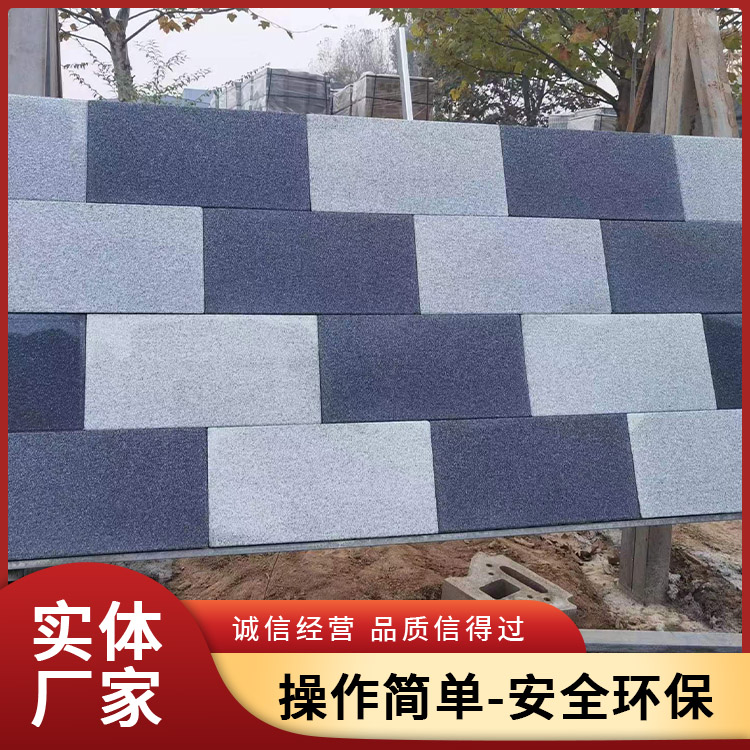
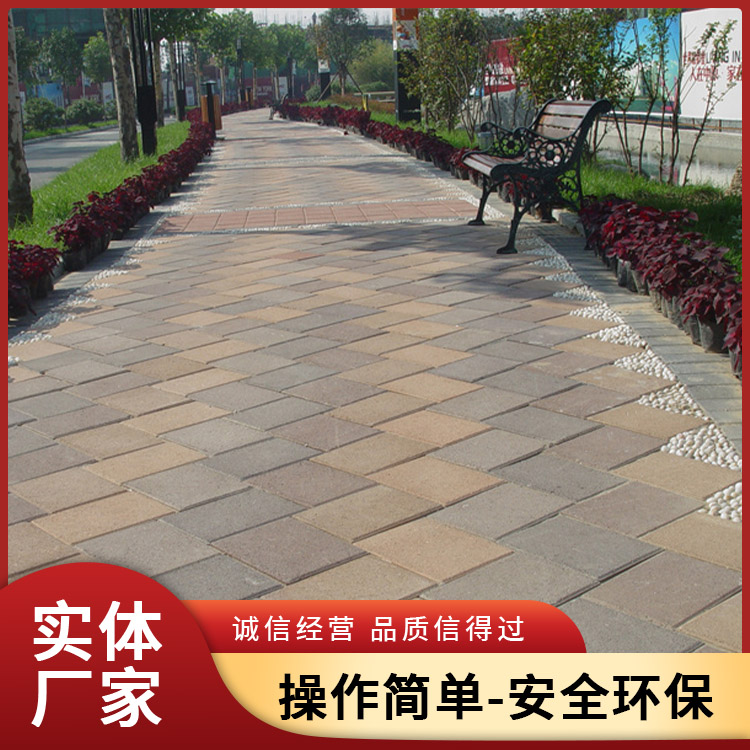
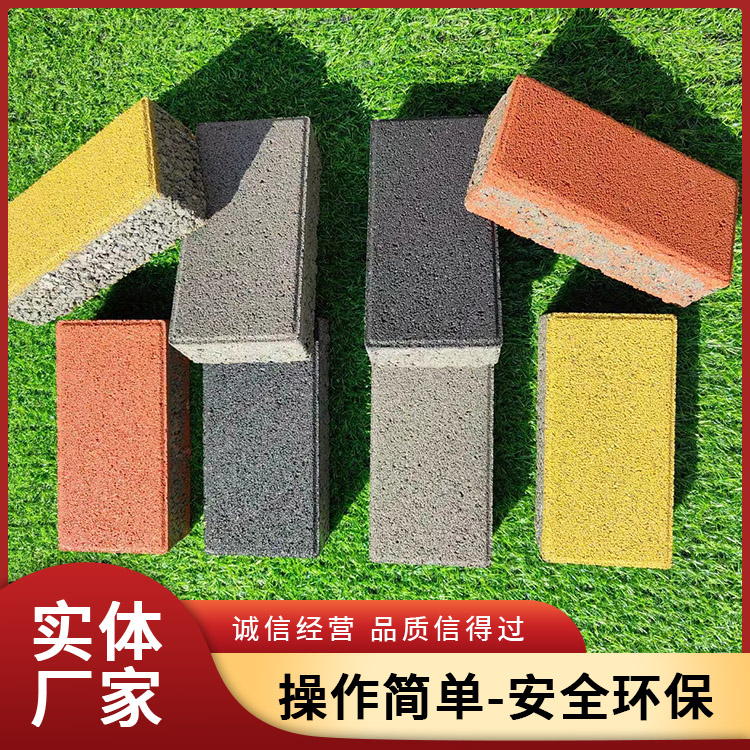
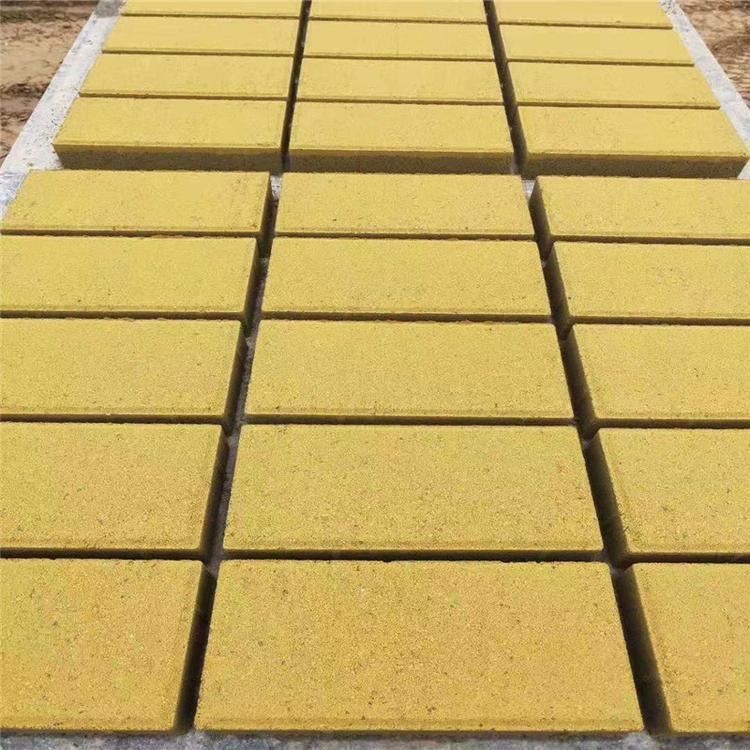
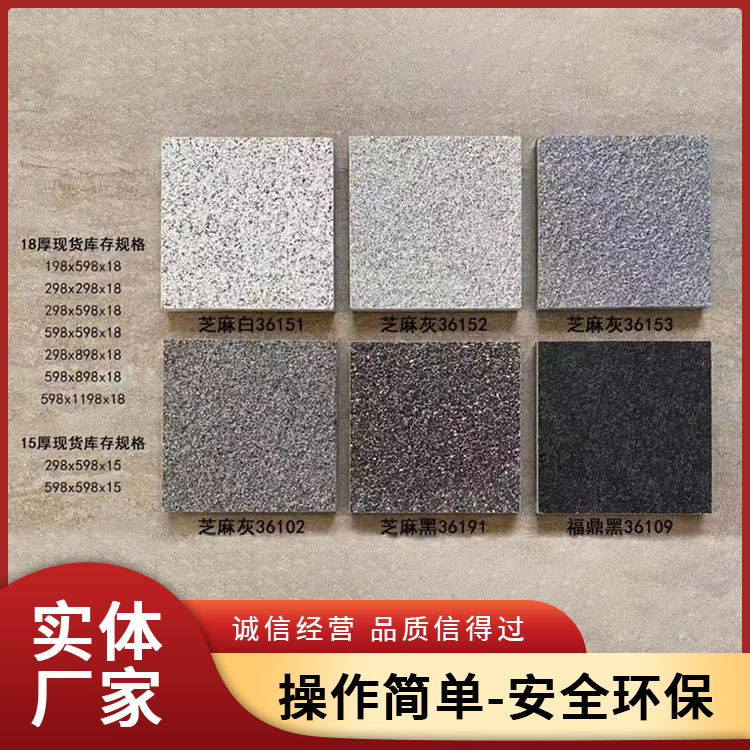
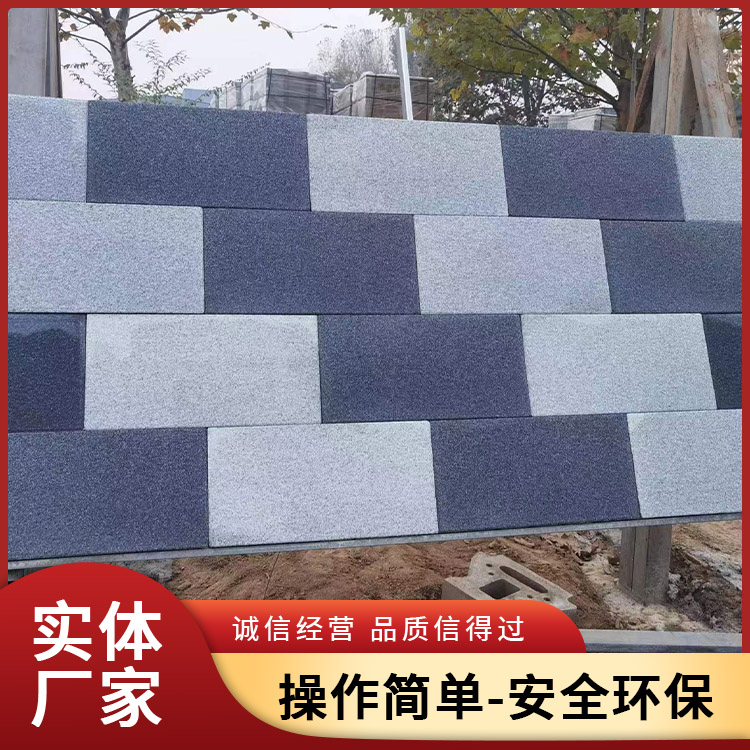
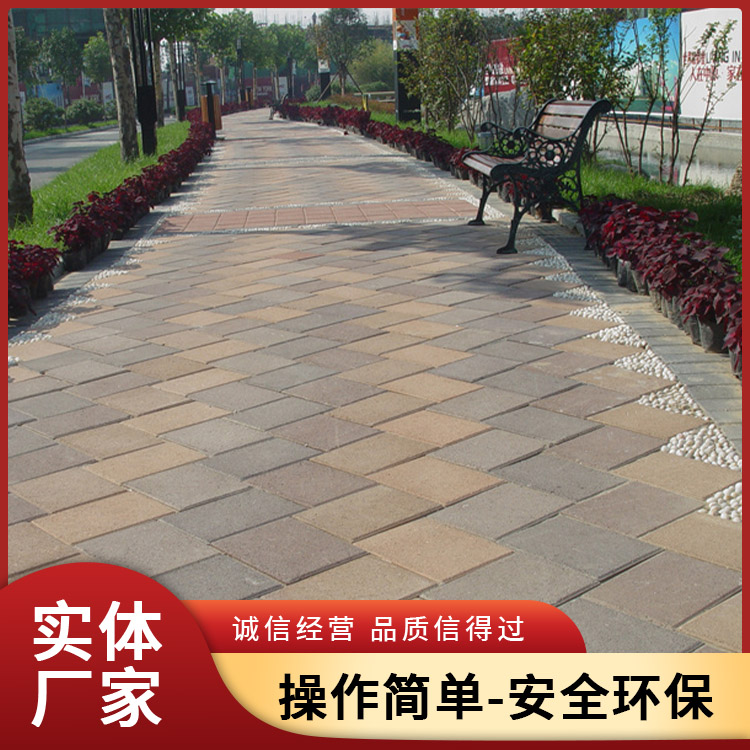
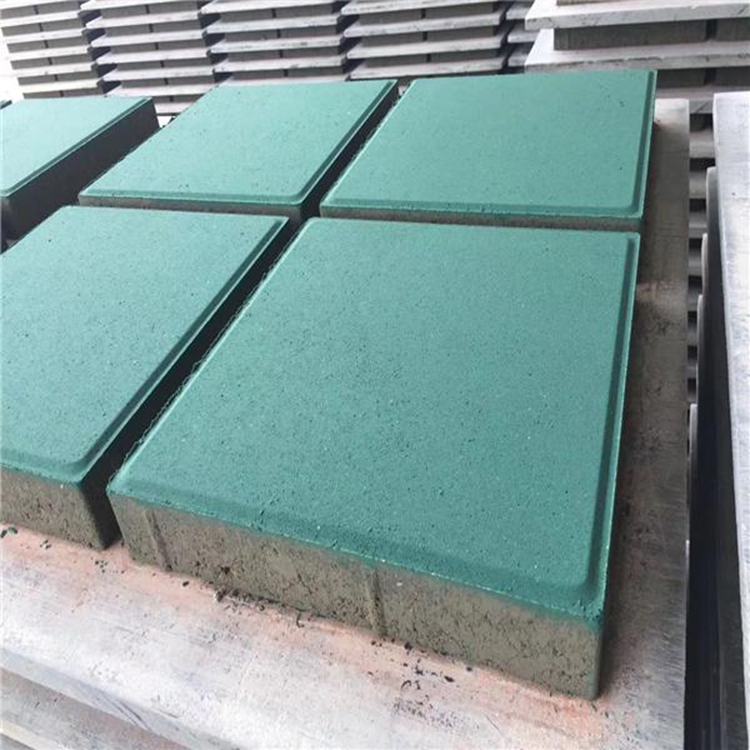
Compared to regular cement floors, Guangxi's sponge bricks offer a wider variety of colors and sizes. They are perfect for standalone houses, as they provide both a lack of water in the backyard and an aesthetically pleasing look.