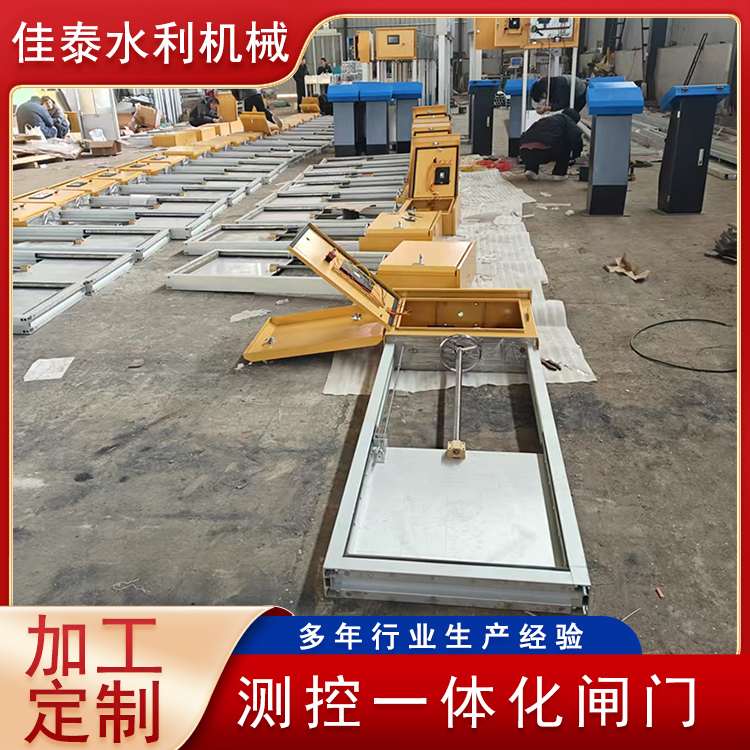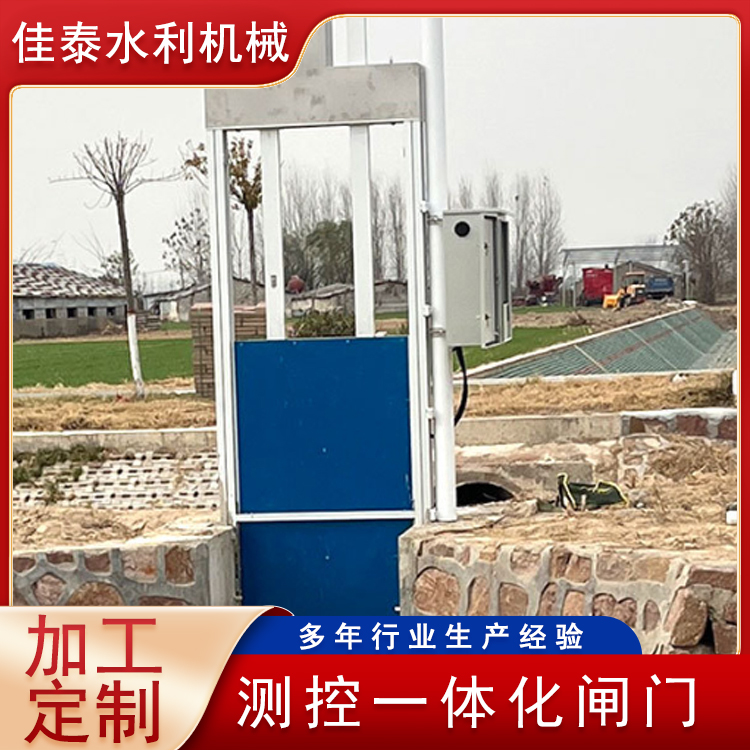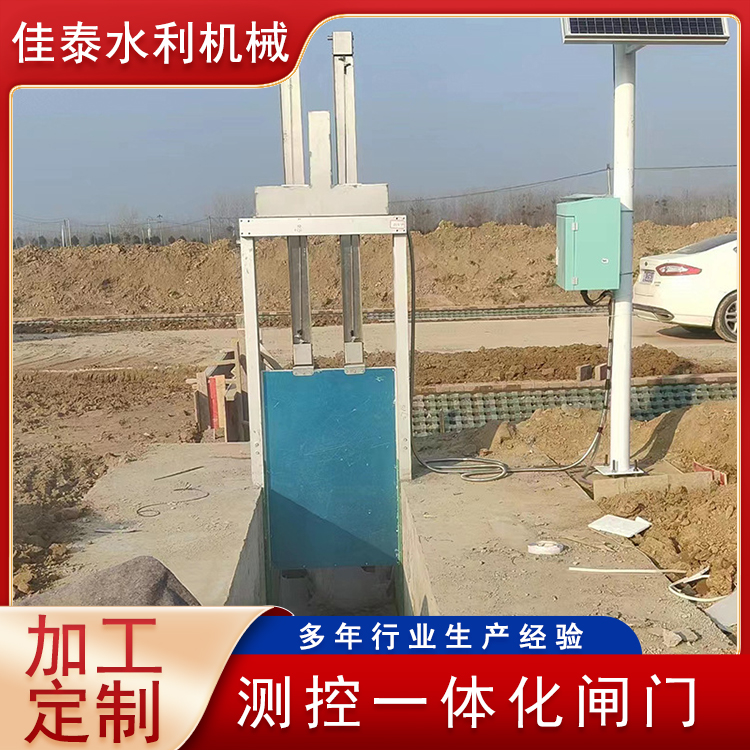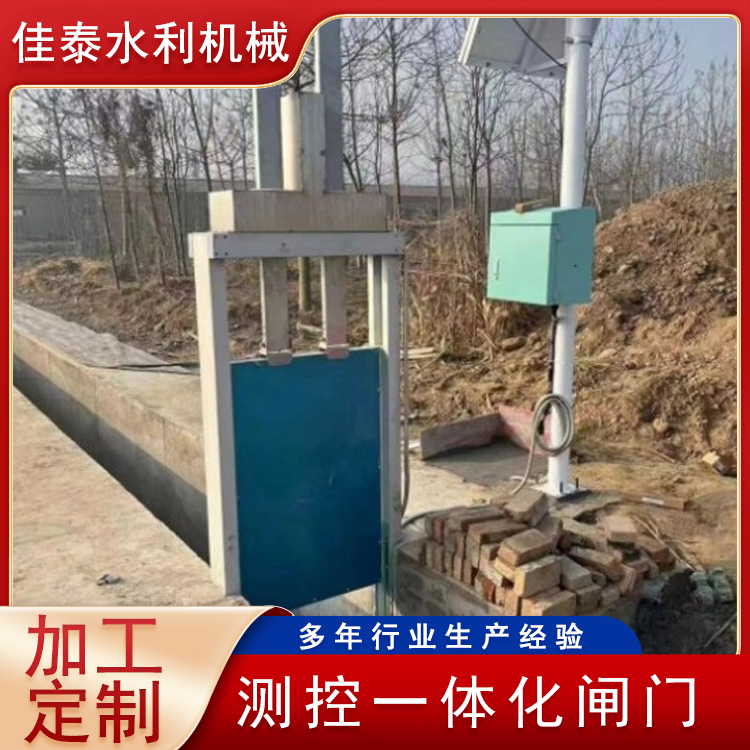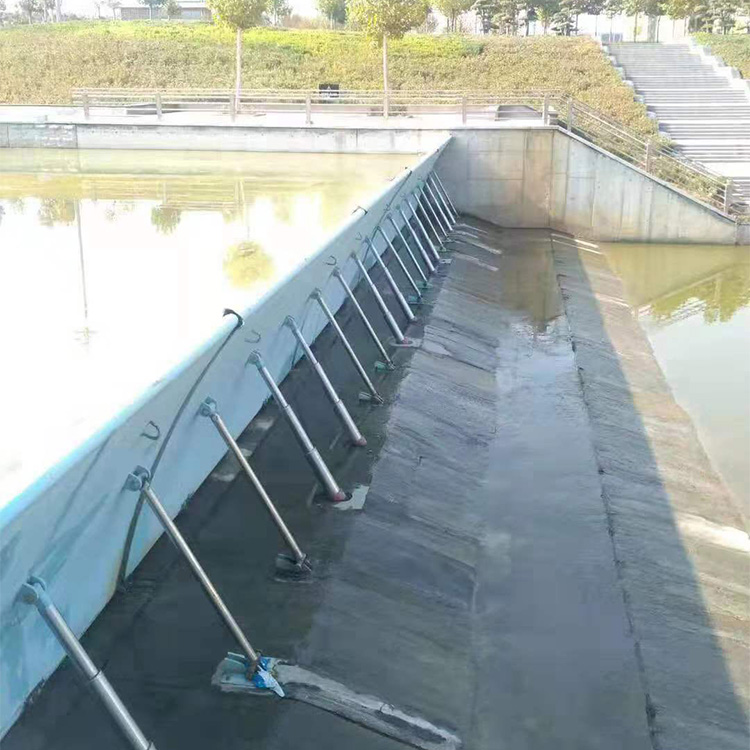





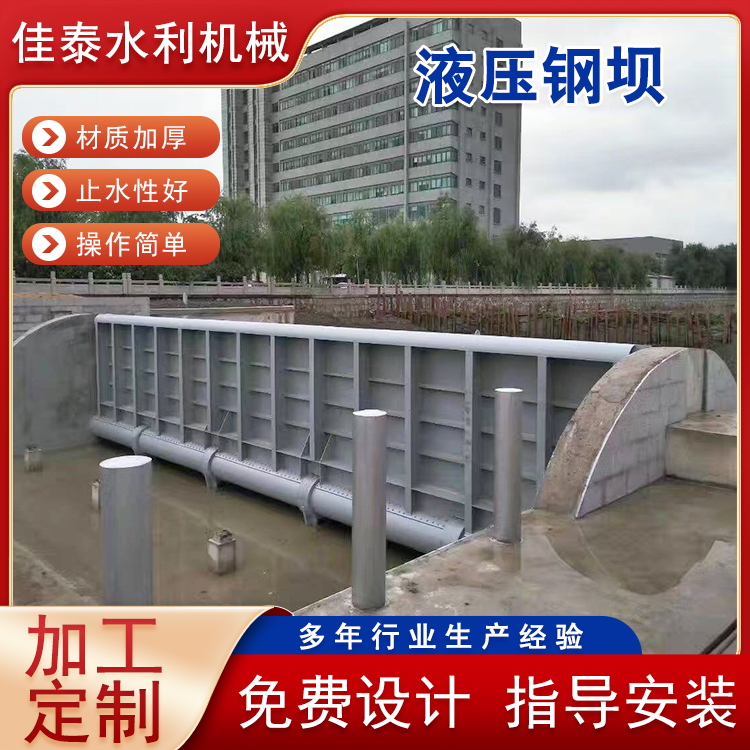
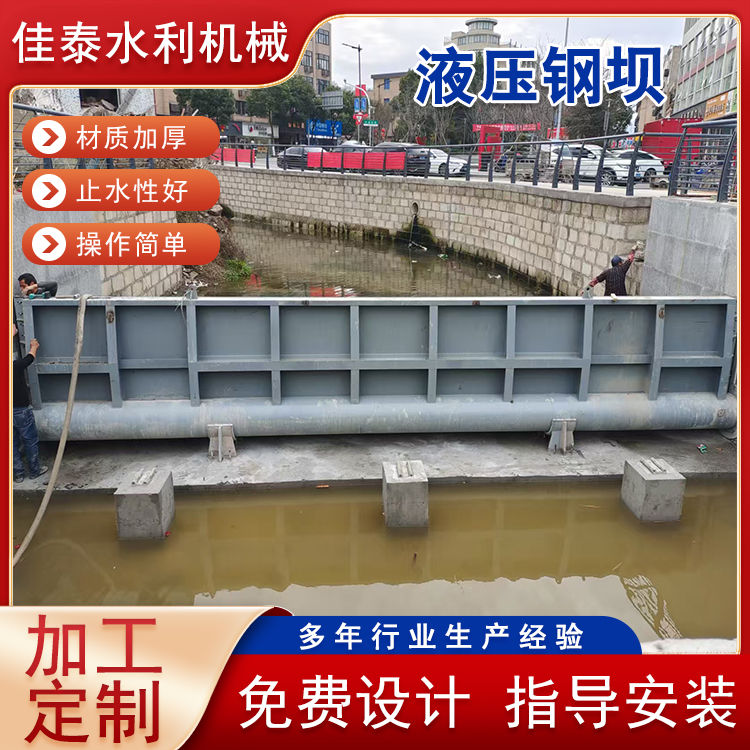
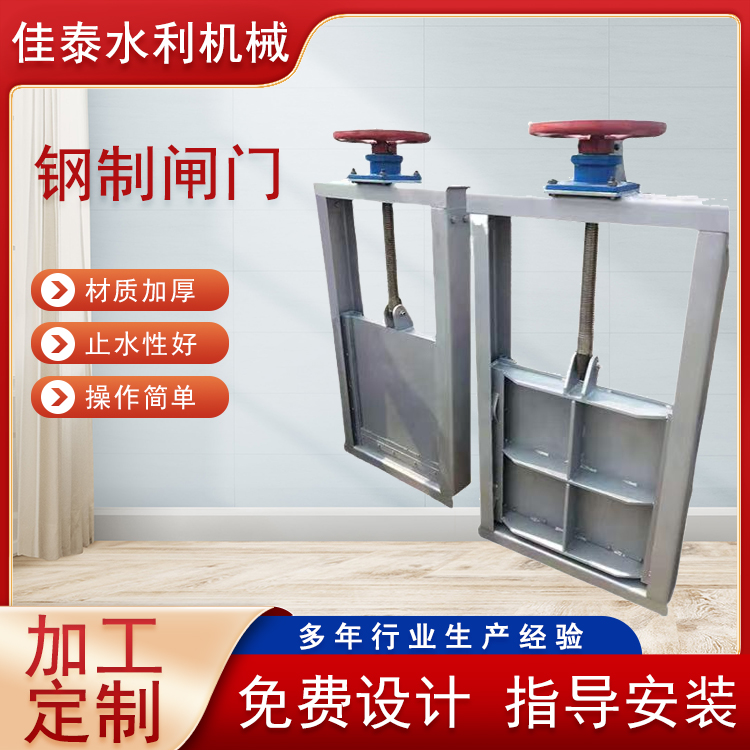
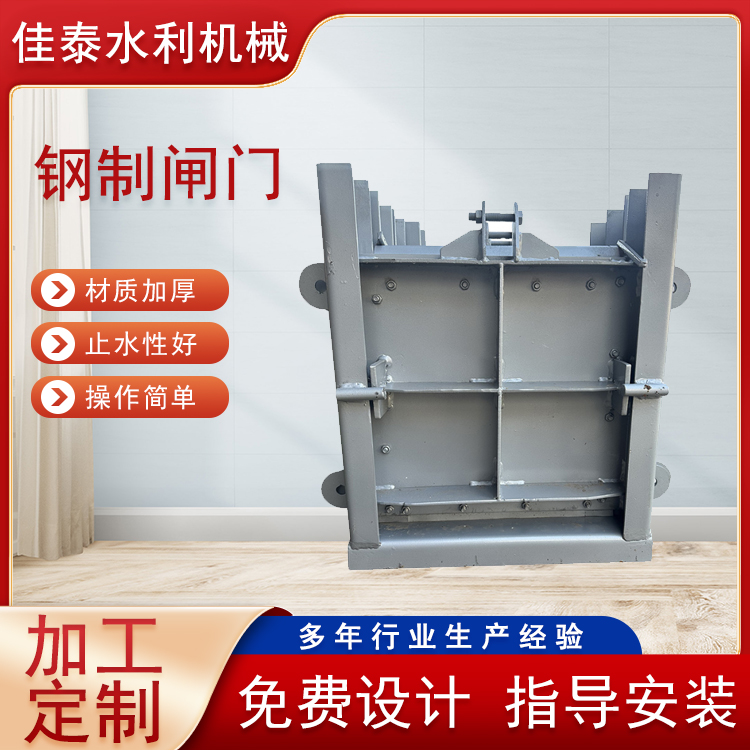
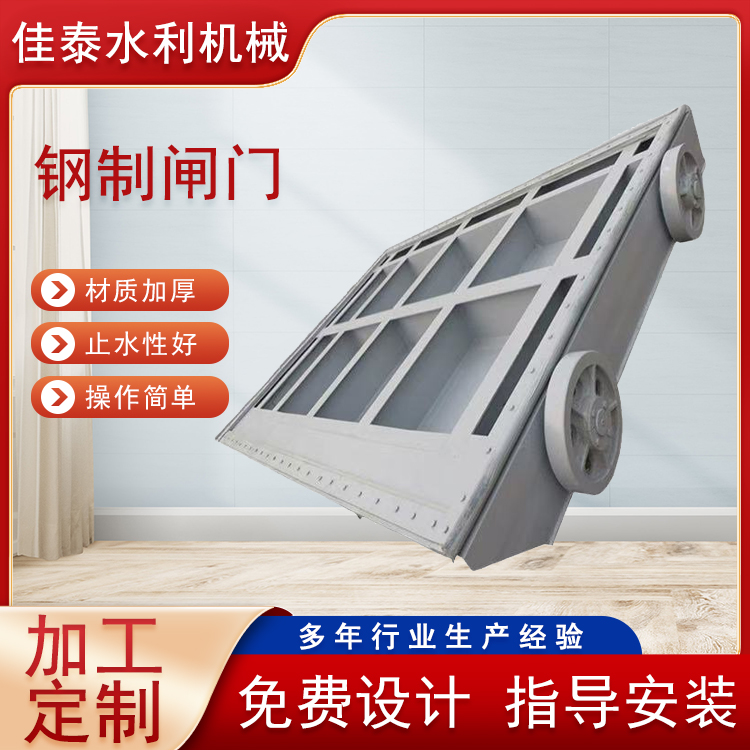





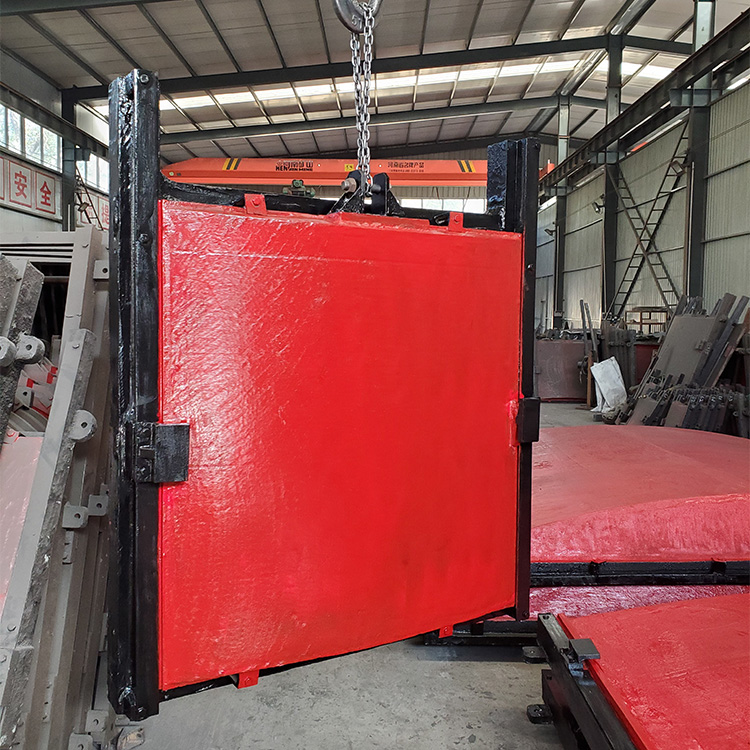
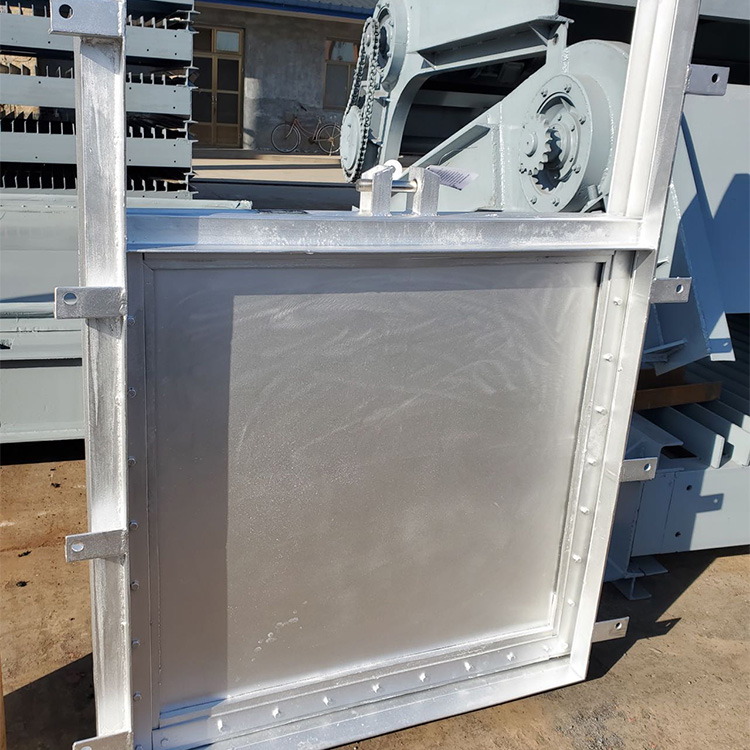
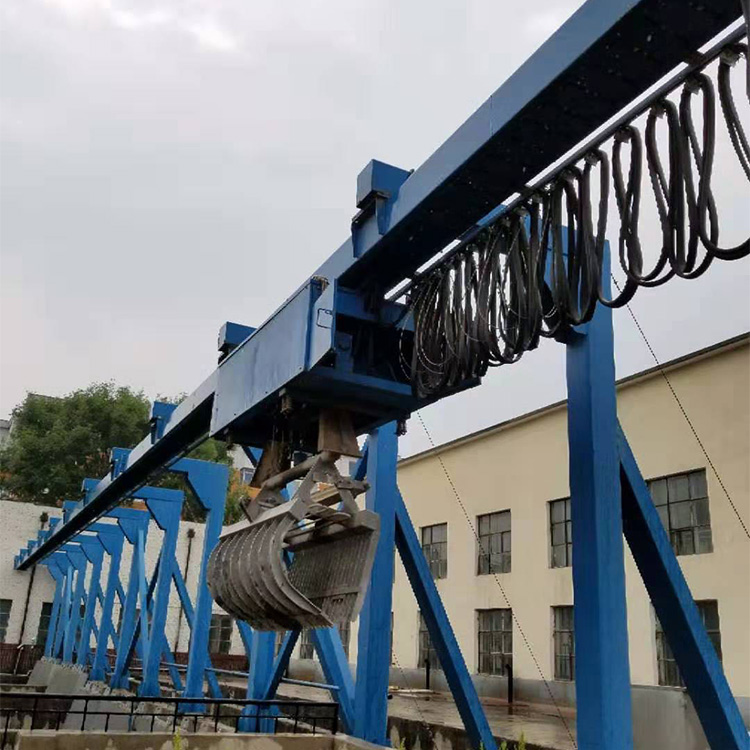
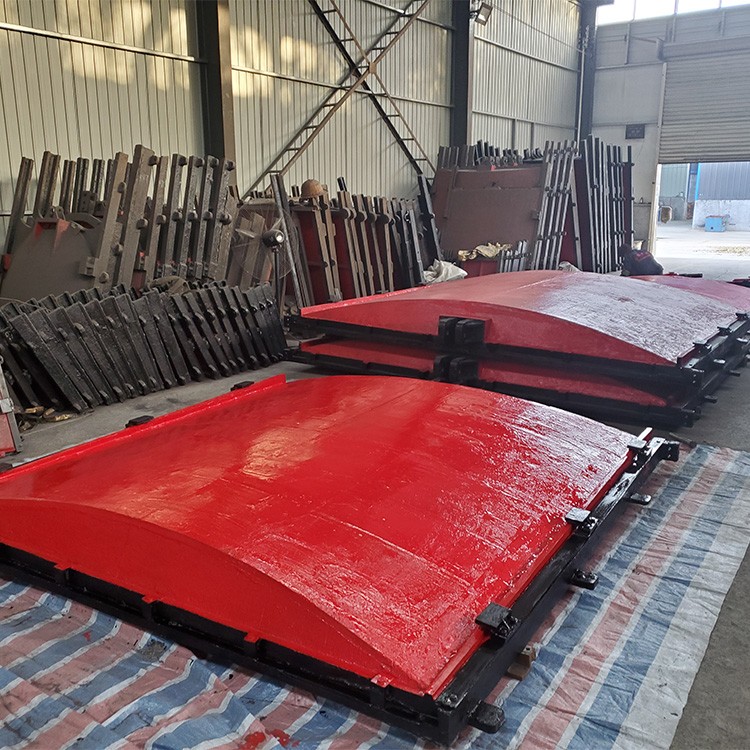
Cast iron sluice gates are a type of small flat gate, widely used in water intake and conveyance, municipal construction, water supply and drainage, and farmland irrigation projects. They are typically installed at the inlets of canals and culverts, serving as operating gates to regulate flow and control water levels, or as maintenance gates to close and prevent water from entering.
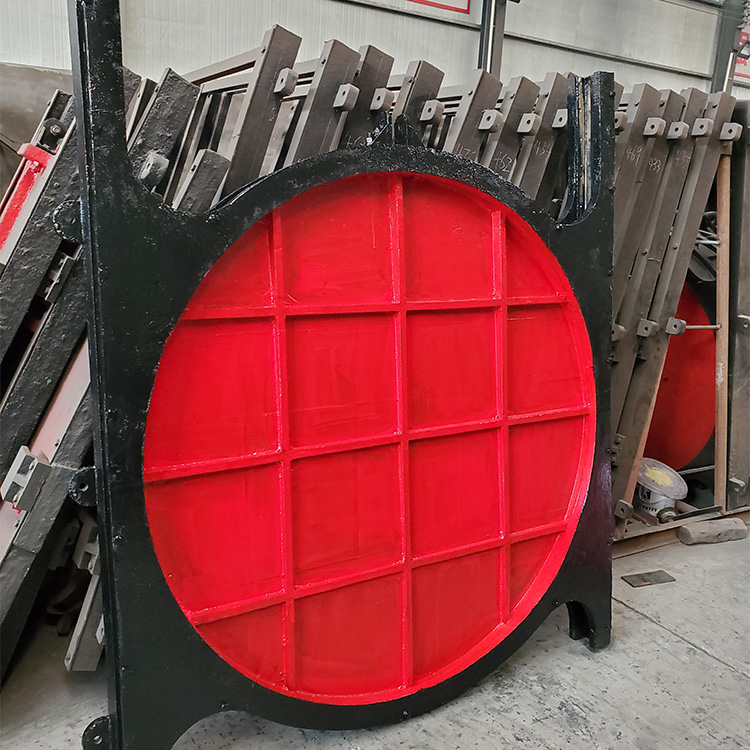
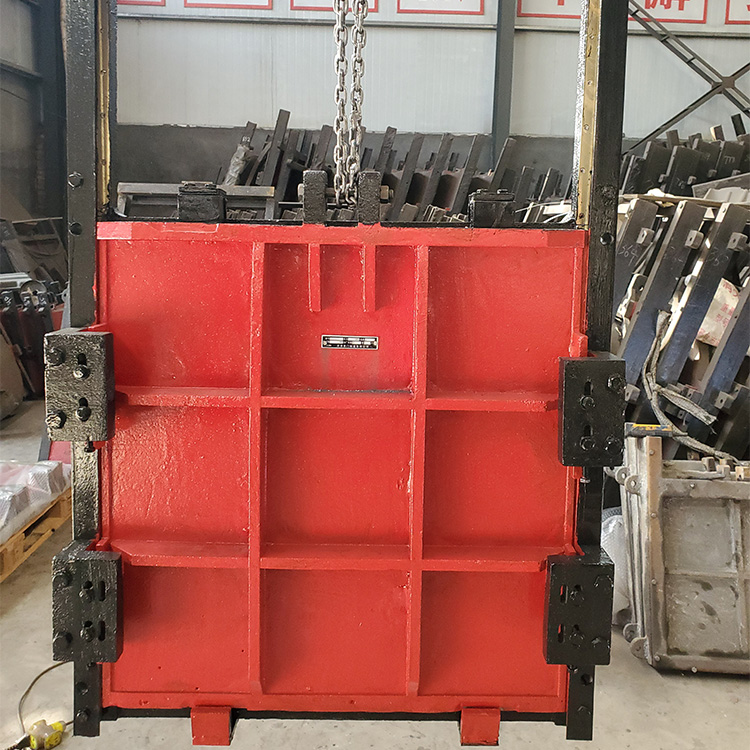
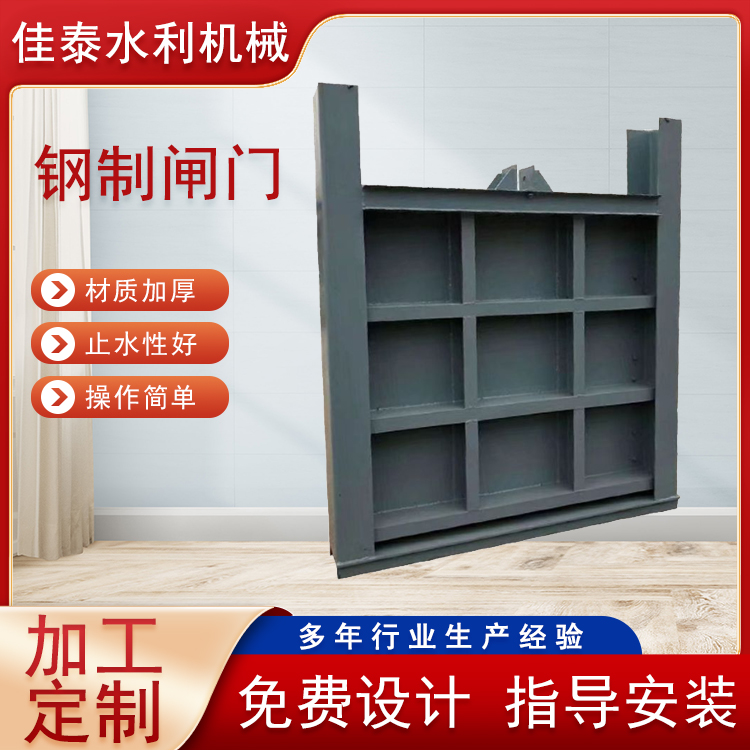
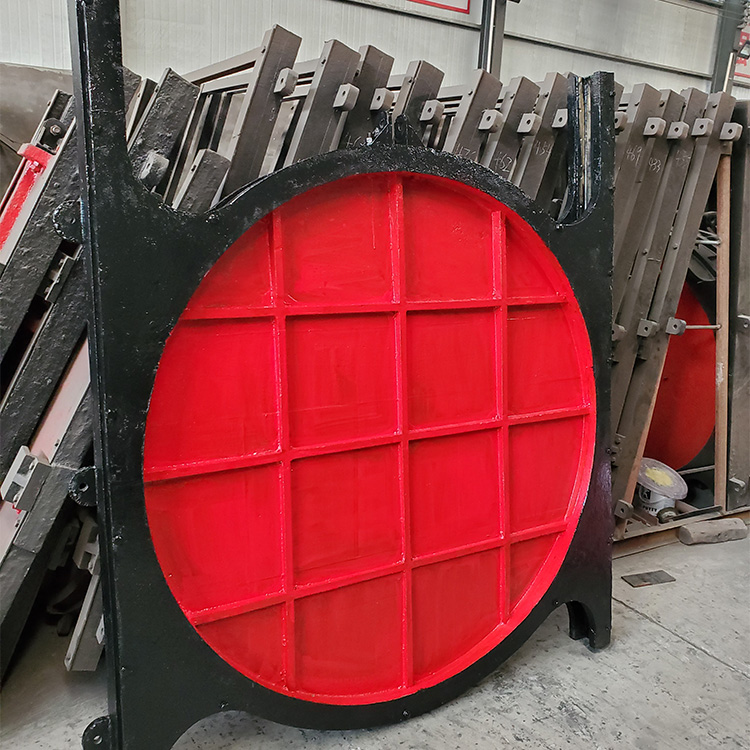
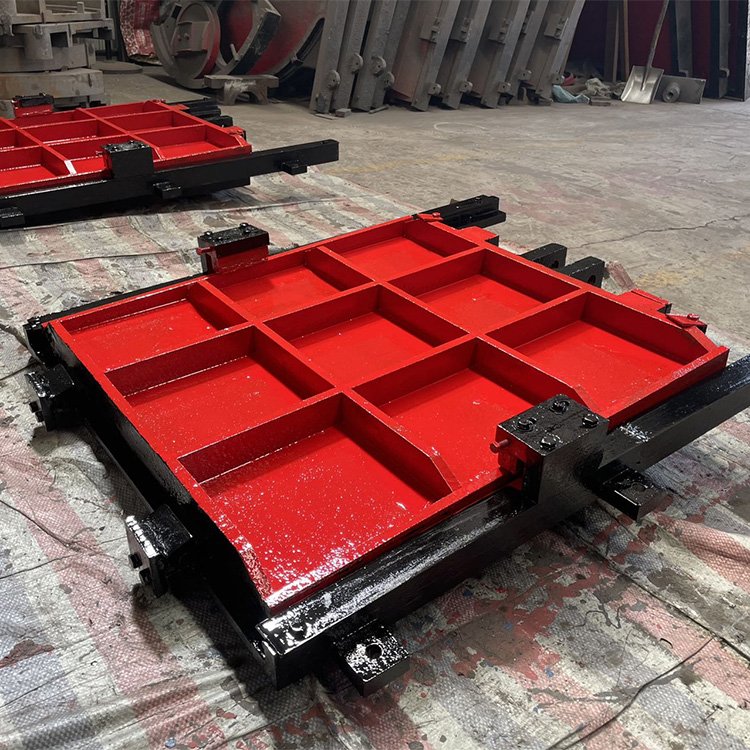
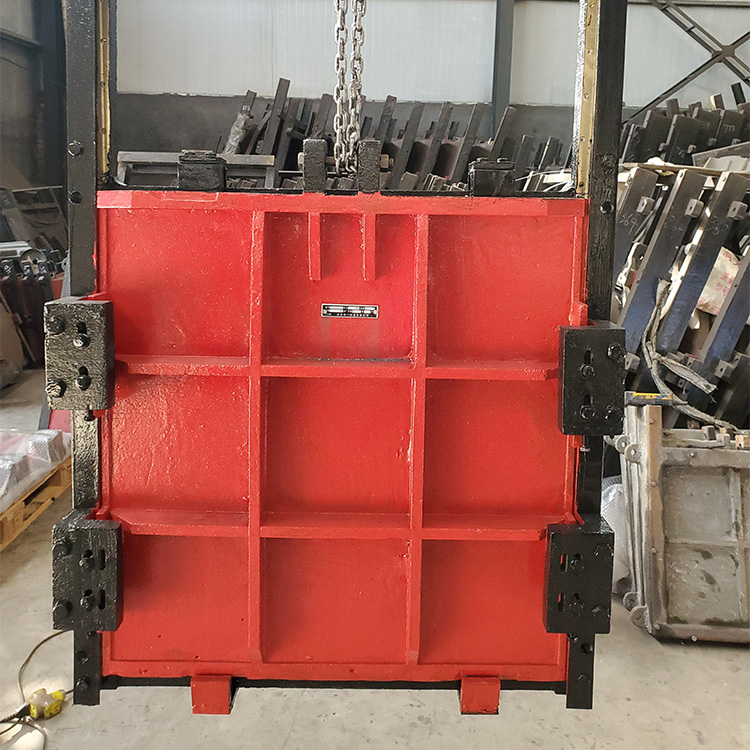
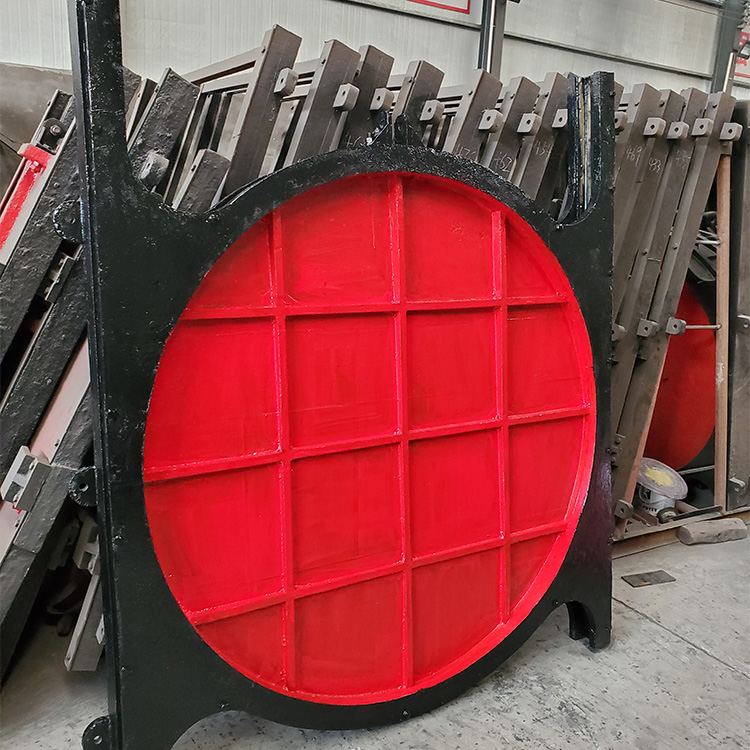
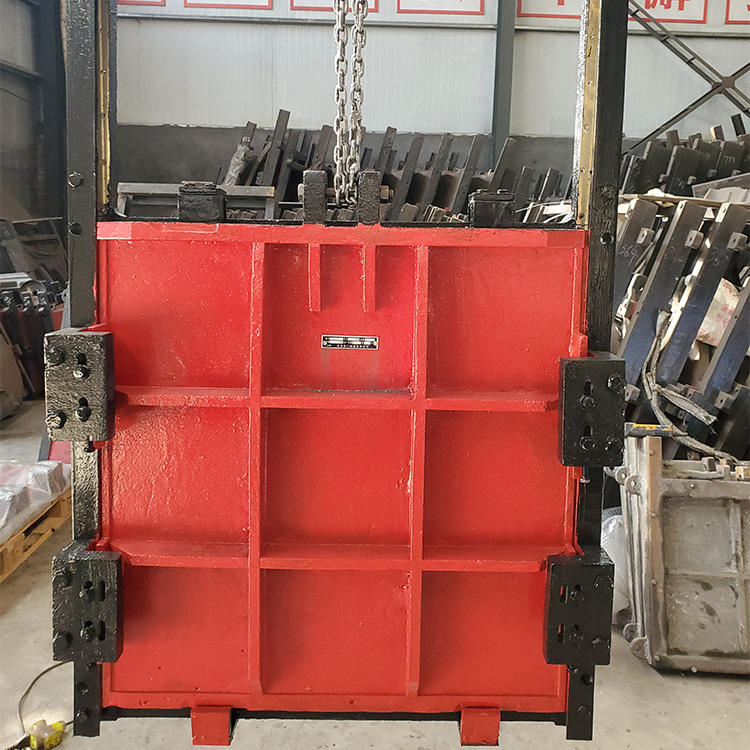
Wrought iron gates come in square and round shapes. Generally, they consist of two parts: the gate leaf and the gate frame. Both the gate body and the frame are made of cast iron, typically cast and machined as a whole.
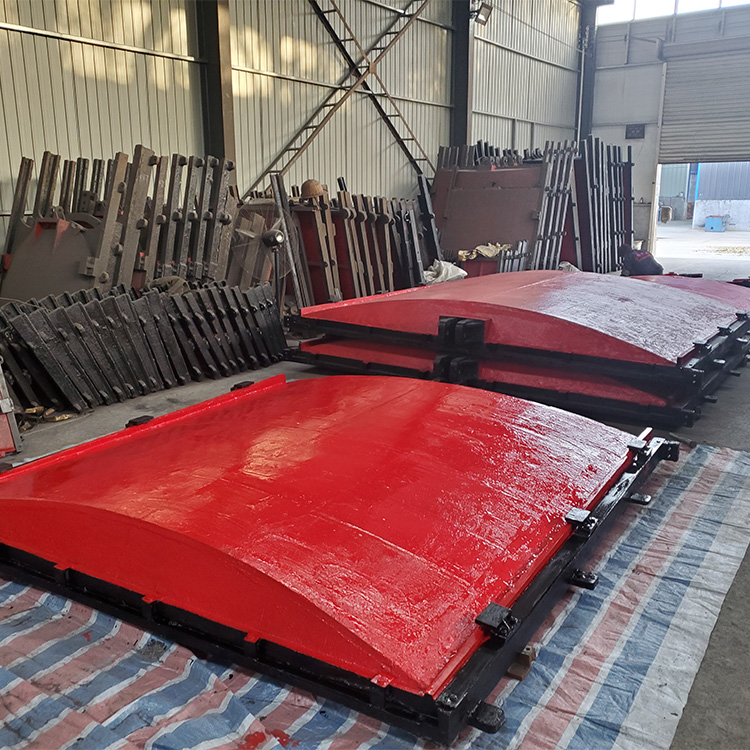
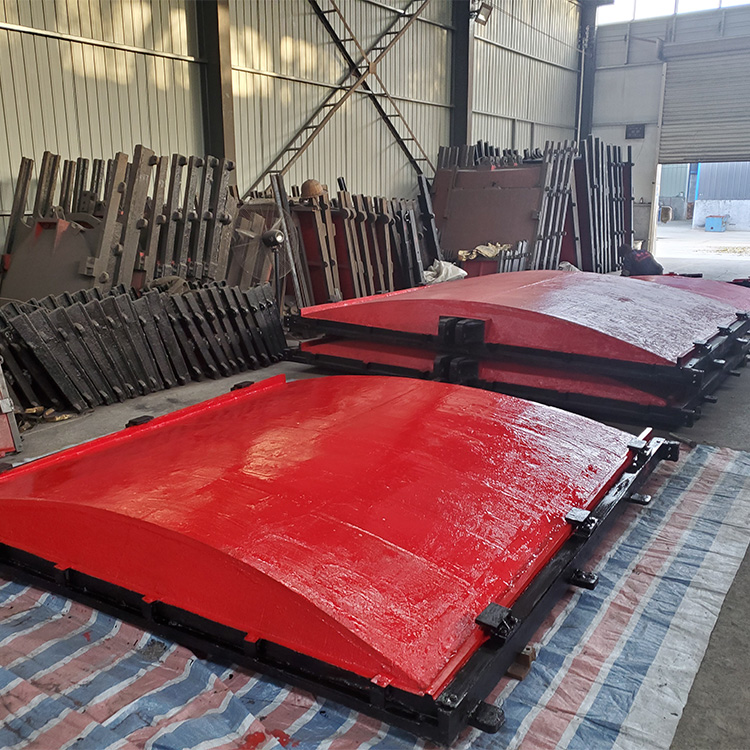
The door panels are typically constructed with a panel and reinforced rib structure, with panels available in either flat or arched shapes. The doors are usually cast and machined as a whole, but for larger sizes, a modular assembly may be used. The doors generally feature an integral metal waterstop, which also serves as a support slider. The metal waterstop is secured to the door with headless screws made from the same material, and the screw heads are precision-machined along with the waterstop working surface. Larger sizes may also utilize "P"-shaped rubber waterstops.
The door frame serves as the connecting component between the cast iron gate and the foundation, equivalent to the buried height part of a flat steel gate. The door frame consists of two parts: the lower door frame and the upper guide rail. The lower door frame is generally cast and machined as a whole, while the guide rail can be connected to the door frame with bolts (screws) or cast as a whole with the lower door frame. When the door body is opened to a high position, the top of the guide rail should be higher than the horizontal centerline of the door body.