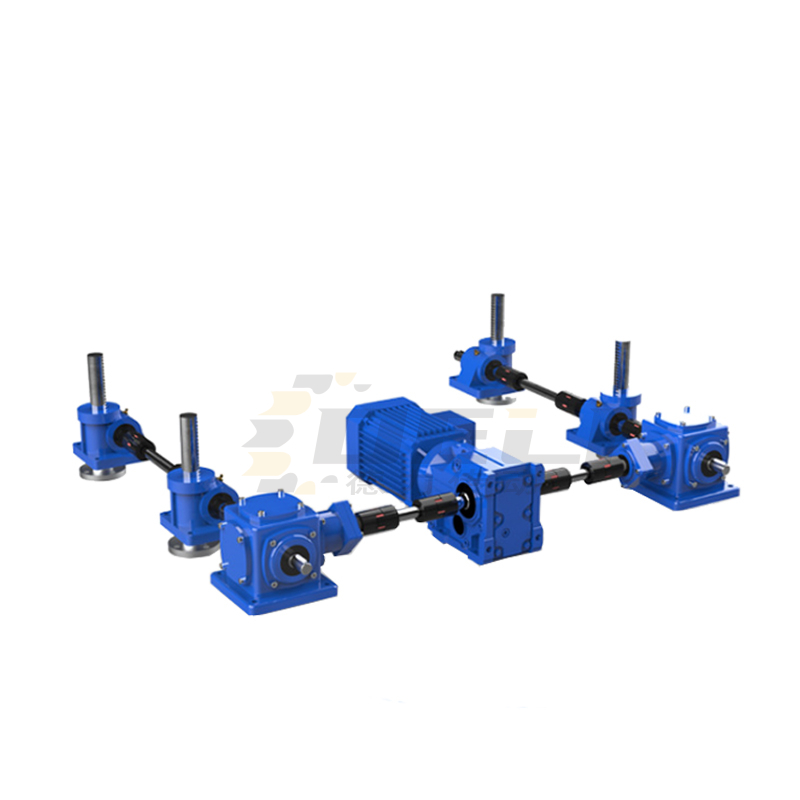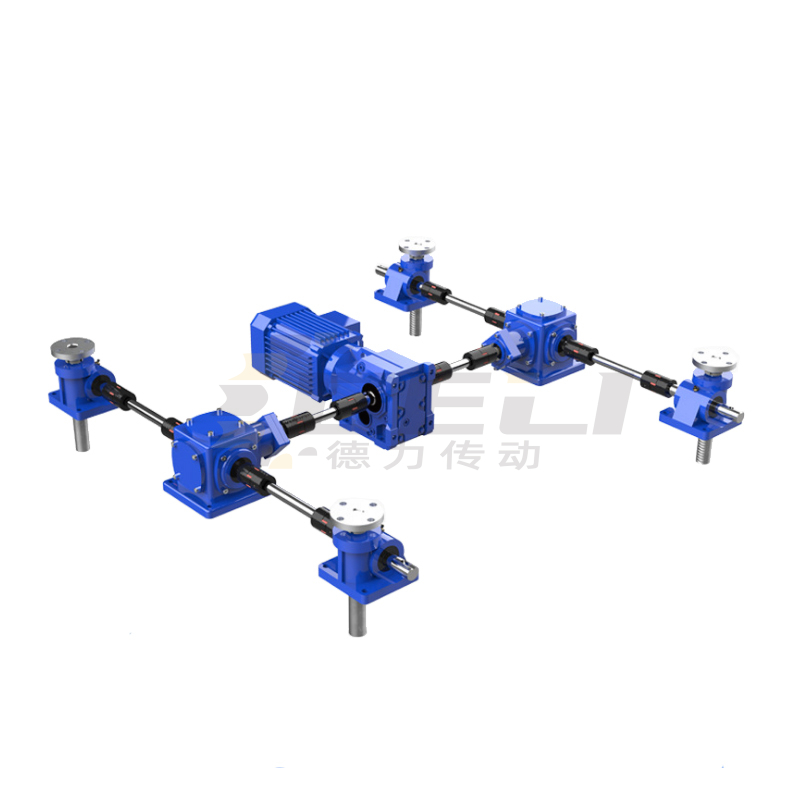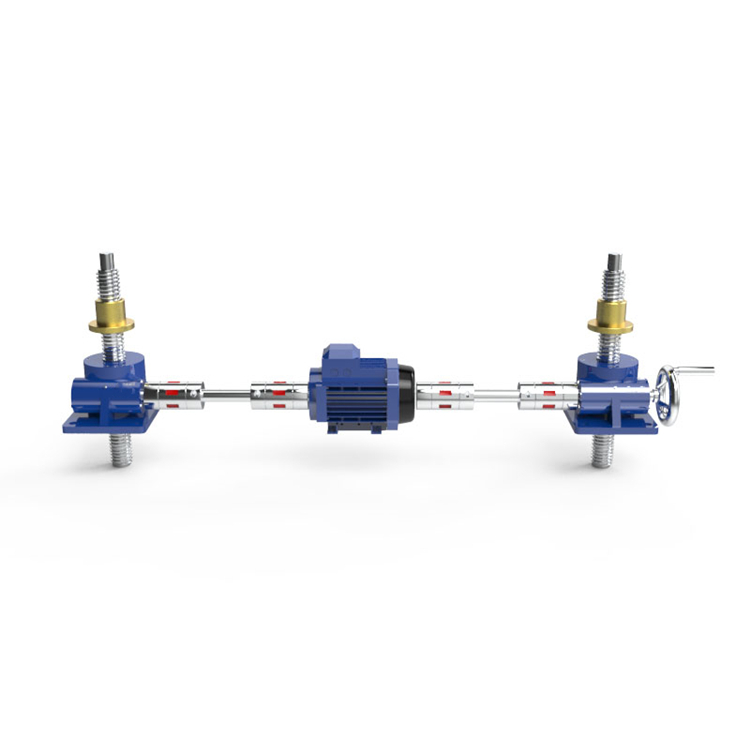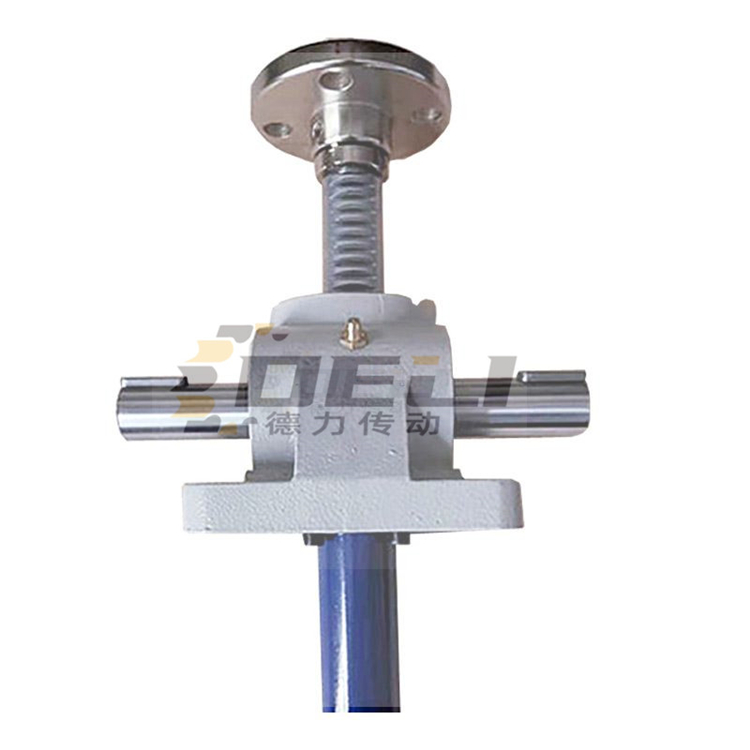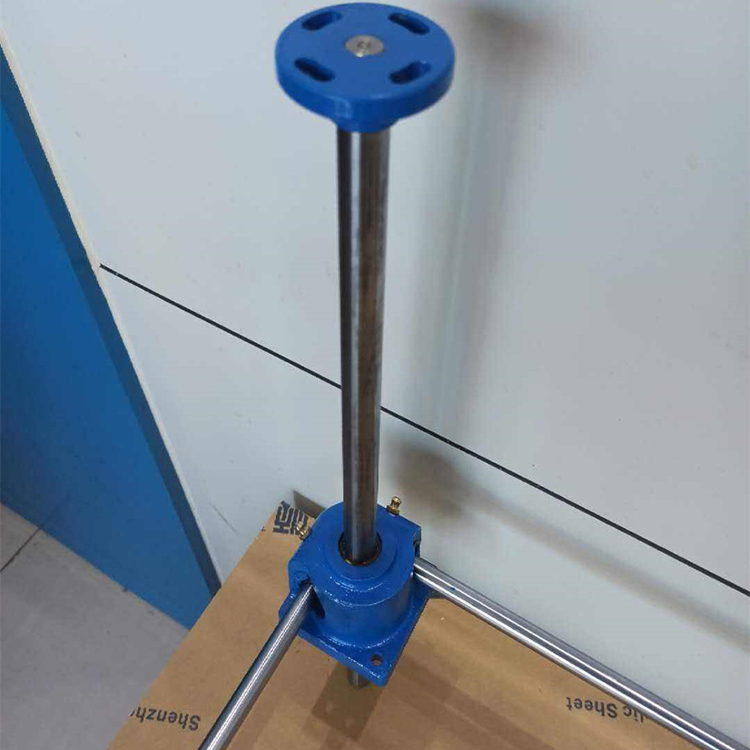


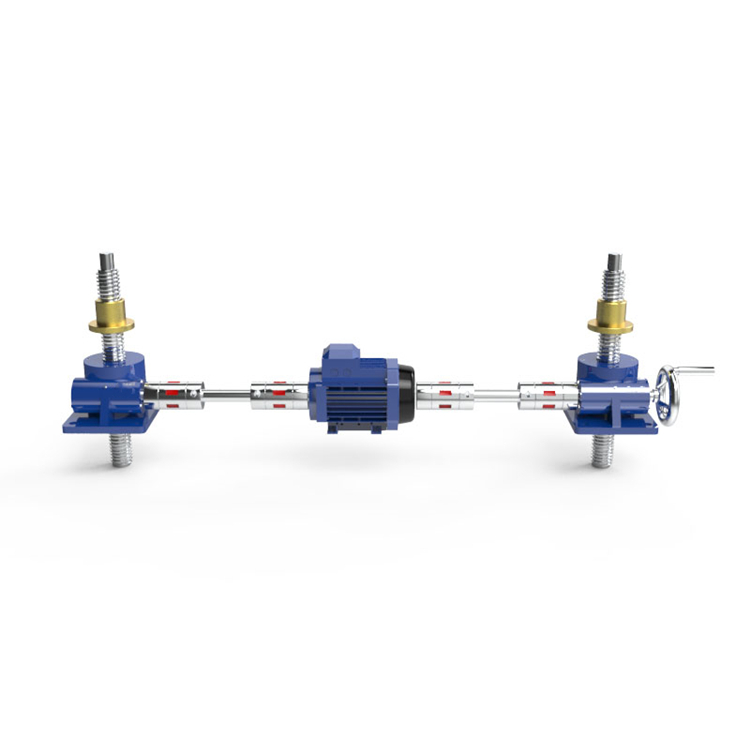







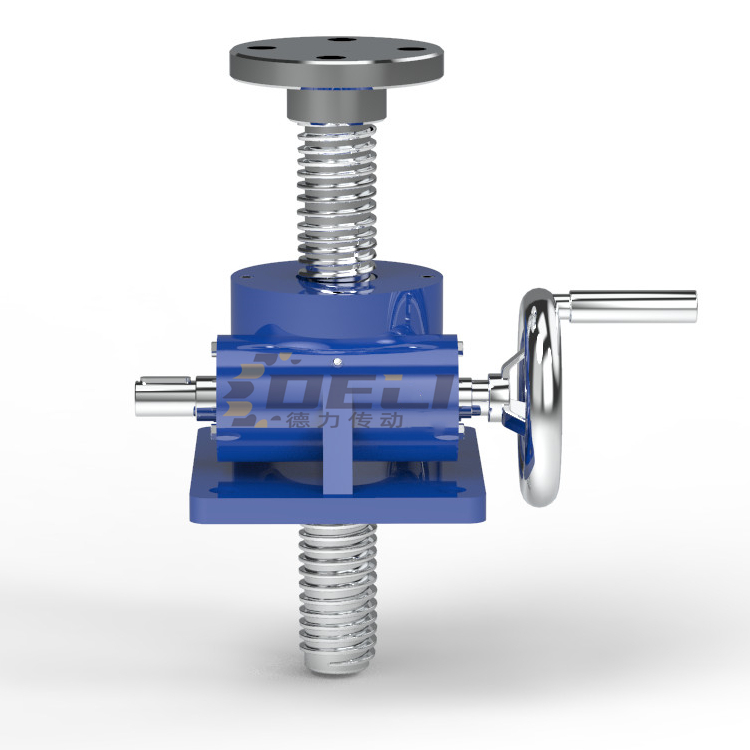
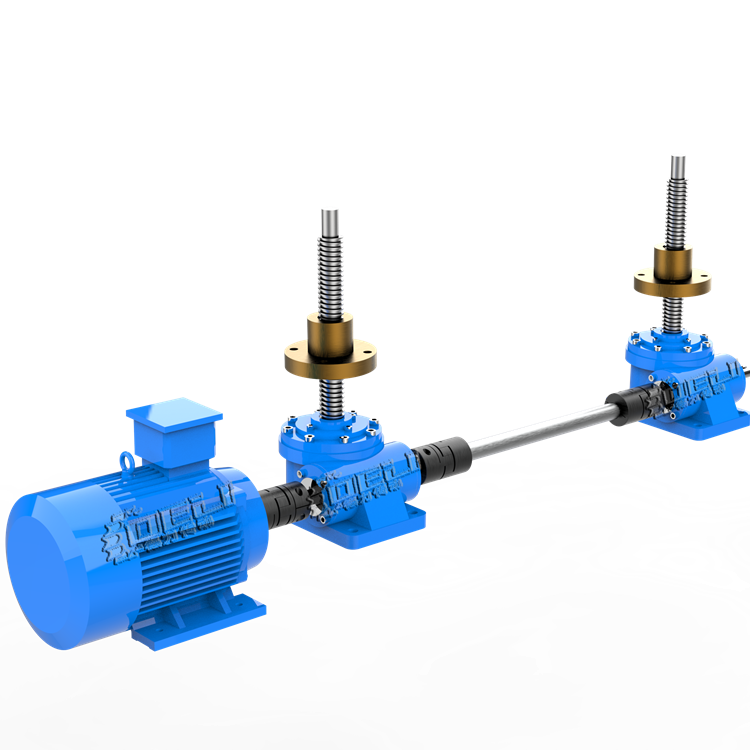
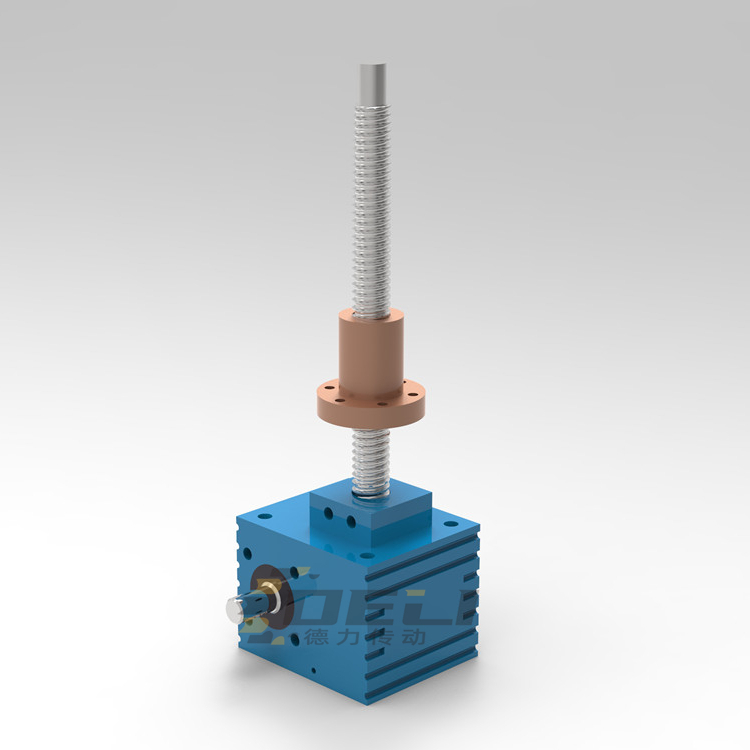
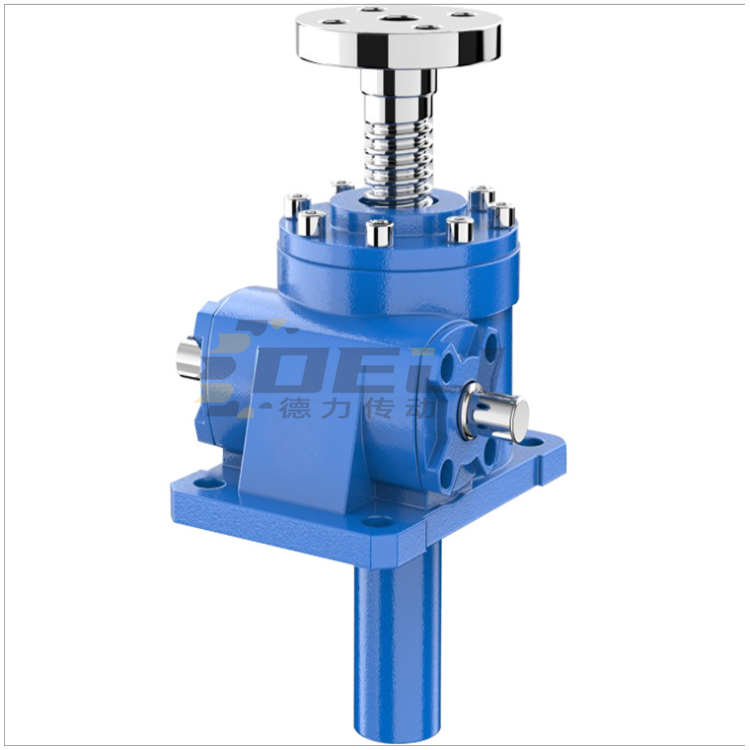
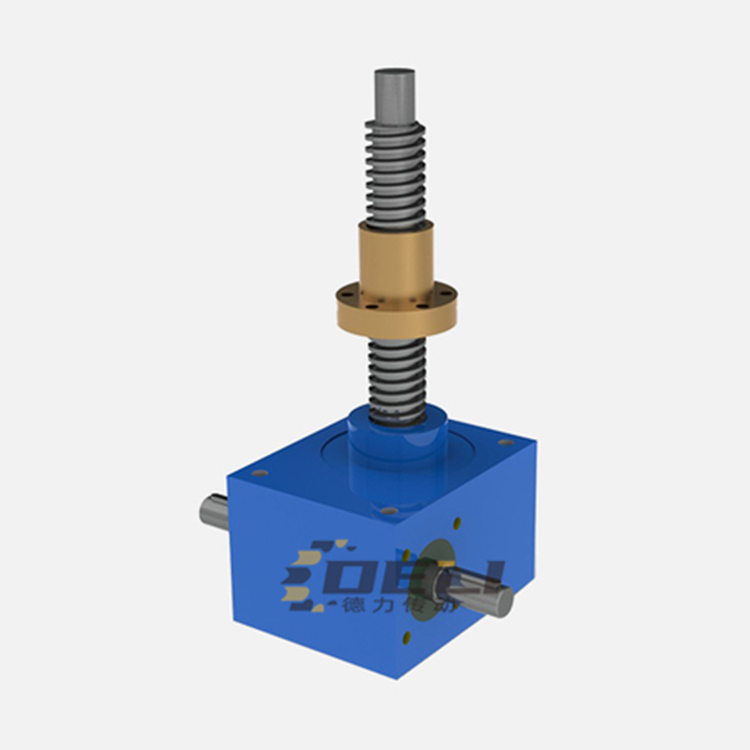
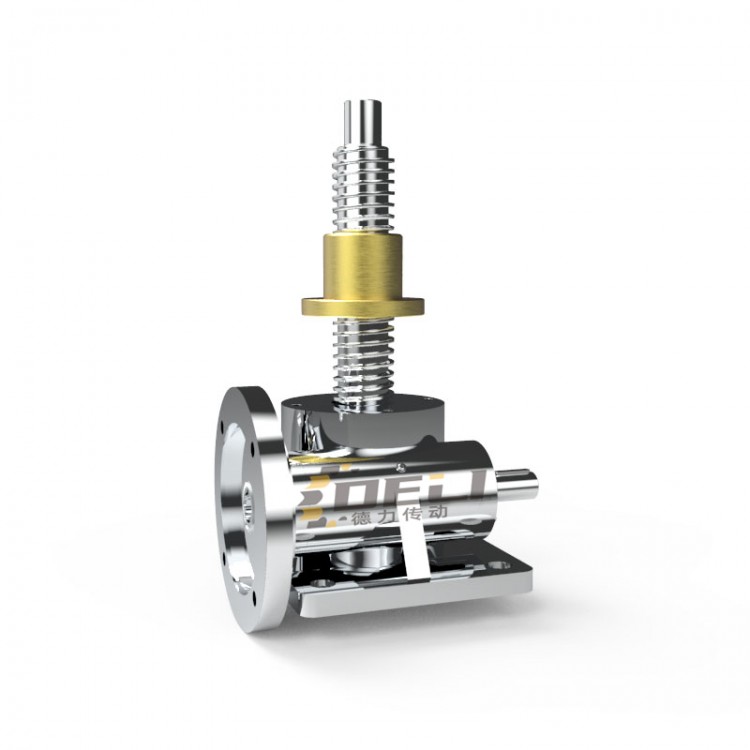

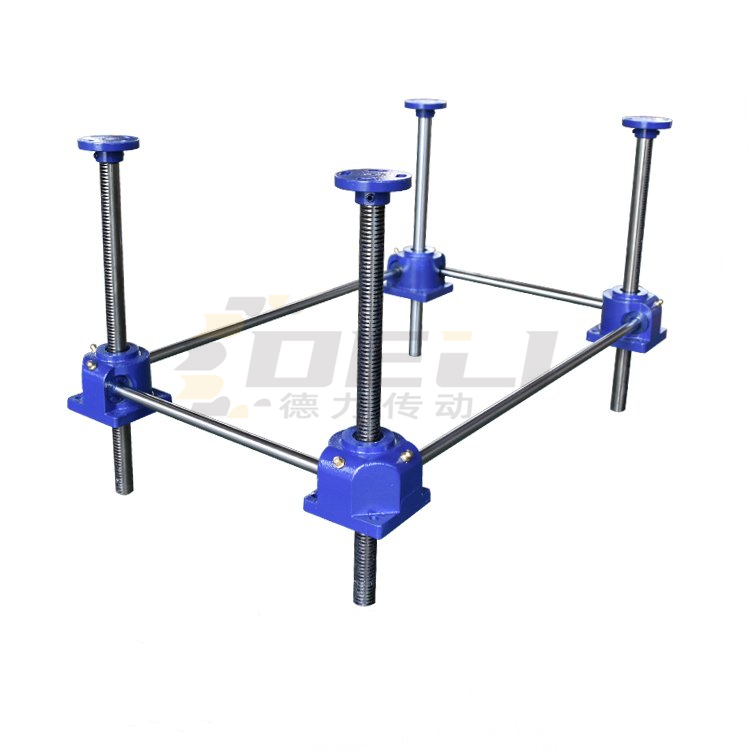
1. Working Principle; By means of the coordinated interaction between gears and racks, it ensures the synchronous lifting and lowering of four or more support points, thereby achieving smooth vertical movement of the work platform. The synchronous error of the four support points can reach 0.5mm.
2. The structure and performance of the synchronous lifter;
The synchronous lift mechanism is a structural assembly consisting of a gear box with gears and racks, designed to synchronize the upper and lower surfaces during lifting or lowering operations.
②Several gears within the gearbox mesh and rotate against each other, thus virtually no noise is generated.
③ Up/down movement, can operate normally even with less than 50% bias pressure.
④ Its guide rail is composed of modular units, standardized components of the parts.
A lift jack is a passive lifting device powered by a cylinder, which serves as a guide and synchronization mechanism.
Features of the 3 synchronized lifters
1 Genuine quality and simplified design, compact components, high durability, customizable to the designer's specifications, reducing design time.
2. Selection of model; when choosing a model, consider different loads, strokes, and series to select the appropriate model.
Selection of 3-axis spacing: Note that when the spacing between the axes exceeds the corresponding length, intermediate supports should be added.
During up/down motion, the rotation is smooth and quiet. The structure of the gears and racks ensures a good mesh, maintaining synchronization even in harsh environments.