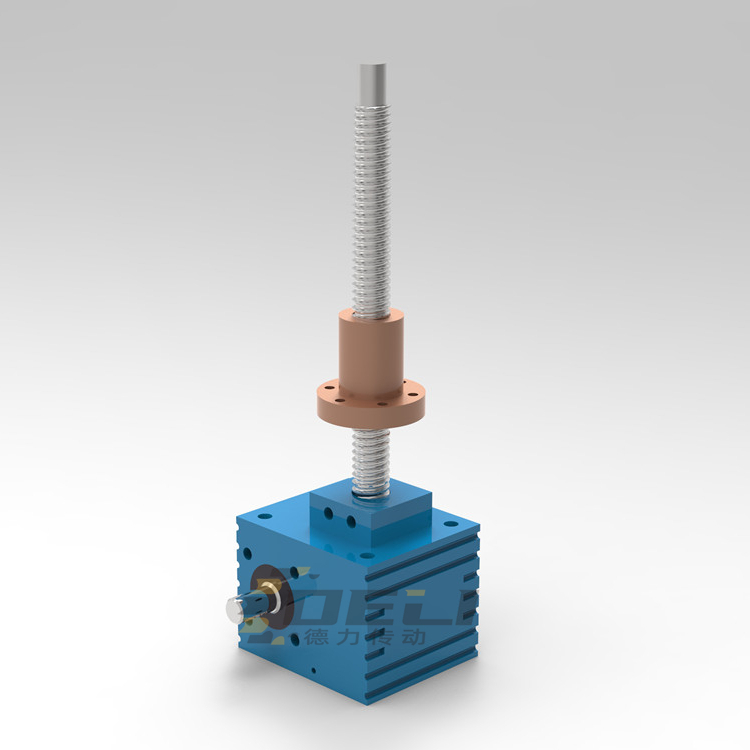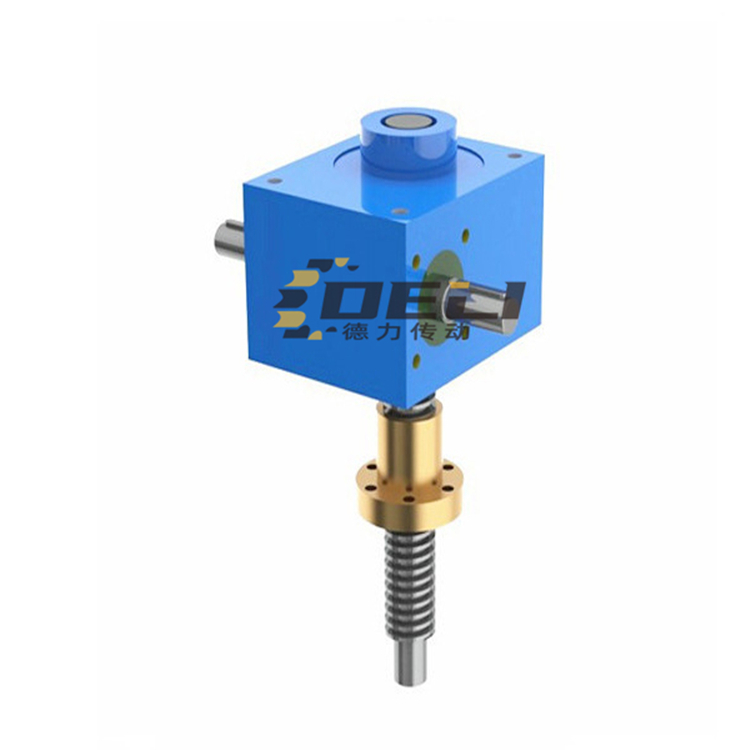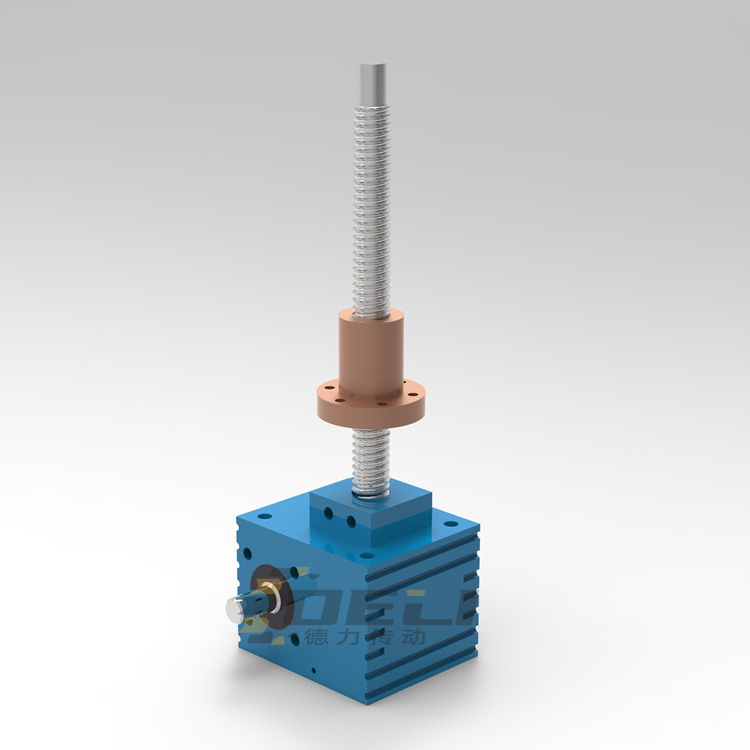

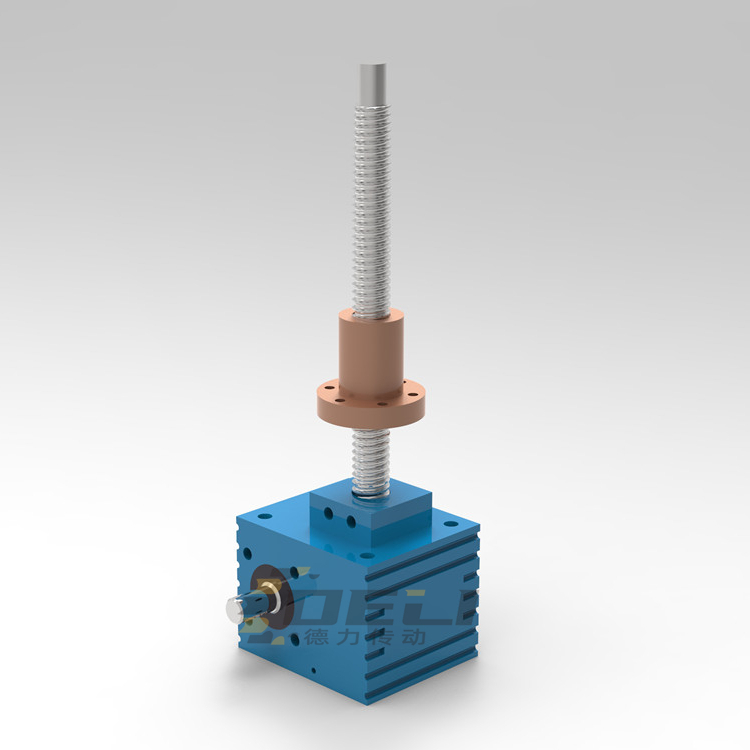
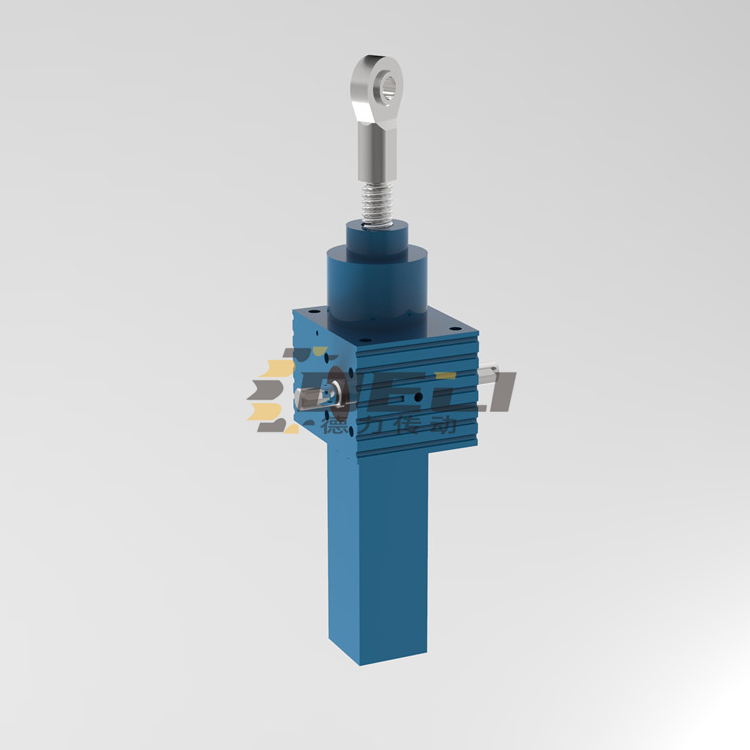
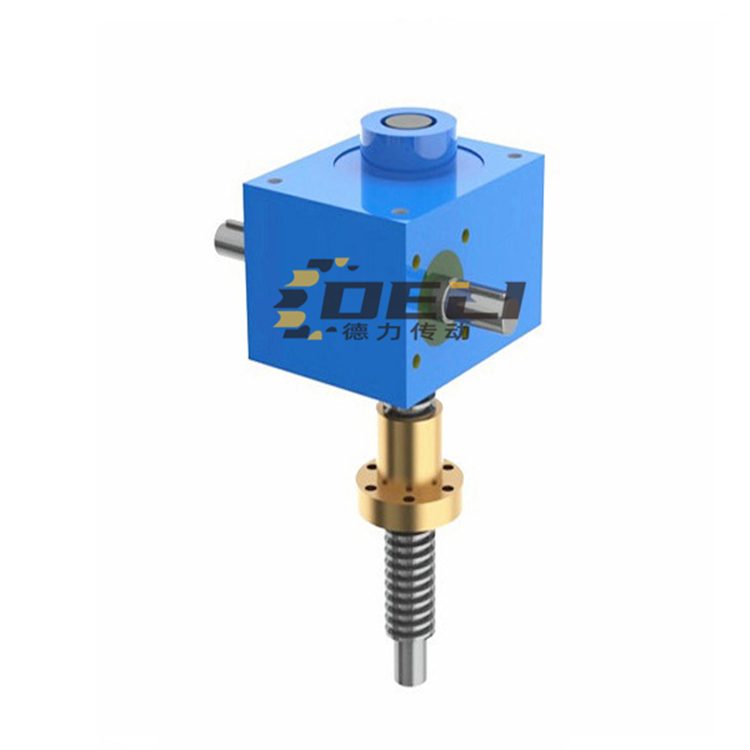







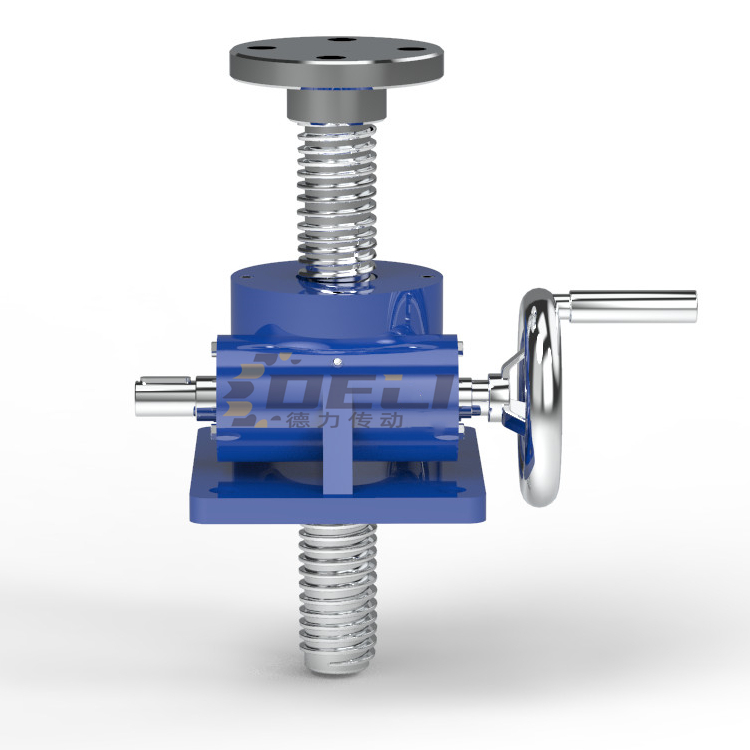
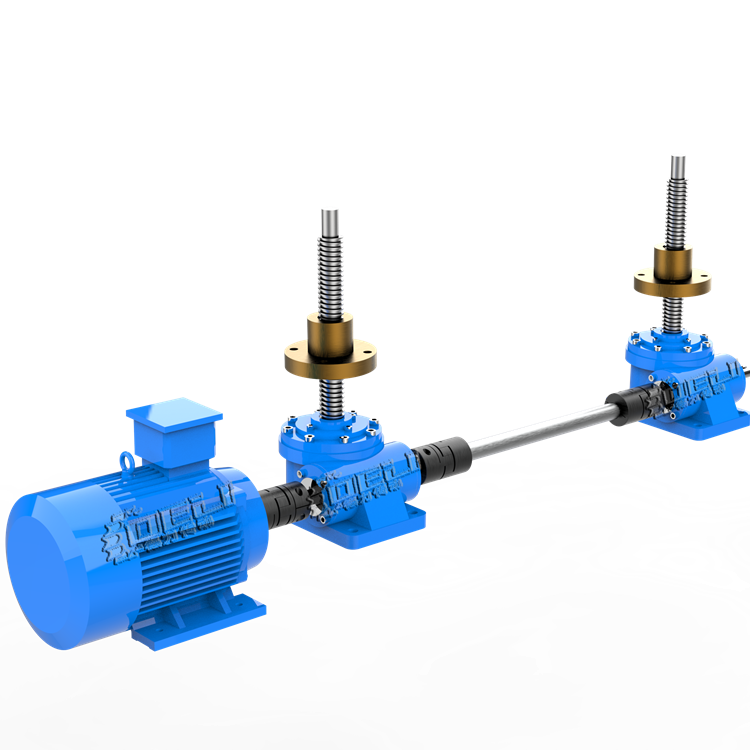
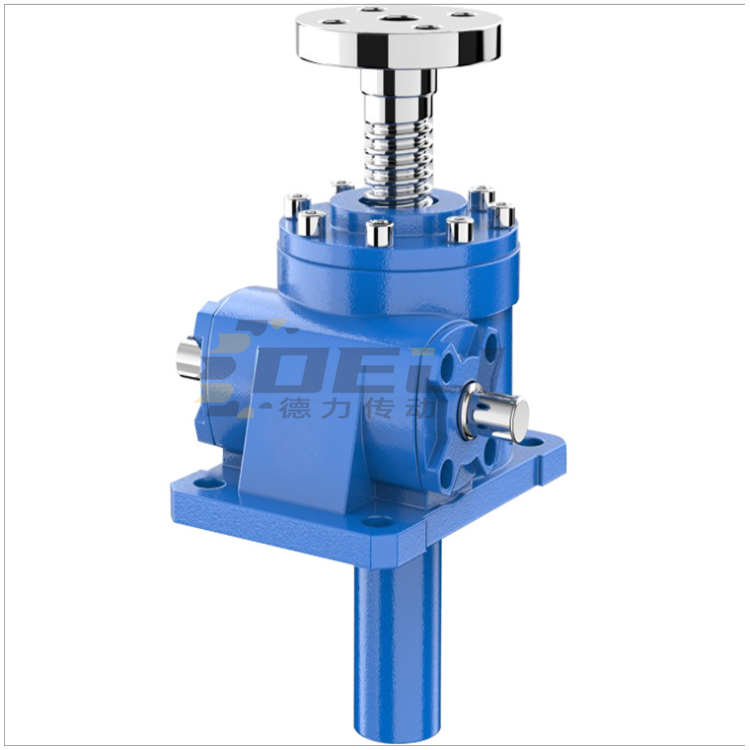
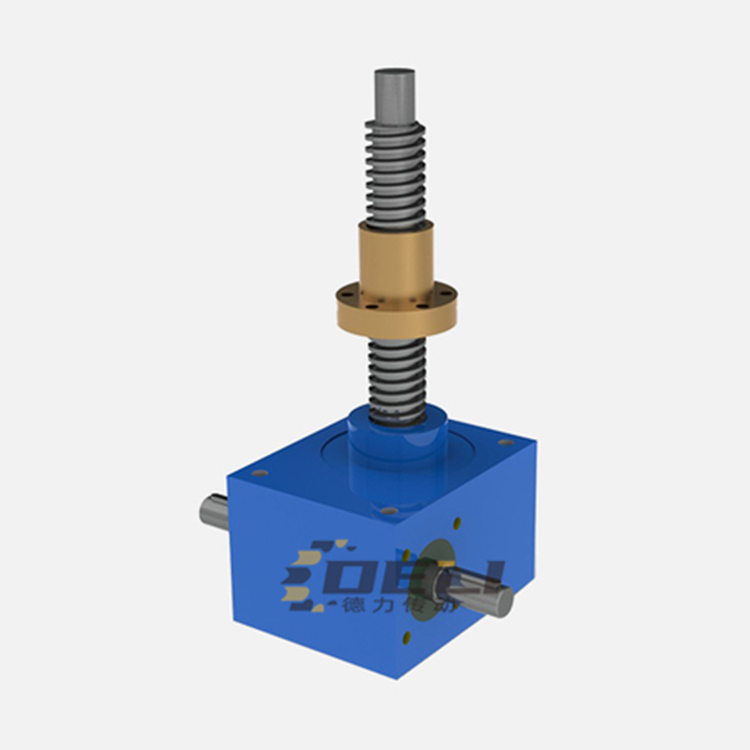
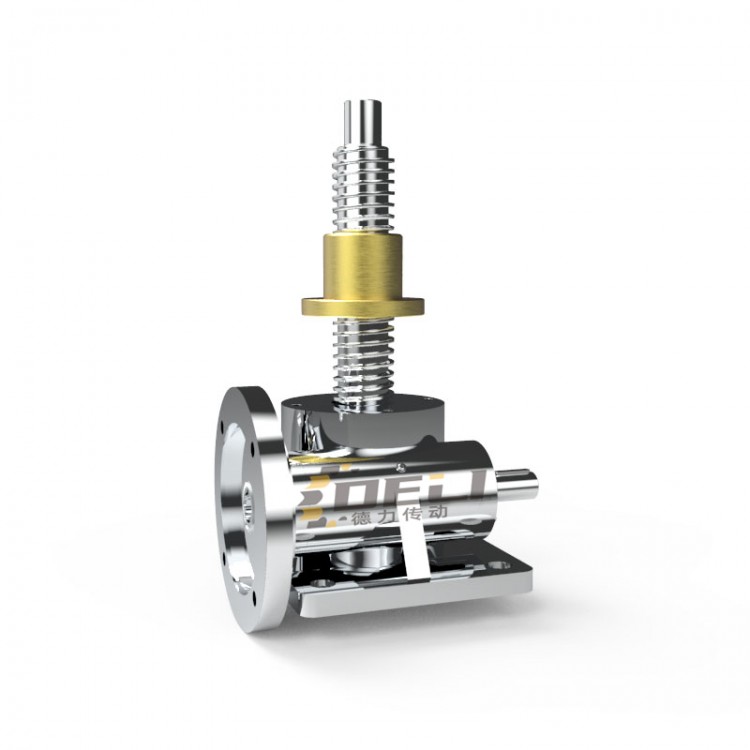
A screw jack is a common mechanical component with a simple structure and easy installation, suitable for various working conditions with minimal requirements for the external environment, thus gaining wider usage. The temperature rise can affect the operation of a screw jack, and many customers inquire about how to measure the temperature rise during its use. Today, our technical staff will explain how to address this issue.:
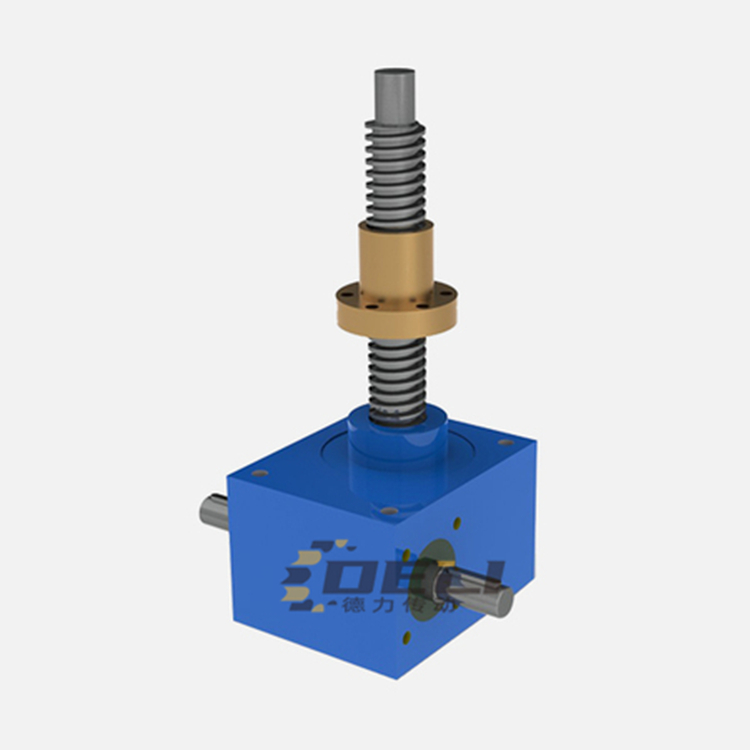
In most cases, during the operation of screw jack, the temperature rise of individual components can be measured using the resistance method and thermometer method.
Resistance Method: The resistance value of metal conductors increases correspondingly with the rise in temperature.Within a certain temperature range, there is a certain functional relationship between the resistance value and the temperature. By applying this principle, the temperature can be determined by measuring the resistance value of the winding, known as resistance temperature measurement. When using the resistance method, first measure the cold-state DC resistance RI of the winding with a Wheatstone bridge and record the ambient temperature (room temperature). After the reducer has been running for a period of time, measure the hot-state DC resistance R2, substitute it into the formula, and the temperature of the winding c2 can be obtained.
Thermometer Method: This is a simple direct method for measuring temperature, commonly using an alcohol thermometer. During measurement, the thermometer can be placed closely against the surface of the bearing being tested or the stator iron core, and the temperature reading can be taken. For measuring winding temperature, the thermometer can be inserted into the hoist lifting bolt hole, and the measured temperature is the surface temperature of the winding plus the temperature difference of the hot spot.(B-level insulation takes 10. c) refers to the hot spot temperature of the reducer winding. Subtracting the ambient temperature from the crane's temperature gives the temperature rise of the reducer.