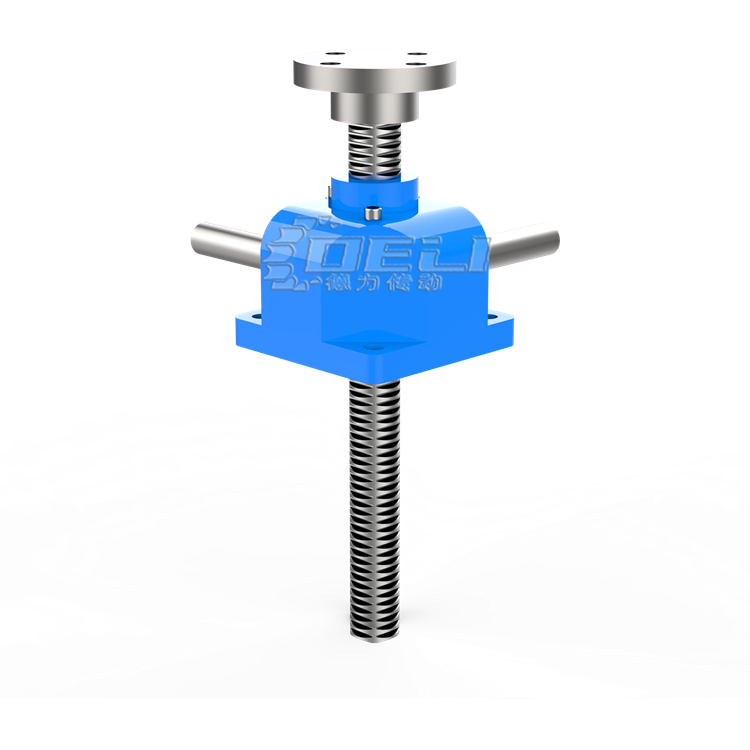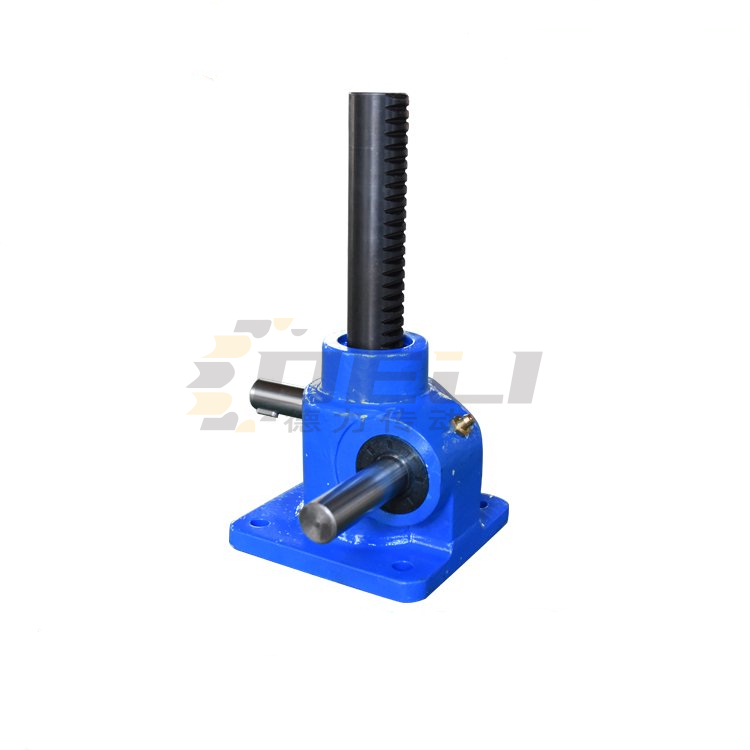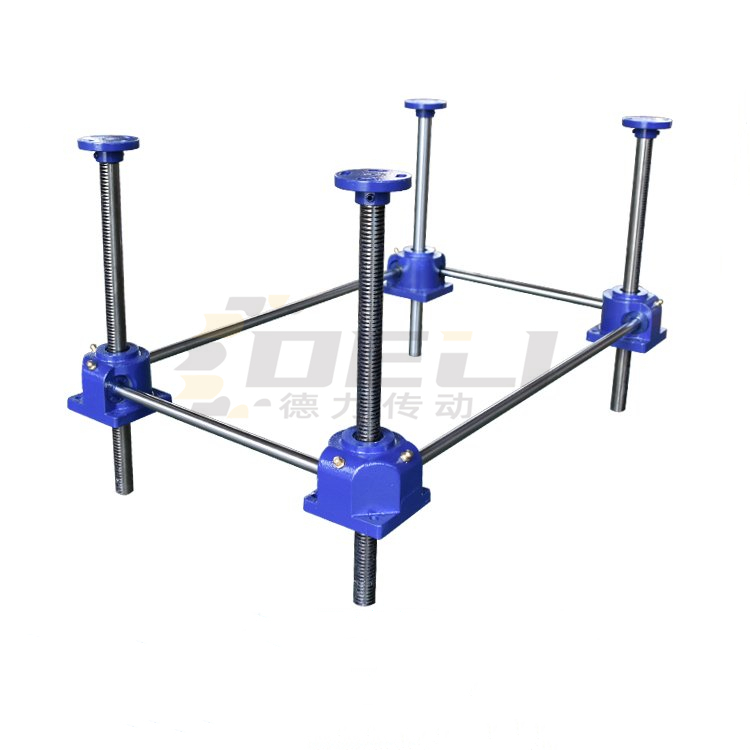
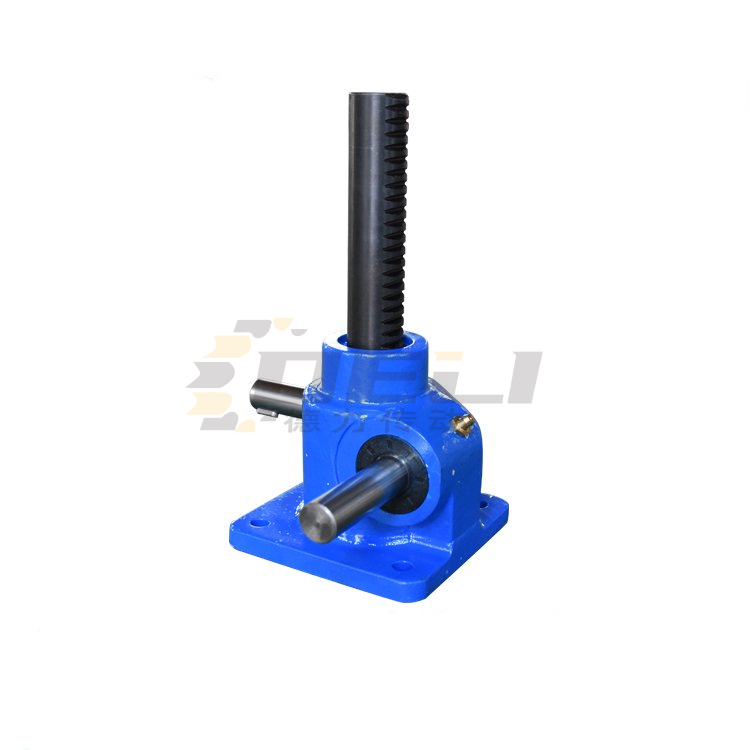







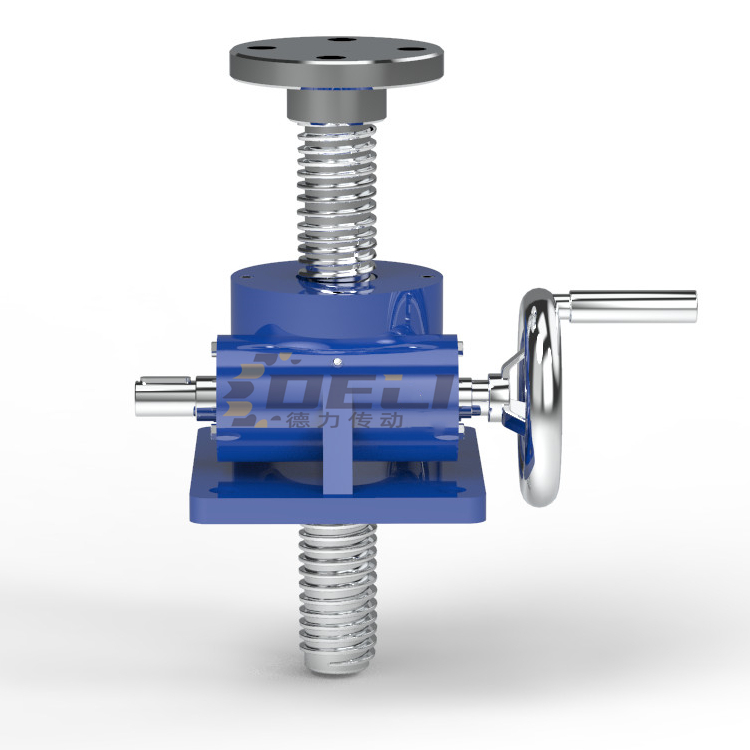
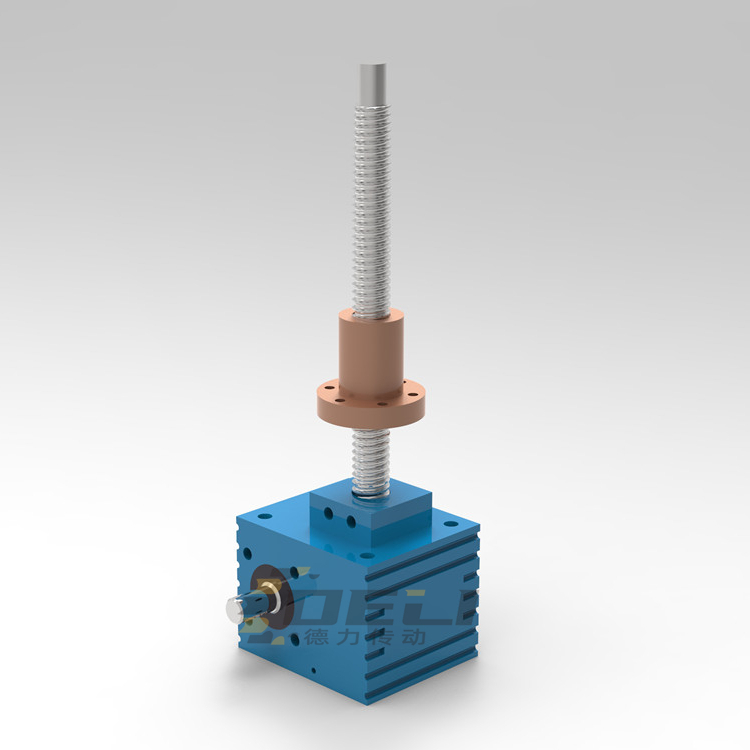
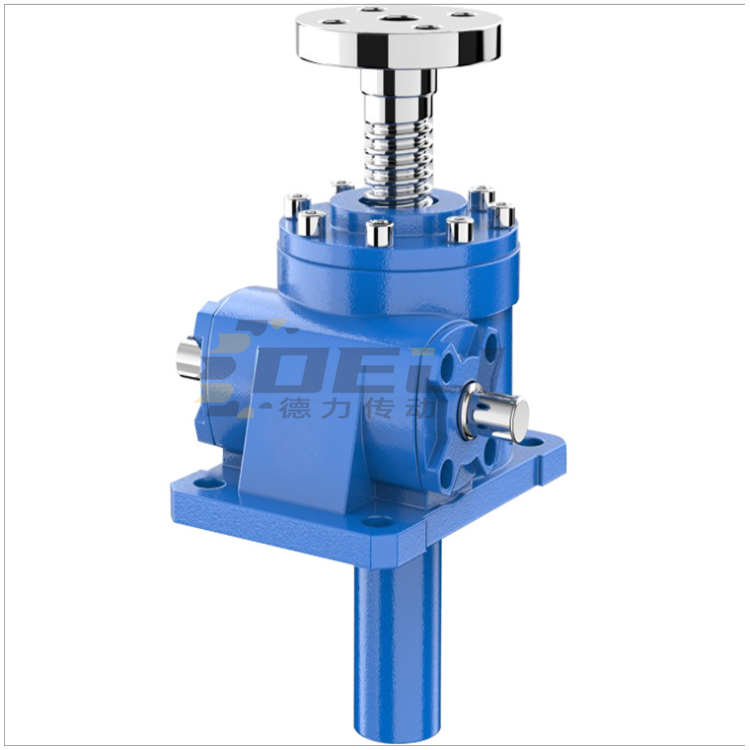
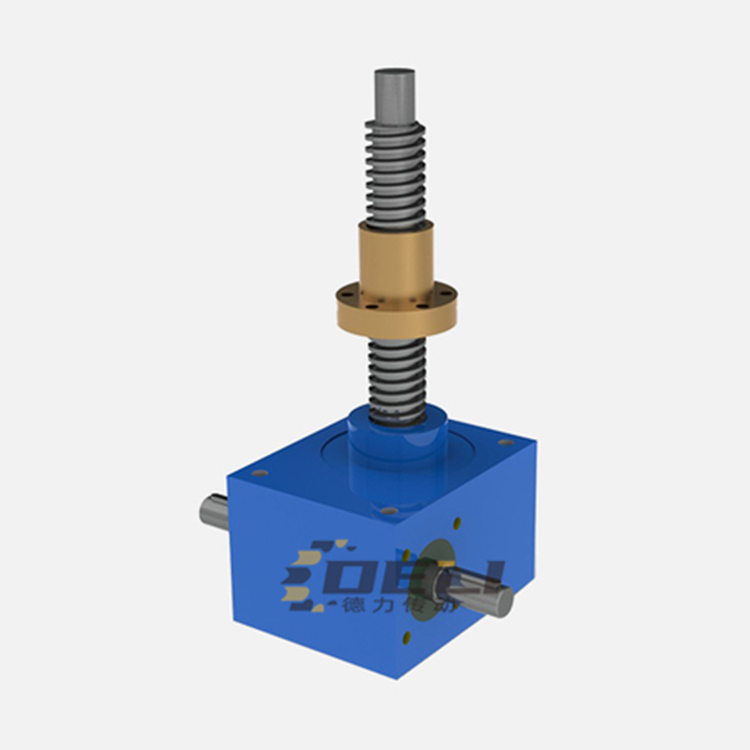
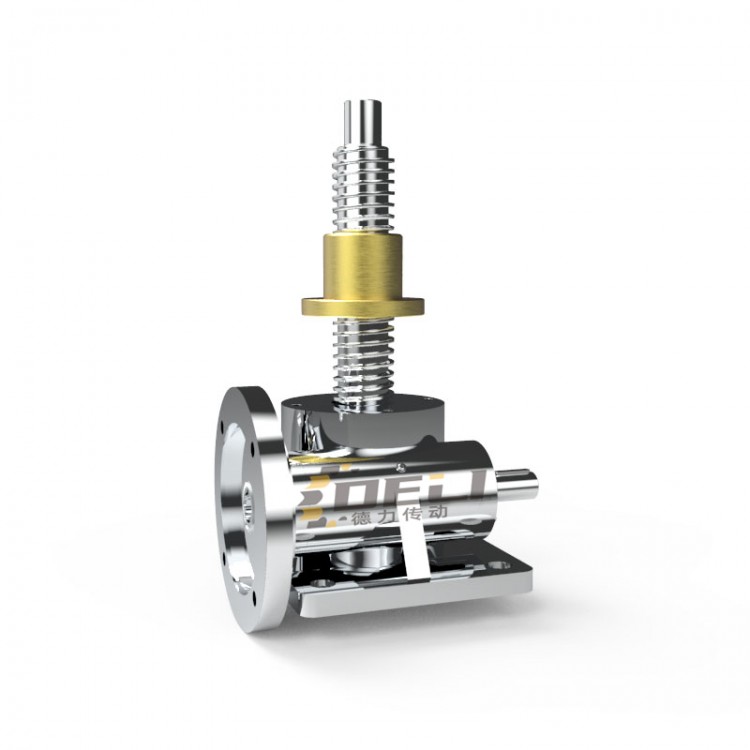
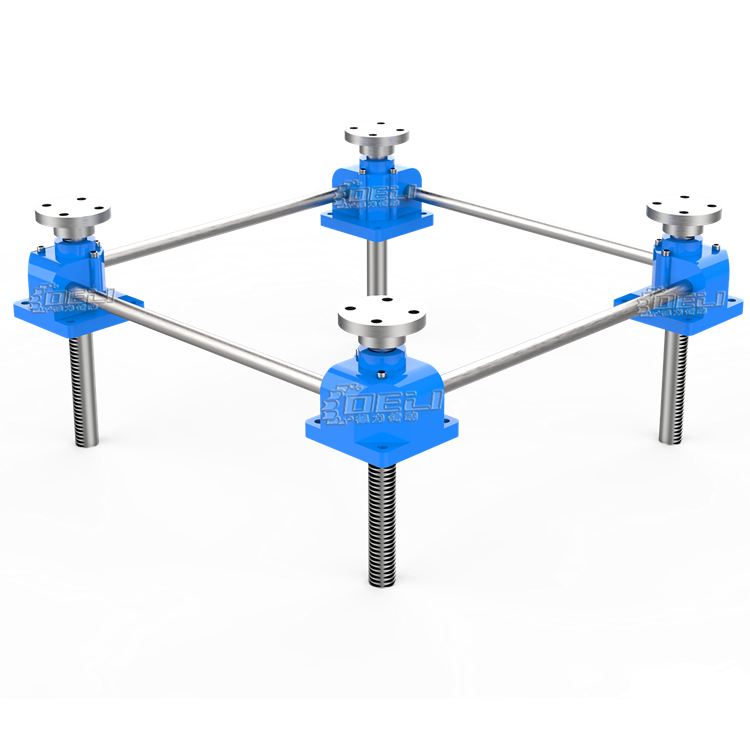
RNSeries J Rack and Pinion Elevator:1. It is a basic split-type model; specifications include RNJ10-RNJ50, available in 3 specifications depending on the direction of the output shaft. 2, driven by a cylinder, no reduction, capable of movement.
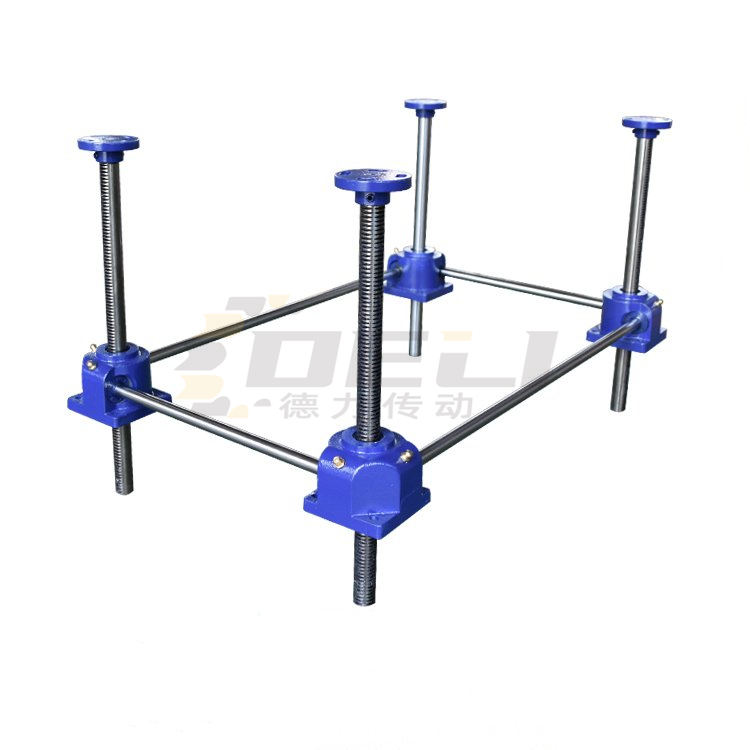
RJ-4S Series Rack and Pinion Lifts:1. It is the basic combo model, specifications available include RNJ10-4S to RNJ50-4S, available for size and stroke customization. 2, capable of handling heavy loads.
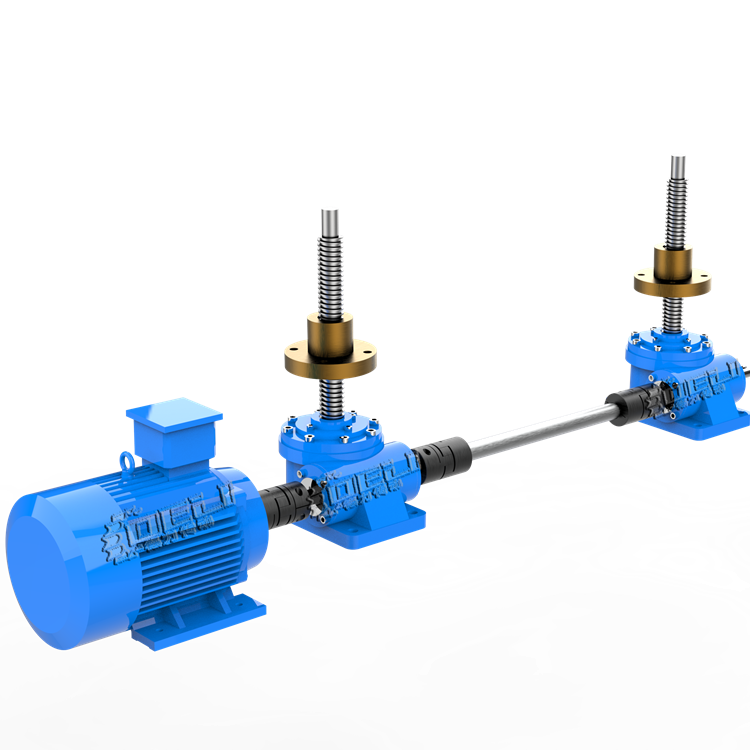
RJ-4SB series rack and pinion lift, 1. Equipped with a gearbox on the drive shaft of the RJ-4S series, it can be directly connected to the motor. 2. Suitable for cleanroom environments when not using gears or sprockets.
1. RJ4SH series gear rack lifting machine 1, equipped with a turbine reducer on the drive shaft of the RJ-4S series, can be directly connected to the motor. 2. The turbine reducer features a reduction ratio, making it adaptable to general motors or servo motors.
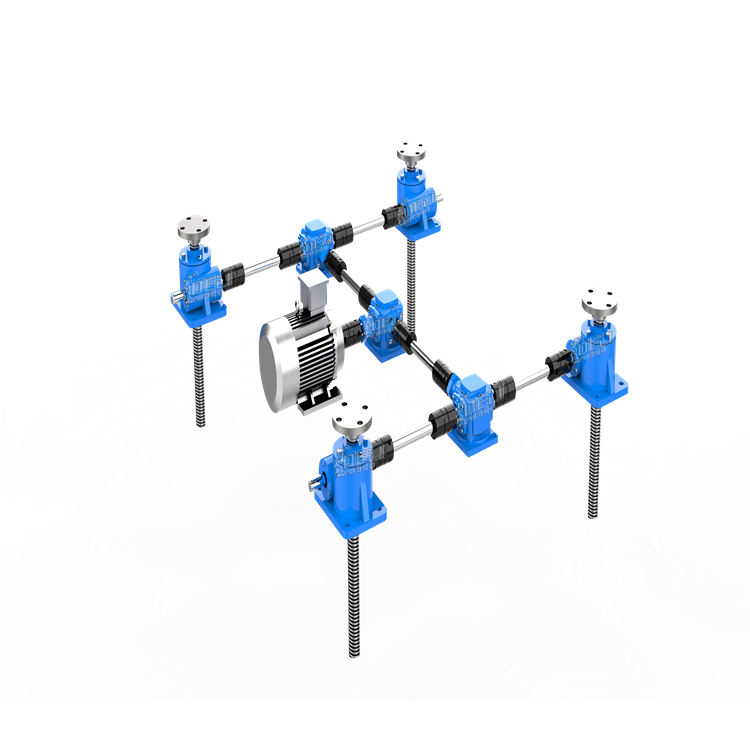
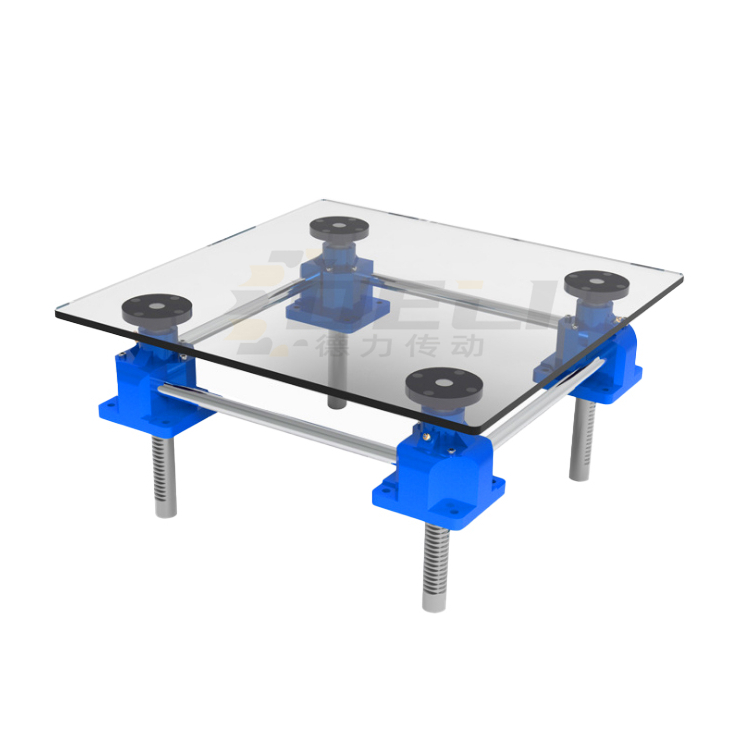
1. Operating Principle:By means of the coordinated interaction between gears and racks, it ensures the simultaneous lifting and lowering of four or more support points, thereby achieving smooth up and down movement of the work platform. The synchronous error of the four support points can reach0.5mm
2. Synchronous Elevator Structure and Performance:① The synchronous lifter is a structure composed of a gear box with gears and racks, combined with a shaft, used for synchronizing the upper and lower surfaces during lifting or lowering operations. ② The gears inside the gear box mesh and operate together, resulting in almost no noise. ③ The lifting/lowering movement can still operate normally even with less than 50% bias pressure. ④ Its guide rail is composed of modular units, with standardized components. The lifter is a passive type, powered by a cylinder, which serves as a guide and synchronization mechanism.
3. Features of the synchronized lift mechanism:① Genuine quality and simplified design; compact parts with high durability; can be assembled according to the designer's requirements, reducing design time. ② Model selection; choose different models based on varying loads, strokes, and series. ③ Axial spacing selection: Pay attention that intermediate support should be added when the axial spacing exceeds the corresponding length. ④ Smooth and quiet operation during up/down movement; the gear and rack structure ensures meshing, maintaining synchronization even in harsh environments.
4. Widely applicable:Suited for assembly engineering on automated production lines or logistics lines Automated Warehouse Automated photovoltaic production line Wait for general industrial machinery equipment.
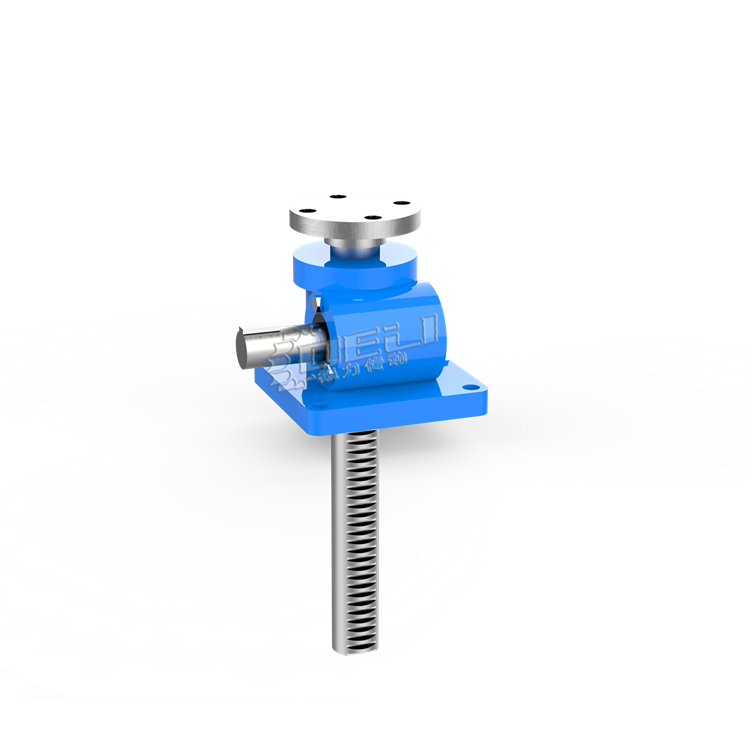
RJ series rack and pinion lifting mechanism
1. It is a basic split-type model, available in specifications ranging from RJ10 to RJ50. These can be divided into 3 types based on the direction of the output shaft.
2. Driven by a cylinder, it has no built-in deceleration and can achieve movement.
RJ-4S Series Gear Rack Lift
1. It's a basic combo model, with specifications ranging from RJ10-4S to RJ50-4S, and dimensions and strokes can be set according to requirements.
2. Can withstand heavy loads
RJ-4SB Series Rack and Pinion Elevator
Gearboxes can be mounted on the drive shafts of the RJ-4S series for direct connection to the motor.
2. Can be used in cleanroom environments without gears or sprockets.
RJ4SH Series Rack and Pinion Elevator
The turbo-reducer can be installed on the drive shaft of the RJ-4S series for direct connection to the motor.
2. Turbine reducers have a reduction ratio, thus they can accommodate general-purpose motors or servo motors.