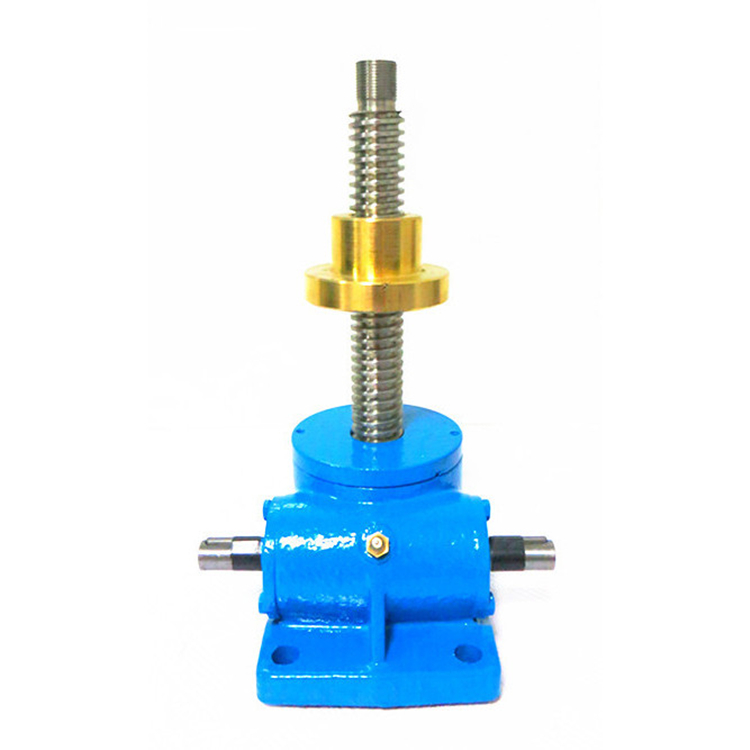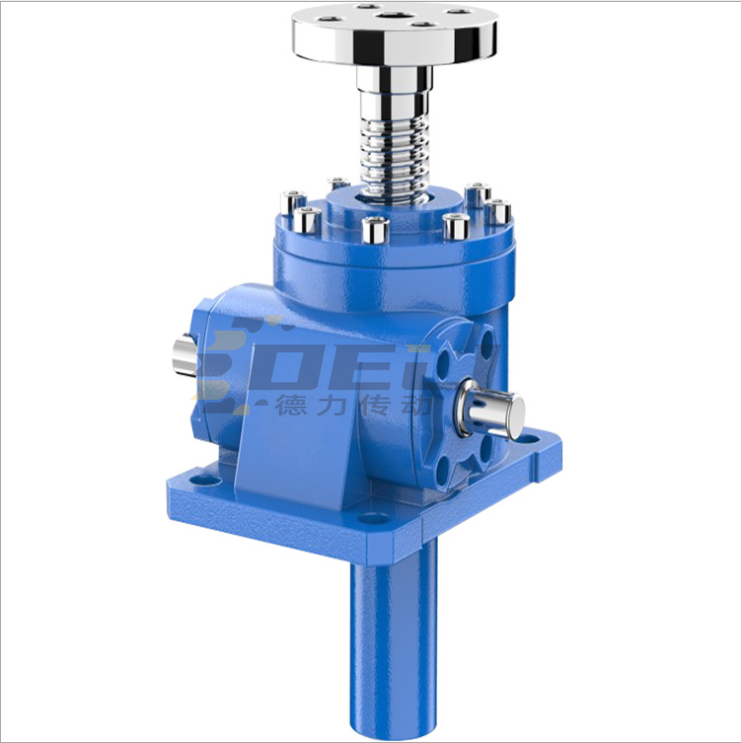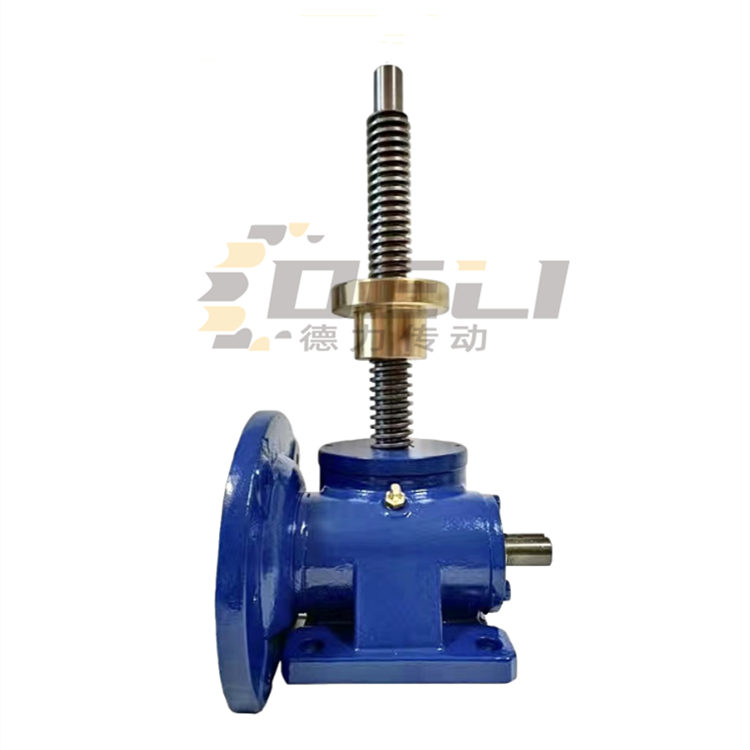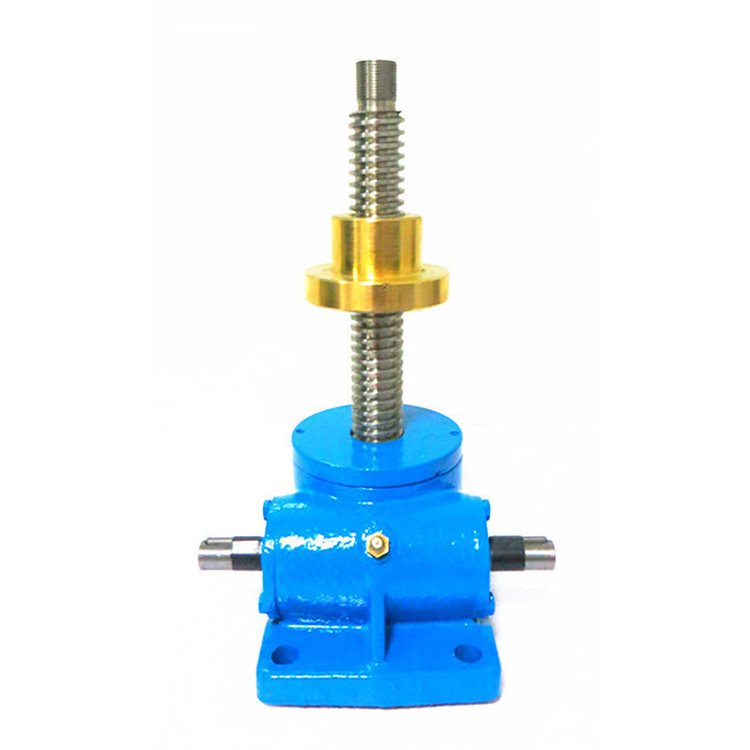
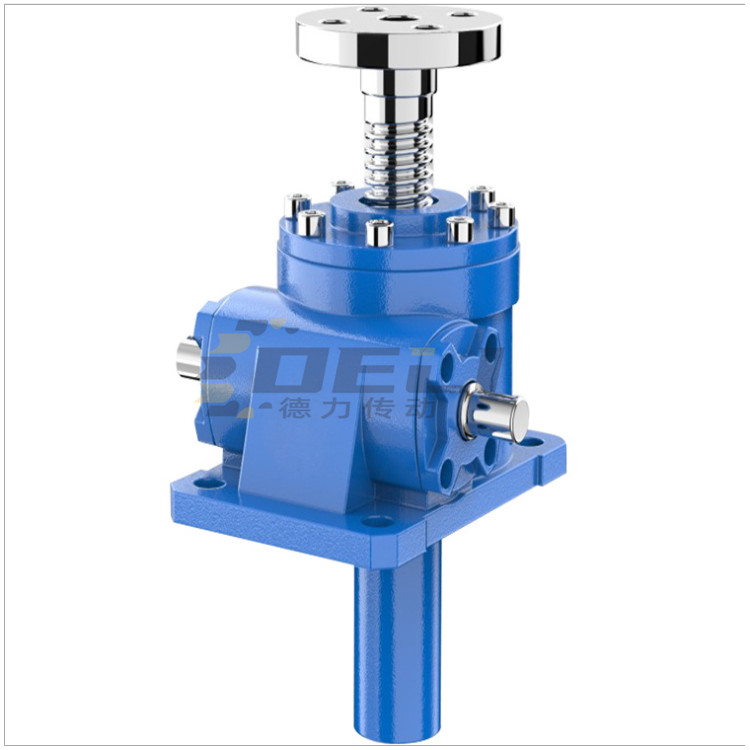
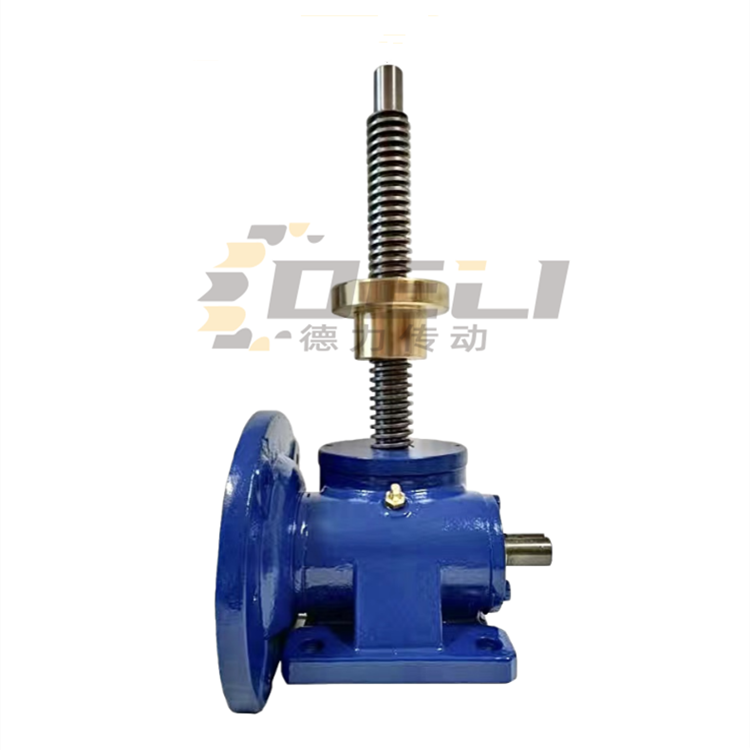







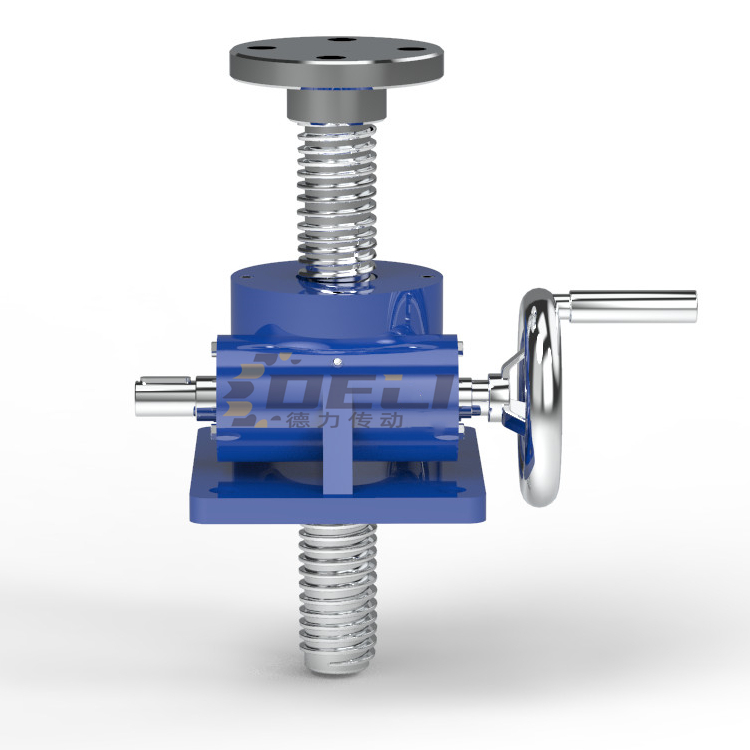
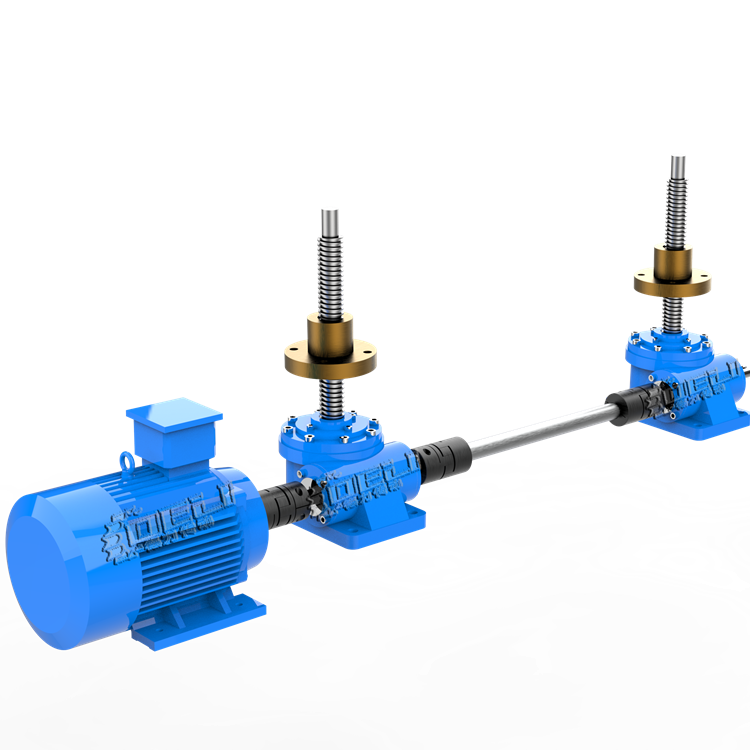
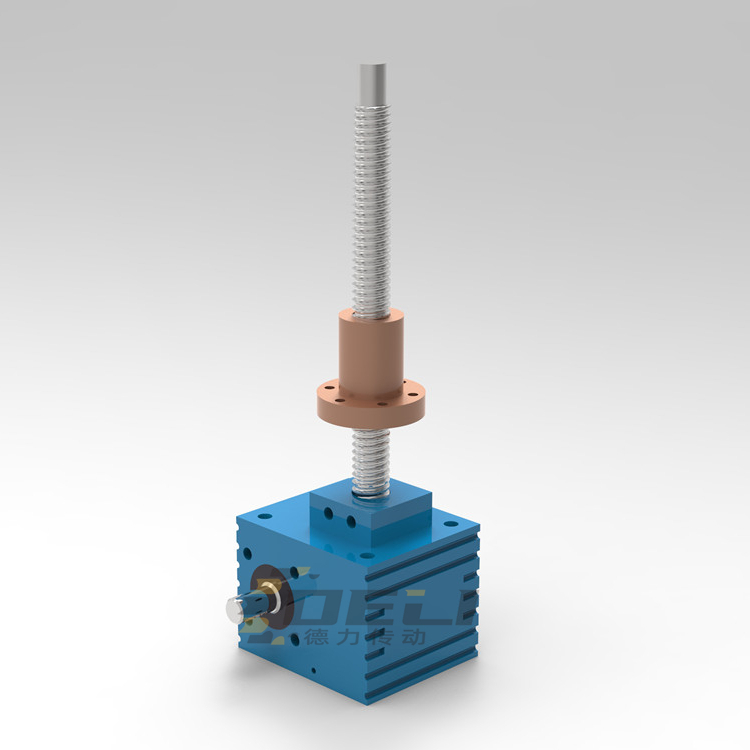
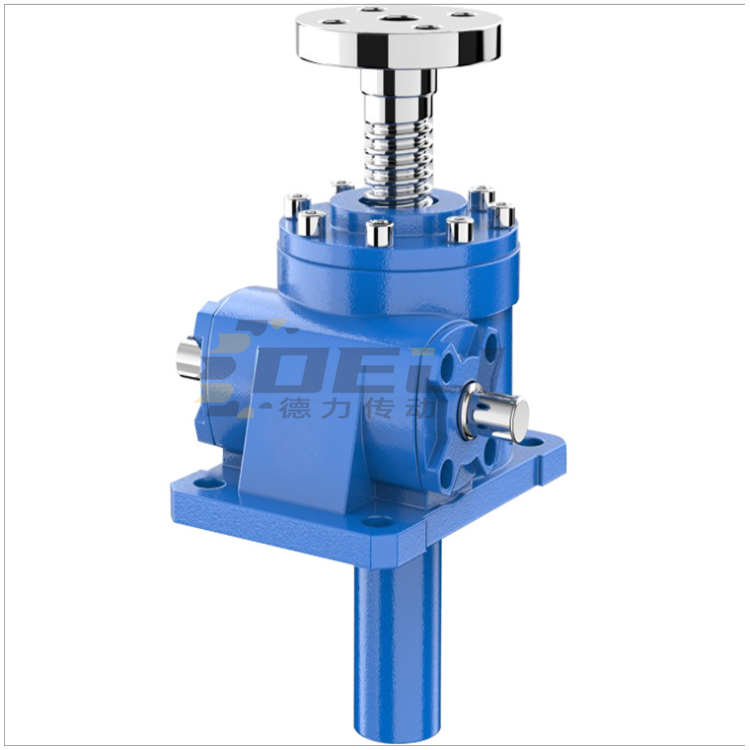
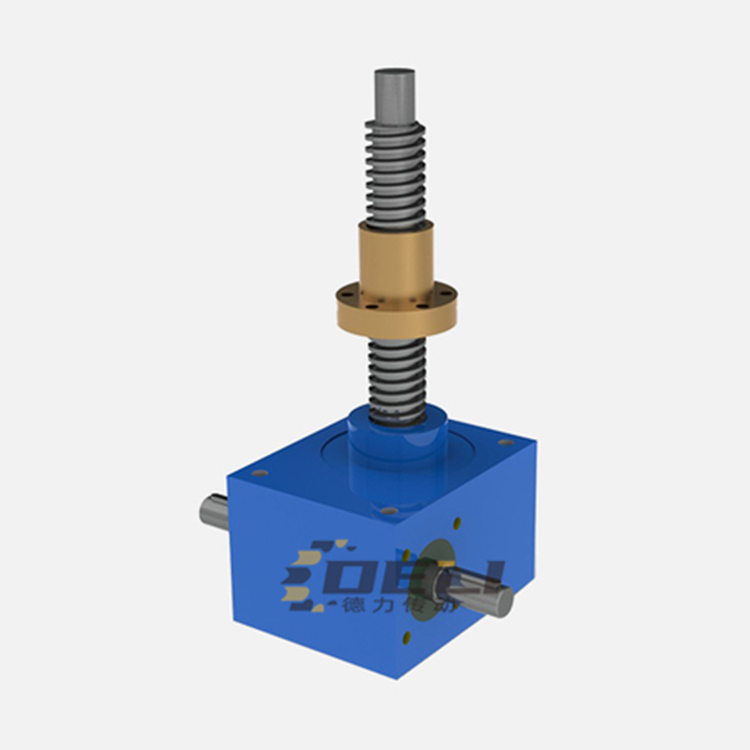
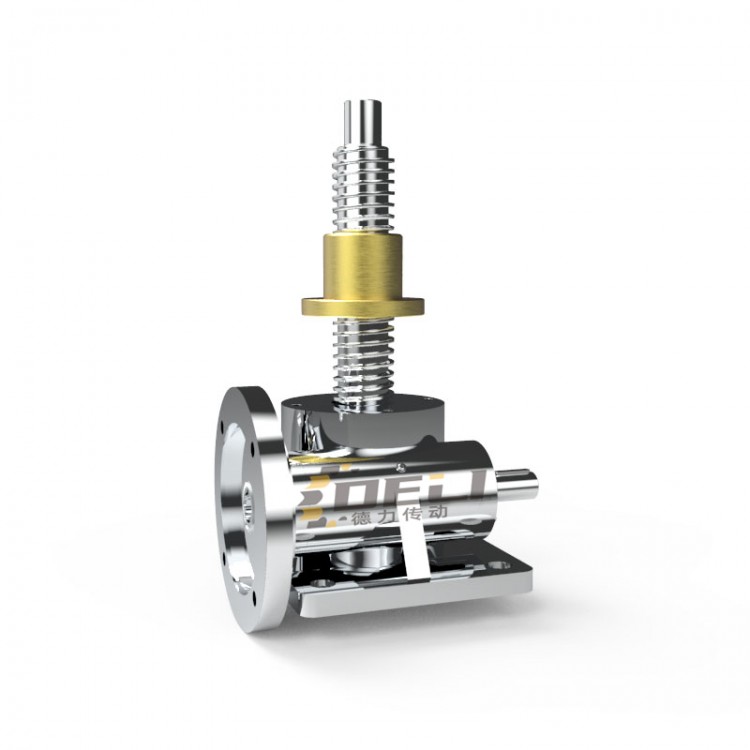
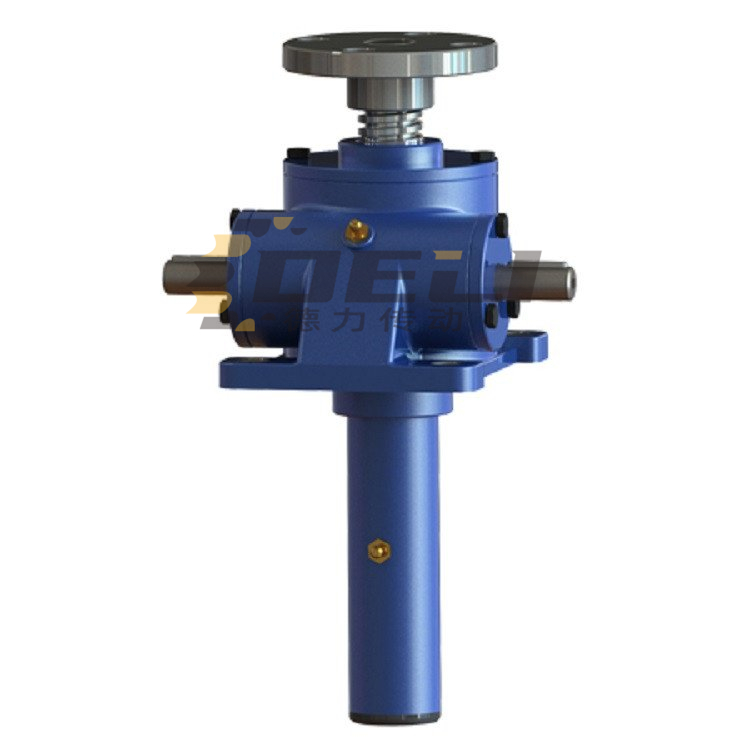
The SWL series screw jack is widely used in various industries such as machinery, metallurgy, construction, chemicals, culture, and public health. It can accurately control and adjust the lifting or advancing height according to a certain program, and can be directly driven by an electric motor or other power sources, or operated manually. The input speed does not exceed 1500 r/min, with a lifting speed of 2.7 m/min. It comes in different structural types and assembly methods, with lifting heights tailored to customer requirements. During operation, the SWL series screw jack boasts low noise, smooth transmission, and flexible operation. Moreover, to ensure safety during use, the jack is equipped with an automatic locking function. In the event of equipment malfunction, the jack can self-lock and stop movement, thereby ensuring the safety of the production environment and personnel.
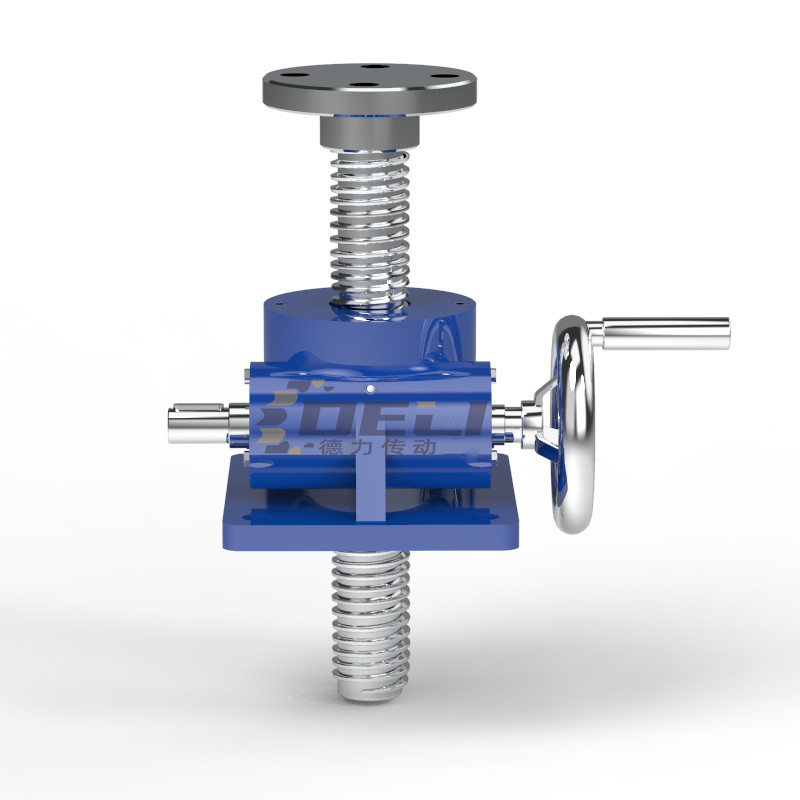
Screw Jack, also known as a helical drive mechanism.It is primarily used to convert rotary motion into linear motion or vice versa. There are types that primarily transmit energy, such as spiral presses and jacks; others that primarily transmit motion, like the feed screws of machine tool tables; and still others that adjust the relative positions of parts, such as spiral drive mechanisms. Screw lifts are differentiated by sliding friction mechanisms and rolling friction mechanisms.
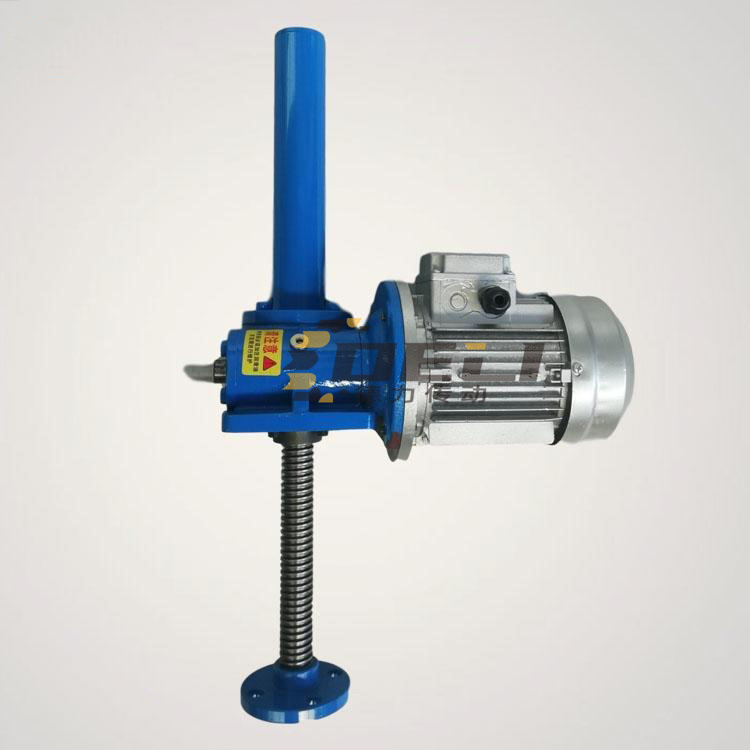
Features of screw jack:
1The working principle involves ball bearings placed between the screw thread groove of the lead screw and the nut.
2As the screw or nut rotates, the ball bearings roll along the thread groove, generating rolling friction between the screw and nut during relative motion. To prevent the ball bearings from rolling out of the groove, return guide devices are installed at both ends of the nut's helical slots.
3They form a closed loop with the threaded groove, allowing the ball to circulate within the nut's groove.
The transmission type is based on the combination of relative motion between the screw and nut. There are two basic types of fundamental transmission for screw jacks.
(1)Nut fixing, screw rotation and movement; this type of transmission, due to the nut's inherent supporting role, eliminates the additional axial movement that may be caused by screw shaft bearings, resulting in a simpler structure and higher transmission accuracy. However, its axial dimension should not be too long, as this would reduce rigidity. Therefore, it is only suitable for applications with shorter travel distances.
(2)The screw rotates, and the nut moves. This type of transmission requires limiting the nut's rotation, thus necessitating a guiding device. Its features include a compact structure, good rigidity of the screw, and suitability for applications with larger working travel.
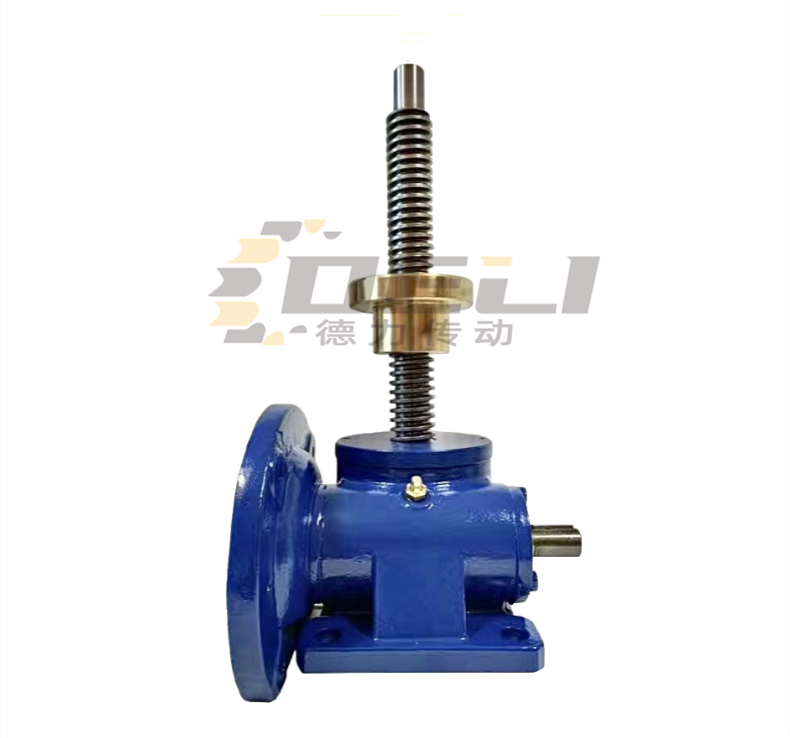
The screw jack is widely used in various industries such as machinery, metallurgy, construction, chemical, cultural and health sectors. It can accurately control and adjust the lifting or advancing height according to a certain program, and can be directly driven by an electric motor or other power source, or manually.
This concludes our brief introduction to screw jack knowledge; we hope it proves helpful to you.
The screw jack mentioned above is one of our main products, featuring a compact structure, small size, light weight, wide power source, low noise, easy installation, flexible operation, multiple functions, various accessories, high reliability, and long service life.