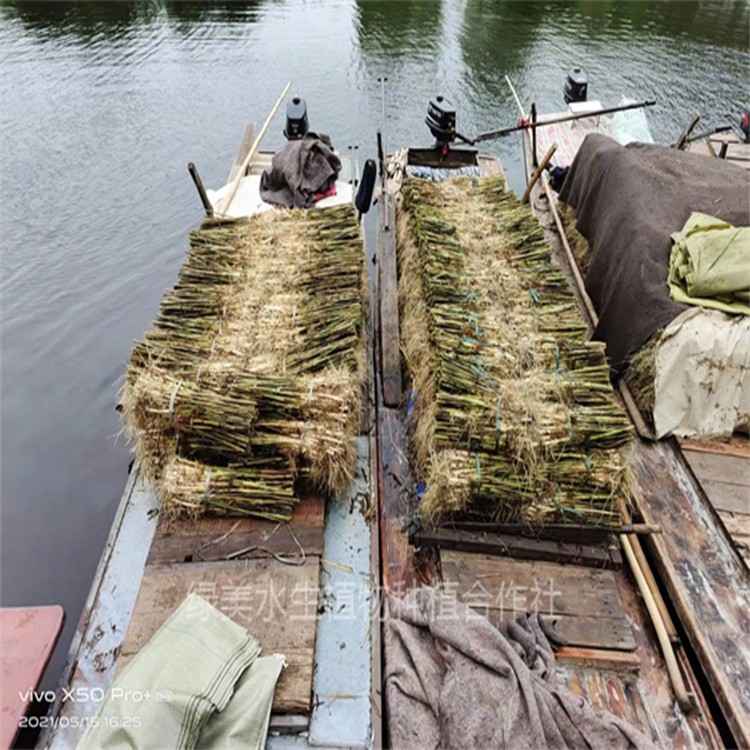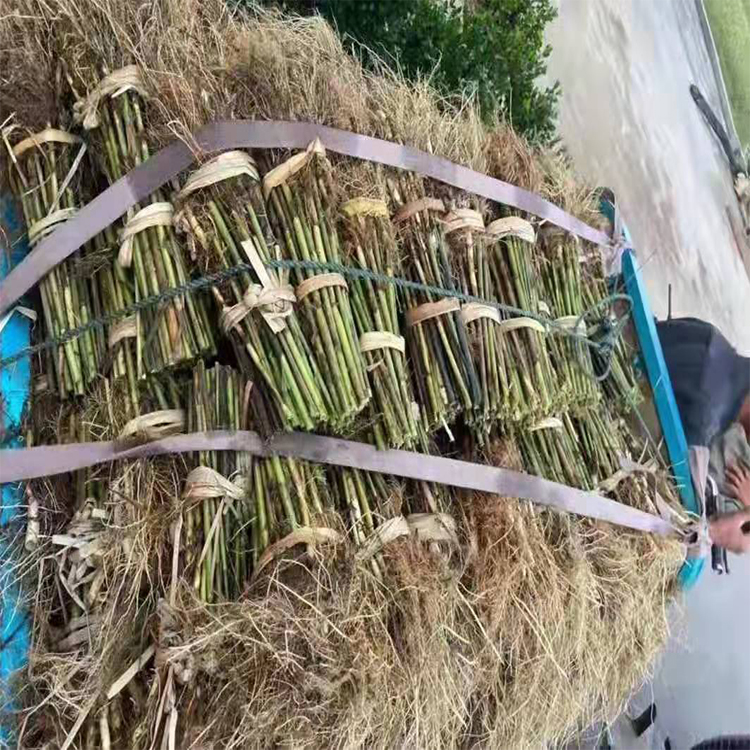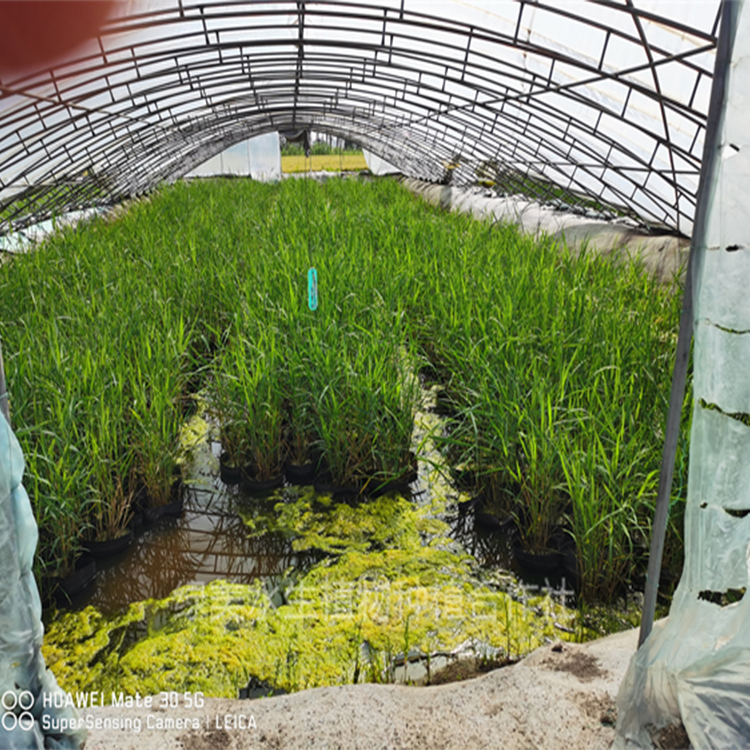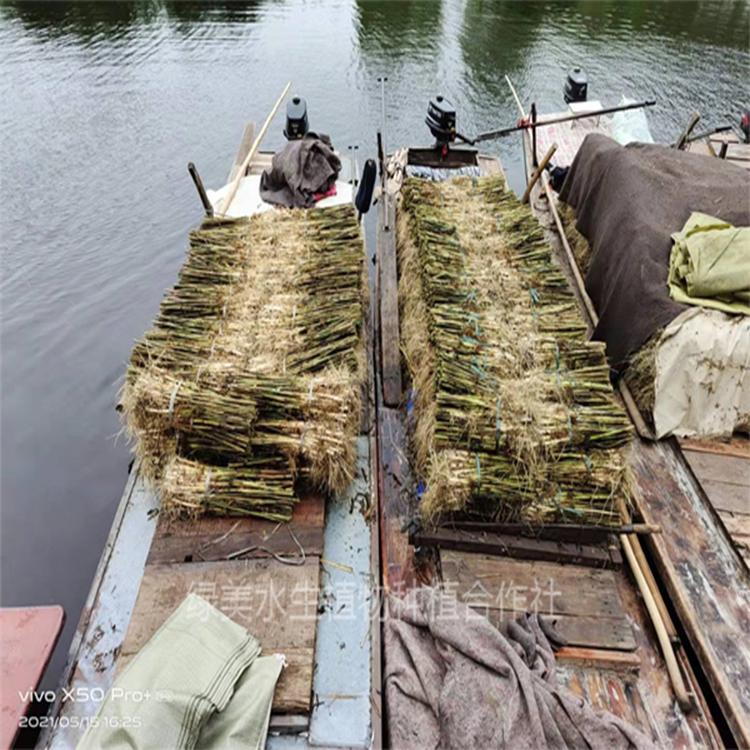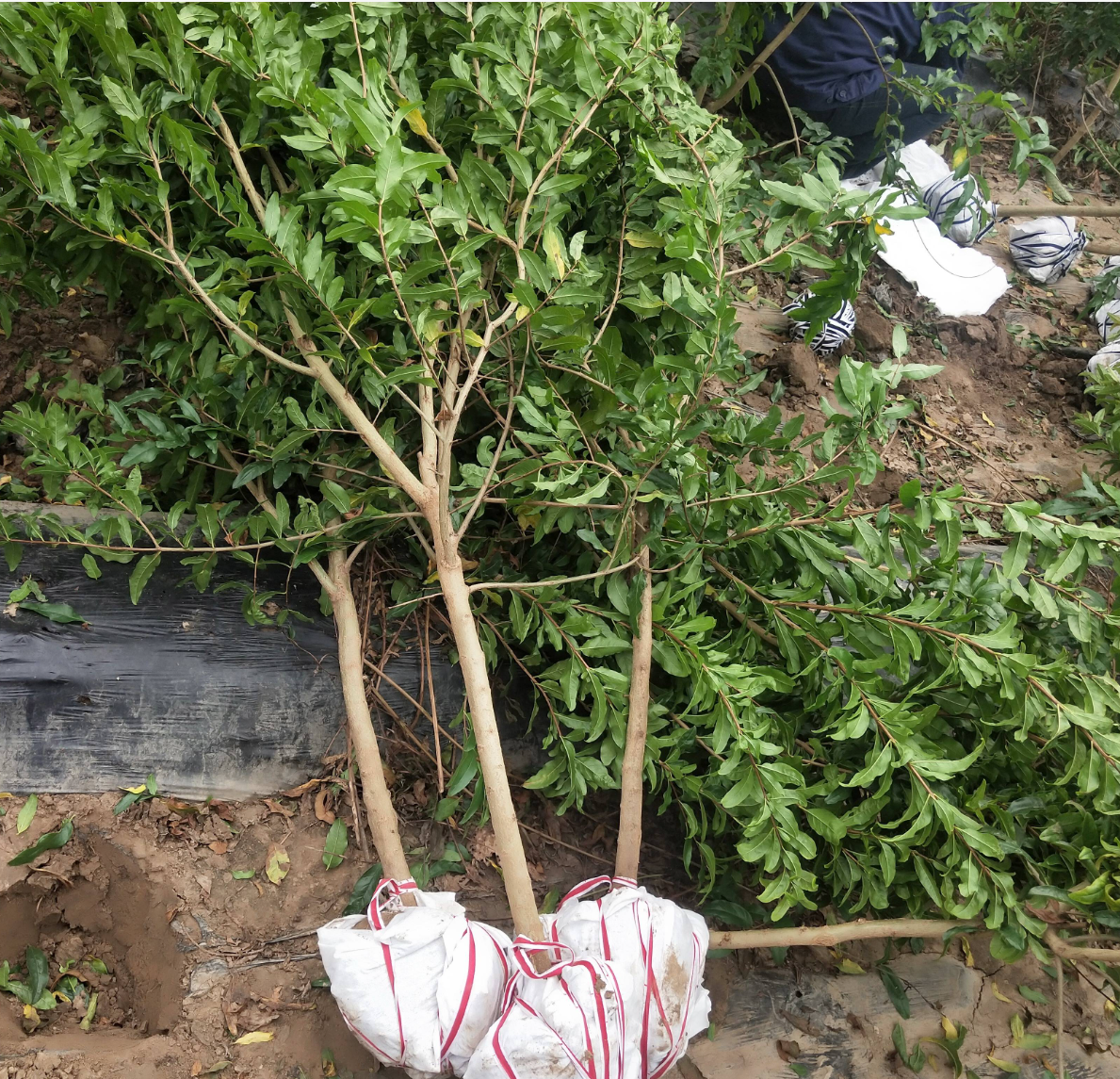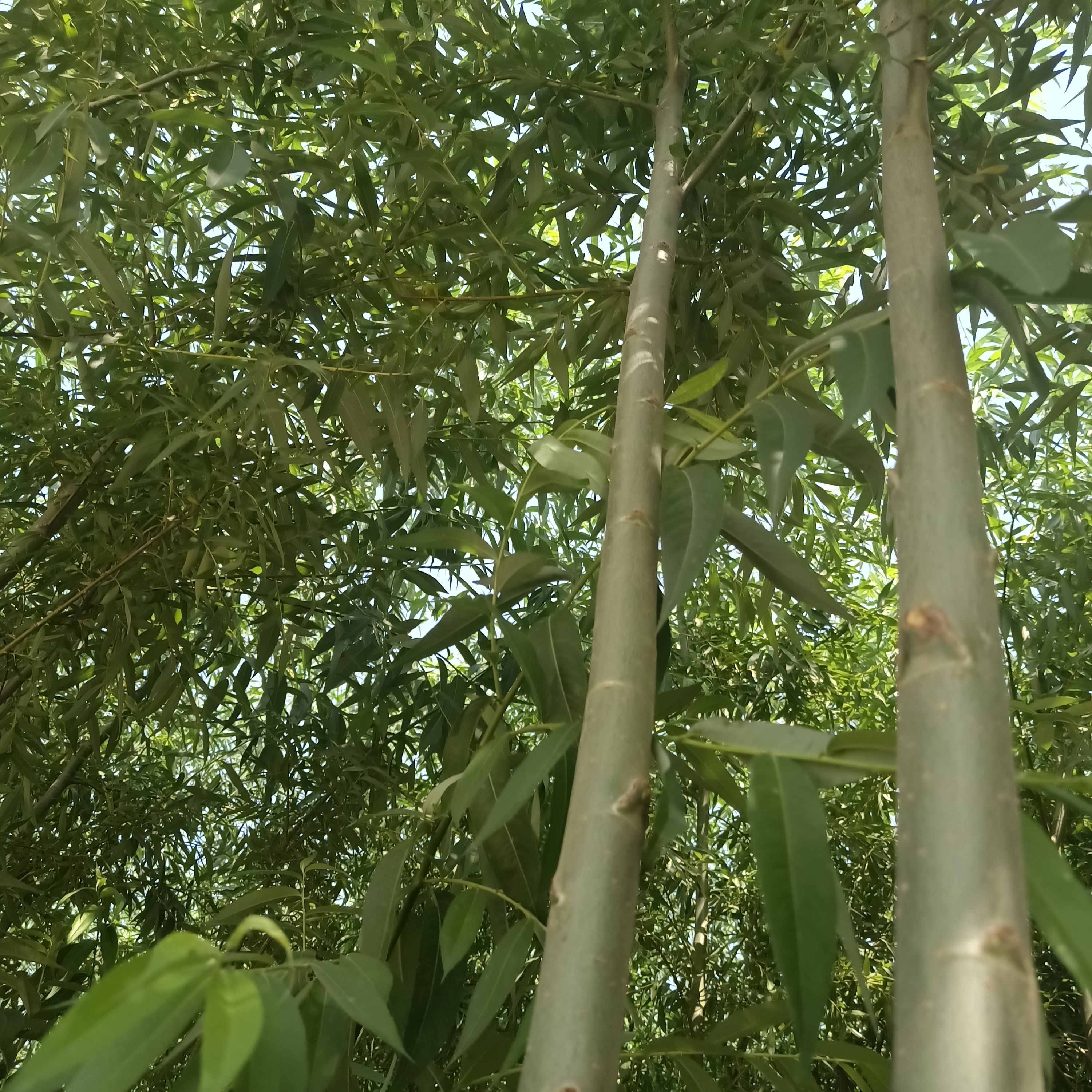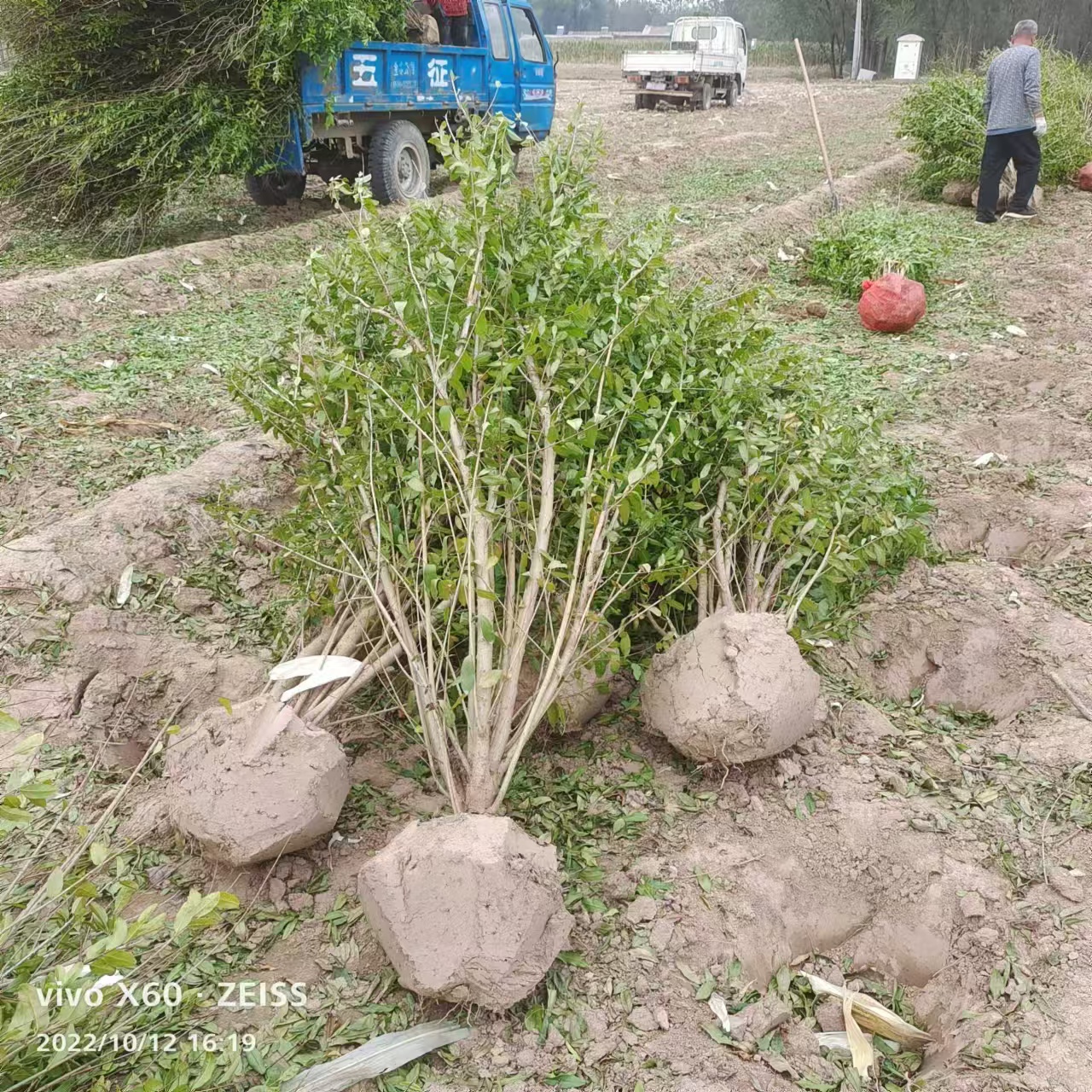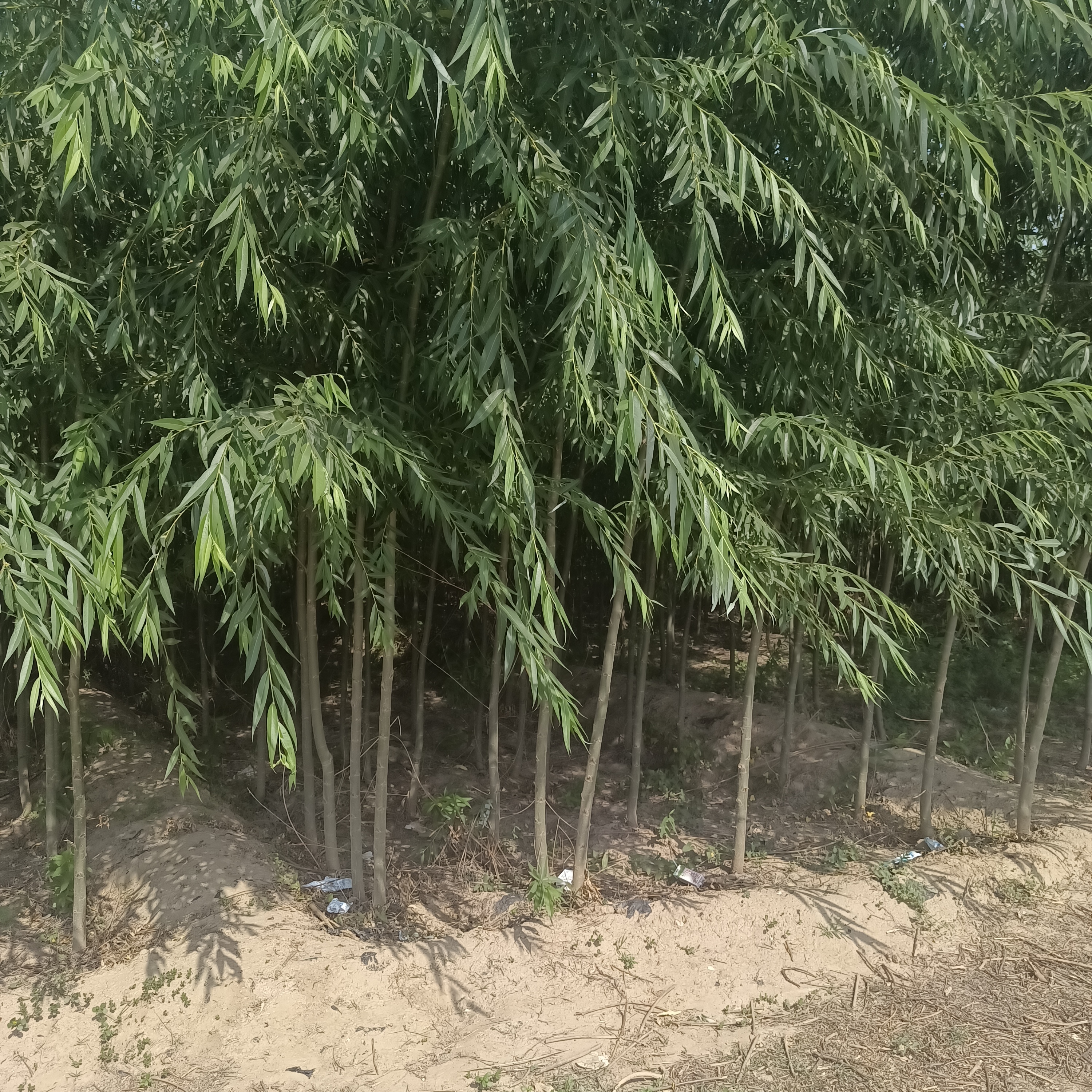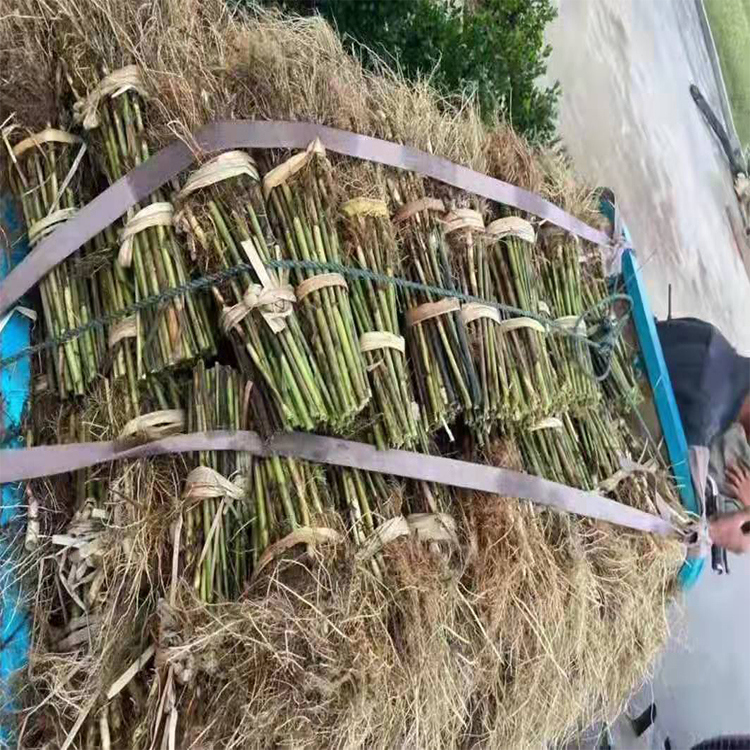
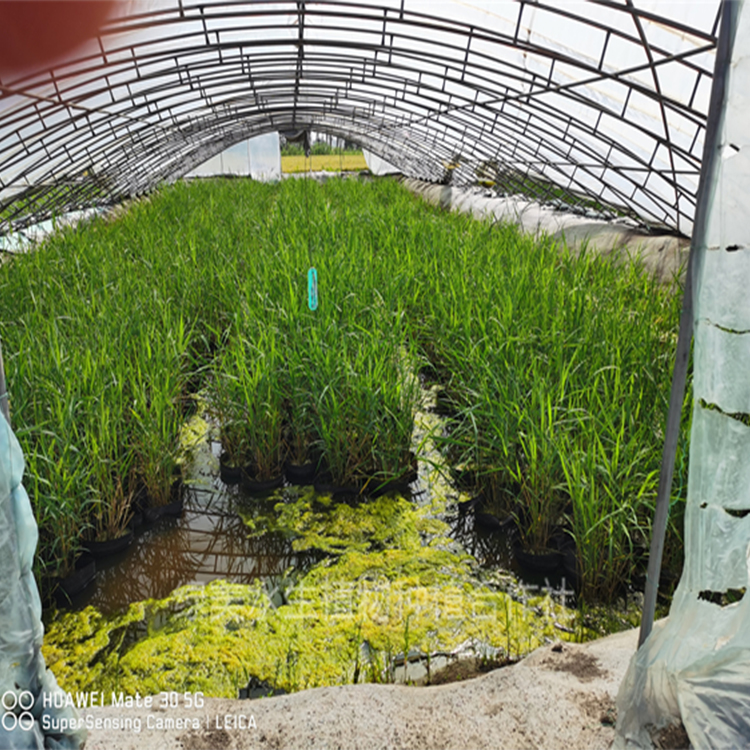
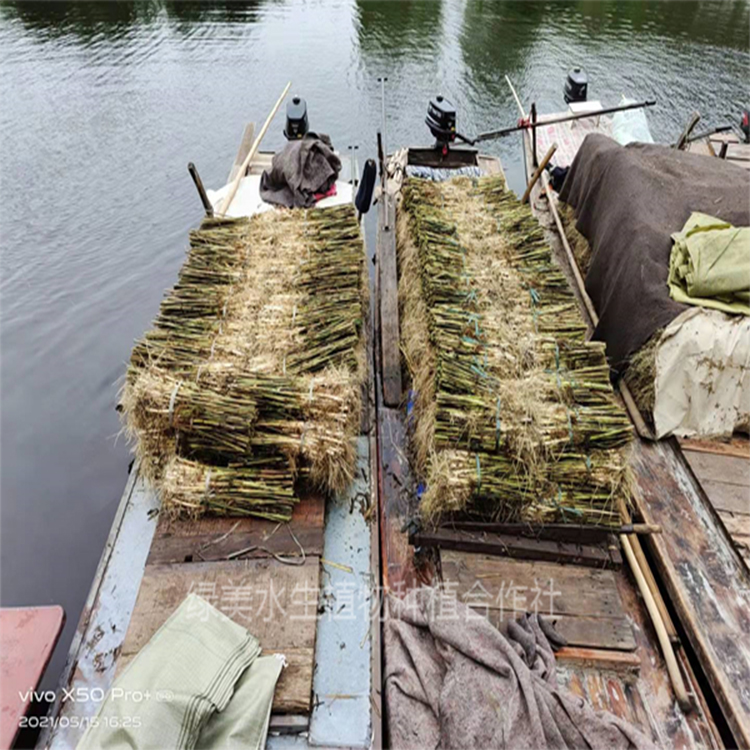









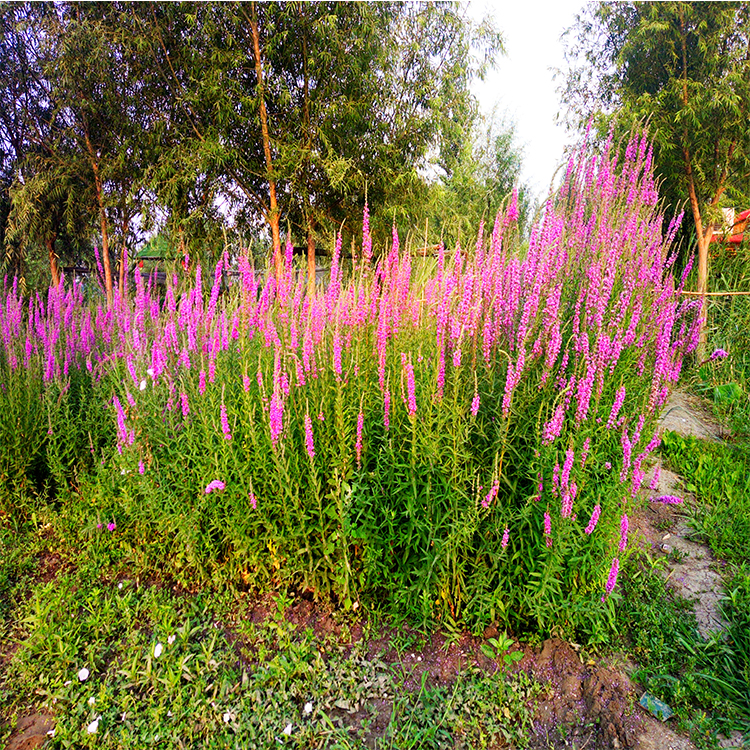
Reed, a tall aquatic or wetland grass, grows along irrigation canals, river embankments, and marshes worldwide. Its leaves, flowers, stems, roots, and shoots are all used in traditional medicine. Reed stems and roots can also be used in the paper industry and for biopharmaceuticals. Processed reed stems can even be crafted into art pieces. In ancient times, reeds were used to make brooms. Reeds are one of the main plants growing in wetland environments, often found in shallow water areas along ponds, riverbanks, and streams, often forming reed beds. Yu Yafei's poem describes it as: "In the shallow waters, a wetland, a cluster of graceful reeds; swaying in the wind, they display various poses; simple and unadorned, their rustic charm is profound."
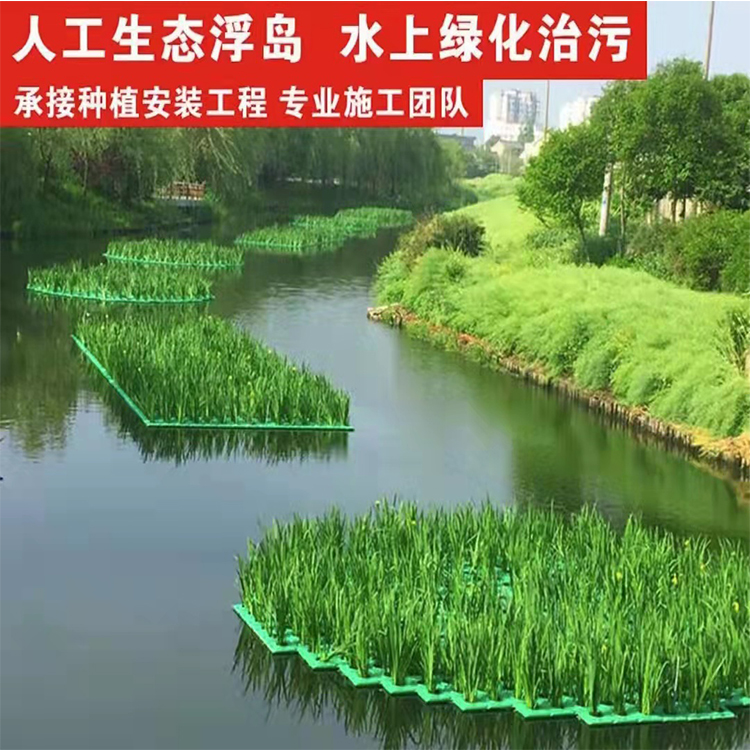
Reeds stand tall and sway gracefully in the wind, exuding a wild charm. Due to the aerenchyma present in the leaves, sheaths, stems, rhizomes, and adventitious roots of reeds, they play a crucial role in purifying wastewater. The sturdy reed stalks, with high fiber content, are a rare raw material in the papermaking industry. They grow more commonly along lakes.
Perennial, with a highly developed rhizome. The culm is upright, reaching 1-3 (8) meters in height, with a diameter of 1-4 centimeters, and has over 20 nodes. The internodes at the base and upper part are shorter, with the long internodes located on the lower fourth to sixth nodes, measuring 20-25 (40) centimeters, and the nodes are coated with wax powder.
The lower sheath is shorter than the upper one, which is longer than the internodes; the leaf margin is densely covered with a ring of short bristles about 1 mm long, with the lateral margins having bristles 3-5 mm long, which are easily shed; the leaf blade is lanceolate-linear, 30 cm long, 2 cm wide, hairless, with the tip gradually tapering to a filiform shape.