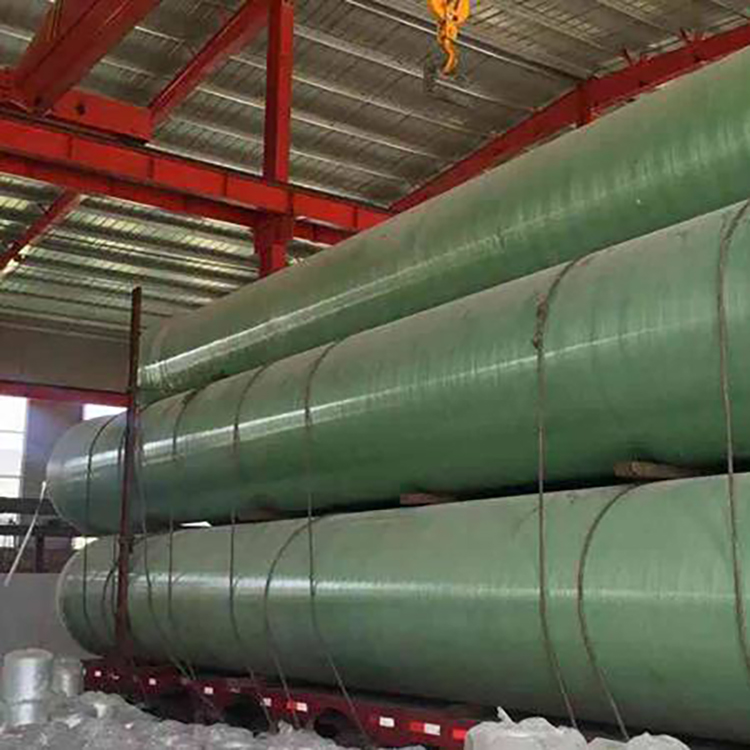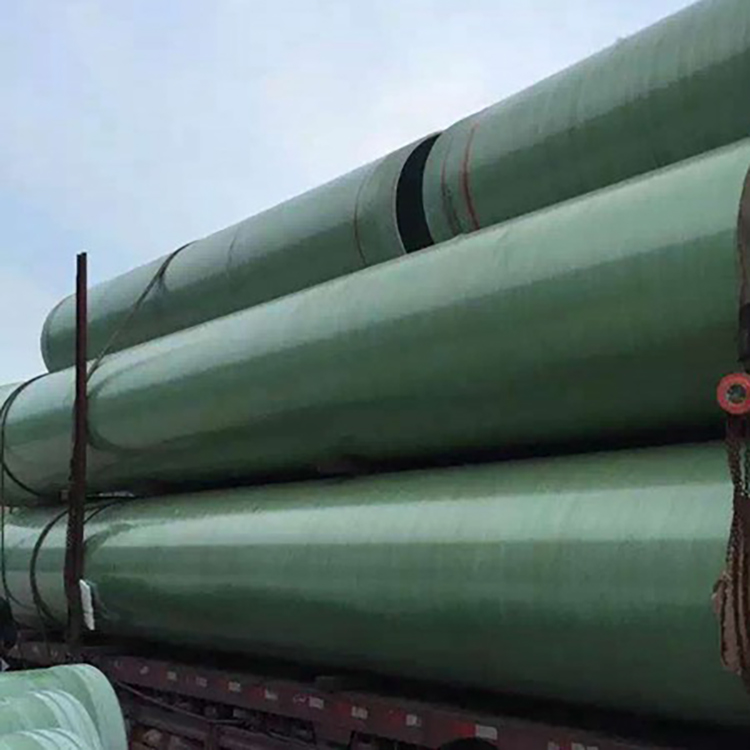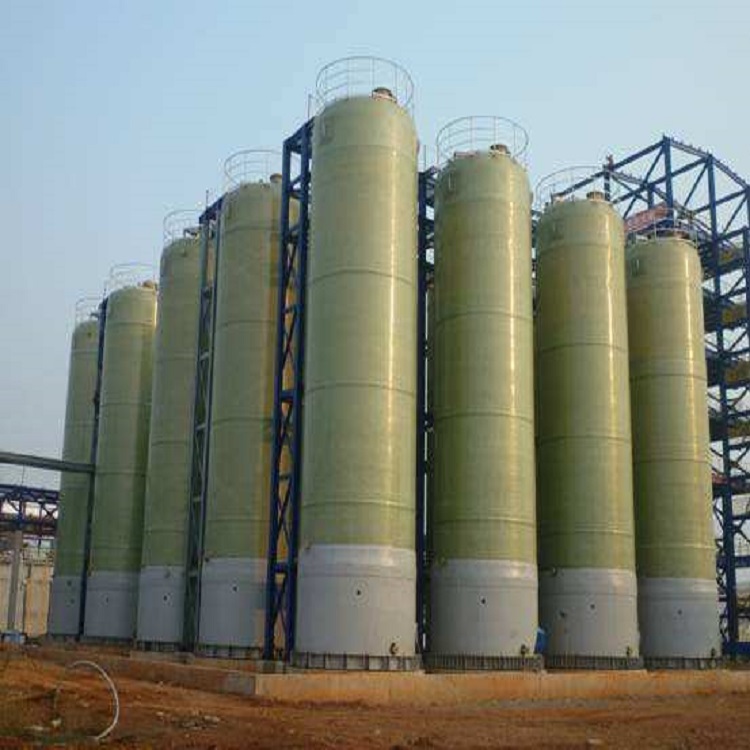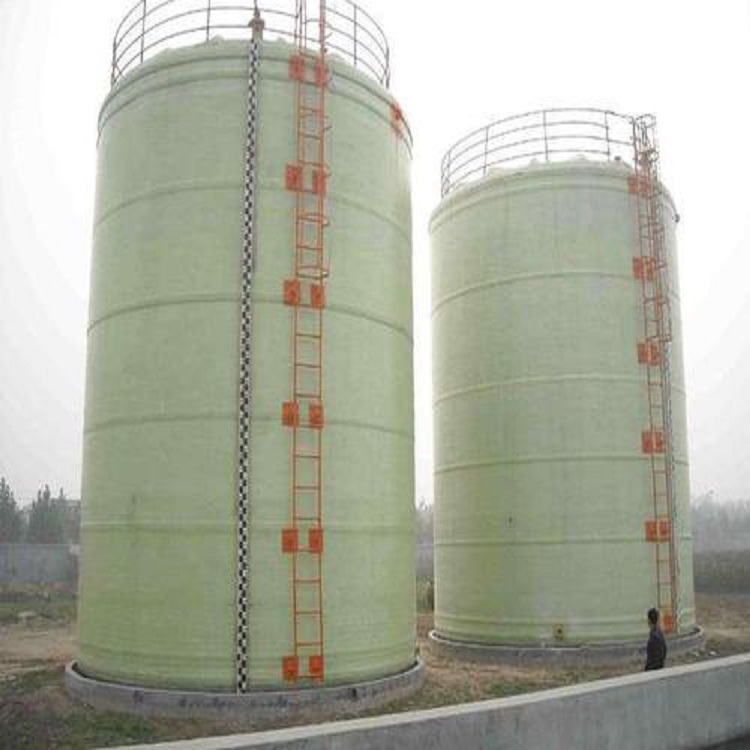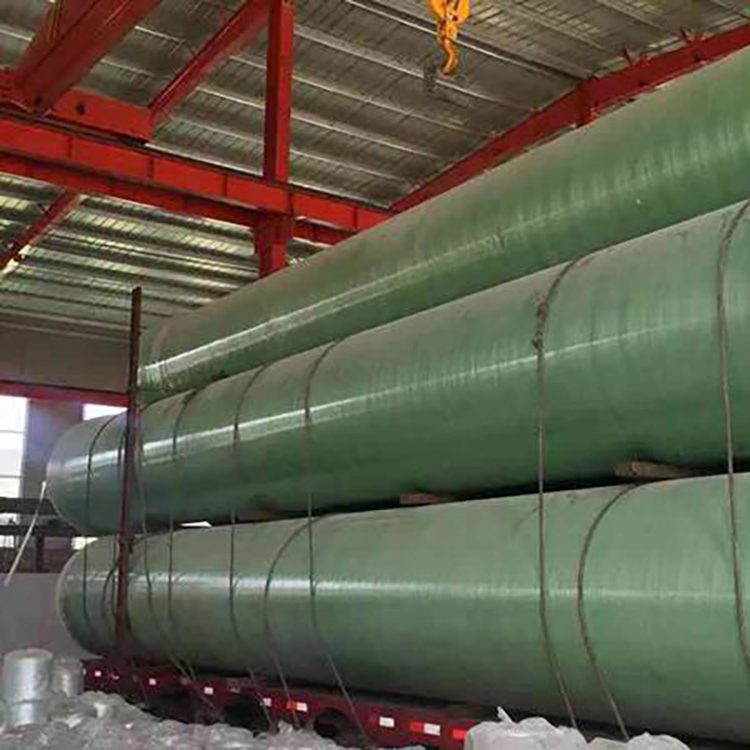


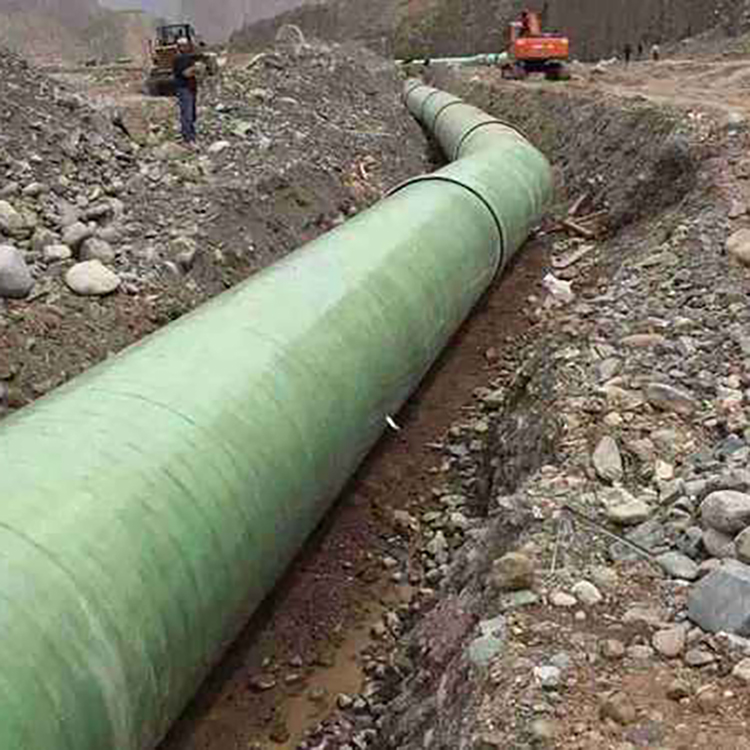
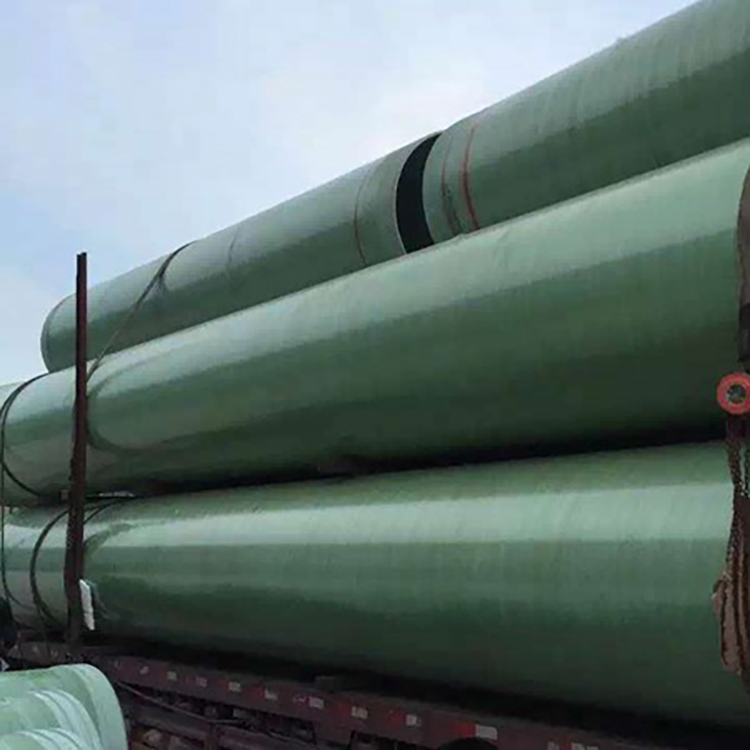


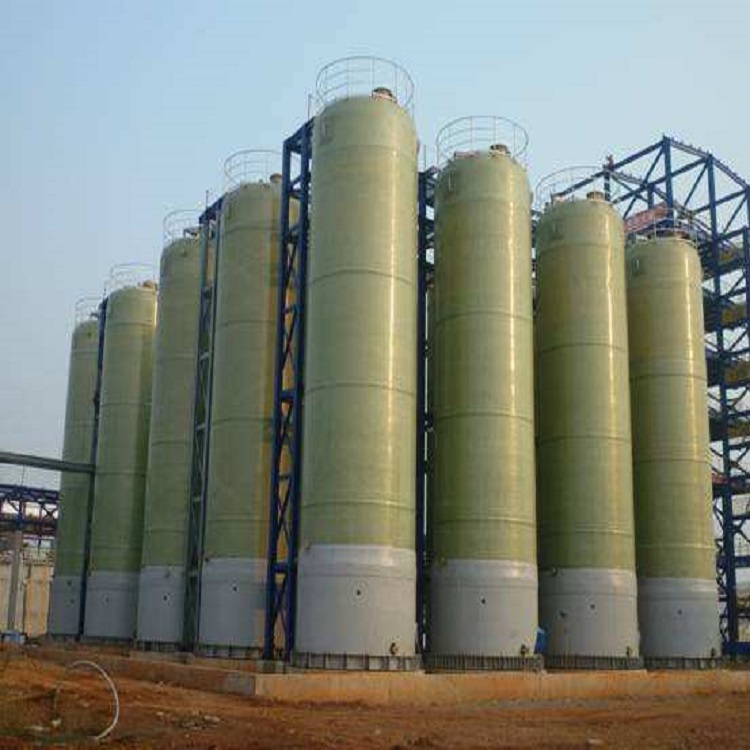
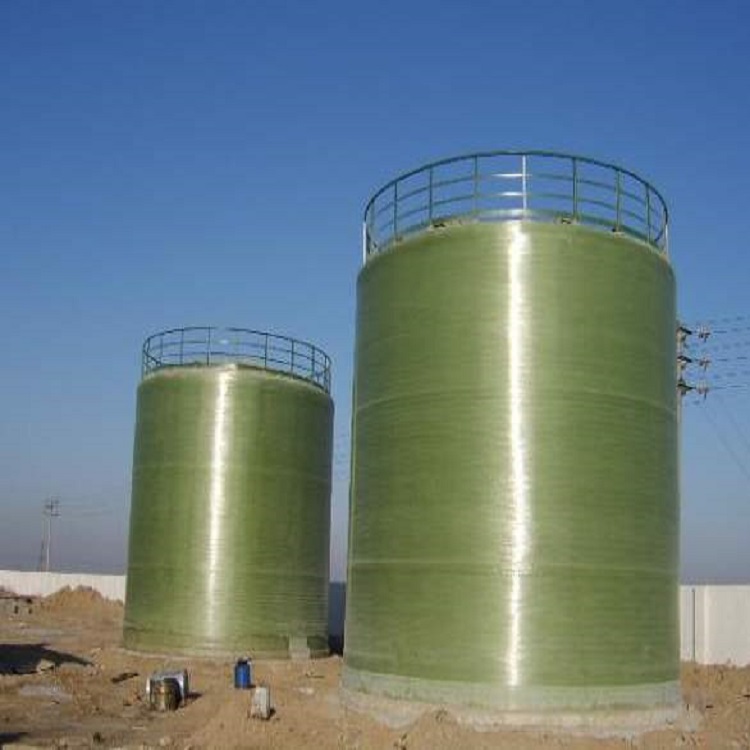
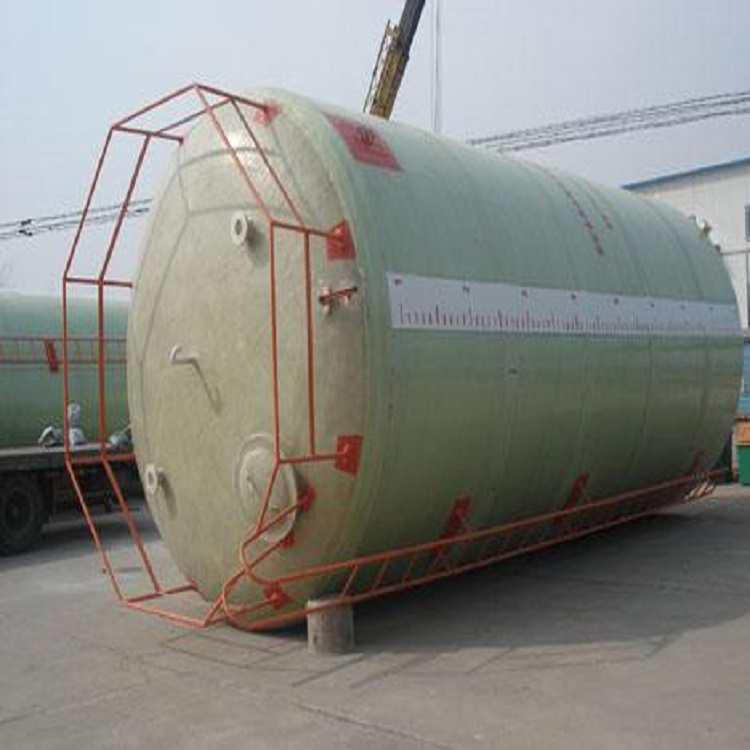
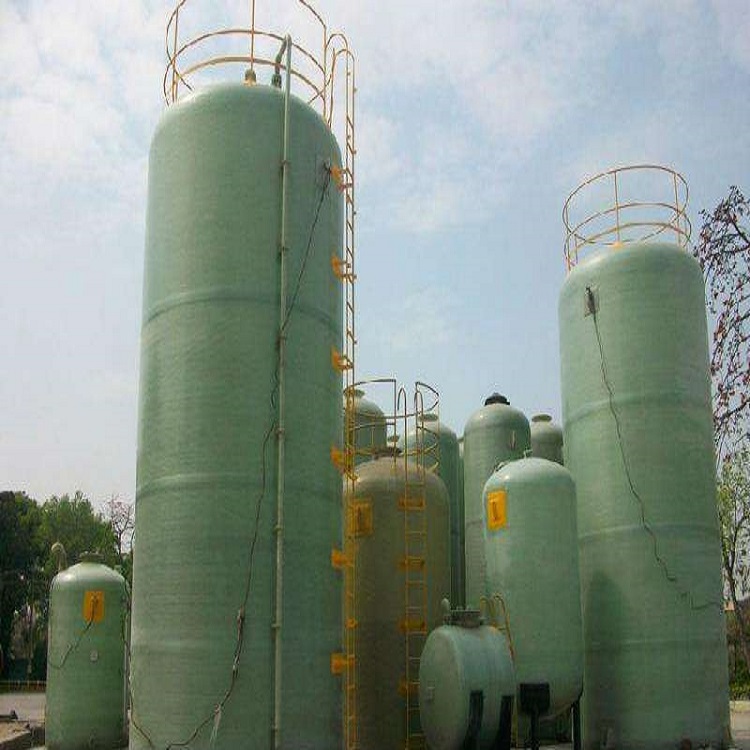







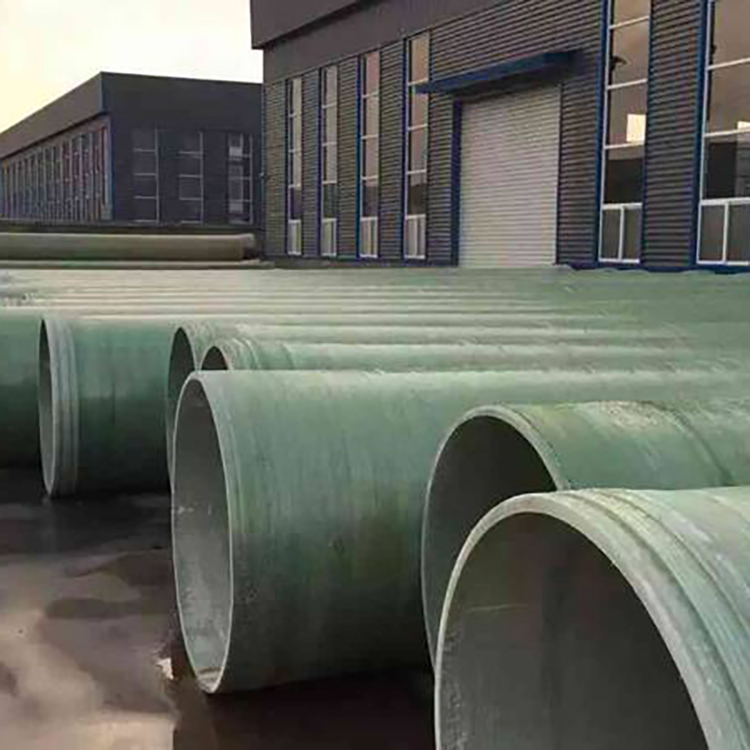
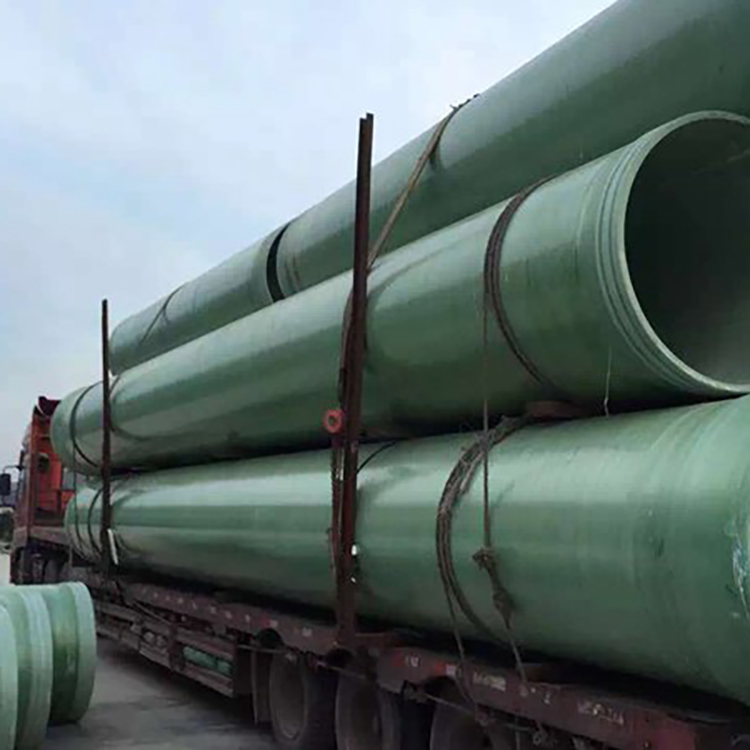

One, Overview: Mechanical winding fiberglass reinforced plastic (FRP) pipes are lightweight, corrosion-resistant, non-metallic pipes. They are made by using resin as the matrix and glass fibers as the reinforcing material through special processes. These pipes offer advantages such as corrosion resistance, leakage prevention, insulation, light weight, long lifespan, high design flexibility, low fluid resistance, easy installation, and low overall cost. They are widely used in industries such as oil, chemicals, electricity, papermaking, urban water supply and drainage, industrial wastewater treatment, gas transmission, and mining. They are ideal for transporting liquids and gases. In recent years, the production of FRP pipes in China has developed rapidly, with increasing quantities year by year and expanding application ranges and departments.
Section II: Connection Fittings: Push-fit, flanged, socket weld, O-ring bend, tee pipe, reducing elbow, flat weld flange, etc. Section III: FRP Pipe Classification: Mainly categorized by manufacturing process as follows: Pure FRP pipe, sand-filled pipe, high-pressure pipe, insulated pipe. By application field, it includes: Oil pipeline, chemical industry pipeline, power pipeline, paper pulp, urban water supply and drainage pipeline, industrial wastewater pipeline, coal gas transmission pipeline, natural gas transmission pipeline, etc.
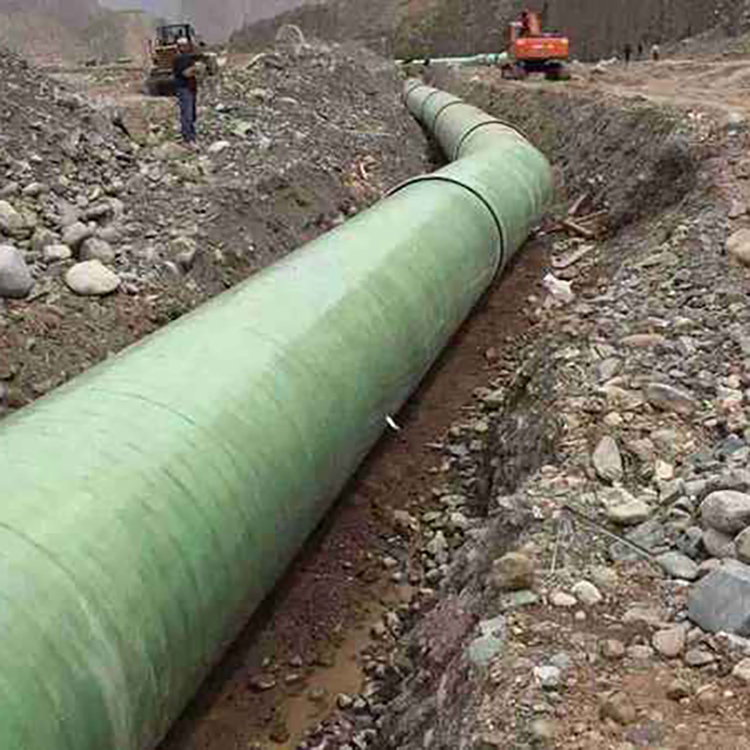
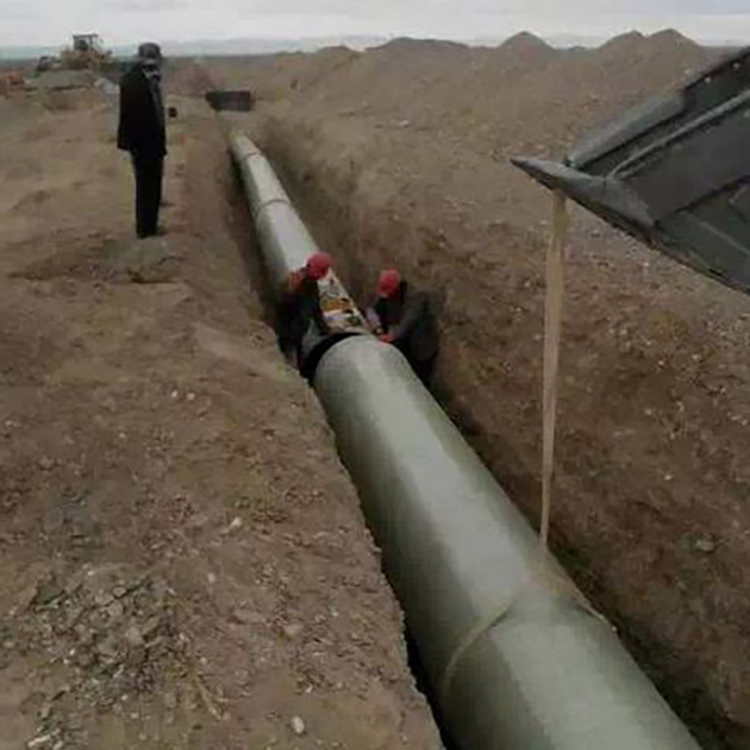
Four, Glass-Fiber Reinforced Plastic (GFRP) Sand Lined Pipes - The fiber-wound GFRP sand lined pipes are reliable, primarily used for buried pipelines and long-distance transmission lines. They feature lightweight, corrosion resistance, long service life, and low operation and maintenance costs, which can save a significant amount of funds for construction projects.
5. Features 1. Lightweight: The specific gravity of glass fiber reinforced plastic (GFRP) sand-lined pipes is 1.65~2.0. Compared to the same diameter and length of carbon steel pipes, it is only 1/3, 1/5 of FRP pipes compared to cast iron pipes, and 1/10 of pre-stressed concrete pipes. This reduces lifting costs during construction and improves installation speed. 2. Excellent hydraulic characteristics: This feature is particularly prominent in the field of water supply and drainage, with good hydraulic properties. (1) Saves pump delivery costs. (2) Reduces pipe diameter size. (3) Shortens pump delivery time. (4) FRP pipes do not scale over time, eliminating the need for cleaning and preventing secondary water pollution. 3. Good resistance to water and corrosion: GFRP sand-lined pipes have excellent corrosion resistance, reducing anti-corrosion costs and extending service life. They are also non-rusting, ensuring the water quality is not contaminated. They can be used for transporting sewage, sludge, seawater, and other media. 4. Pressure resistance: Designed and manufactured pipes and fittings according to the required pressure, and tested with a water pressure test at 1.5 times the required pressure. 5. Good interface sealing: No leakage, no breakage, increasing the reliability of water supply.
Six, Applications ◆ Main drinking water transmission pipes and distribution pipes ◆ Sewage pipes, stormwater pipes ◆ Agricultural irrigation pipes
Seven, Main Molding Process: The inner lining is manufactured on mandrels by computer control, following the same process as the fiber-wound glass steel pipes. After gelation, the structural layer is wrapped according to the designed shape and thickness, and a mortar mixed with quartz sand and resin is wrapped in the structural layer, followed by wrapping the outer protective layer.
Product Specifications: Diameter: DN100-4000; Pressure Ratings: 0.1MPa, 0.6MPa, 1.0MPa, 1.6MPa, 2.0MPa, 2.5MPa; Rigidity Grades: SN1250, SN2500, SN5000, SN10000. Length: 6m, 12m. Glass-Fiber Reinforced Plastic (GFRP) Sand-Lined Pipe Characteristics: 1. High Corrosion Resistance: GFRP sand-lined pipes are resistant to acids, alkalis, soil erosion, and can transport groundwater, seawater, industrial wastewater, and highly corrosive liquids. Special pipes made from corrosion-resistant materials are available for different conveying media, while maintaining all the characteristics of the original GFRP product (lightweight, corrosion-resistant, insulating, heat-insulating, and design flexibility). 2. Good Abrasion Resistance: GFRP sand-lined pipes have excellent abrasion resistance. Tests show that water slurry containing a large amount of silt and stones can be rotated in pipes made of different materials for 10,000 rotations. 3. Heat Resistance, Frost Resistance, and Strong Temperature Adaptability: GFRP sand-lined pipes can operate normally at temperatures ranging from -40℃ to 80℃. Special resin-mixed pipes can operate at temperatures up to 110℃, and the pipes will not crack under frozen media. 4. Low Fluid Friction: The inner wall of GFRP sand-lined pipes is smooth with low resistance, having a roughness coefficient of 0.0084 and a friction coefficient about half that of steel pipes and one-fourth that of cement pipes. This results in low head loss, allowing for the conveyance of larger flows through smaller diameters. Generally, sand-lined pipes are one grade lower in diameter selection than cast iron or cement pipes. Using pipes with the same inner diameter can save up to 1/3 of the pump power and energy. 5. High Mechanical Strength: GFRP sand-lined pipes have excellent pressure resistance, external pressure resistance, and impact resistance, making them suitable for burial in different geological conditions. Pipes and fittings can be designed and manufactured according to customer-specified pressure requirements. 6. Lightweight and Easy to Install: GFRP sand-lined pipes are lightweight, being only 1/4 the weight of steel pipes and 1/10 the weight of cement pipes. They are easy to handle and install, with installation costs low. The length of sand-lined pipes can reach 12 meters, requiring fewer joints, and no complex welding is needed for installation. Our company's technicians provide on-site installation guidance to ensure the quality of work.