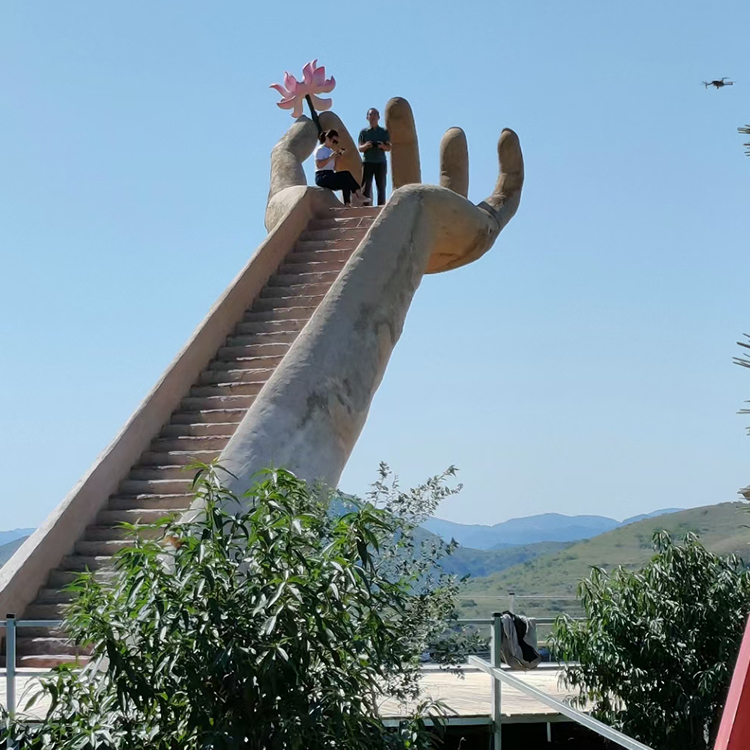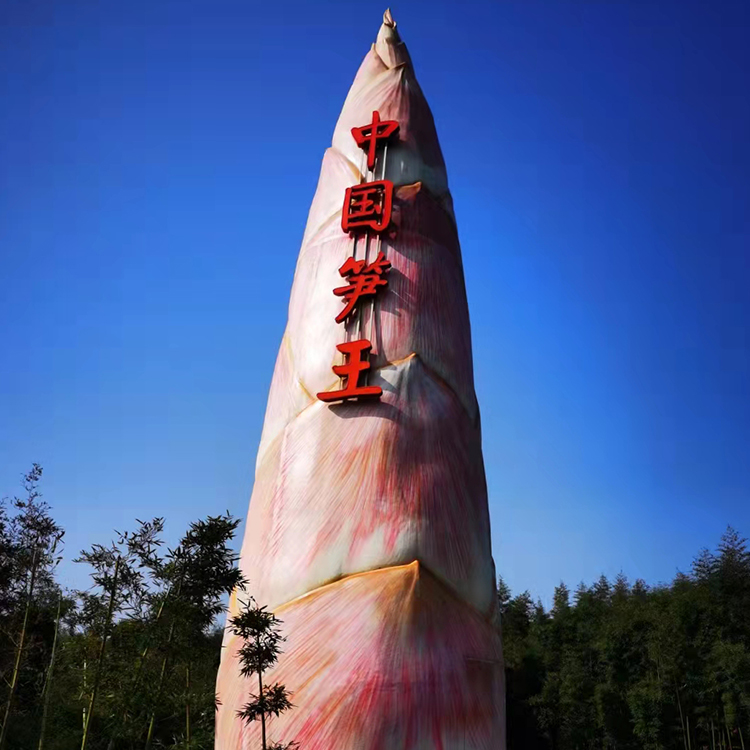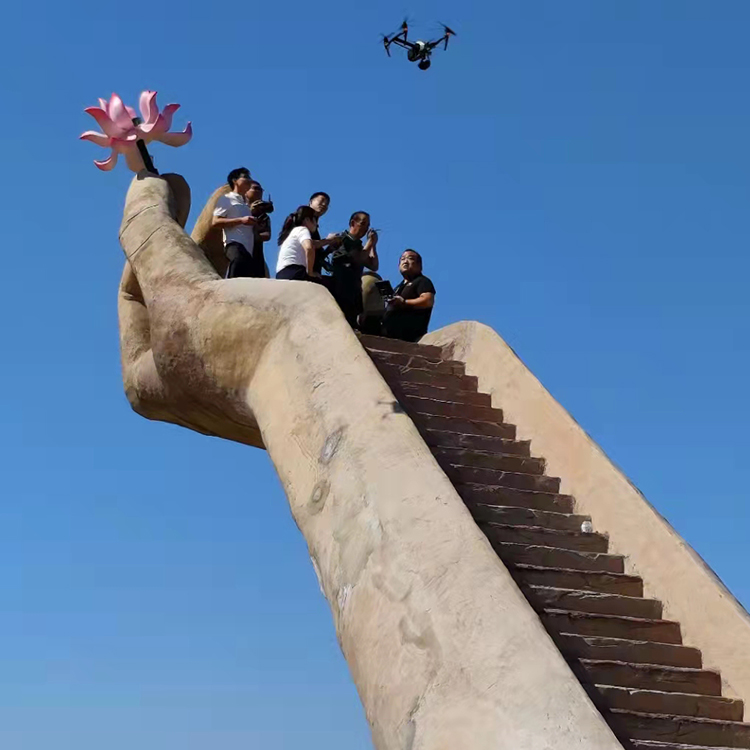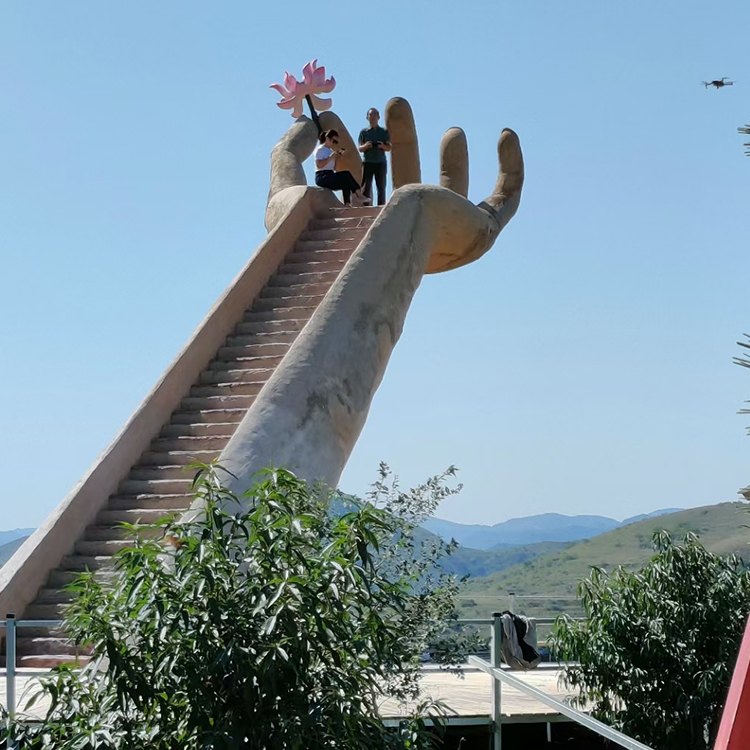










The creation and development of stainless steel sculptures are closely related to human productive activities and are also directly influenced by social ideologies such as religion and philosophy of various eras. As early as the Paleolithic Age, primitive stone and bone carvings emerged. Stainless steel sculptures are a relatively enduring form of art; many ancient works have been washed away by the sands of time, while the heritage of stainless steel sculptures through the ages has, to some extent, become a historical record of human images. Traditional notions consider stainless steel sculptures as static, visible, and tangible three-dimensional objects, reflecting reality through the spatial images conveyed by these sculptures, thereby being regarded as typical of plastic art, static art, and spatial art.