













.jpg)

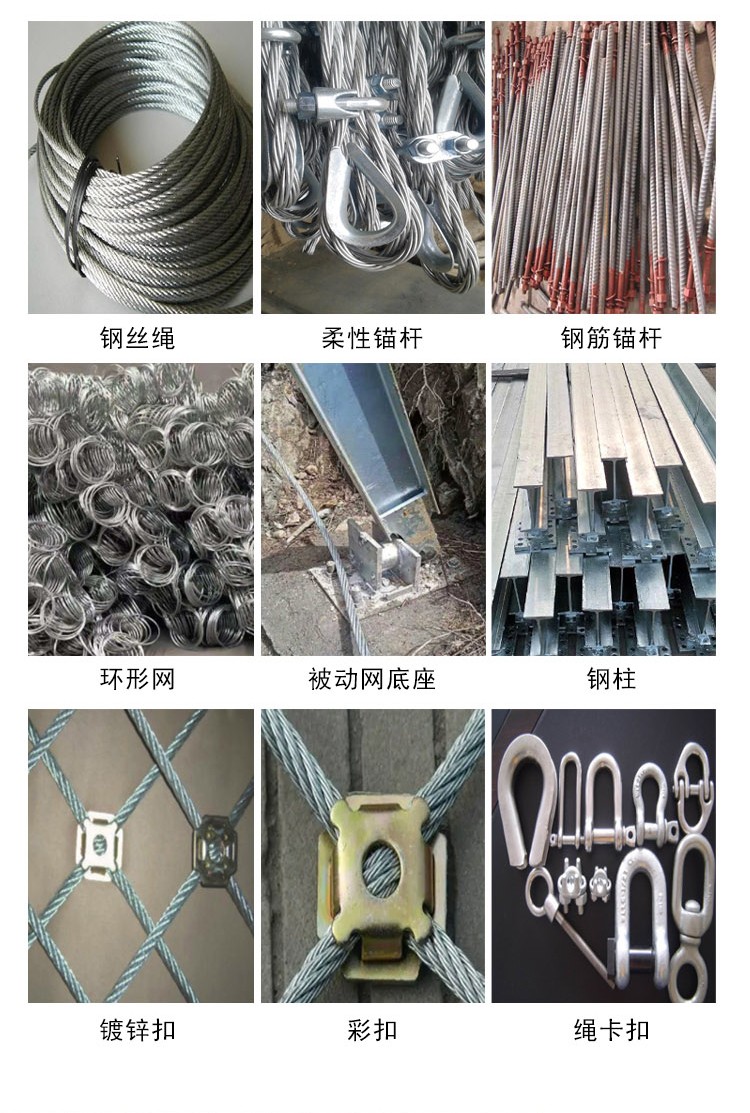
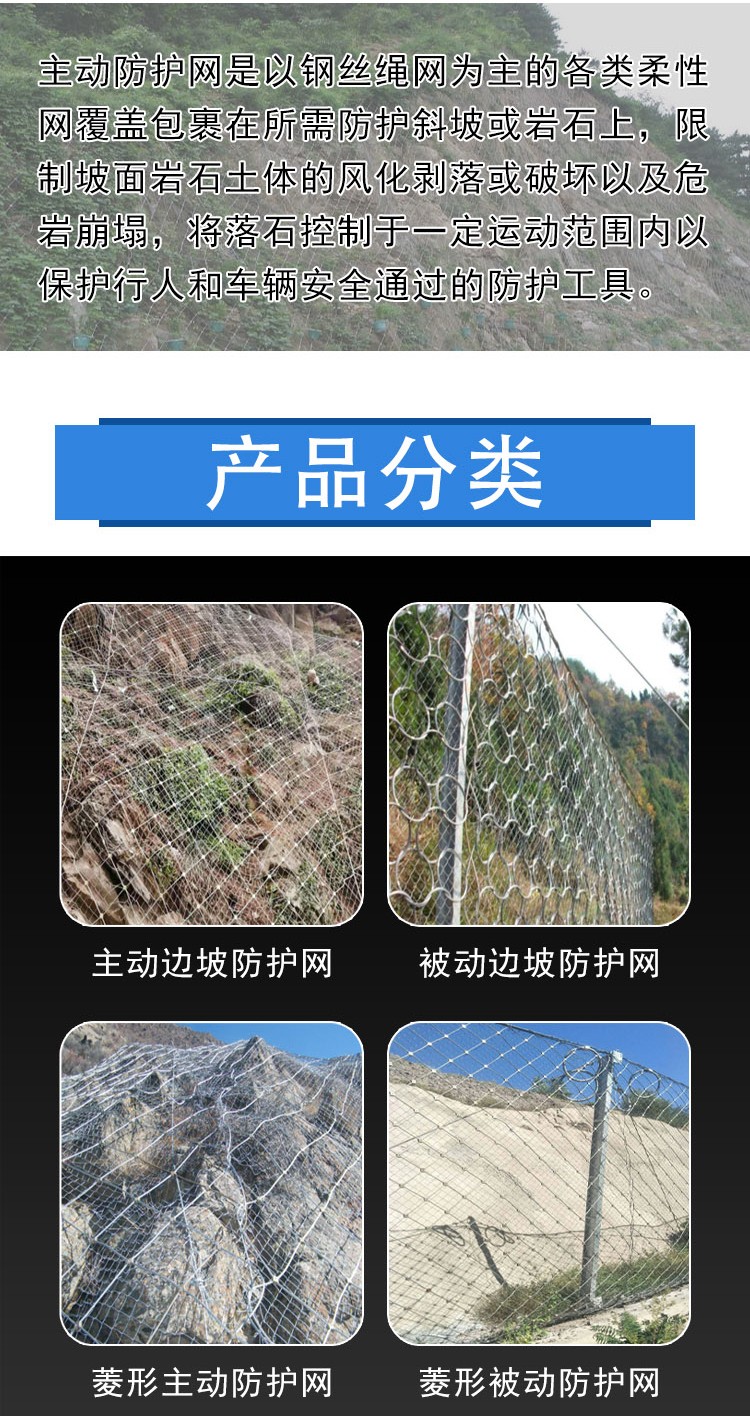
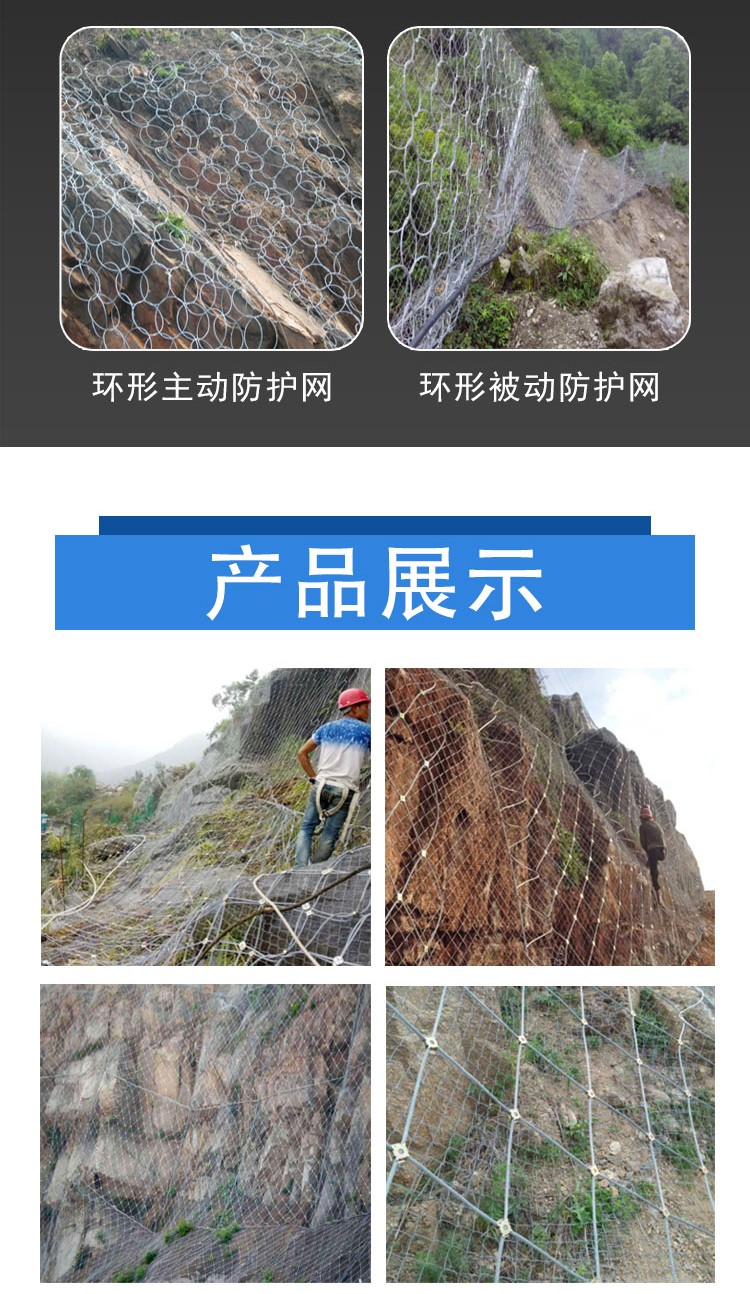
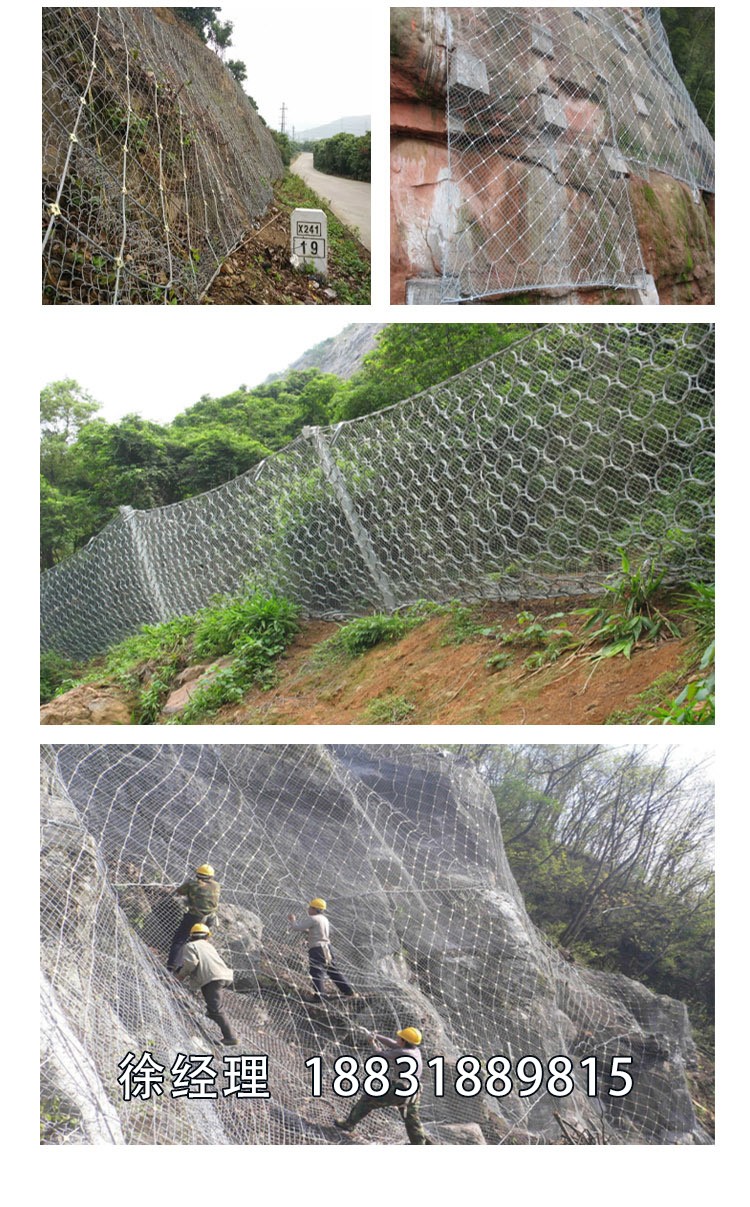
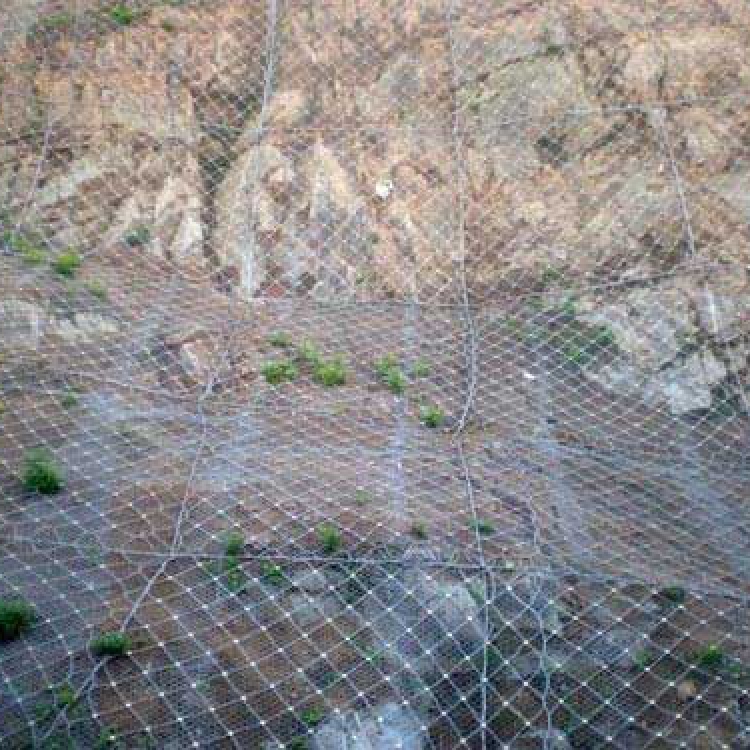
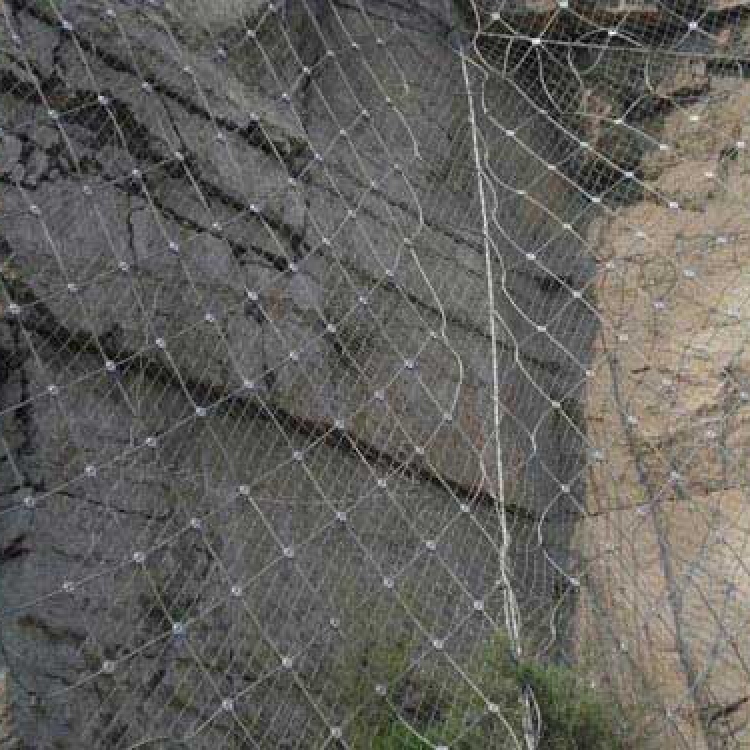
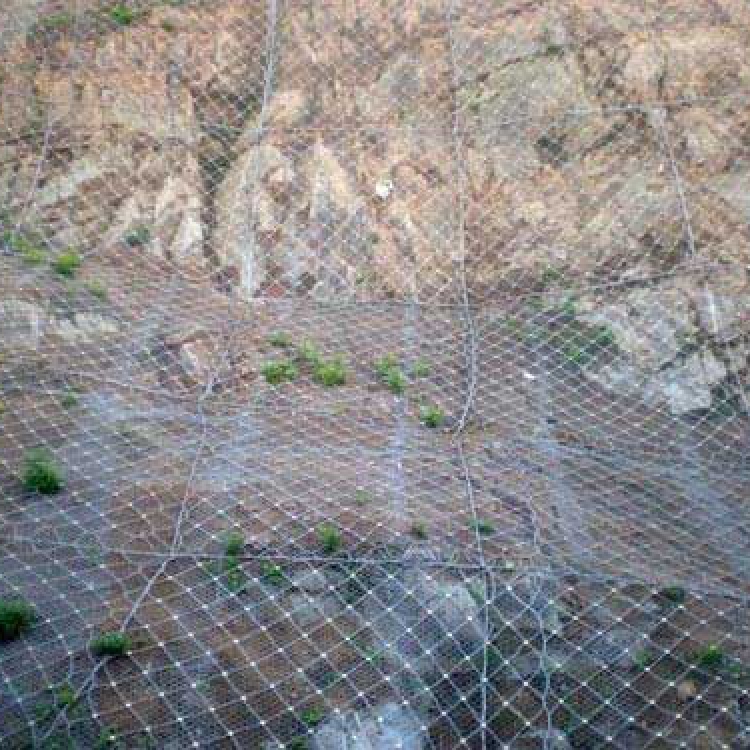
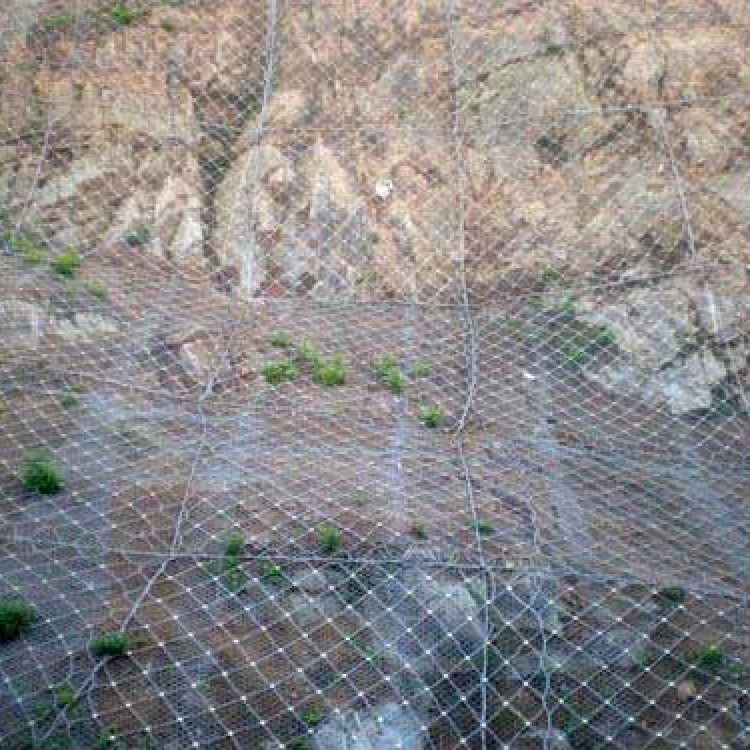
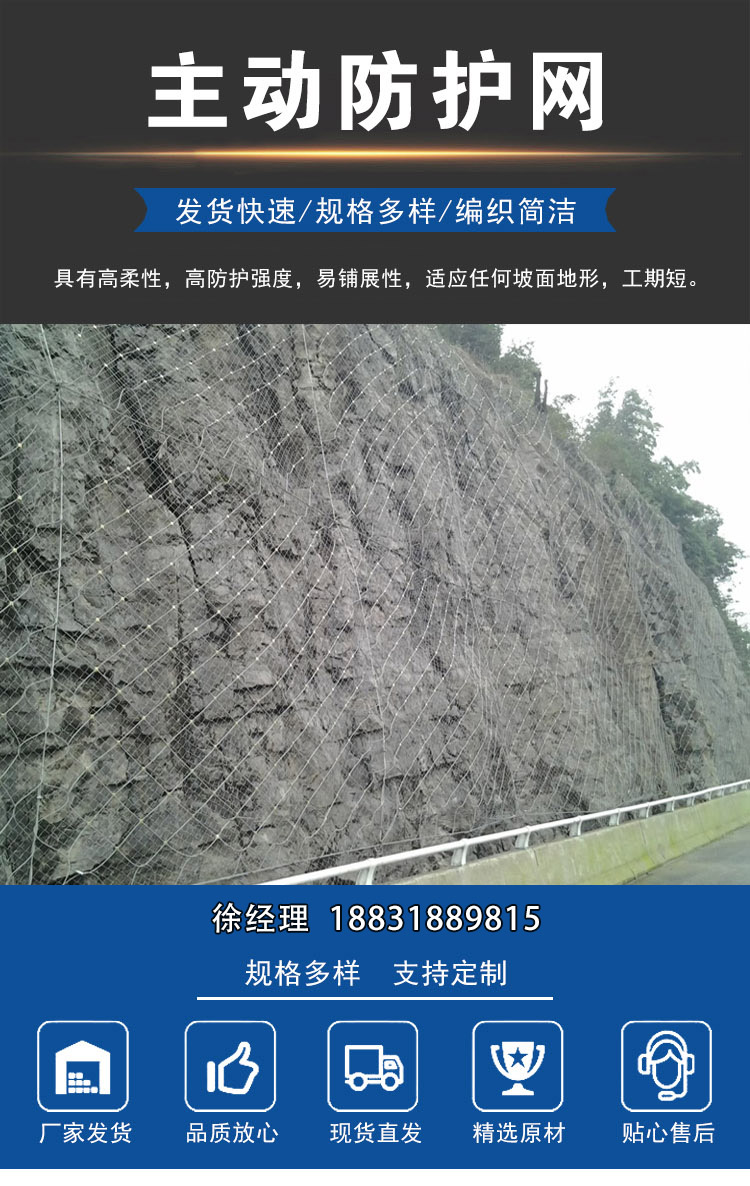
The classification of slope protection nets includes active protection and passive protection. The use of slope protection nets in highway and railway landslides. Slope protection net, also known as slope protection net, titanium mesh, etc
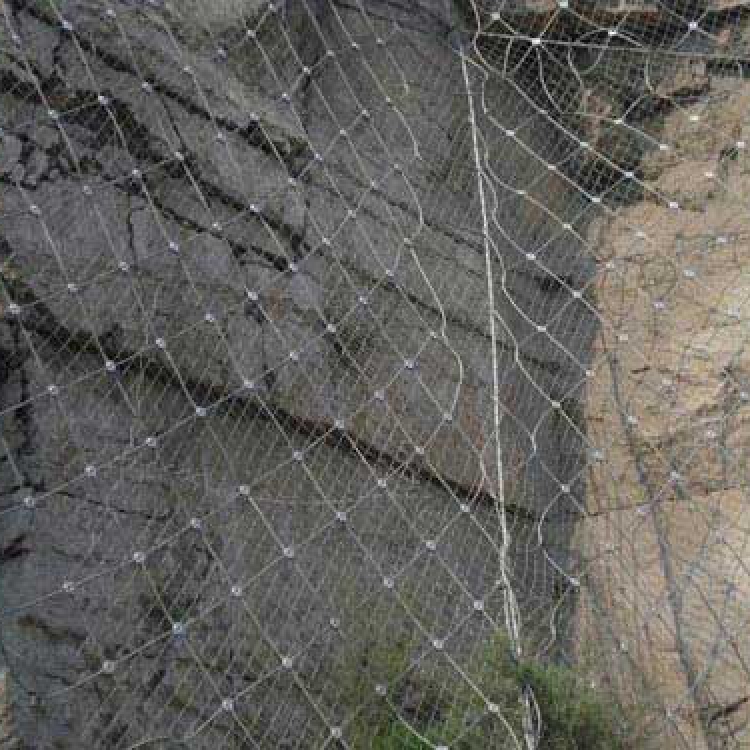
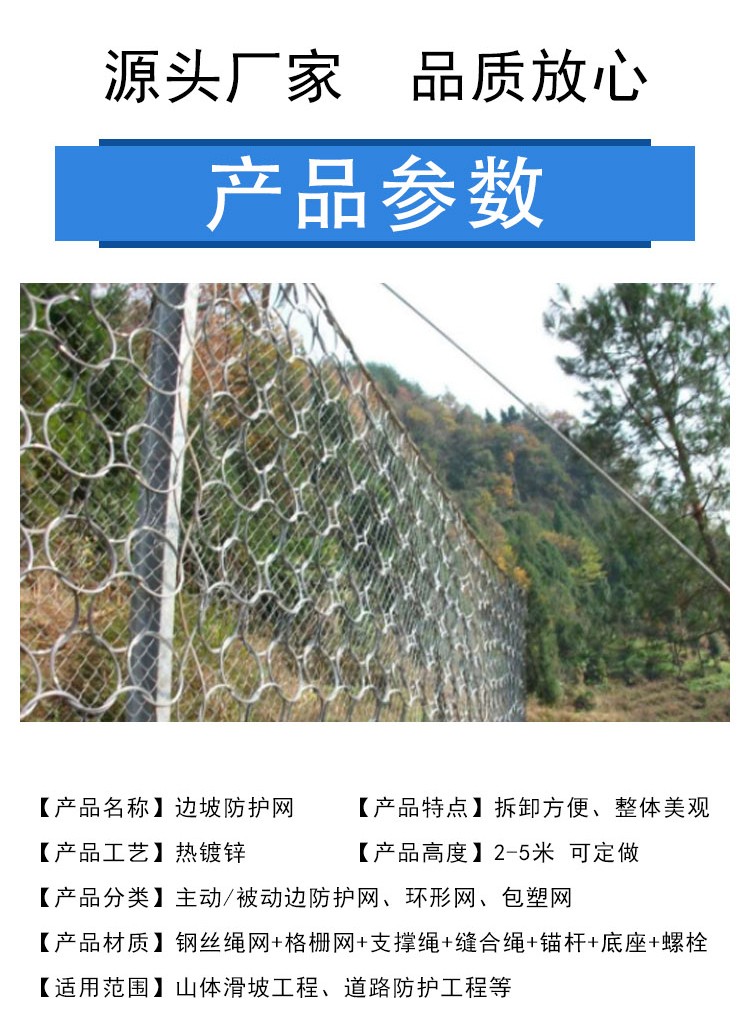
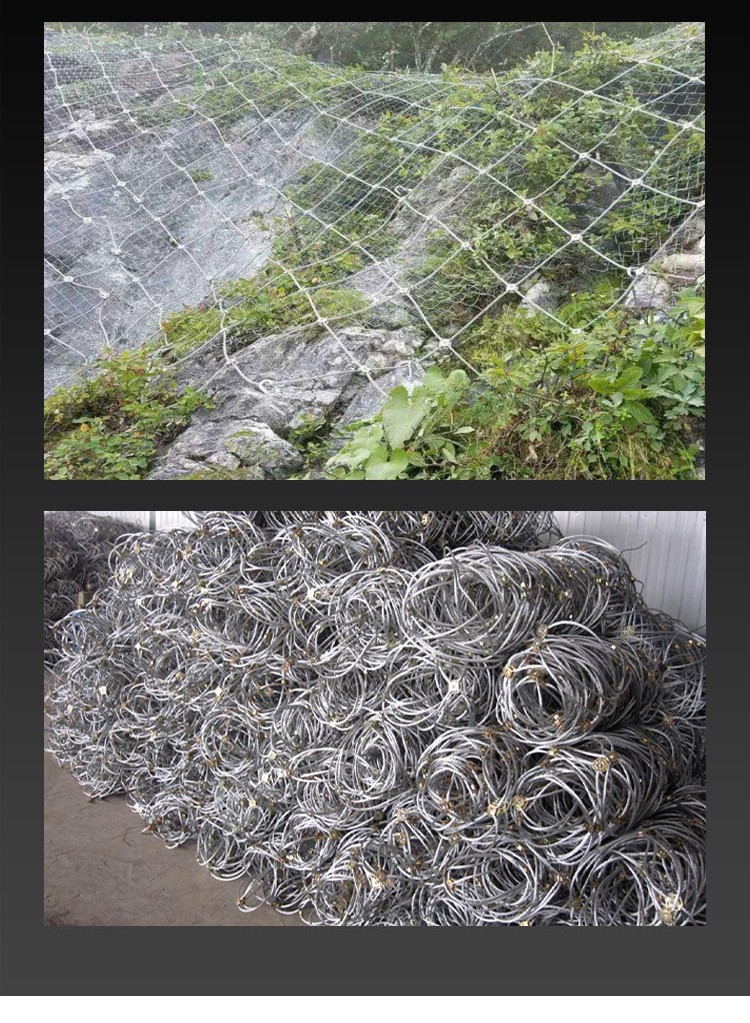
Slope protection nets have both active and passive protection options. The active protection system consists of various flexible nets, mainly made of steel wire rope nets, wrapped around the required protective slope or rock to limit the weathering, peeling, or damage of the slope rock and soil, as well as to prevent rock collapse (reinforcement effect), or to control the movement of falling rocks within a certain range (enclosure effect). Passive protection consists of four main parts: a wire rope net, a circular net, an additional layer of wire mesh when intercepting small falling rocks, a fixed system (anchor rods, anchor ropes, bases, and support ropes), a pressure relief ring, and steel columns. The combination of steel columns and steel wire rope mesh forms a whole, providing surface protection for the protected area, thereby preventing the collapse of rock and soil, and playing a role in slope protection.
The reasons for the high slope protection of highways are:
1. The foundation under the roadbed is an unstable natural sliding body;
2. The slopes on both sides of the highway are too steep;
3. Incorrect use of inclined layering method to fill embankments;
4. The soil is too damp, which reduces the cohesion and internal friction force;
5. The foot of the slope was washed away by water.
6. Due to the construction of highways, the stability of individual rock sections has been disrupted, especially when the rock layers tilt towards the direction of the road cut and are subsequently damaged by water or earthquakes.
7. The rock structure and composition of the mountains on both sides of the highway are unstable.
8. The damage caused by mudslides.