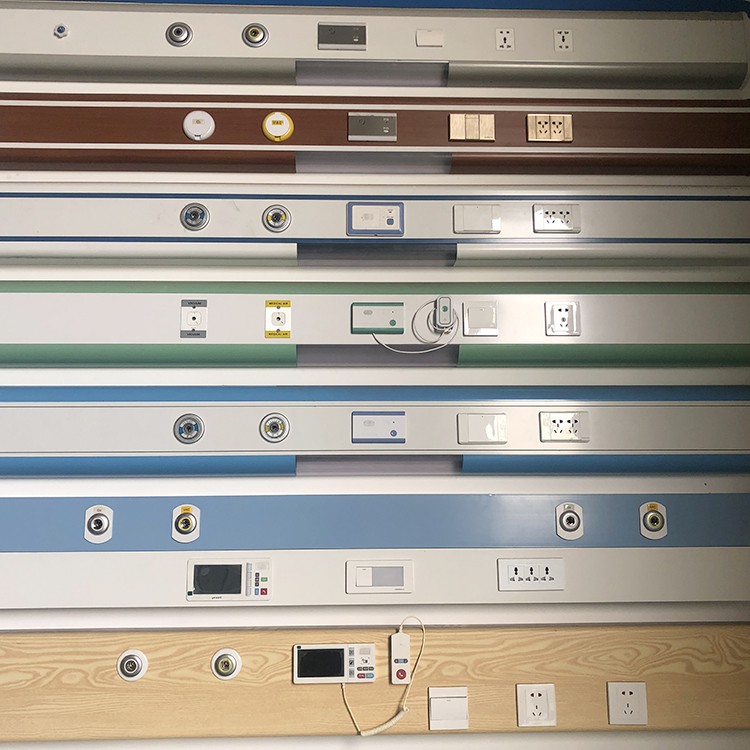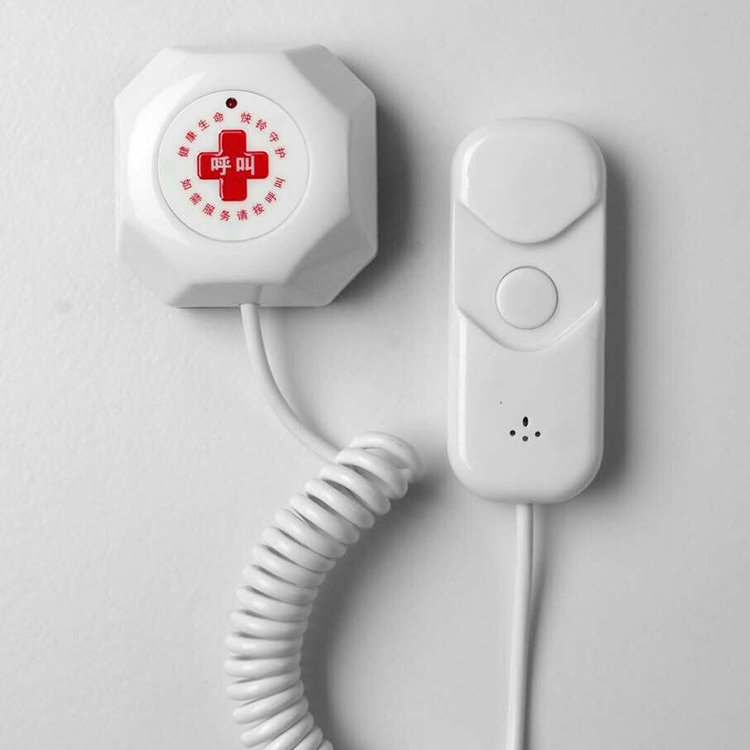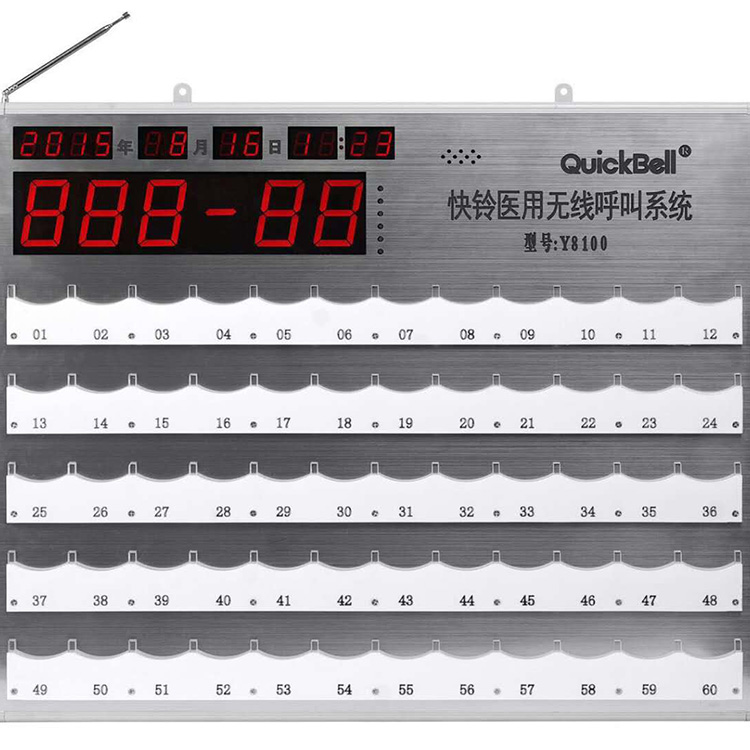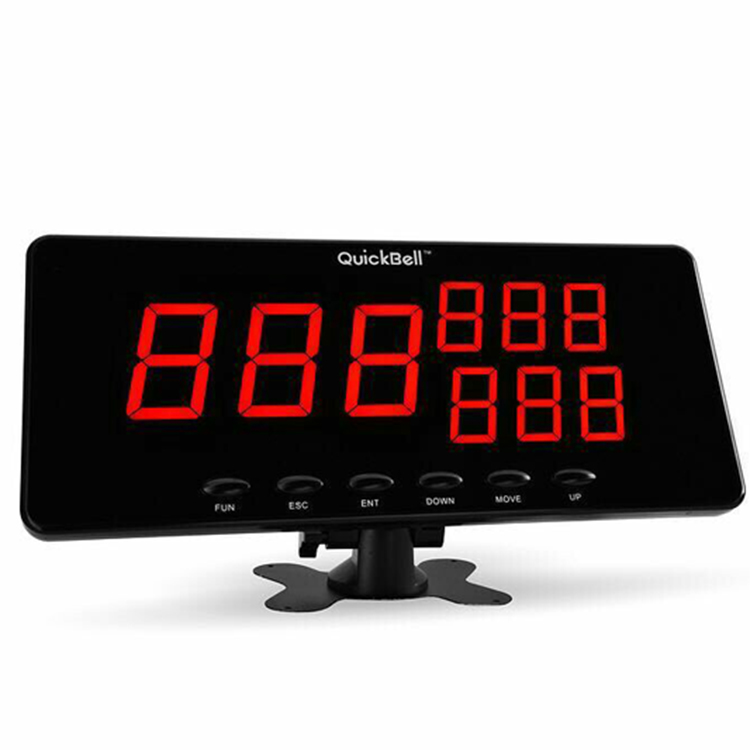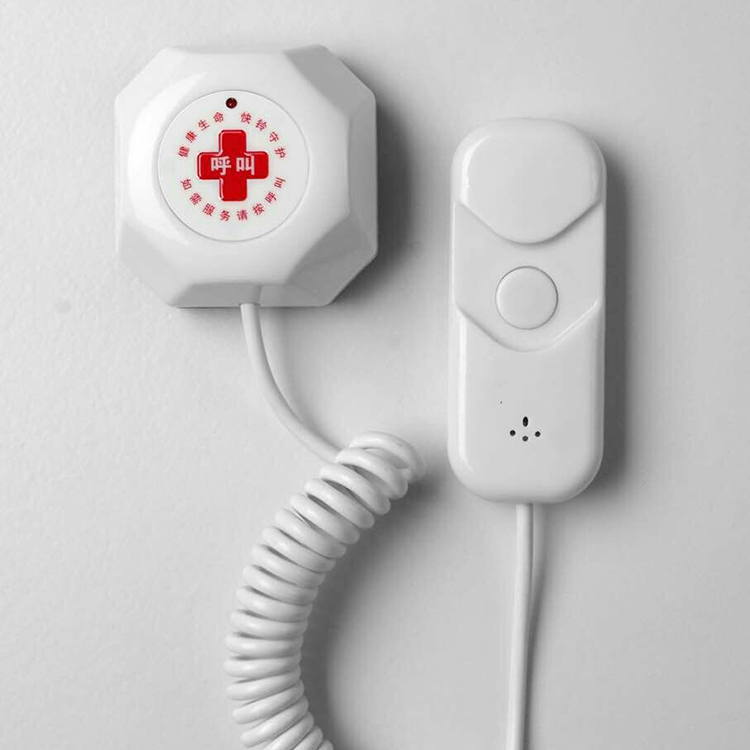


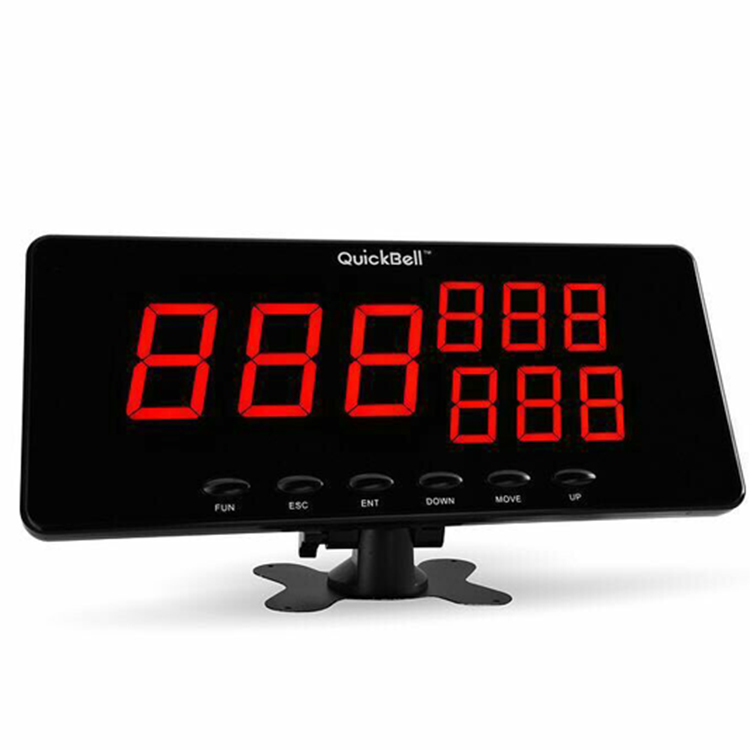











The medical call device consists of a call host installed at the ward nurse station and call extensions and corridor display screens respectively set at the ward bedside and ward bathroom. Once someone presses the call button at the ward bedside or bathroom, the nurse station host will emit an audible and visual alarm signal. At the same time, the corridor display screen will synchronously display the called bed number, and nurses can immediately rush to the ward to handle emergency situations. The call extension in the bathroom needs to have waterproof function, which is very important. In addition, to facilitate the work of ward staff, therapists can install communication and display devices so that they can timely understand the situation during their time as therapists.
The call system is equipment in hospitals and nursing homes, and is an important means of communication for daily care and emergency rescue. The traditional wired call system is cumbersome to construct, difficult to maintain, and has high construction costs. More importantly, the wired system does not have the function of mobile reception of call information, which has caused many patients to miss the opportunity for rescue. With the continuous improvement of medical conditions in hospitals and nursing homes, more and more places are adopting wireless call systems, which are easy to construct and maintain, and have simple call operations. Medical staff can receive patients' calls anywhere. The wireless medical call system adopts amplitude modulation technology to ensure call probability and avoid signal interference. Real time supervision, effective management, and rapid personnel dispatch across departments.