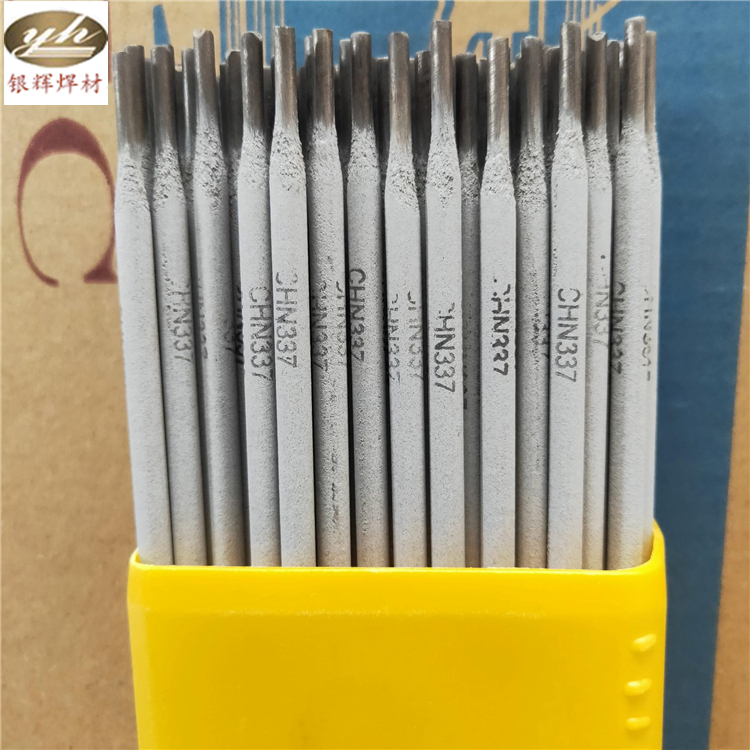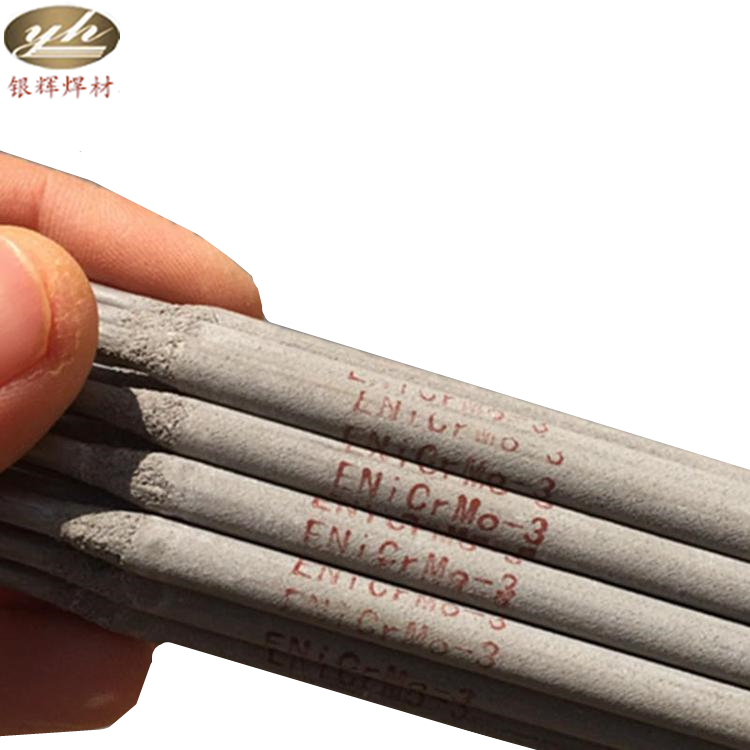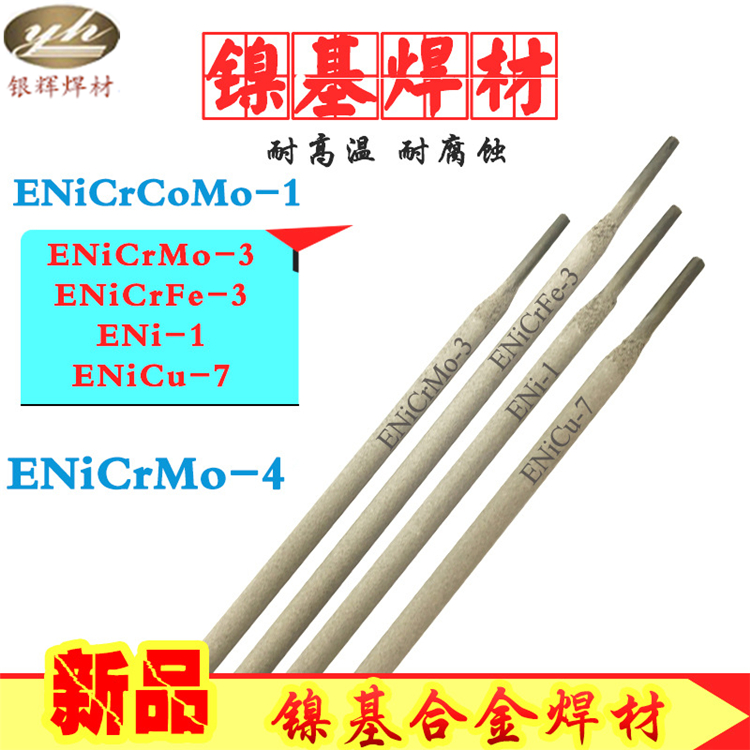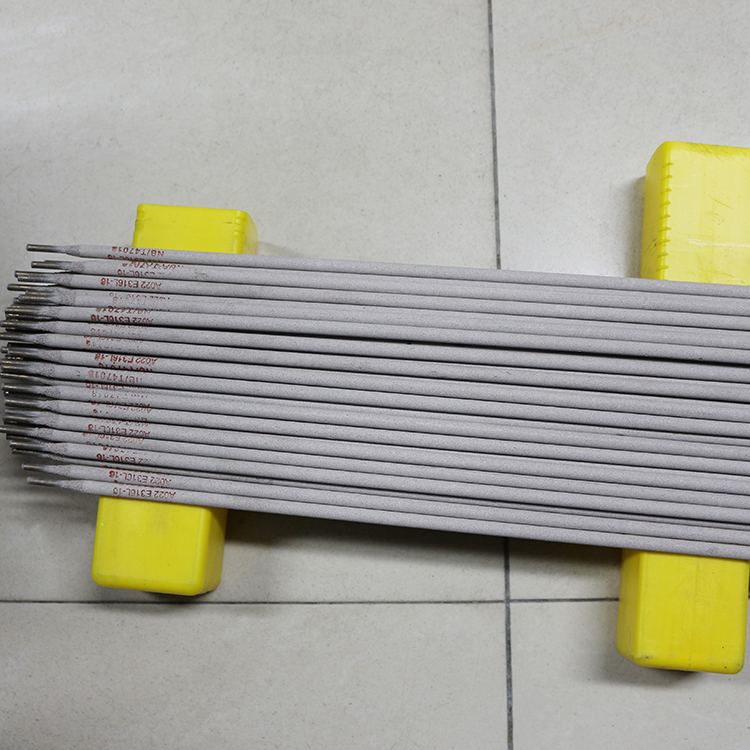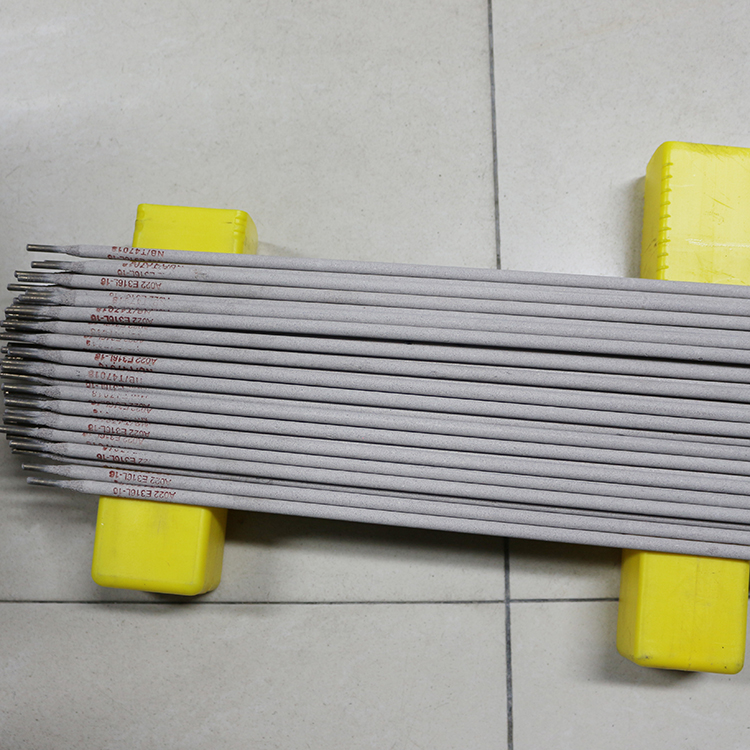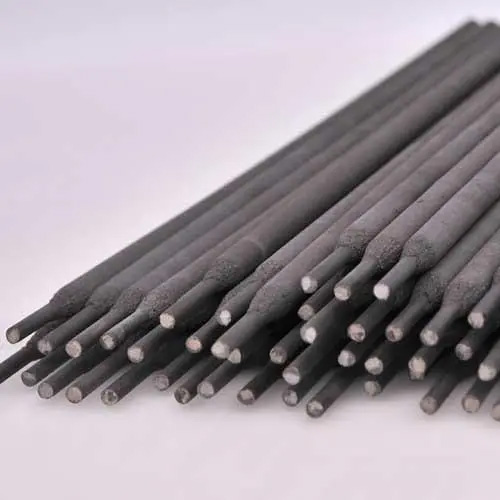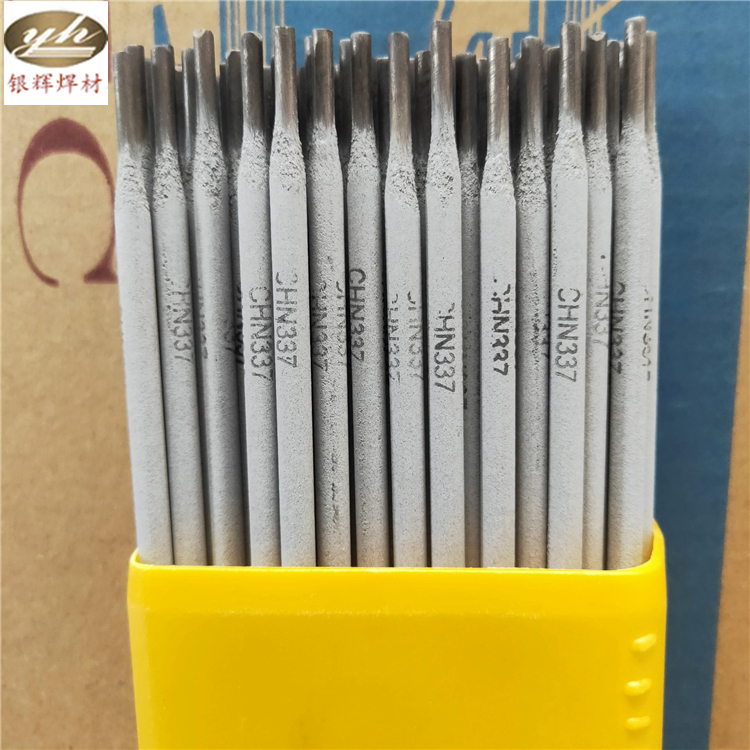

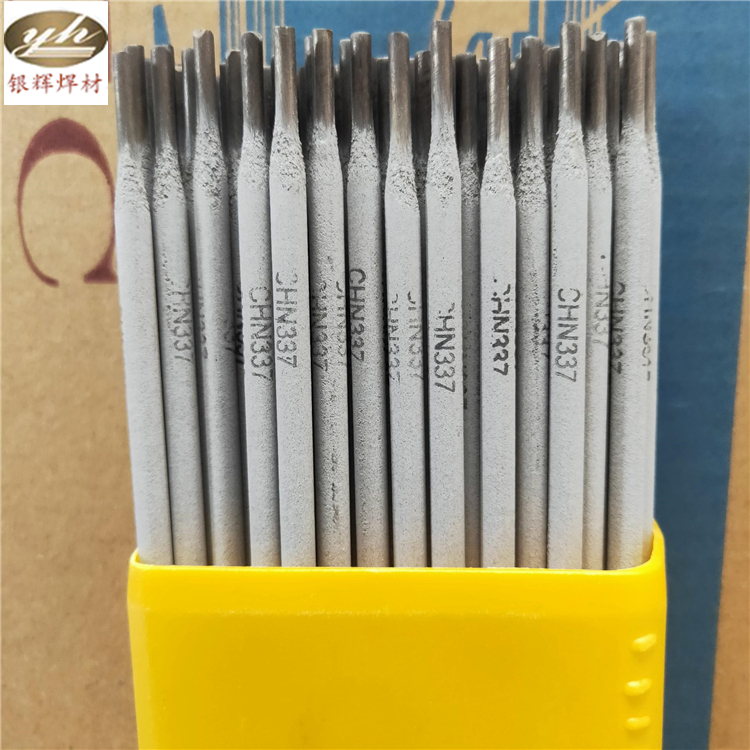
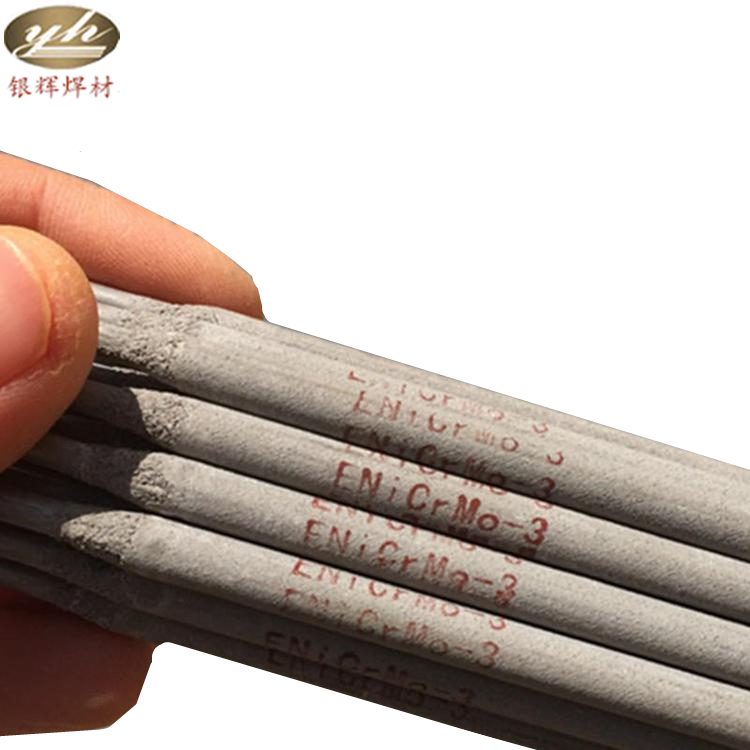
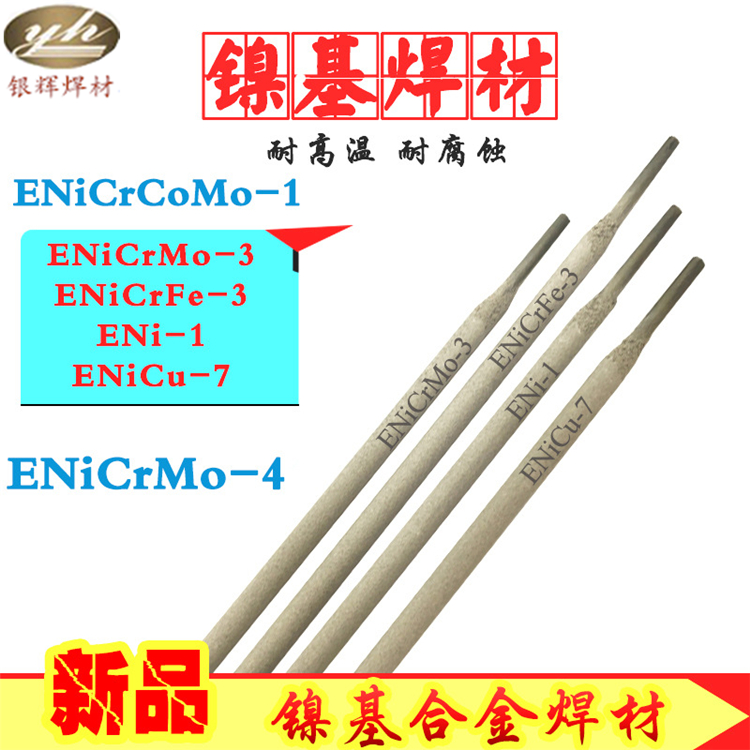









276 nickel based alloy anti-corrosion, corrosion-resistant, high-temperature resistant welding wire nickel based alkaline coatingwelding rod. Used for similar Ni based materialssteelWelding techniques such as N10276 and 2.4819 can also be used for this type of Ni based steel and lowalloy steelandstainless steelExcellent resistance to chlorine and chloride media corrosion in welding. It can also resist strongiron oxideCopper chloride.
Characteristics and uses: Alkaline medicinal skinAlloy welding rodUsed for welding nickel based alloys, high-temperature and creep resistant steelsheat-resistant steelWelding with low-temperature steel, dissimilar steel, etc. Suitable for the manufacturing of pressure vessels with a working temperature range of -196 ℃ to+650 ℃, and anti-oxidation peeling within+1200 ℃ (sulfur free condition); This welding rod and deposited metal have high quality standards
C-276 nickel based alloy anti-corrosion, corrosion-resistant, and high-temperature resistant welding wire material: nickel chromium alloyWear resistant welding wireThe coating contains a large amount of alloying elements, which have excellent properties such as wear resistance, corrosion resistance, high temperature resistance, slag erosion resistance, and thermal fatigue resistance. Its thermal expansion coefficient is close to that of carbon steel. The designed working coating is GP-99 nickel based wear-resistant welding wire with a thickness of 0.50mm. By using arc spraying technology to spray a high-performance alloy coating on the working surface of the water-cooled wall of the converter hood, the comprehensive performance of the water-cooled wall can be effectively improved and the service life of the hood can be extended. The surface of the water-cooled wall should be selectively sprayed, and the skirt and lower hood should be sprayed all over the working surface of the water-cooled wall near the converter mouth with harsh working conditions; The upper hood is relatively better in working conditions due to its distance from the furnace mouth. Generally, only the feeding port, oxygen gun mouth, and auxiliary gun mouth, as well as the lower part of the hood, need to be sprayed.