
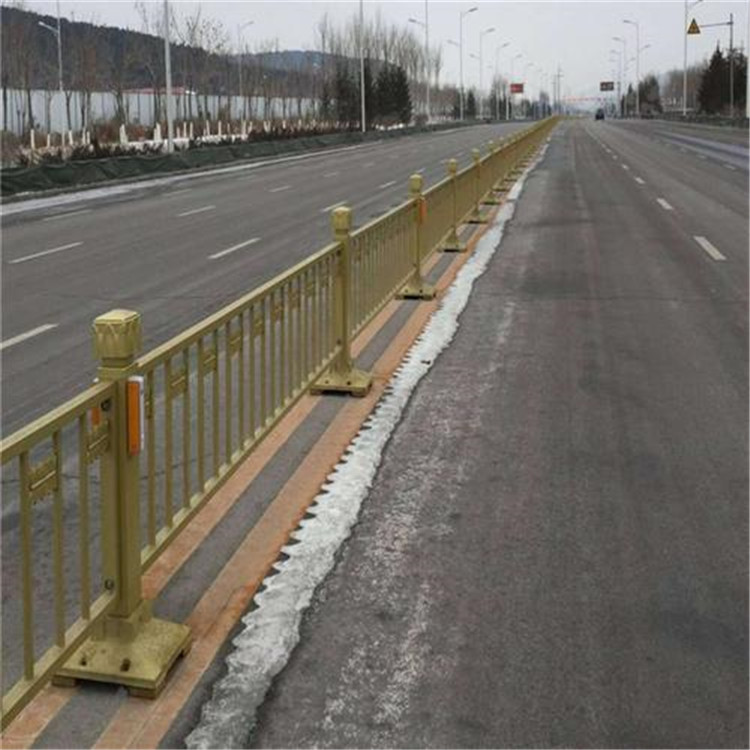











Introduction to the characteristics and functions of traffic guardrails
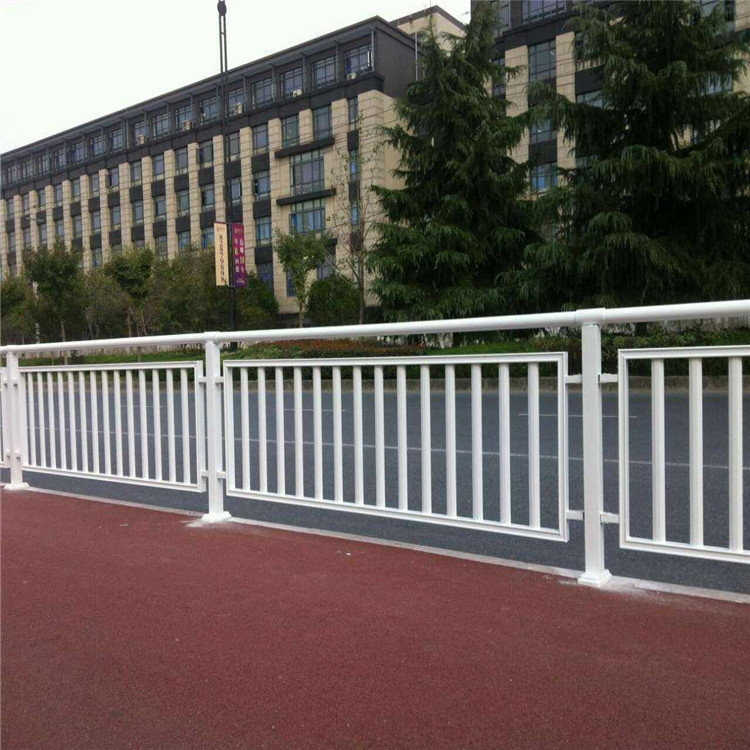
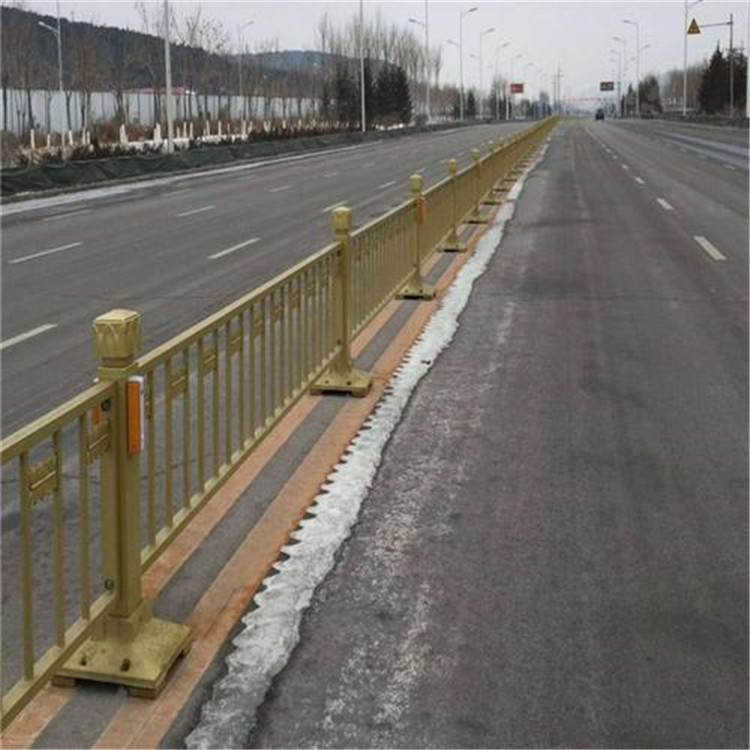
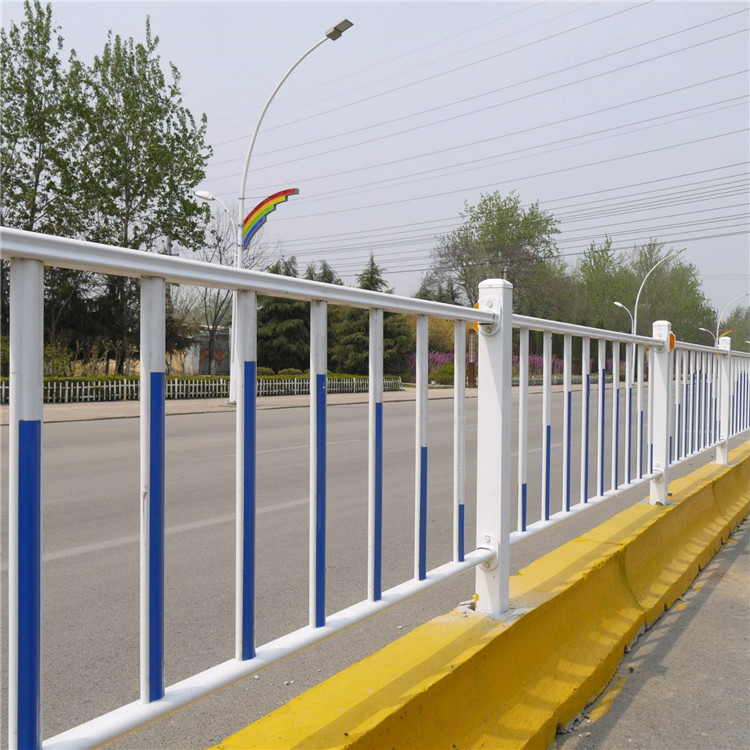
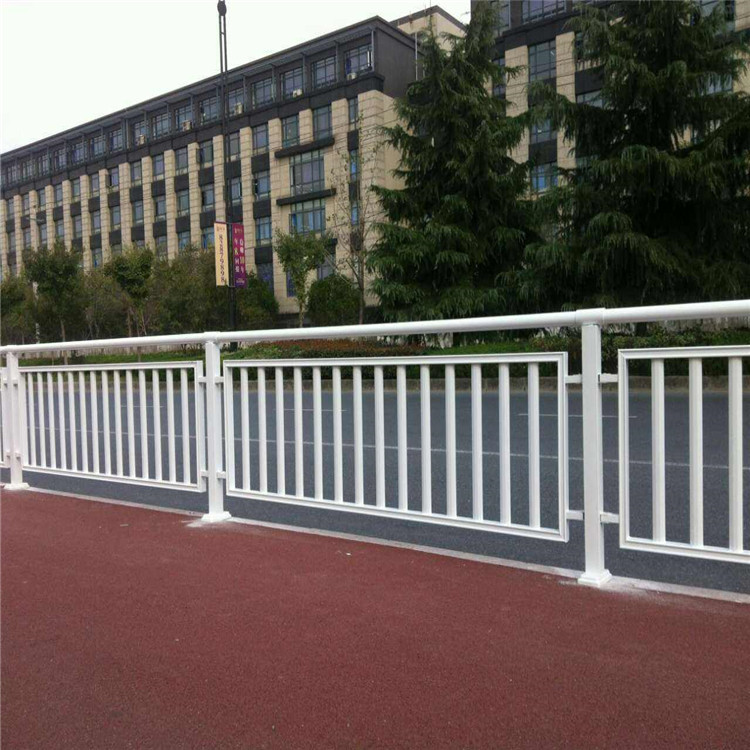
Traffic barriers are used to separate motor vehicles, non motor vehicles, and pedestrians from each other, vertically dividing the road section and allowing motor vehicles, non motor vehicles, and pedestrians to travel separately. This improves the safety of road traffic and improves traffic order, making it an indispensable part of cities
Characteristics of traffic barriers:
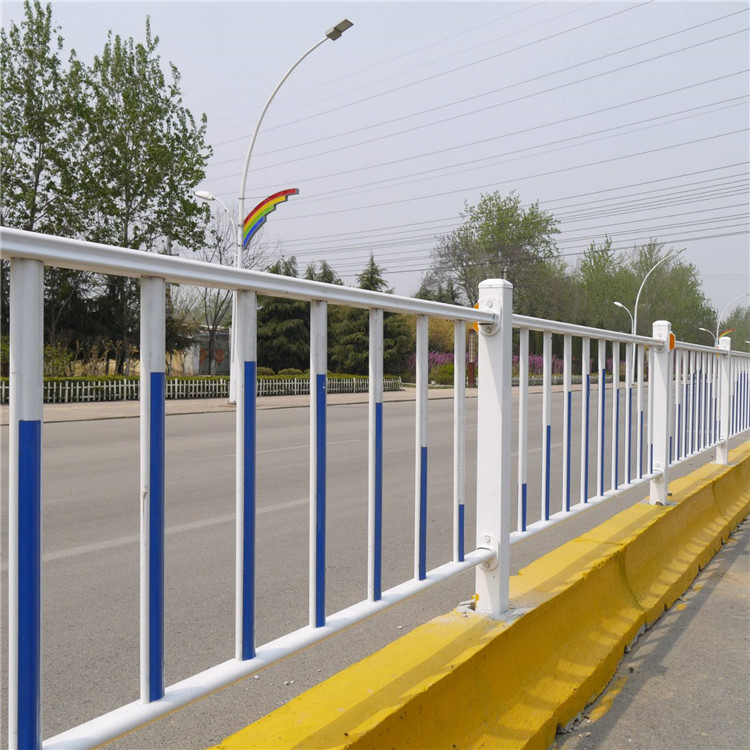
The advantages of bright colors, smooth surface, high strength, strong toughness, good corrosion resistance, good UV resistance, not easy to fade, not easy to crack, and not easy to become brittle are suitable for the middle of urban roads, clean and spacious streets, and bright and beautiful guardrails, reflecting each other and building a beautiful scenic line.
The function of traffic barriers:
1. Separation function: Traffic barriers separate motor vehicle, non motor vehicle, and pedestrian traffic, vertically separating the road section, allowing motor vehicles, non motor vehicles, and pedestrians to travel separately, improving road traffic safety and traffic order.
2. Blocking function: Traffic barriers will block bad traffic behavior and prevent pedestrians, bicycles, or motor vehicles attempting to cross the road. It requires guardrails to have a certain height, density (referring to vertical barriers), and strength.
3. Warning function: By installing it, the outline on the guardrail should be concise and clear, warning drivers to pay attention to the existence of the guardrail and pedestrians and non motorized vehicles, in order to prevent traffic accidents.
4. Aesthetic function: By using different materials, forms, shapes, and colors of guardrails, it achieves harmony and coordination with the road environment.