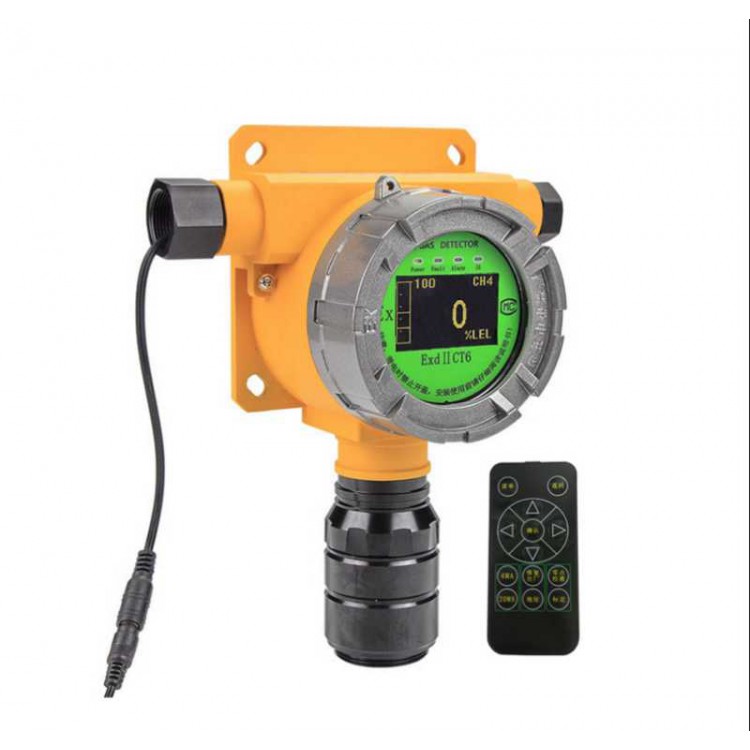







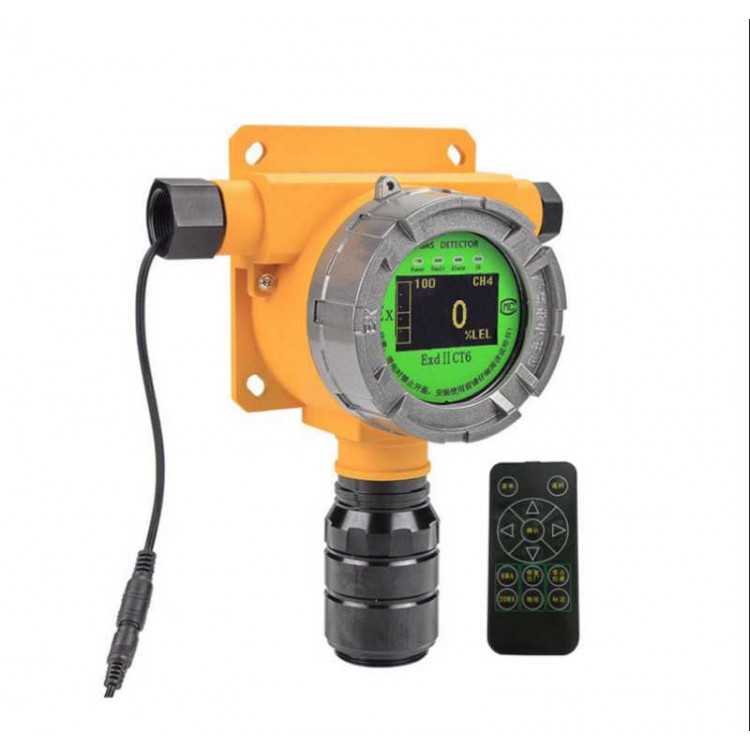
Instructions for the detector
Technical Principle environment IP rating: IP65 Temperature range: -40 ℃~65 ℃ (catalytic combustion type) | -40 ℃~65 ℃ (electrochemical type, non long-term) Humidity range: 10~95% RH (no condensation) Pressure range: 86~106KPa Storage temperature: -40 ℃~65 ℃ Transmission distance: ≤ 1200m detection Gas detection: Carbon monoxide CO Detection method: natural diffusion type Detection range: 12-15m2
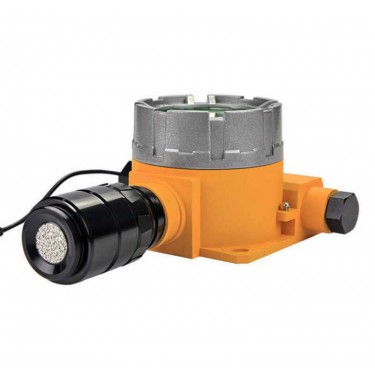
Tester specifications
Precautions Once the fixed installation of the alarm is in place, its position is not easy to change. The following points should be considered for specific applications. (1) Identify the potential leakage points of the device to be monitored, analyze factors such as leakage pressure and direction, and draw a distribution map of probe positions. Classify the device into three levels based on the severity of the leakage: Level I, Level II, and Level III. (2) Based on specific factors such as airflow direction and wind direction in the location, determine the direction of toxic gas leakage when a large amount of leakage occurs. (3) Based on the density of the leaked gas (greater or less than air), combined with the trend of air flow, a three-dimensional flow trend chart of the leak is synthesized, and an initial setting plan is made at the downstream position of its flow. (4) Study whether the leakage state of the leakage point is micro leakage or jet like. If it is a minor leak, the location of the point should be closer to the leak point. If it is a jet leak, it should be kept slightly away from the leak point. Based on these situations, develop a final location plan. In this way, the quantity and variety that need to be purchased can be estimated.
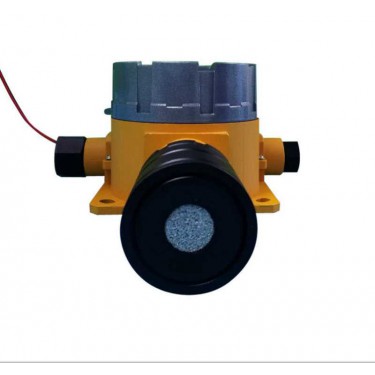
Type of detector
wiring method 1. Connect the input controller terminal to the corresponding detector terminal 2. Connection between output terminals and linkage devices When inductive devices such as exhaust fans meet the condition of 5A/220V or less, 4. It can be directly connected to the output terminal, but try to avoid connecting the load device directly to the output terminal as much as possible. When the load device is greater than 5A/220V, an external adapter must be connected; 5. Controllers and detectors must ensure reliable grounding; When performing various installation operations, it is necessary to turn off the power first, otherwise it may burn out the host.