

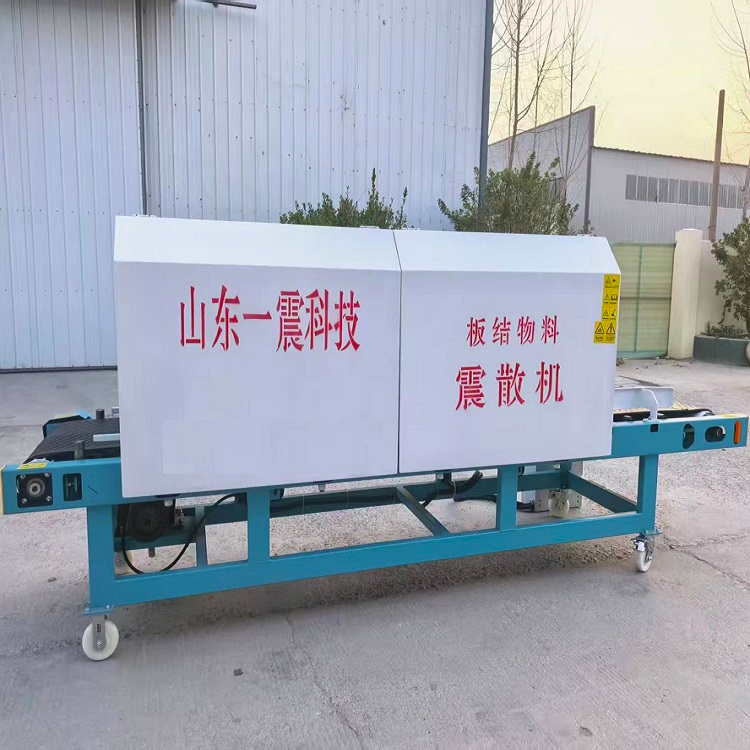







Gas sensor specifications
Gas sensors are the core of gas detection systems and are usually installed inside the detection head. Essentially, a gas sensor is a converter that converts a certain gas volume fraction into a corresponding electrical signal. The detection head adjusts the gas sample through a gas sensor, usually including filtering out impurities and interfering gases, drying or cooling treatment, sample suction, and even chemical treatment of the sample for faster measurement by the chemical sensor.
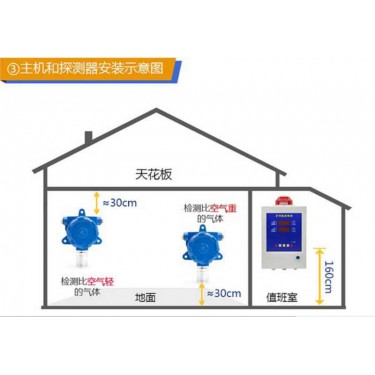
Gas sensor style
It can be seen that at a certain temperature, with fixed PO2 (1), the above equation can be used to calculate the concentration of oxygen to be measured at the sensor () pole.In addition to measuring oxygen, solid electrolyte sensors such as β - Al2O3, carbonate, and NASICON can also be used to measure gases such as CO, SO2, and NH4. In recent years, gas sensors such as antimony acid and La3F have also emerged that can be used at low temperatures and can be used to detect positive ions.
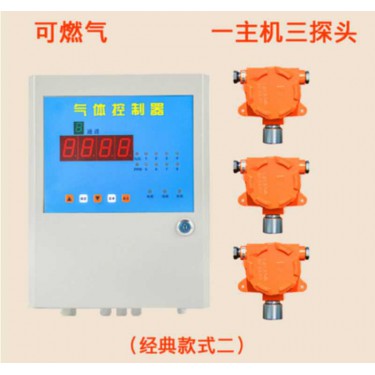
Gas sensor description
Molecules composed of different atoms have unique vibration and rotation frequencies. When they are exposed to infrared radiation of the same frequency, infrared absorption occurs, causing changes in infrared intensity. By measuring the changes in infrared intensity, gas concentration can be determined; It should be noted that vibration and rotation are two different forms of motion, which correspond to different infrared absorption peaks. Vibration and rotation themselves also have diversity; Therefore, in general, a gas molecule will have multiple infrared absorption peaks;