






Introduction to Frequency Converter
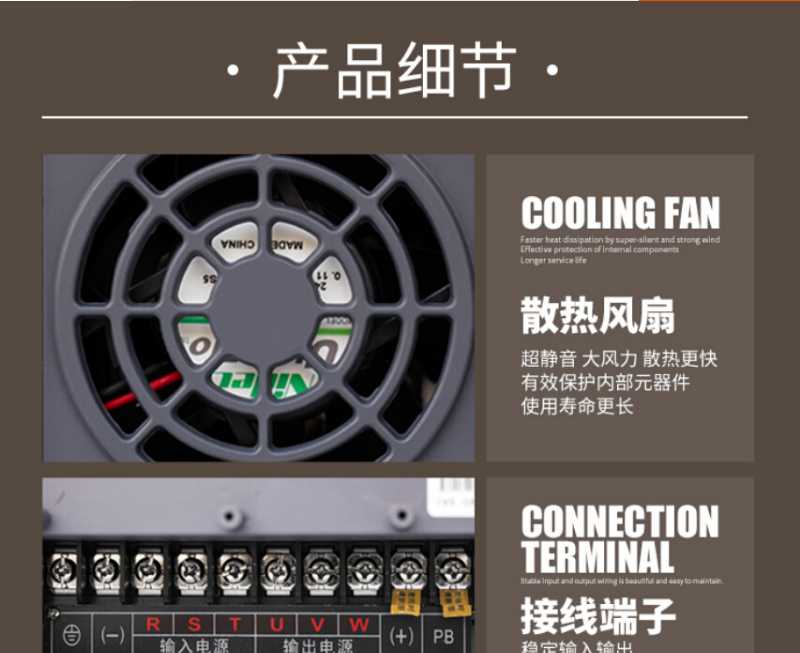
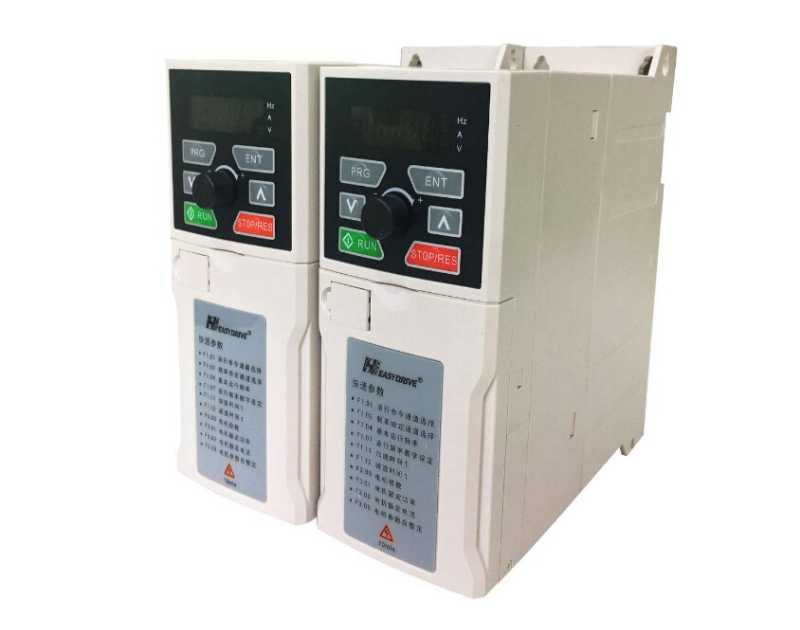
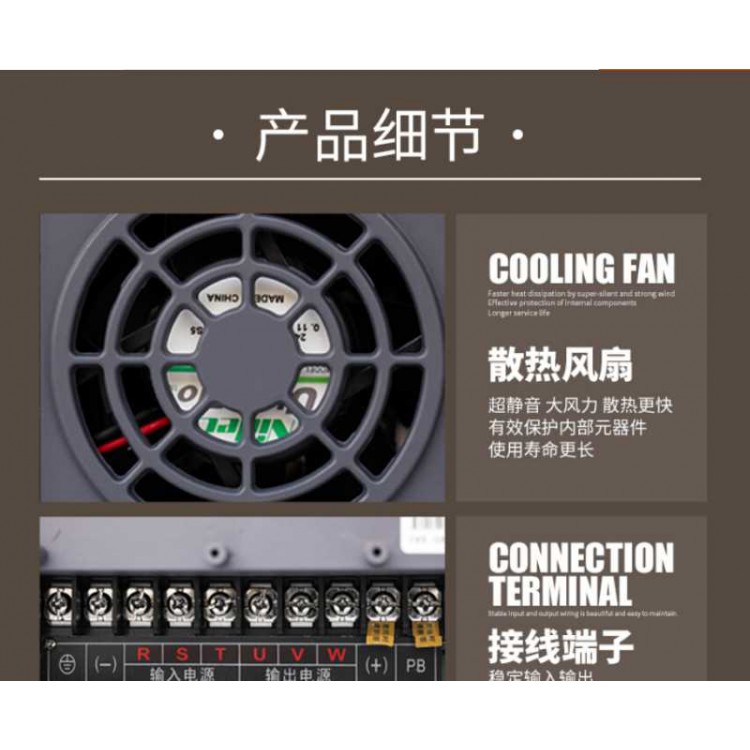
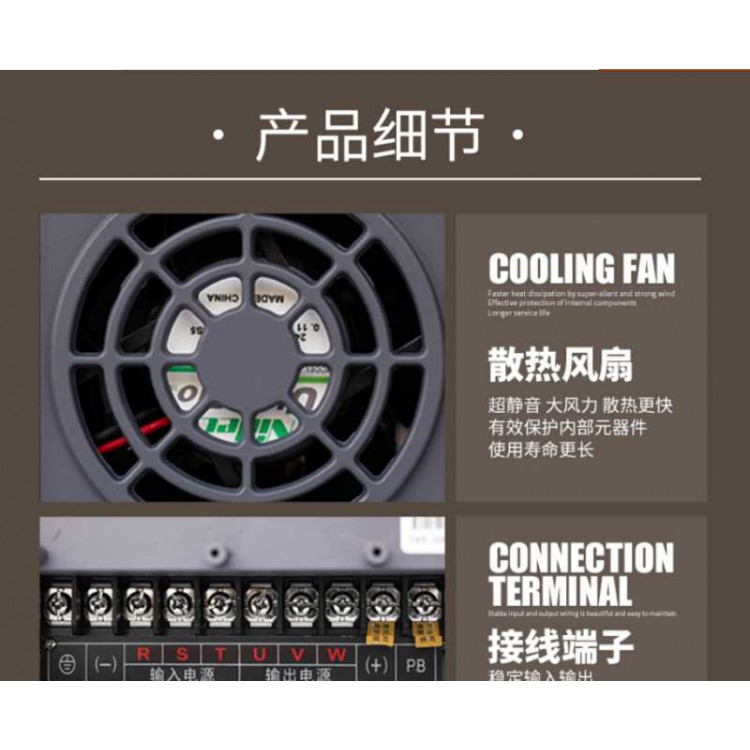
Frequency conversion cannot save electricity everywhere, and there are many occasions where frequency conversion may not necessarily save electricity. As an electronic circuit, the frequency converter itself also consumes power (about 3-5% of the rated power). A 1.5-horsepower air conditioner consumes 20-30 watts of electricity, equivalent to a constant light It is a fact that frequency converters operate at the power frequency and have energy-saving functions. But his prerequisite is: high power and load for fans/pumps; Secondly, the device itself has energy-saving function (software support). Variable frequency drive (VFD) is a power control device that applies frequency conversion technology and microelectronics technology to control AC motors by changing the frequency of the motor's working power supply. The frequency converter is mainly composed of rectification (AC to DC), filtering, inversion (DC to AC), braking unit, driving unit, detection unit, microprocessor unit, etc. The frequency converter adjusts the voltage and frequency of the output power supply by disconnecting the internal IGBT, providing the required power supply voltage according to the actual needs of the motor, thereby achieving energy saving and speed regulation. In addition, the frequency converter also has many protection functions, such as overcurrent, overvoltage, overload protection, etc. With the continuous improvement of industrial automation, frequency converters have also been widely used.
Inverter Description
The frequency converter itself has abnormal fault display, alarm and protection functions. When a fault occurs, the frequency converter displays abnormal fault codes on the screen or stores fault information in a parameter of the program for maintenance and inspection. Abnormal faults in frequency converters can be divided into two categories: soft faults and hard faults. Soft faults are often caused by improper operation or parameter settings, while hard faults are caused by damage to the components of the frequency converter itself, making maintenance difficult. The key to repairing a frequency converter is to identify the initial fault point and the key cause of the fault. Before dealing with the fault, maintenance personnel must have a certain level of professional knowledge about the working principle, structure, component composition, function, etc. of the frequency converter, otherwise it is difficult to find the true cause of the fault.
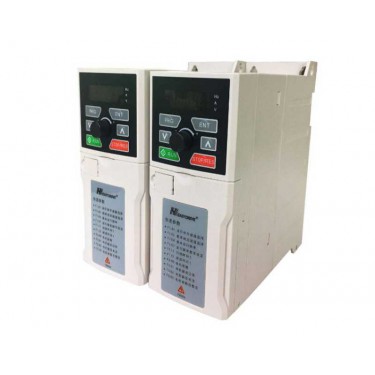
Inverter Description
The selection of a given signal for a frequency converter can generally be done in various ways, such as panel setting, external setting, external voltage or current setting, and communication method setting. Of course, the frequency setting for a frequency converter can also be one or a combination of these methods. After correctly setting the above parameters, the frequency converter can basically work normally. If better control effect is obtained, the relevant parameters can only be modified according to the actual situation. Once a parameter setting fault occurs, the frequency converter cannot operate normally. Generally, the parameters can be modified according to the instructions. If the above methods still do not work, it is better to restore all parameters to factory values and then reset them according to the above steps. The parameter recovery method is also different for each company's frequency converter.