






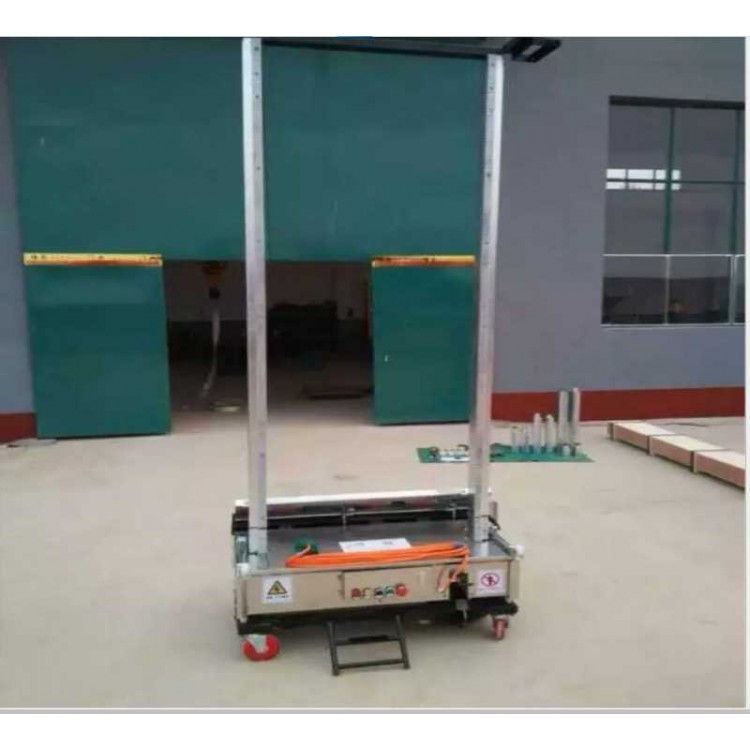
Explanation of Infrared Digital Leveling and Plastering Machine
In construction engineering, the material that binds granular materials (such as sand and gravel) or block materials into a whole is collectively referred to as adhesive material. Adhesive materials are divided into two categories: organic adhesive materials and inorganic (mineral) adhesive materials. Petroleum asphalt, asphalt, and various natural and synthetic resins belong to organic adhesive materials; Cement, lime, gypsum, and other inorganic adhesive materials. In plastering engineering, inorganic adhesive materials are commonly used, which are further divided into pneumatic adhesive materials (such as lime and gypsum) and hydraulic adhesive materials (such as various types of cement).
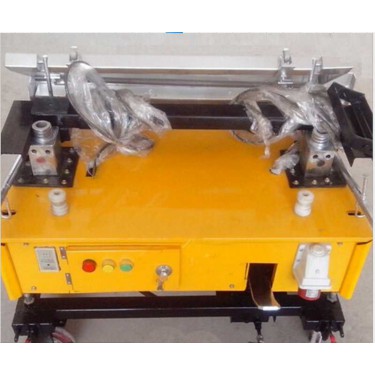
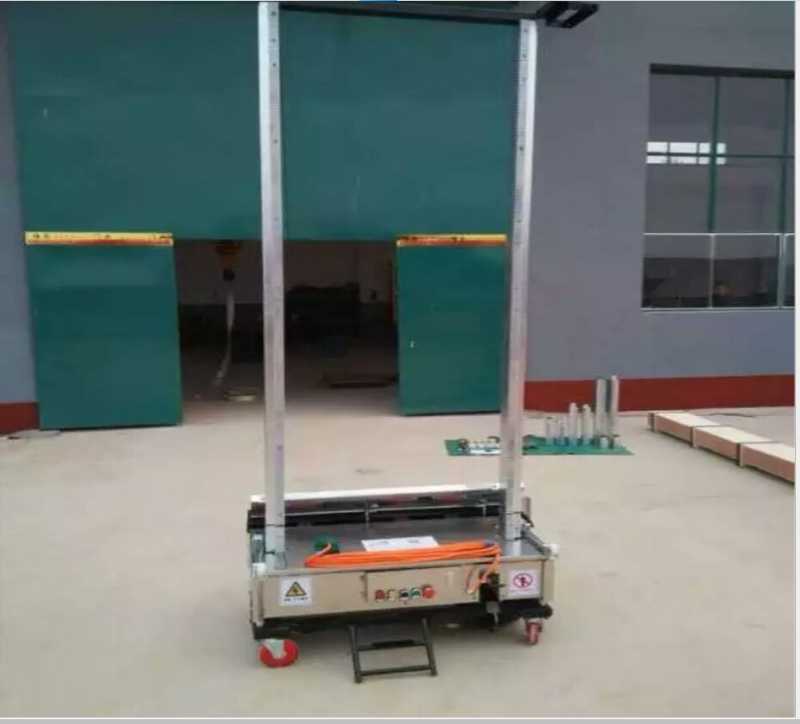
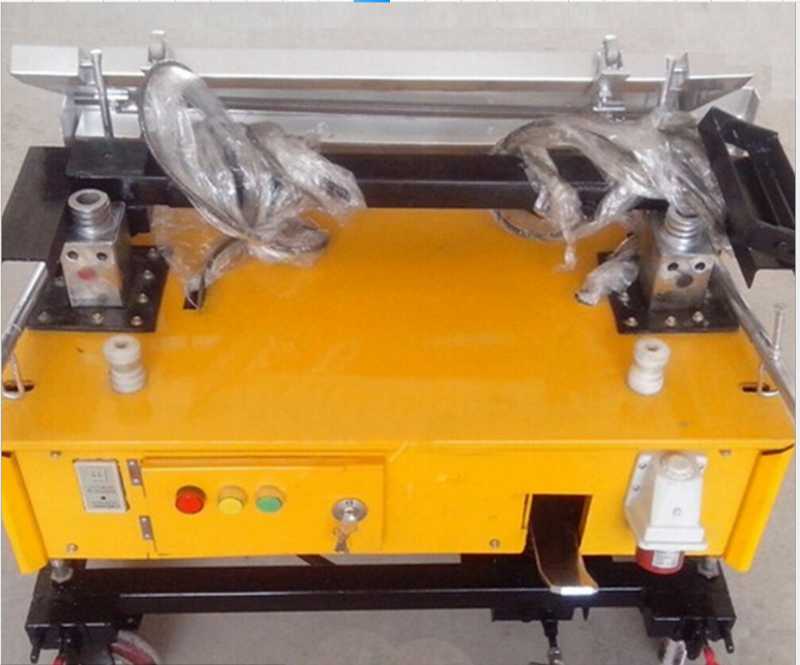
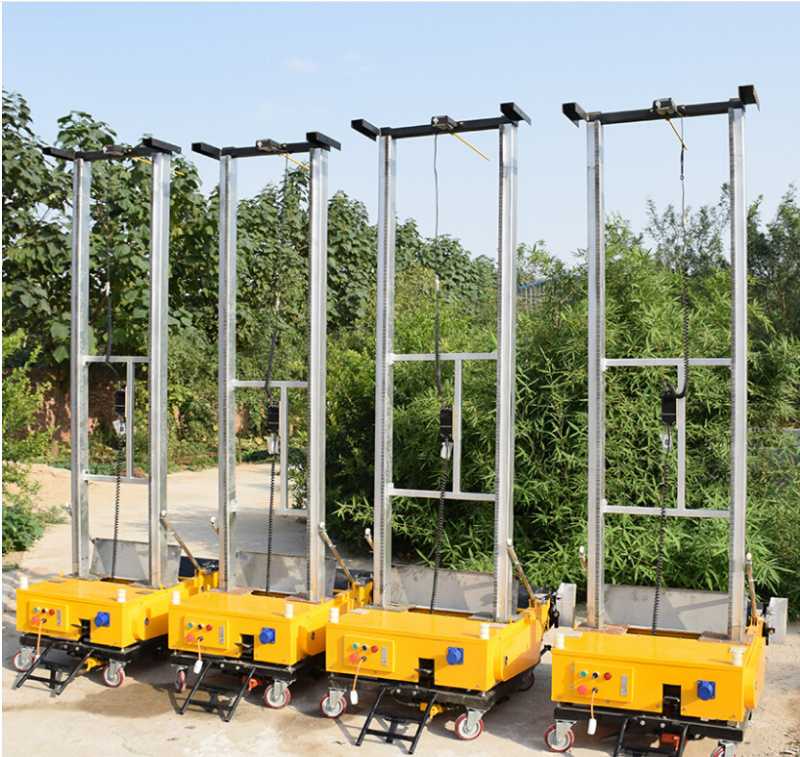
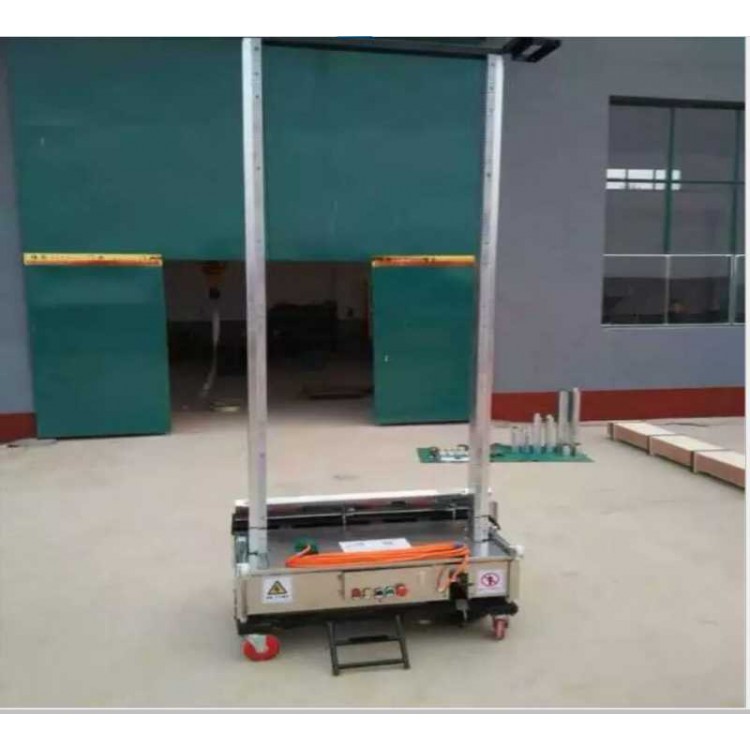
Infrared digital leveling and plastering machine style
Due to different construction techniques, plastering works can be divided into general plastering, clear water masonry jointing, etc. General plastering refers to the application of plaster on building walls, including concrete and masonry,aerated concreteApply lime mortar, cement mortar, cement mixed mortar, polymer cement mortar, hemp knife lime, paper reinforcement lime, gypsum ash, etc. to the wall facade of masonry units. The materials commonly used for plastering are lime mortarmixed mortarCement mortarPolymer cement mortarAnd also hemp knife ash, paper reinforcement ash, gypsum ash, etc. Generally, plastering is divided into three levels based on quality; Divided by location, it can be used for wall plastering, ceiling plastering, and floor plastering.
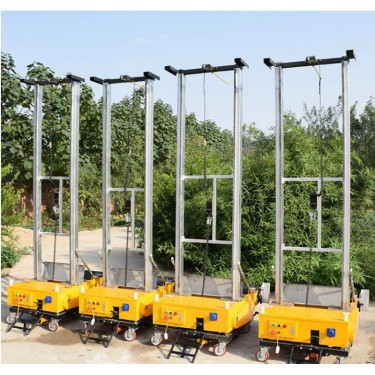
Customized infrared digital leveling and plastering machine
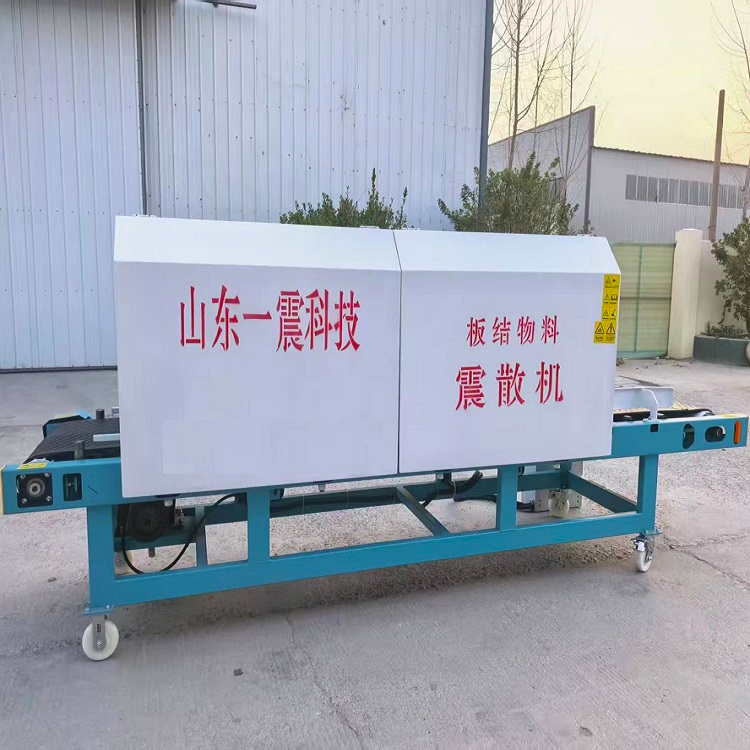
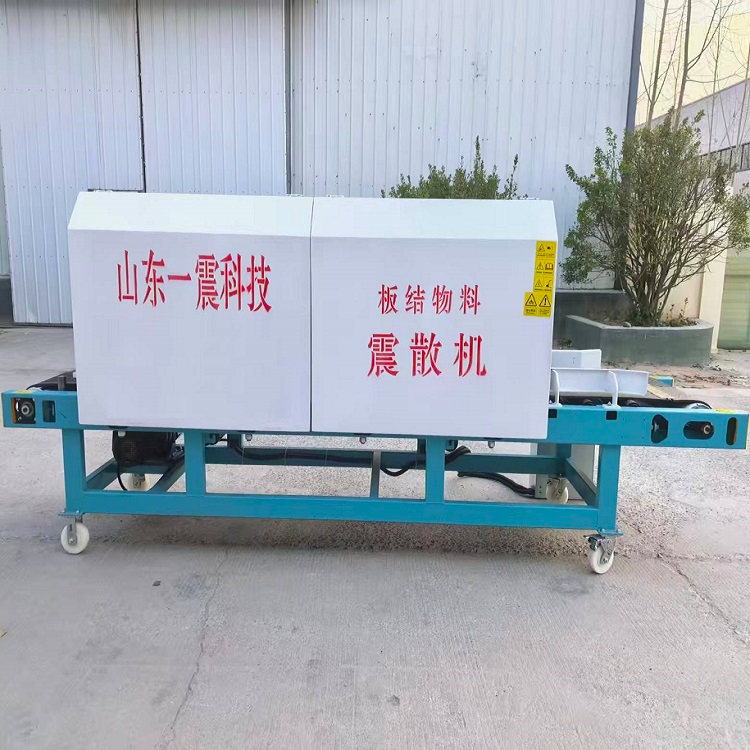
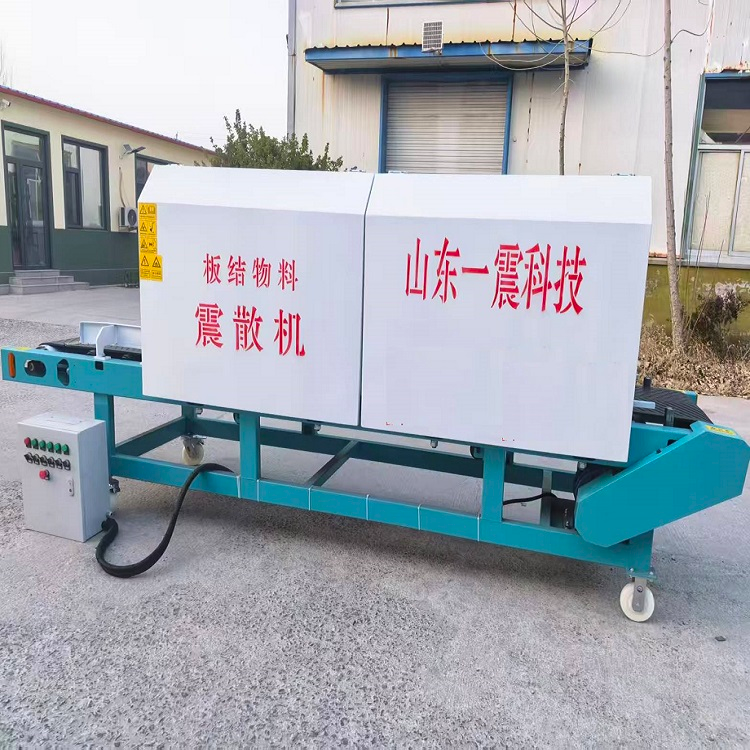
The problem of unstable positioning has been solved by using hydraulic jacking and grounding methods, and the positioning is fast and only requiresIt can be fixed vertically and smoothly in about 10 seconds. The combination of two branches and traditional doting solves the problems of slow, difficult, and large errors in laser positioning.By using a conveyor belt to transport the ash forward and upward, combined with a large scraper that can change the angle, it can be completely wiped to the top without leaving a millimeter。The use of a vibrator to increase the plastering board solves the problem of hollowing and cracks that are prone to occur when manually plastering walls. The thickness of plastering on water absorbing walls can reach up to3 centimeters, with a small plaster thickness of 0.3 centimeters. The use of a scraper that can change the angle has solved the problem of the machine not being able to descend and press smoothly along the original path. The use of plug-in rods makes it more convenient for you to freely connect at different heights, and also solves the problem of telescopic rods not being able to pass through construction holes. Moreover, when the machine is brought to the construction site, it can be used by inserting the upright rod without assembly. Simply remove the upright pole for transportation without the need for disassembly. The working surface of the machine is 80 centimeters wide, and there is only 20, 30, and 50 centimeters left after passing 80 or 80 on one wall. You only need to fill in one side without adjusting or sealing. Because being immersed in sand and dust for a long time makes any adjustments or blockages impossible.