Power distribution switch control equipment, high and low...


Product Recommendation
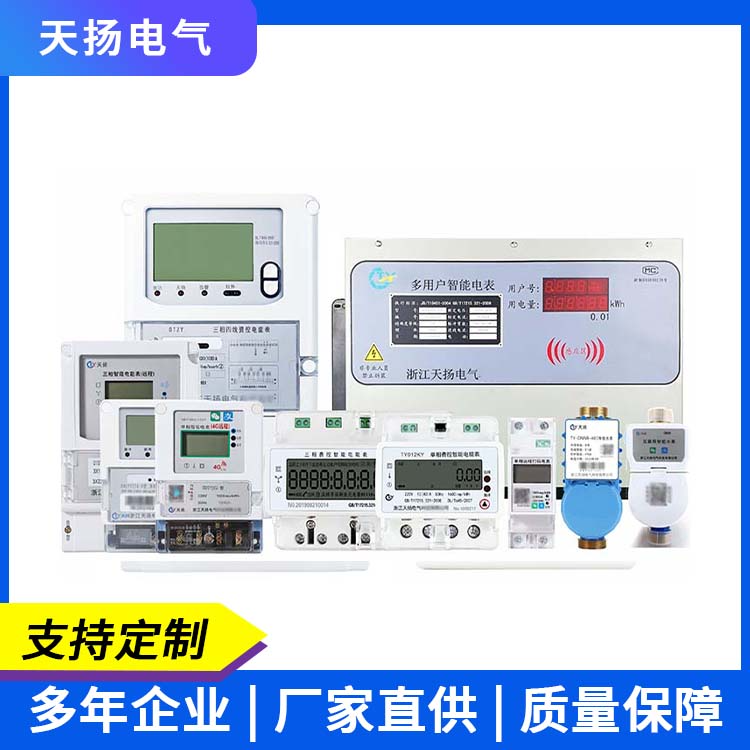
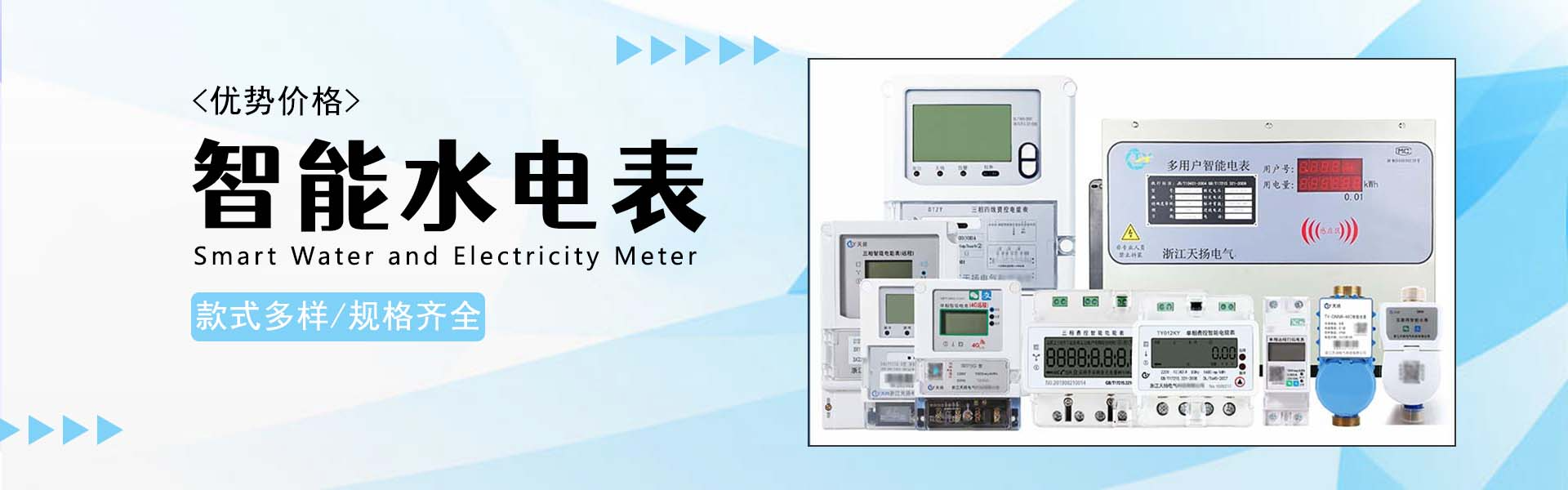
Prepaid Smart Electricity Meters (4G, Bluetooth, QR Code, Wireless, 485, Cost Control, Remote Transmission, Card Payment, Apartment, Multi-User)
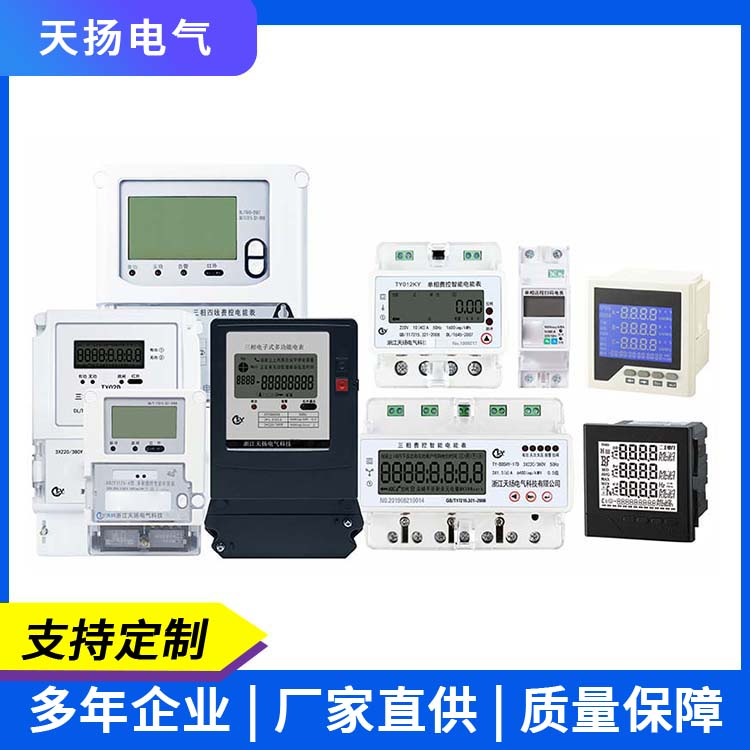
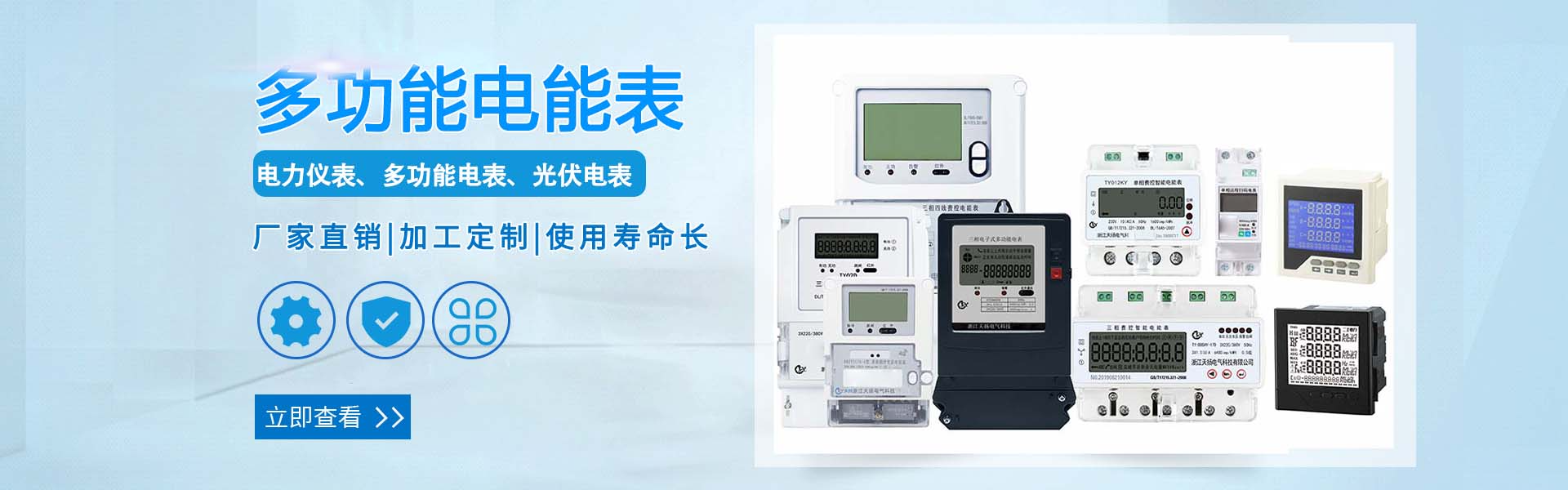
Multi-functional Electric Meter (Power Meters, Multi-functional Electric Meters, Photovoltaic Electric Meters)
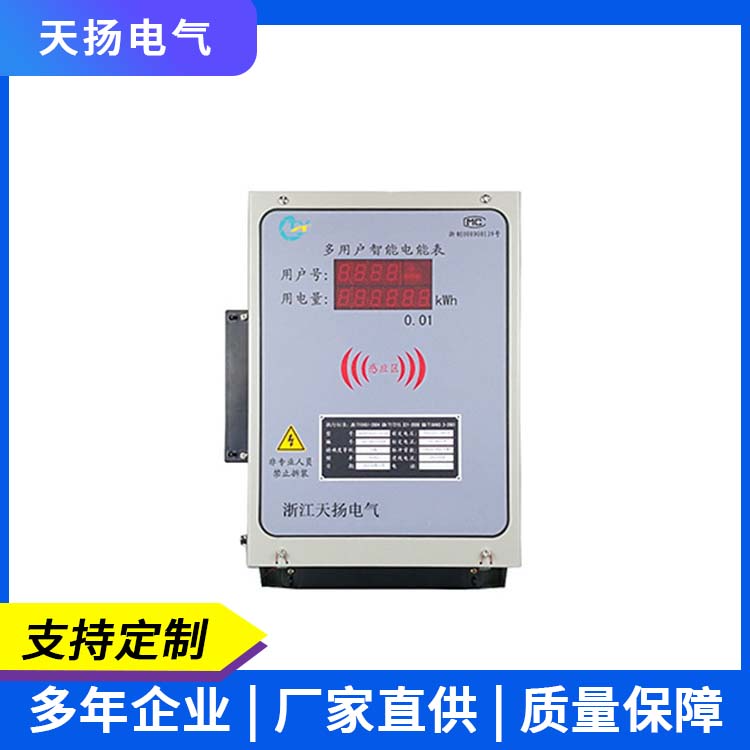
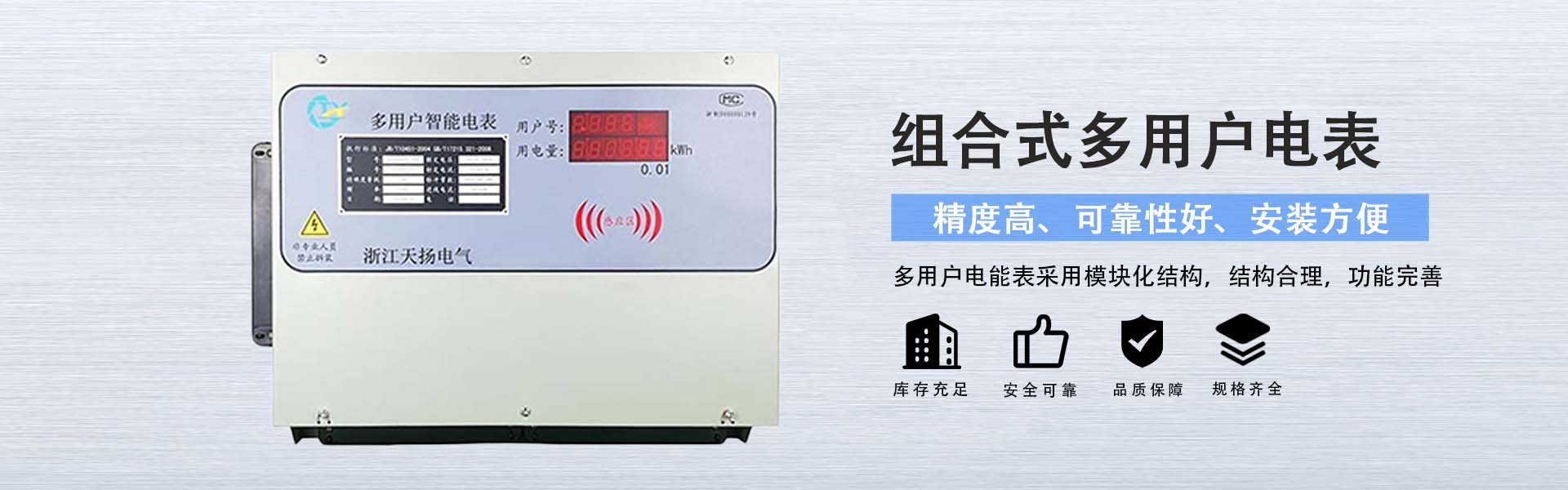
Apartment Multi-User Electricity Meter (Student Dormitory)
Prepaid Smart Electricity Meters (4G, Bluetooth, QR Code, Wireless, 485, Cost Control, Remote Transmission, Card Payment, Apartment, Multi-User)
Multi-functional Electric Meter (Power Meters, Multi-functional Electric Meters, Photovoltaic Electric Meters)
Apartment Multi-User Electricity Meter (Student Dormitory)
The primary types of smart electricity meters include IC card meters. Users present their IC card at the power supply department to pay and purchase electricity. The department then enters the purchased electricity amount into the IC card using a sales management machine. Users simply swipe the non-contact IC card (hereinafter referred to as "swiping") in the sensing area to restore power. After the electricity is supplied, the card is taken away. When the remaining electricity in the meter equals the alarm amount, power is automatically disconnected with an alarm (or buzzer). At this point, swiping the card in the sensing area will restore power; when the remaining electricity is zero, power is automatically disconnected. Users must then recharge and purchase electricity by presenting the card again to restore power usage. Compared to mechanical and electronic meters, there are several advantages for residential electricity usage:
1. Equipped with various anti-theft electricity features, featuring low starting current, no creeping, wide load range, and low power consumption. The error curve is flat, ensuring good stability during long-term operation. Single-phase local fee control smart electricity meter
2. Aesthetically pleasing, compact, lightweight, and easy to install.
3. High Accuracy: Full electronic design with built-in imported dedicated chip, precision unaffected by frequency, temperature, voltage, or higher-order harmonics.
4. Longevity: Utilizing SMT technology and an optimized circuit design, the entire unit requires no circuit adjustments upon factory shipment.
5. Low Power Consumption: Utilizes low power design to reduce power line losses.
6. Pre-purchased electricity; IC card data transmission, enabling data read-back, including: total electricity read-back, remaining electricity, accumulated purchased electricity within the meter, total number of purchase attempts, and other information.
7. Store constants, initial values, user addresses, and names.
8. Overload alarm shutdown and remaining power alarm remind users to purchase electricity promptly.
The advent of smart meters has brought numerous benefits to electrical meter testing institutions. For instance, previously, when testing a mechanical or electronic meter, after installing the meter in the testing device, technicians had to manually input the address of each meter, along with its active/reactive power ratings and applicable debugging parameter schemes into the debugging software. This significantly increased the workload for technicians, delayed the delivery of electrical meters on schedule, and had a noticeable impact on the company's brand image. However, since the introduction of smart meters, technicians simply need to connect the meter to the machine, plug the network cable of the debugging computer into the network port of the meter testing device, set up the communication serial port between the PC and the device end, and the various parameters can be automatically generated in the calibration software. Through a brief automatic calibration process using the software, it is clear on the computer screen whether the quality of the smart meter meets national standards.


b2b.china9.net © Zhongshang 114 Hebei Network Technology Co., Ltd.Address: Room 6009, Oriental New World Center, No.118 East Zhongshan Road, Qiaoxi District, Shijiazhuang City, Hebei ProvincePlatform Service Hotline: 4006299930