




- AllProduct Category
-
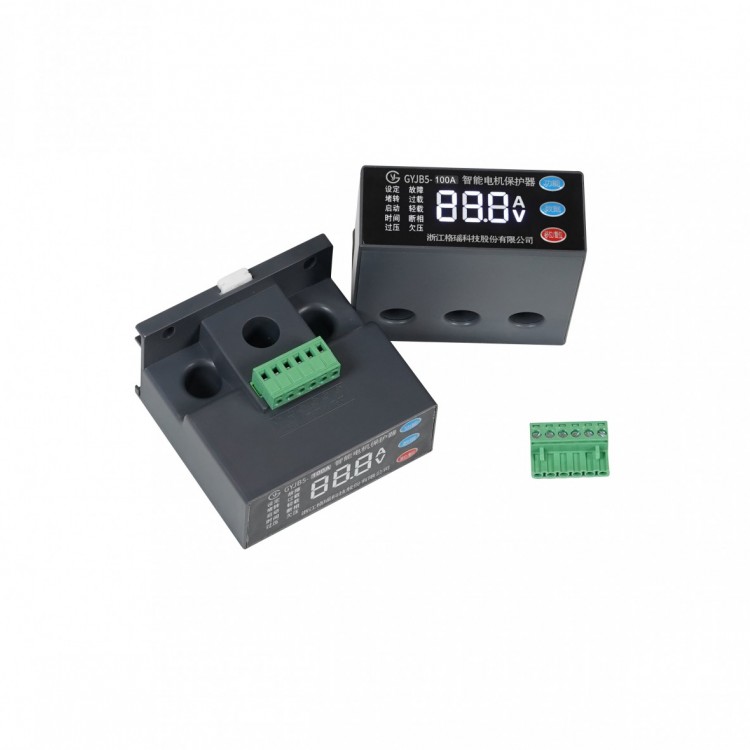
Motor Protector
High Voltage Microcomputer Integrated Protection Device
Multi-functional Power Instrument
Dehumidification Unit
Electrical Valve
Motor Protector
Robotics
Switchgear
Motor Monitoring and Protection Device
Motor Protection Device


详情描述
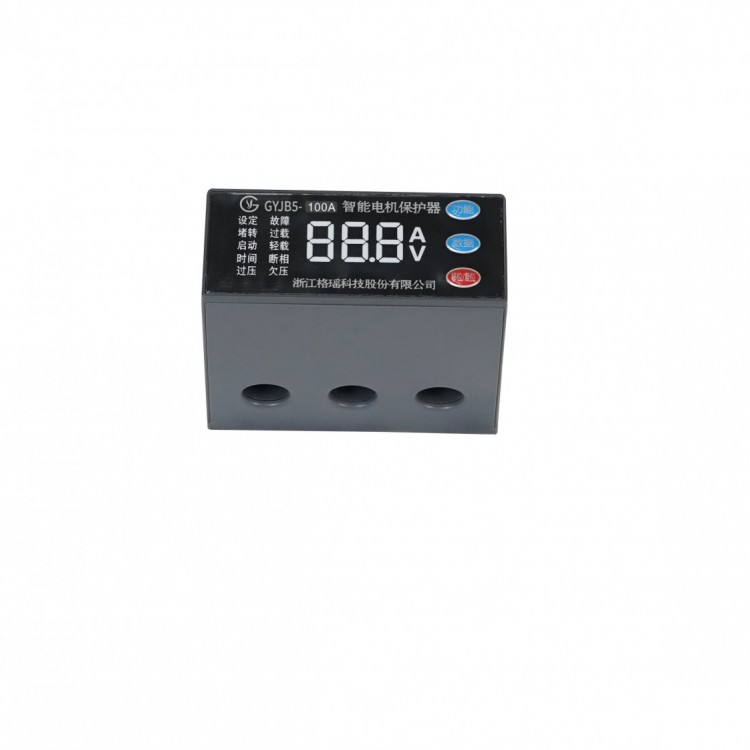
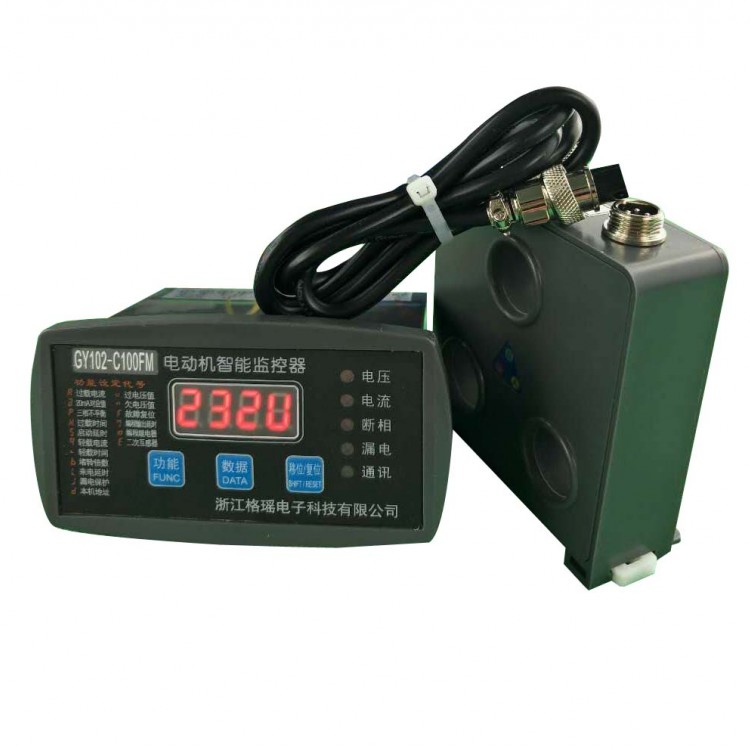
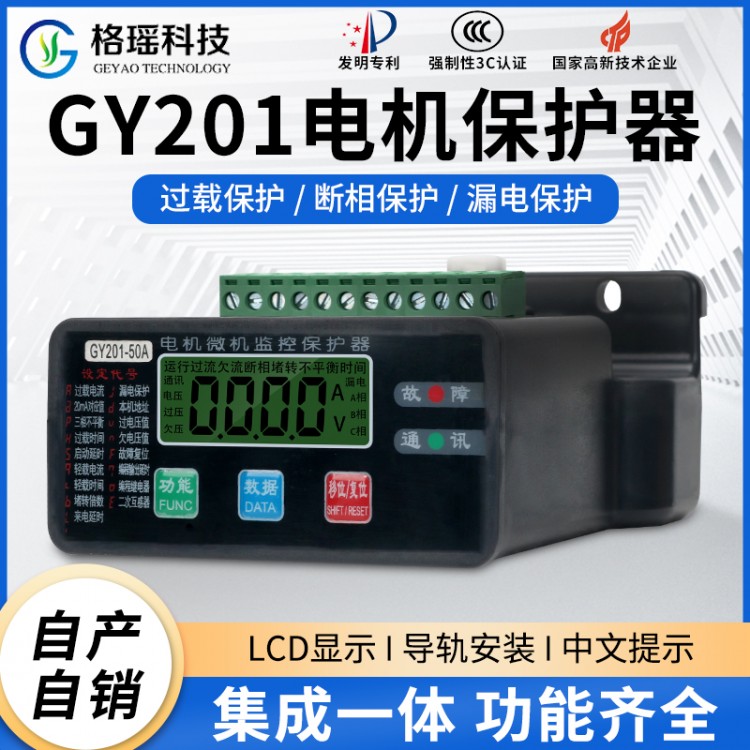
Geyao Technology Co., Ltd. produces motor protector core protection functions (safety底线)
These are the most basic and critical functions of motor protectors, directly related to the safety of the motor.
Overload Protection
FeaturesThis refers to the operating current of the electric motor.Exceeds its rated currentBut it has not yet reached the extreme high current state of short-circuit or stalling.
Rated Current (Ie)The line current of the stator winding when the motor outputs rated power at the rated voltage and frequency. This is the current value at which the motor can operate safely and stably for a long time.
Overload CurrentTypically, it is the rated current.1.05x to 5-6xBetween.
ScenarioMechanical load suddenly increases, belt too tight, initial bearing damage, etc.
Stall Protection
FeatureThe motor becomes jammed during startup or operation, with the current reaching 5 to 8 times the rated current, the protector will...Instantaneous (0.1-0.5 seconds) or ultra-short time limitTrip action. This is a very serious fault; the power must be disconnected immediately.
ScenarioPump stuck due to foreign object, fan impeller detached and jammed.
Block Protection (Startup Timeout Protection)
FeaturesDuring motor startup, the current is also very high, but this is normal. The protector will set a reasonable startup time (such as 10-30 seconds). If the motor has not completed startup and shifted to normal operation within this time, it is deemed to be blocked during startup, and the circuit breaker will trip immediately.
The Difference Between Locking and Anti-ReverseShort circuit is an instant high current, while blocking is an excessively long startup process.
Phase Loss and Three-Phase Unbalance Protection
Phase MissingPower line phase disconnected, motor running single-phase, current sharply increases.
UnbalancedThree-phase current imbalances. The protector monitors each phase's current and acts when the imbalance exceeds the set value (e.g., 10%). Unbalanced operation can lead to localized overheating of the motor.
Feature:
ScenarioCircuit breaker fuse blown for one phase, contactor contacts aged, and power terminals loose.
Grounding/Leakage Protection
FeatureTest for insulation damage on motors or cables, which can lead to current leakage to the ground. Trip when the leakage current exceeds the safe threshold, preventing electric shock accidents and equipment damage.
ScenarioMotor water damage, cable insulation peel, insulation aging.
Under/Overvoltage Protection
FeaturesAbnormal grid voltage can damage the motor. Low voltage can cause increased current and overheating; high voltage can shock the motor insulation. The protector operates when the voltage exceeds the normal range.
II. Expansion and Process Protection Features (Enhanced Reliability)
These features are tailored for specific application scenarios, preventing motors from operating under abnormal process conditions, thus avoiding energy waste and equipment damage.
Underload/No-load Protection
FeaturesActs when load current falls below the set value. Used for detecting "no-load" condition.
Scenario: Pump vacuuming(No water inside the pump during operation can easily damage the mechanical seal.)Fan belt broke(Sudden Load Disappearance)
Phase Sequence Protection
FeatureCheck the phase sequence of the three-phase power supply. Critical for equipment that does not allow reversal (such as pumps, compressors).
ScenarioAfter maintenance, reverse the power cable to prevent motor reversal.
TE Time Protection
Features: Specifically designed forExplosion-proof Increased Safety Type (Ex e) MotorDesigns must comply with strict national standards (such as GB3836.3), and during motor short-circuit lock, the power supply must be cut off within the specified "tE time" to prevent the motor surface temperature from exceeding the explosion-proof standard limit.


