




- AllProduct Category
-
Motor Protector
High Voltage Microcomputer Integrated Protection Device
Multi-functional Power Instrument
Dehumidification Unit
Electrical Valve
Motor Protector
Robotics
Switchgear
Motor Monitoring and Protection Device
Motor Protection Device



详情描述
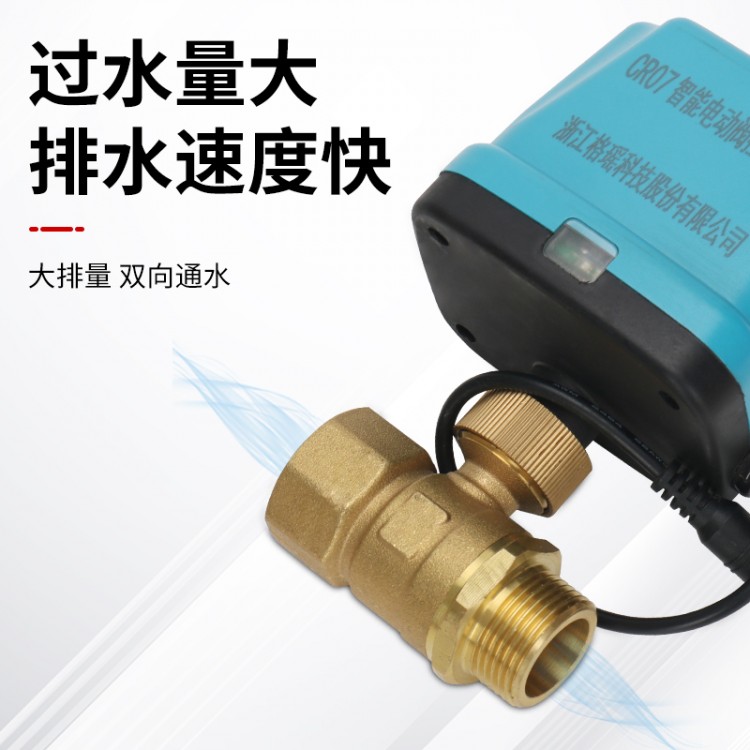
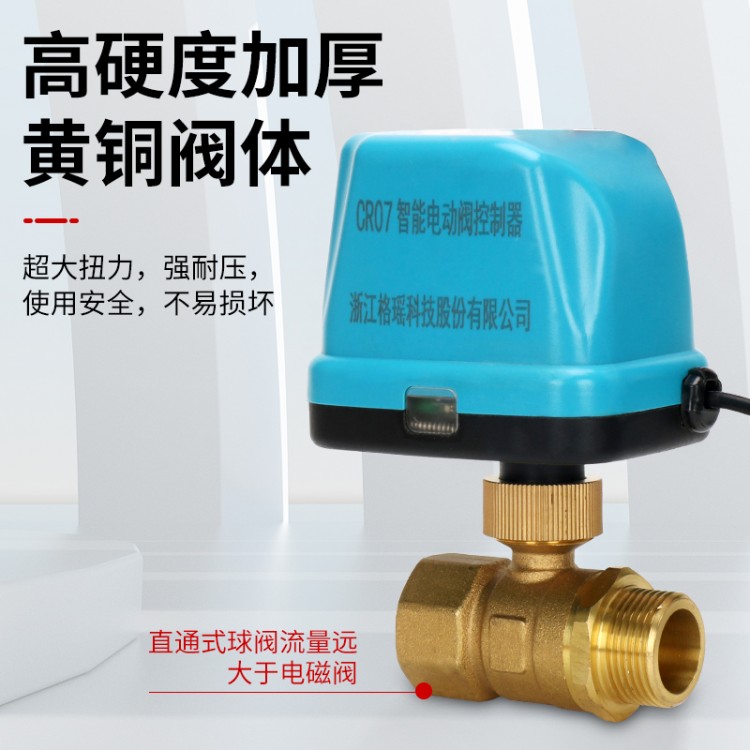
The control principle of the three-line, two-control electric valve is:
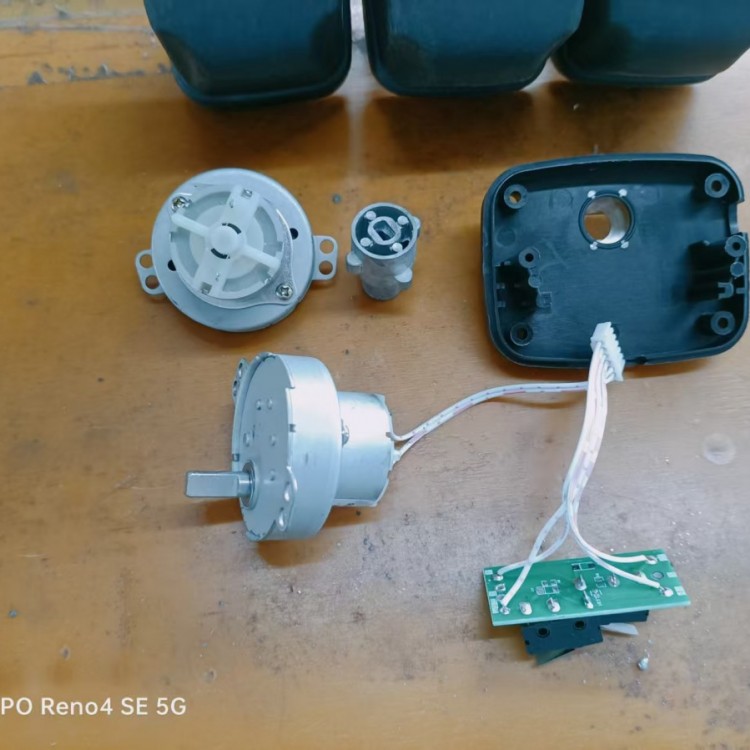
When using a two-way motor, when the valve wire is connected to the neutral wire, the motor rotates to the left (or right), and the valve moves to the open position. Once the valve is fully open, the internal microswitch cuts off power, stopping the motor. When the shut-off wire is connected to the neutral wire, the motor rotates to the right (or left), and when the valve is fully closed, the internal microswitch cuts off power, stopping the motor. This cycle repeats, allowing the two-way motor to operate the valve in both directions, ensuring the valve remains balanced even after long-term use. Additionally, if the valve ball gets stuck due to external reasons, the motor will work in both directions simultaneously to reset itself.
2. When using a single-phase motor, where the motor can only rotate in one direction, the motor starts when the valve wire is connected to the neutral wire. When it reaches a 90-degree position, the center shaft drives the positioning micro-switch, which then opens and closes the valve wire connection to the neutral wire. Simultaneously, it connects the shut valve wire to the neutral wire. When the shut valve wire is connected to the neutral wire, the motor continues to rotate, repeating this cycle. If the valve ball becomes stuck while using a single-phase motor, and the motor remains powered but does not rotate, the actuator is prone to failure. Therefore, we do not recommend using a single-phase motor for electric actuators.
3When using a low-voltage DC motor to achieve three-wire two-control valve operation through forward and reverse rotation, it is typically switched using an 8-pin relay. That is, when opening the valve, the relay is energized, closing the normally closed contact; when closing the valve, the normally open contact of the relay is used to place the motor at the common terminal of the relay and match it with the positioning switch for the three-wire two-control. Generally, DC motors are brushed, and the brush life is usually around 20,000 to 25,000 cycles, so when purchasing products, it should be determined based on the on-site requirements.
4.Three-wire two-control electric actuators typically do not have complex control circuits. AC motors usually do not require relays or other electronic components to form the control circuit, resulting in lower failure rates, greater energy efficiency, and slightly lower costs. Under permissible conditions, we recommend users opt for three-wire two-control actuators whenever possible.


