



- AllProduct Category
-
Motor Protector
High Voltage Microcomputer Integrated Protection Device
Multi-functional Power Instrument
Dehumidification Unit
Electrical Valve
Motor Protector
Robotics
Switchgear
Motor Monitoring and Protection Device
Motor Protection Device



详情描述
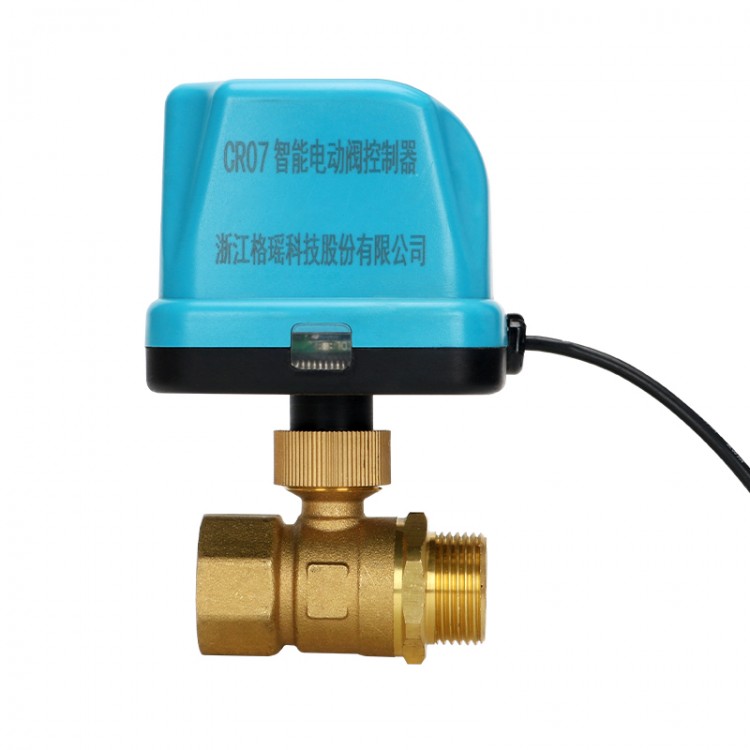
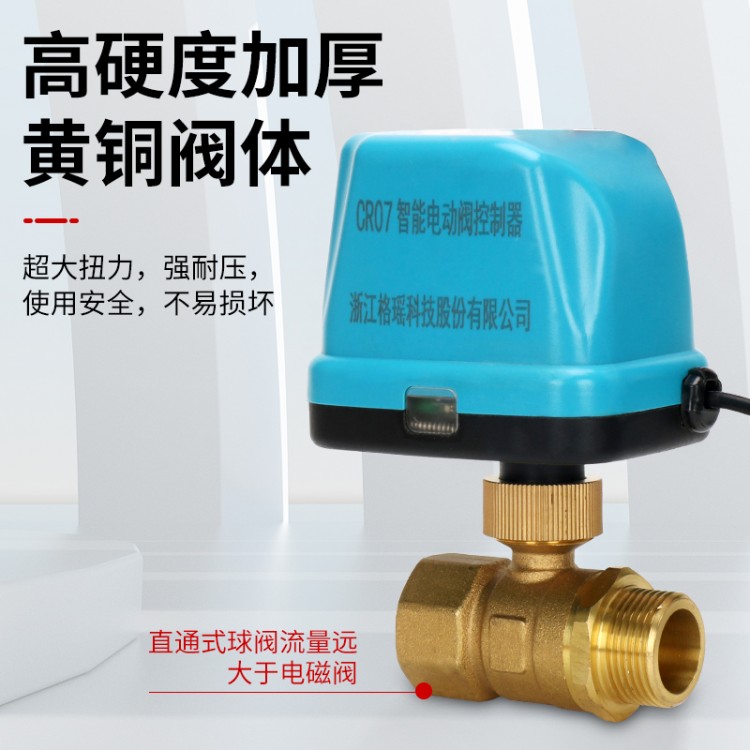
Electromagnetic intelligent valve primarilyPlease provide the Chinese content that needs to be translated into American English.Intelligent control-oriented.Simple structure, high traffic, upstream and downstream valves0Pressure differentialBrass materialRelative CostPlease provide the Chinese content you would like translated into American English.Lower。In warmGasRefrigeration、Air conditioners, underfloor heating, ventilation, or boilers,Water, Fire Protection, Gas, Metallurgy, Chemical IndustryIndustry equipmentMedium, accurate control of hot water、Frozen water supply cut-offWith flow control orWind Speed, Indoor TemperatureAutomatic intelligentKey to adjustment.Geyao Technology's electric valves, with the strength of win-win joy, have brought the GYDN series of electric intelligent valves to the market.Typical Applications and Product Features:
One,GYDNSeries electric two-way valves are widely used in central air conditioning systems, heating systems, and other fields.Electric modeOpen or CloseBall ValveControlFlow rate or indoor temperatureLarge bore, straight-through flow.Obstructive issuesThe features ensure smooth water flow. The choice of brass nuts and stainless steel ball cores not only enhances the product's durability but also significantly extends its service life.
Two,Three-lineDual ControlElectrical Valve Product Specifications and Wiring Instructions:
The valve is designed with a three-wire system.WaterproofDesignFeatures multiple wiring control methods, for example, with three wires and two controls:RespectivelyRedColor (valve closed), blue (valve open) andDoubleColor (General)Control Valve Body. Please provide the Chinese content to be translated.Ensure the symmetrical voltage value is at the correct level when in use to avoid damage.The open valve line and the close valve line must be from the same circuit.Source,Products availablePower supply for220VAC+10% 50/60HZOrDC24V, DC12V, 3.6V, etc. specifications。Please noteWhen wiring, ensureRedThe color line connects to the control end for valve closure, while the blue line connects to the control end for valve opening.Please provide the Chinese content to be translated into American English.The color wire is connected to the power supply or other control devices as a common line.
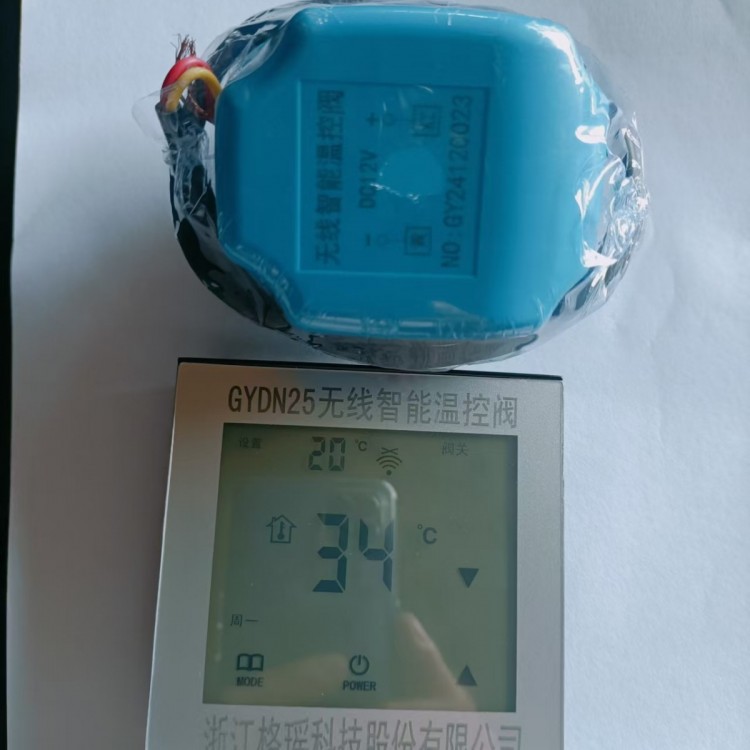
Three, WirelessLCD Temperature Controller
(T) Typical Applications and Product Features:
GYDNSeriesWirelessLCD temperature controller, featuring its large LCD display,EEPROM Data StorageInnerInstall sensors and actuatorsTouScreen、Automatic Diversion ControlWaitCoreFeatures, becoming an integral part of HVAC and refrigeration systemsCritical Control Combination ProductIt can display the indoor conditions in real-time.EnvironmentActual temperature vs. set temperature, accurately regulating indoor temperature by controlling the opening and closing of two-way or three-way valves and the fans of the fan coil units, providing both comfort and energy savings for users.Double recovery。
The control principle of the three-line two-control electric valve is:
When using a two-way motor, the motor rotates to the left (or right) when the valve line connects with the neutral wire, causing the valve to move in the opening direction. Once the valve is fully open, the built-in micro-switch shuts off the power, stopping the motor. When the closing valve line connects with the neutral wire, the motor rotates to the right (or left), and upon full closure of the valve, the micro-switch shuts off the power, stopping the motor. This cycle continues, allowing the two-way motor to operate the valve left and right without becoming unbalanced over time. Additionally, if the valve ball gets stuck due to external factors, the motor will also work left and right simultaneously to self-reset.
2.When using a single-phase motor, which can only rotate in one direction, the motor starts when the valve line is connected to the neutral line. As it reaches the 90-degree position, the center shaft actuates the limit microswitch, disconnecting the valve line from the neutral line via the normally open and normally closed contacts of the microswitch, while connecting the shut-off line to the neutral line. When the shut-off line is connected to the neutral line, the motor continues to rotate, repeating this cycle. When using a single-direction motor, if the valve ball gets stuck, the motor remains powered and cannot rotate, leading to a high risk of actuator failure. Therefore, we do not recommend using electric actuators with single-direction motors.
3When controlling a valve with a three-wire two-control system using a low-voltage DC motor's forward and reverse operation, it is typically done through a 8-pin relay for switching. That is, when opening the valve, the relay is energized, closing the normally closed contact; when closing the valve, the normally open contact of the relay is used to place the motor at the common terminal of the relay and match it with the positioning switch to achieve the three-wire two-control. Generally, DC motors are brushed, and the brush life is usually around 20,000 to 25,000 cycles, so when purchasing products, it should be determined based on the on-site requirements.
4.Three-wire two-control electric actuators typically do not have complex control circuits. AC motors usually do not require relays or other electronic components to form the control circuit, resulting in a lower failure rate, greater energy efficiency, and slightly lower cost. Under permissible conditions, we recommend users opt for the three-wire two-control actuators whenever possible.
Three-lineOneThe control principle of the electric valve is:
Three-wire electric ball valves typically refer to electric valves where the open/close control is completed with a single wire. The three wires are the neutral (or common) wire, the live (or positive) wire, and the control wire (open valve wire or close valve wire). The three-wire control valves are further divided into normally open valves and normally closed valves. A normally open valve means the valve is in the open position when the control wire is not powered, whereas a normally closed valve means it is closed when the control wire is not powered. Generally, most manufacturers provide normally closed valves, which means the valve opens when the control wire is powered. The wiring for a normally closed valve includes the neutral (or common) wire, the live (or positive) wire, and the control wire (open valve wire).
Power-off self-resetThe control principle of the electric valve is
Power outageAutomaticOpen valveOr shut off valve,Second-tierThe actuator has only two wires, the neutral (or common) wire and the live (or positive) wire, and the actuator is typicallyDC3V motor, powered by a Faraday capacitor or lithium battery, supplies power to the actuator motor during power outages, enabling the actuator motor to operate.DynamicValveOn/OffThe lifespan of this type of actuator is significantly affected by the DC motor brushes and the lifespan of the farad capacitors (or lithium batteries). It is generally used in special applications, such as solar heating equipment, coal-to-electricity conversion equipment, and situations requiring power interruption.Automatic On/OffValve location.
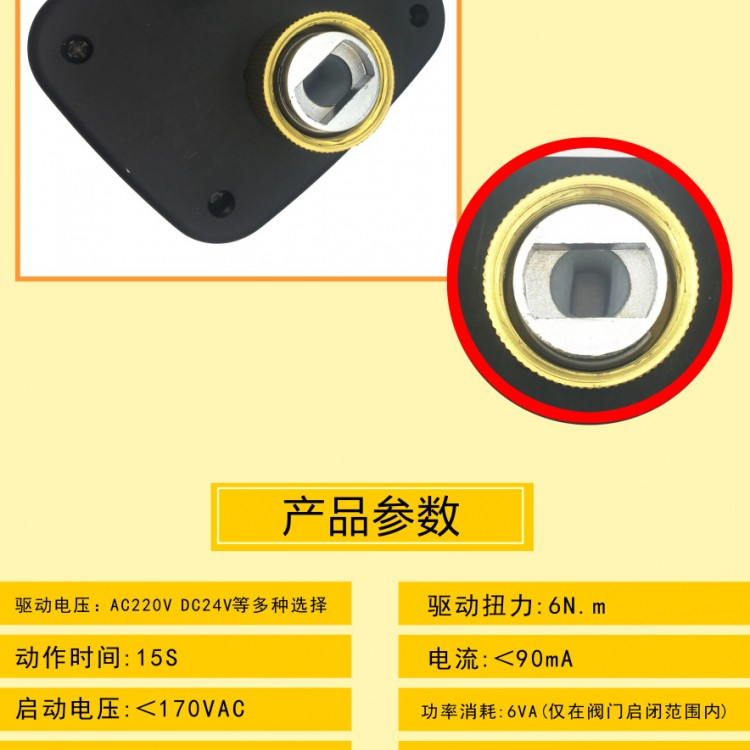
Regarding the small-diameter electric ball valves primarily used in two-link supply systems, fan coil units, solar heating, coal-to-electricity conversion, and heating industries, the general driving torque is4-6 Nm, valve port diameters are generally DN15-DN40. For pipe sizes above DN40, it is recommended to use an electric actuator with a higher driving torque.


