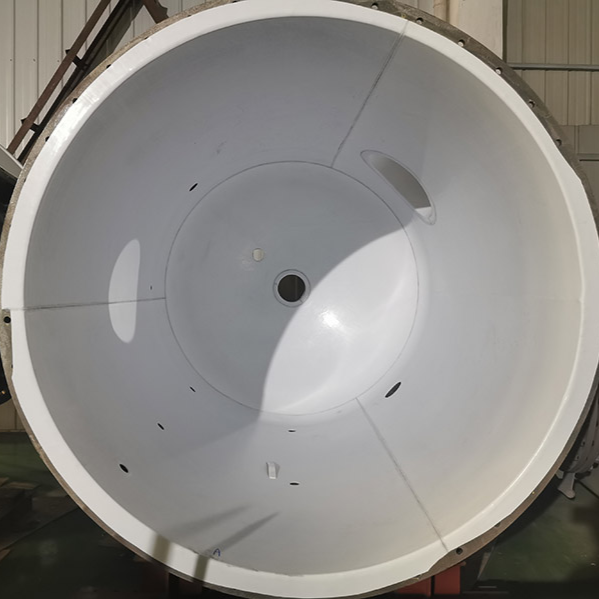
Main Products: Steel-lined Plastic Storage Tanks, Sulfuri...

It's well-known that corrosive liquids require the use of a type of storage tank called an anti-corrosion tank, which plays an indispensable role in many industries. However, anti-corrosion tanks also have high requirements for the stored liquids. Do you know that? Below, let me introduce the corrosion resistance and liquid requirements of anti-corrosion tanks.
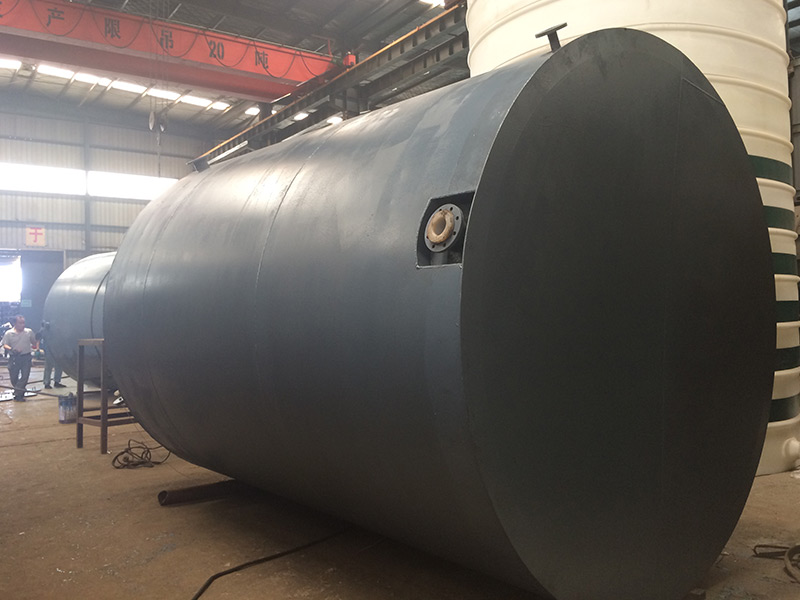
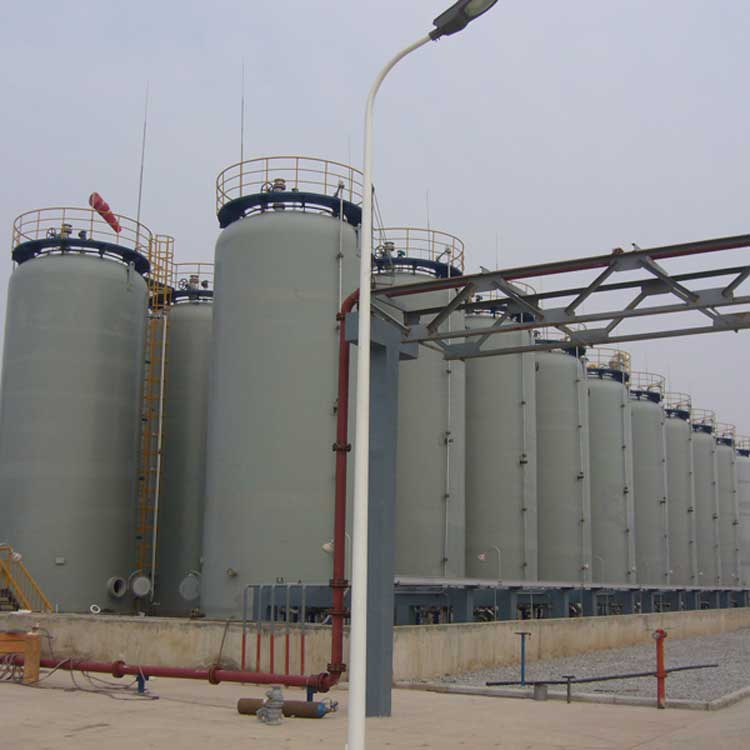
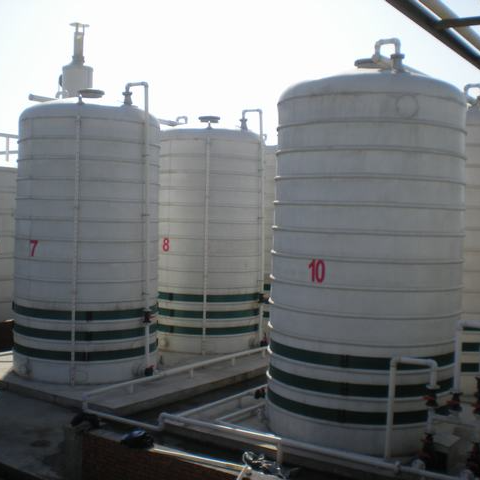
Corrosion-resistant storage tanks exhibit anti-corrosive properties during use, are suitable for acidic, alkaline, and saline solvents, have minimal medium selectivity, and are highly versatile. They are non-toxic, meeting the hygiene standards for food storage and transportation. They possess exceptional resistance to seepage and fatigue strength, as well as impact strength, which is triple that of ERP tanks.
Corrosion-resistant storage tanks are lightweight, have low transportation energy consumption, require no maintenance, are highly adaptable, recyclable, and free from post-processing pollution concerns. With a long service life of over 10 years, they are a cost-effective and reliable product.
The site of the anti-corrosion storage tank should have a well-designed drainage trench and dilution equipment. In cases where the liquid level of the tank cannot be controlled, an overflow port should be installed on the tank to prevent liquid overflow and avoid unnecessary harm. When the tank is in use and there is a large inflow and outflow of liquid, a vent with the corresponding flow rate should be installed.
When changing the liquid stored in a corrosion-resistant tank, it is important to understand whether the tank is permitted for the specific liquid. These tanks often have high hydraulic pressure, so care should be taken when connecting them to other flanges. Standard flanges are typically tightened at the factory, but may loosen during transportation or handling. Users should check the tank's sealing performance before use, and can add liquid to observe for any leaks.
Corrosion-resistant storage tanks are essential to prevent losses. Any pipes with joints or flanges at the bottom of the tank should be perpendicular to the wall for soft connections. This prevents uneven expansion of the tank wall when filled with liquid, which could damage the joints and lead to leaks, or in severe cases, damage the joints and the tank body. When the inlet is high above the bottom of the tank, the inlet should bend towards the tank wall to allow the liquid to flow down the wall, reducing impact on the bottom.
Corrosion-resistant storage tanks are an indispensable and crucial basic equipment in industries such as oil, petrochemicals, grain and oil, food, fire protection, transportation, metallurgy, and more. They are an integral part of our economic life, and their significant role in the national economic development is irreplaceable. For many businesses, the absence of storage tanks would hinder normal production, particularly for strategic material reserves, which rely on various capacities and types of corrosion-resistant storage tanks.


b2b.china9.net © Zhongshang 114 Hebei Network Technology Co., Ltd.Address: Room 6009, Oriental New World Center, No.118 East Zhongshan Road, Qiaoxi District, Shijiazhuang City, Hebei ProvincePlatform Service Hotline: 4006299930