
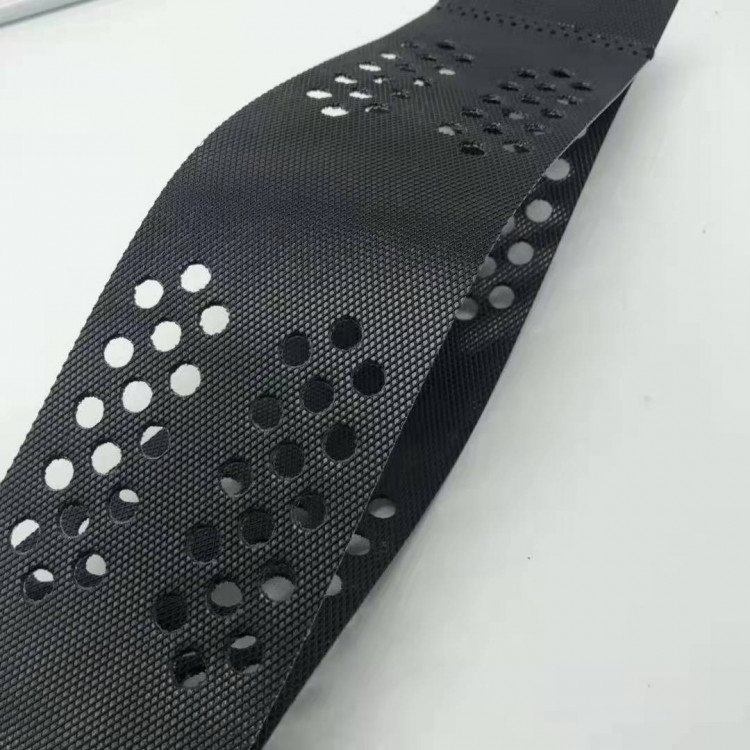
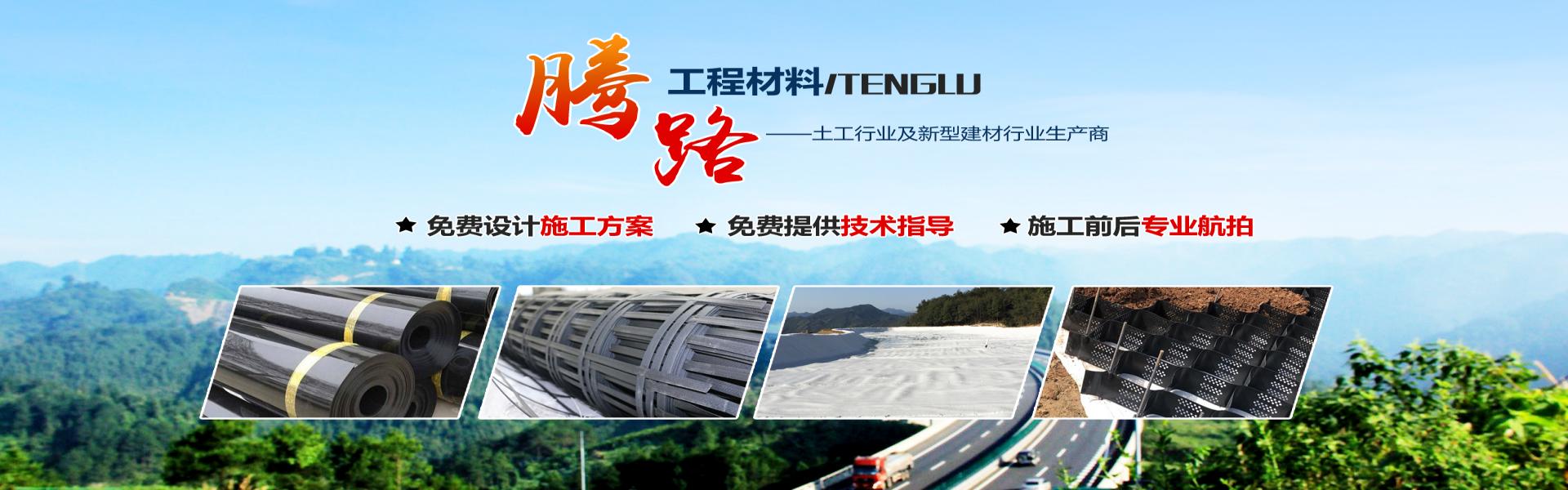
 Geotextile Cellular Confinement Price per Square Foot | Mining Greening Slope Protection Geotextile Cellular Confinement
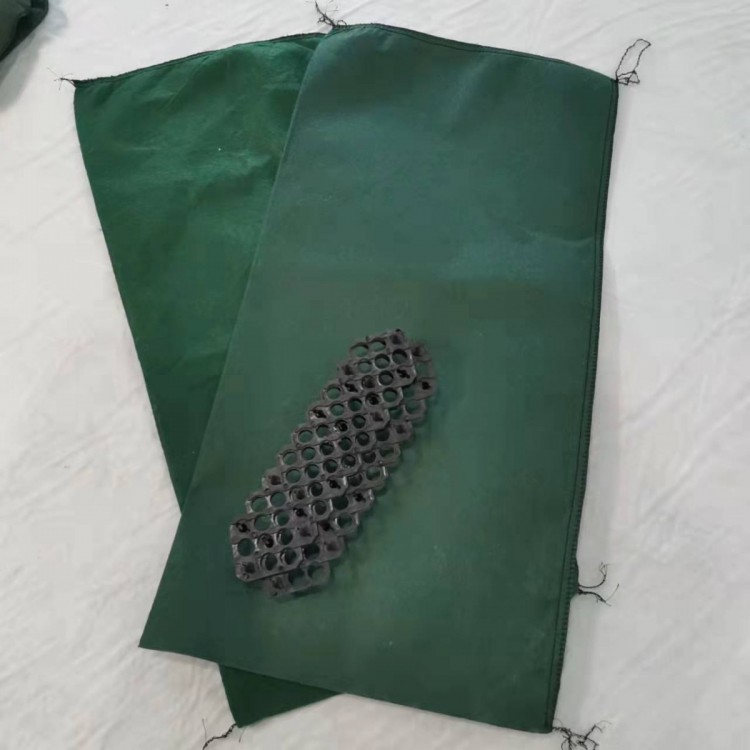 Eco-Bags from Original Manufacturer, Mining Greening Slope Protection Eco-Bags
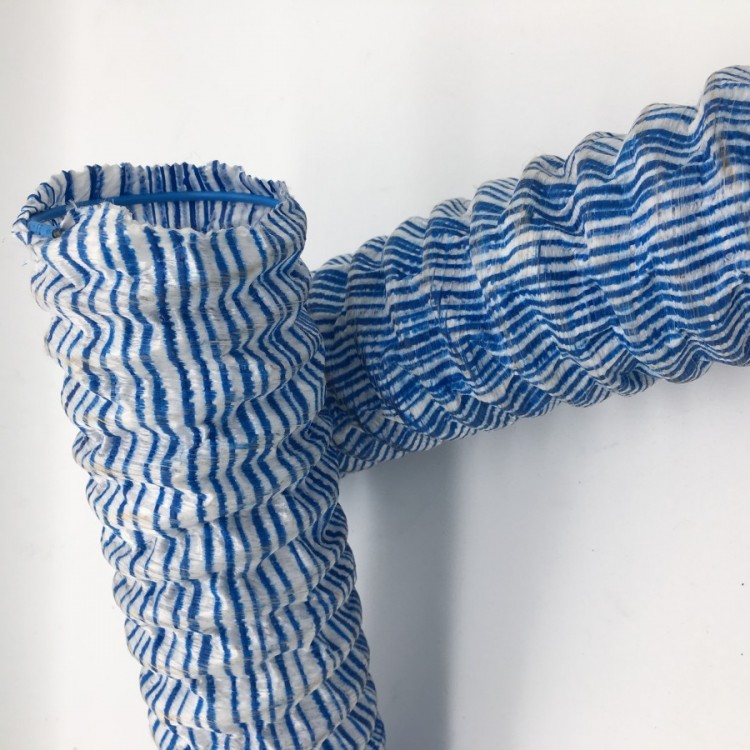 Flexible Perforated Pipe Manufacturer, Complete Specifications, Landscape Gardening, Perforated Pipe
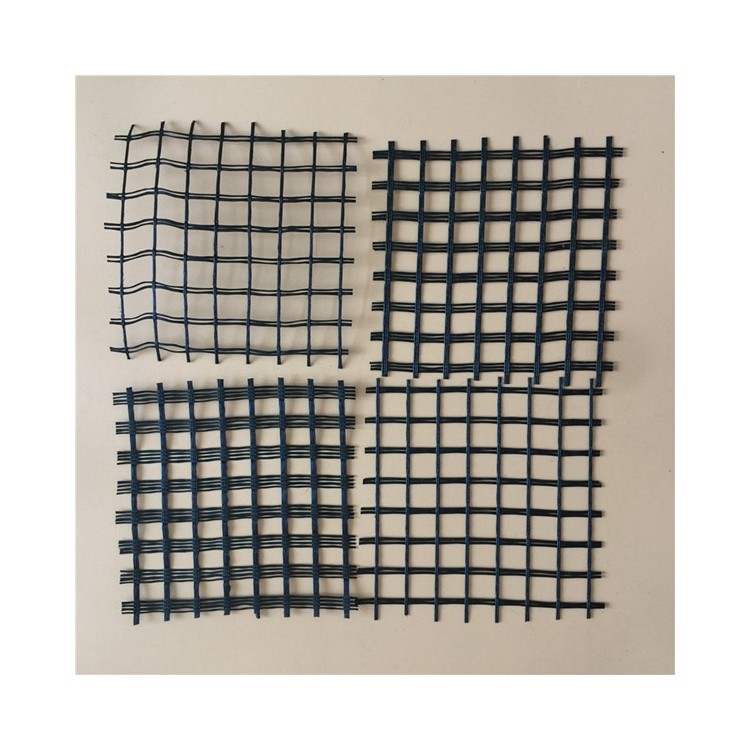 Asphalt Road Fiber Reinforced Mesh | Fiber Reinforced Geogrid for Road Reconstruction
Product Details

PVC Drainage Pipes, Perforated Drainage Channels, Honeycomb Compartment, Plas...


产品Price 3.50/square meters
最小起订Quantity:1 square meters 供货总Quantity: 10000 square meters


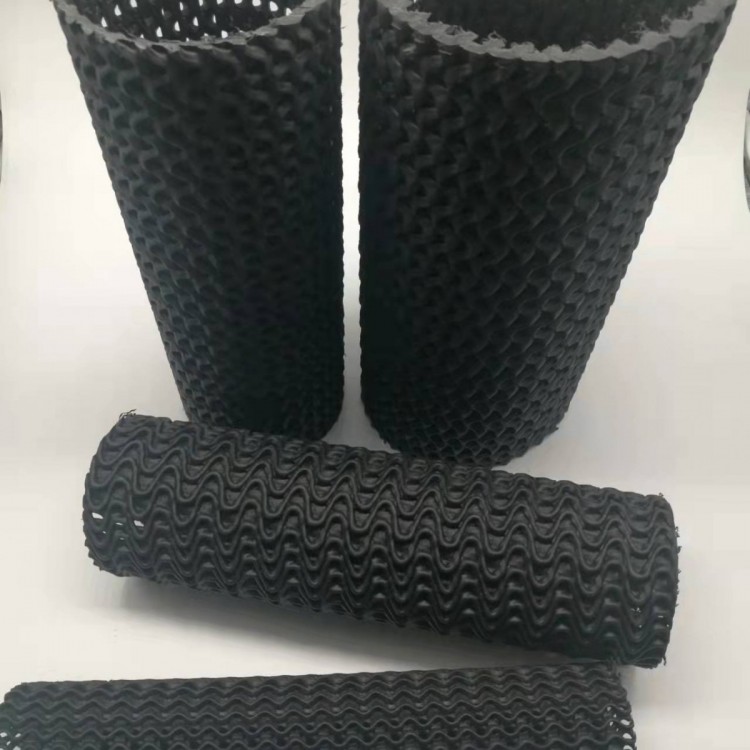 PE Plastic Drain Blind Pipe, Hidden Pipe, Rigid Perforated Blind Pipe, Woven Mesh Semi-Wall Rigid Perforated Pipe
¥4.50
PE Plastic Drain Blind Pipe, Hidden Pipe, Rigid Perforated Blind Pipe, Woven Mesh Semi-Wall Rigid Perforated Pipe
¥4.50
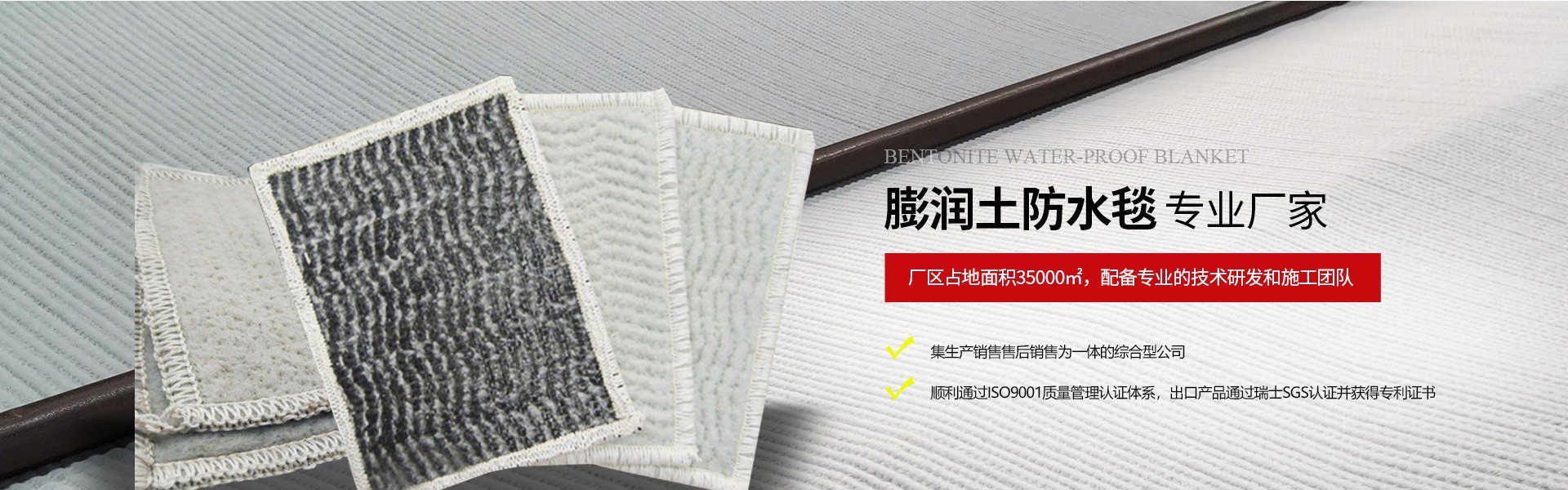
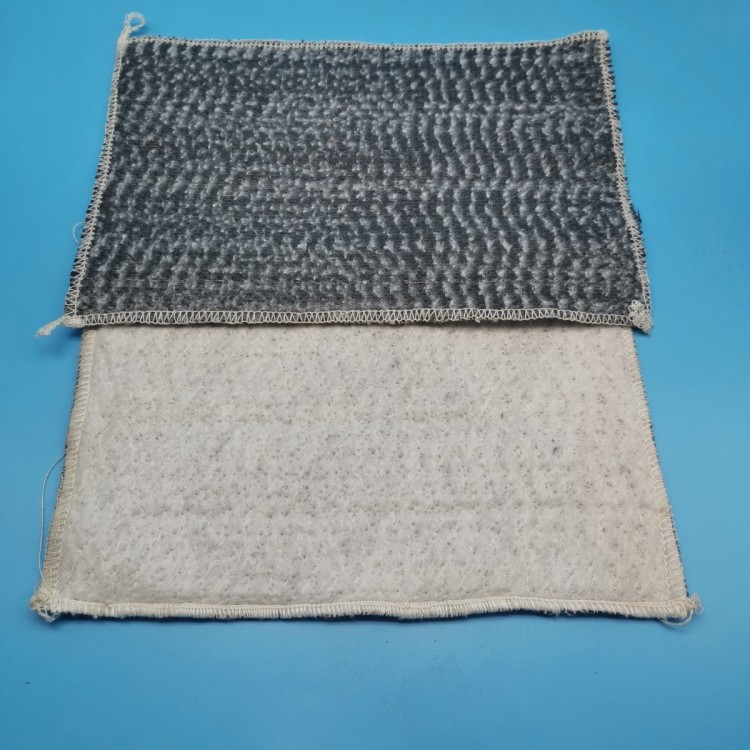 Bentonite Waterproof Mat Manufacturer for Artificial Lake Seepage Prevention
¥7.80
Bentonite Waterproof Mat Manufacturer for Artificial Lake Seepage Prevention
¥7.80
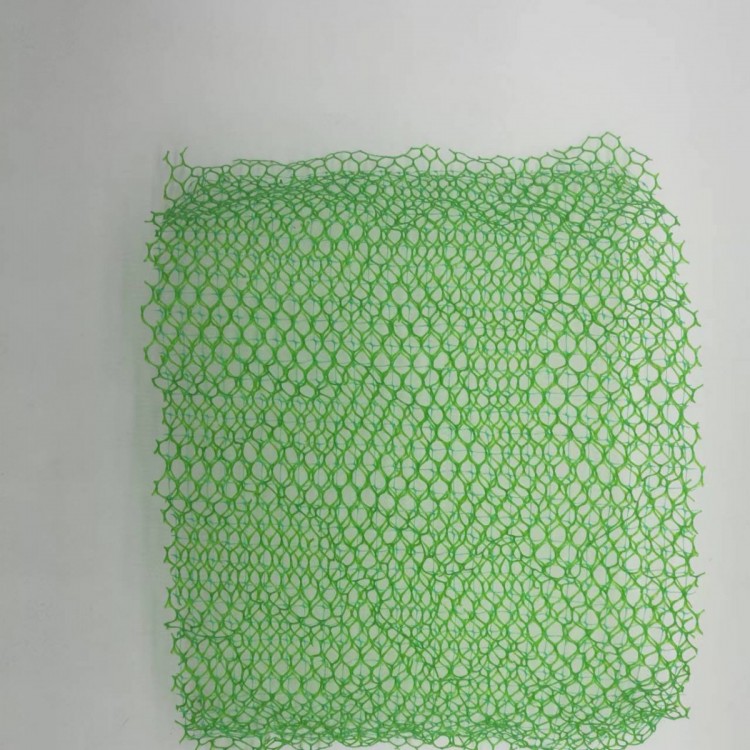 3D Vegetation Mesh Manufacturer | Greening and Slope Protection 3D Vegetation Mesh
¥3.50
3D Vegetation Mesh Manufacturer | Greening and Slope Protection 3D Vegetation Mesh
¥3.50
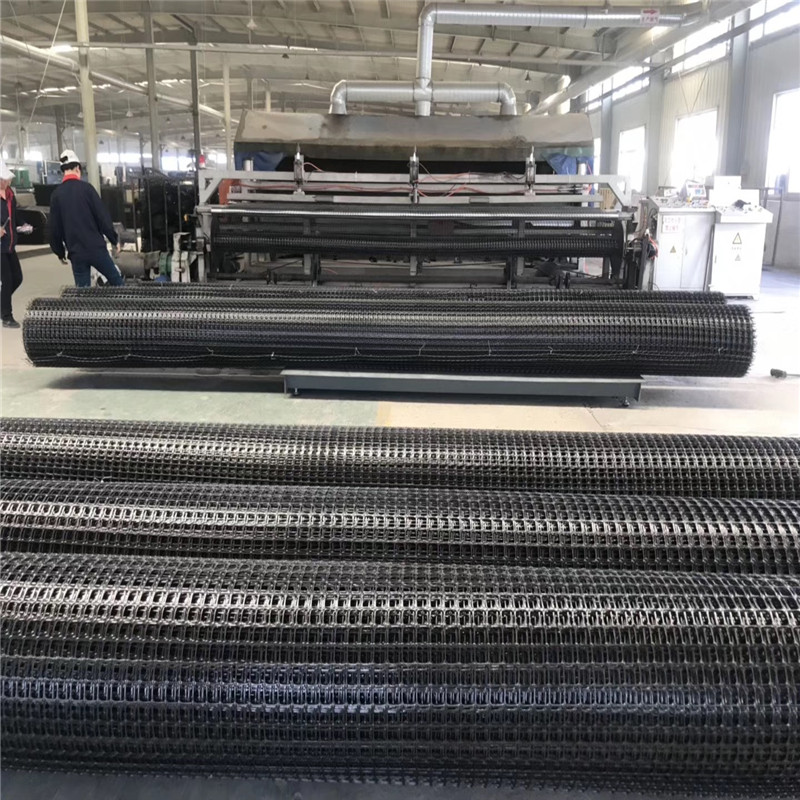
The bidirectional plastic geogrid is formed by extrusion, sheet forming, and punching processes, followed by longitudinal and transverse stretching of high molecular polymer. This material boasts significant tensile strength in both directions, offering an ideal interlocking system for force distribution and transfer within the soil, suitable for reinforcing large-area foundations. It is applicable for reinforcing embankments, roadbeds, slope protection, and wall reinforcement in large airports, parking lots, port cargo yards, and other load-bearing foundations. Construction Method Excavate the foundation bed, set a sand cushion layer (not exceeding 10cm in height), compact it into a platform, lay down the mesh, ensuring the longitudinal axis aligns with the main load-bearing direction. The longitudinal overlap should be 15-20cm, and the transverse overlap 10cm. Secure the overlaps with plastic straps, and fix the laid mesh with U-bolts every 1.5-2m to the ground. The geotextile mesh should be promptly backfilled with soil material, and the number of layers laid depends on technical requirements. Bidirectional geogrids are used to increase the bearing capacity of road (or foundation) subgrade, thereby extending the service life of the road (or foundation) subgrade. 2. Bi-directional geogrids are used to prevent road or ground collapse or cracking, maintaining the ground's beauty and order. 3. Bi-directional geogrids are used for easy construction, time and labor savings, shortened project duration, and reduced maintenance costs. 4. Bi-directional geogrids are used to prevent cracks in culverts. 5. Bi-directional geogrids are used to reinforce soil slopes and prevent soil and water erosion. 6. Bi-directional geogrids are used to reduce the thickness of the sublayer, saving construction costs.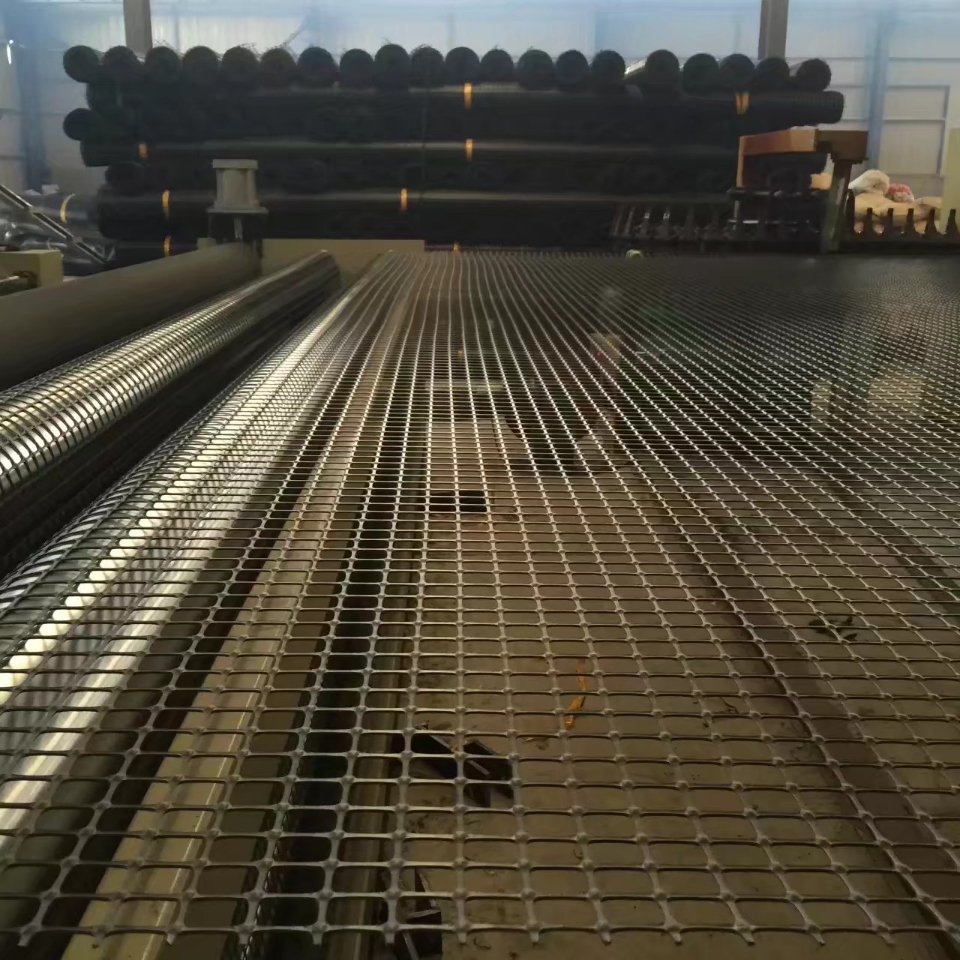

Phone Consultation