
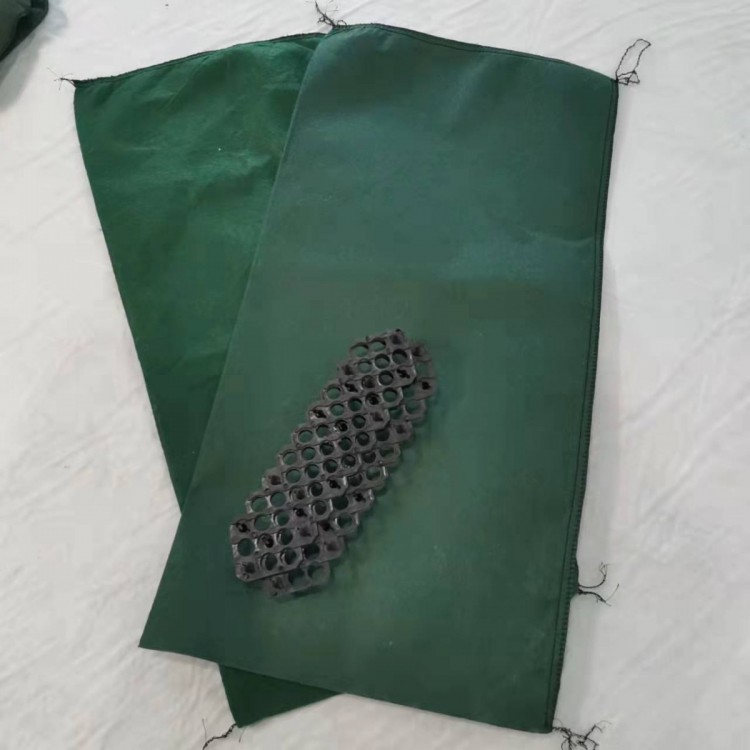
 Eco-Bags from Original Manufacturer, Mining Greening Slope Protection Eco-Bags
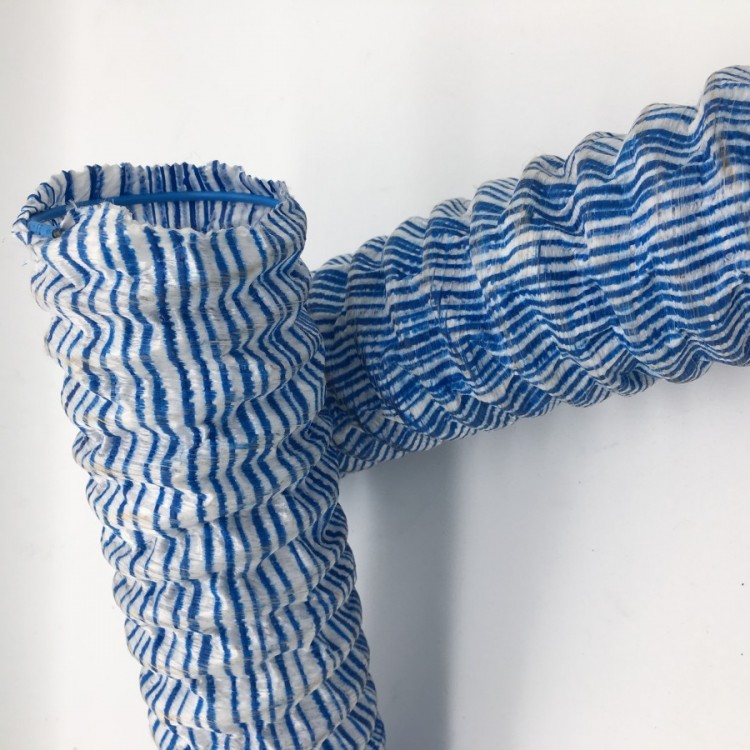 Flexible Perforated Pipe Manufacturer, Complete Specifications, Landscape Gardening, Perforated Pipe
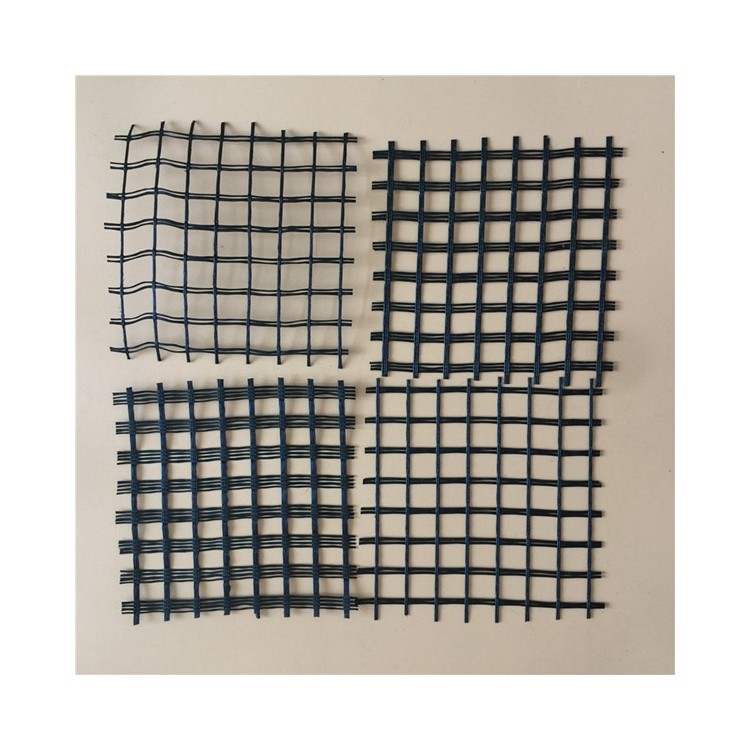 Asphalt Road Fiber Reinforced Mesh | Fiber Reinforced Geogrid for Road Reconstruction
Product Details

PVC Drainage Pipes, Perforated Drainage Channels, Honeycomb Compartment, Plas...

产品Price 10.50/square meters
最小起订Quantity:20 square meters 供货总Quantity: 100000 square meters


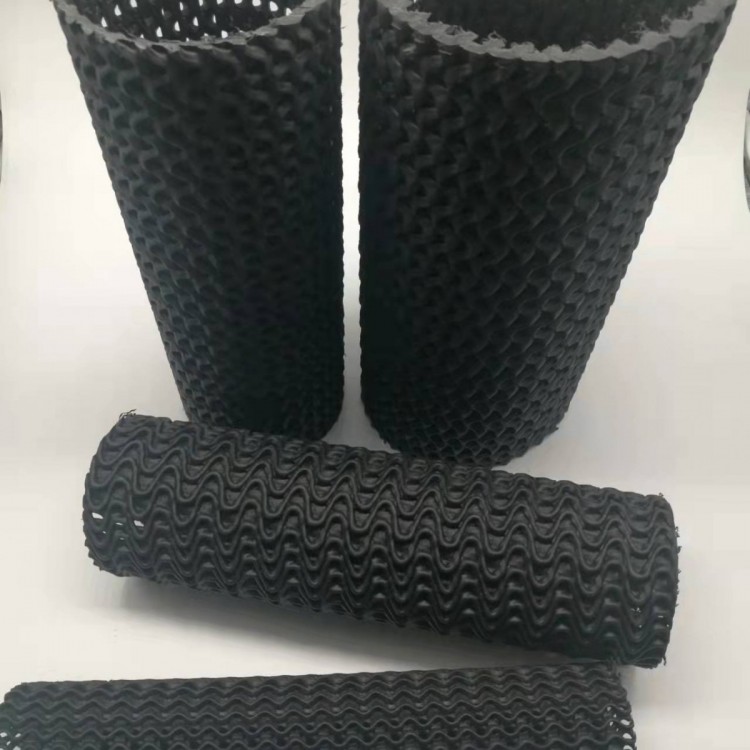 PE Plastic Drain Blind Pipe, Hidden Pipe, Rigid Perforated Blind Pipe, Woven Mesh Semi-Wall Rigid Perforated Pipe
¥4.50
PE Plastic Drain Blind Pipe, Hidden Pipe, Rigid Perforated Blind Pipe, Woven Mesh Semi-Wall Rigid Perforated Pipe
¥4.50
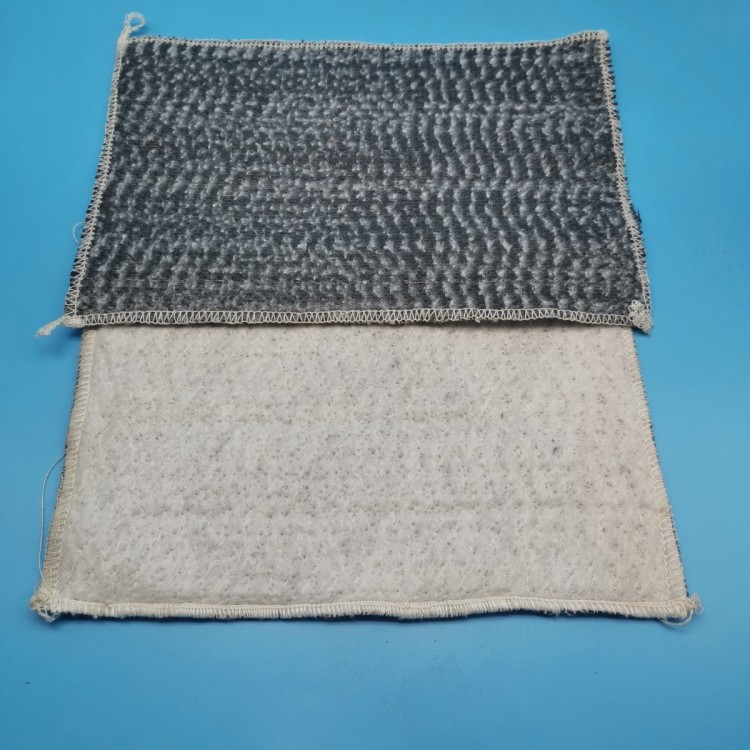 Bentonite Waterproof Mat Manufacturer for Artificial Lake Seepage Prevention
¥7.80
Bentonite Waterproof Mat Manufacturer for Artificial Lake Seepage Prevention
¥7.80
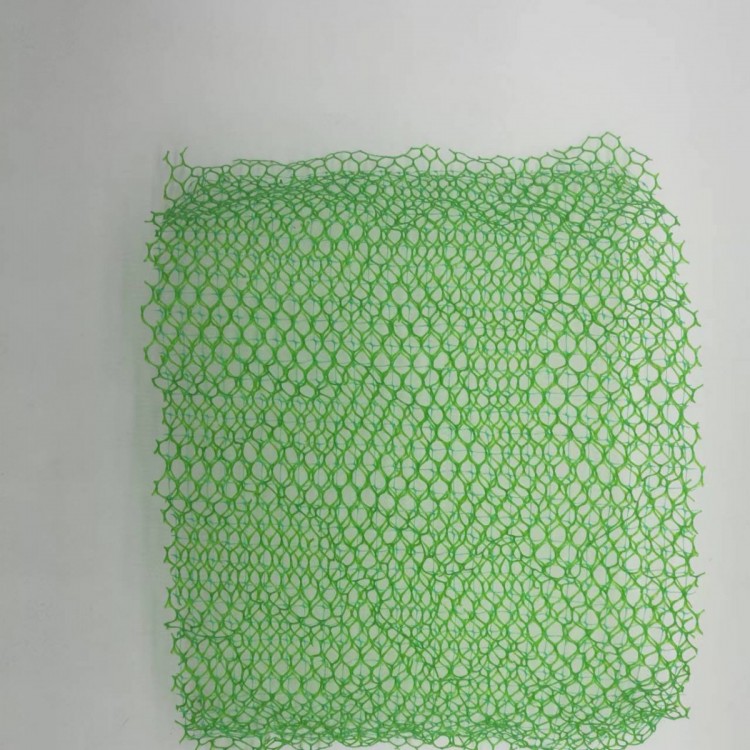 3D Vegetation Mesh Manufacturer | Greening and Slope Protection 3D Vegetation Mesh
¥3.50
3D Vegetation Mesh Manufacturer | Greening and Slope Protection 3D Vegetation Mesh
¥3.50
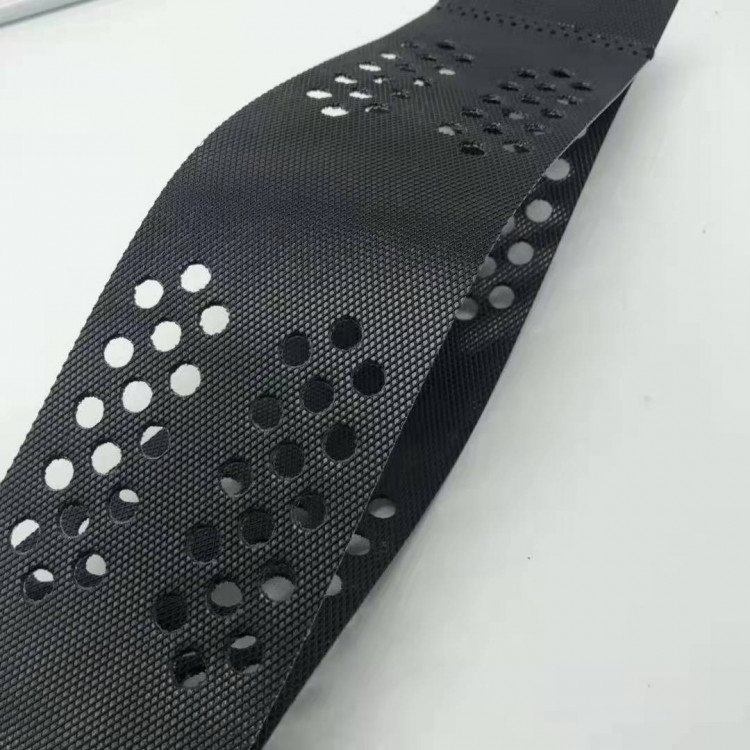
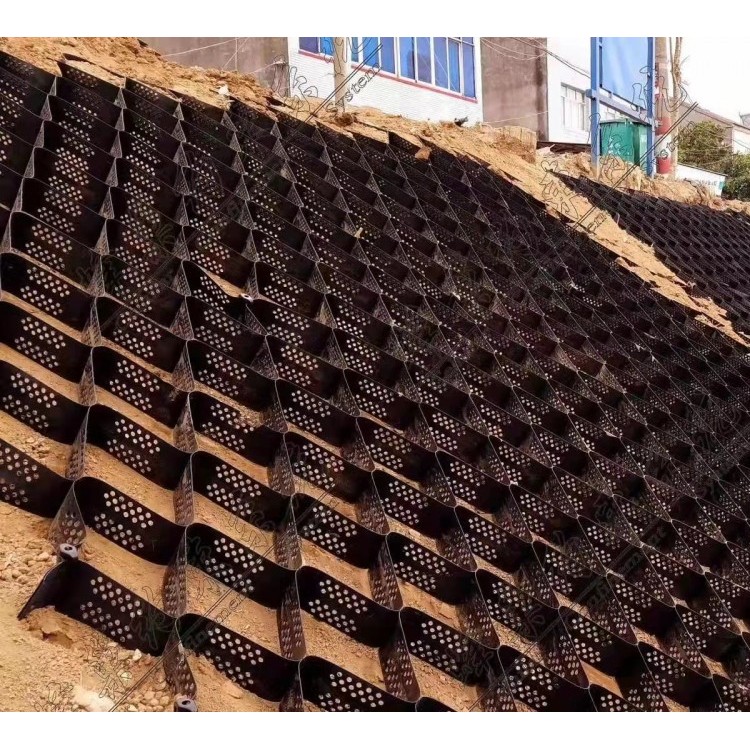
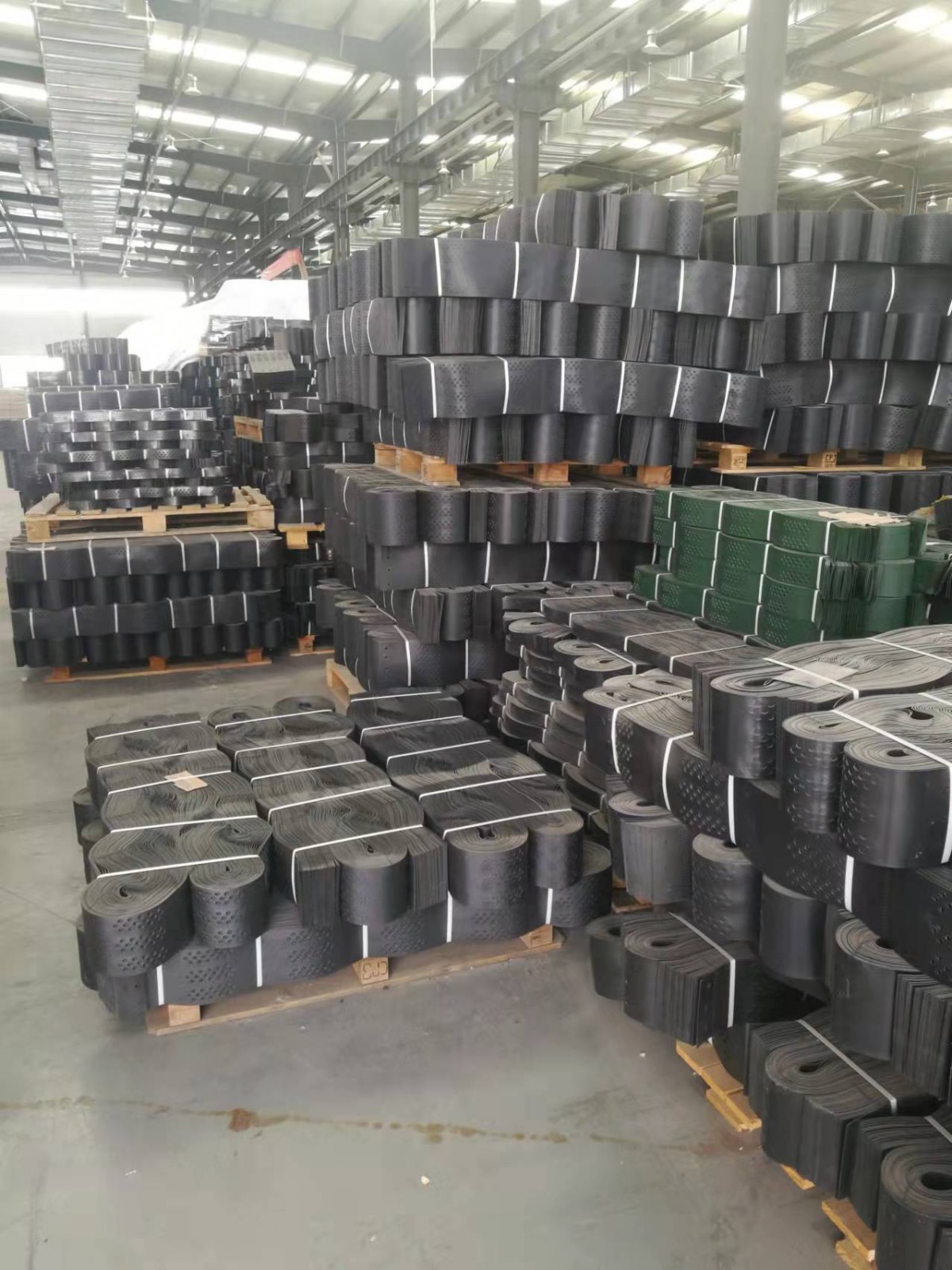
Geotextile chambers are formed by high-strength HDPE or PP copolymer wide belts, which are strongly welded or riveted to create a mesh-like cellular structure. They are flexible and can be folded for transport, then expanded for use to fill with soil, stone, or concrete, forming a structure with significant lateral restraint and high rigidity. They can be used as a base layer to increase the bearing capacity of weak foundations, laid on slopes to create slope protection structures, or used to build retaining structures, among other applications. Some models may have holes punched in the membrane for specific engineering needs. 1. Flexible and collapsible for transportation, it can be stretched into a mesh during construction. Fill it with loose materials like soil, gravel, and concrete to form a structure with strong lateral restraint and high rigidity. 2. Lightweight, wear-resistant, chemically stable, resistant to photo-aging and acid/alkali corrosion, suitable for various soil conditions, including deserts. 3. Enhanced lateral restriction and anti-slip features, preventing deformation, effectively enhancing the base course's load-bearing capacity and load distribution. 4. Adjusting the height and welding spacing of geosynthetic cells can meet various engineering requirements. Primary Use 1. Used for stabilizing highway and railway subgrades. 2. Dikes and shallow waterway management for bearing load forces. 3. Mixed-style retaining wall for preventing landslides and bearing gravitational loads. 4. When encountering soft foundation, the use of geogrids can significantly reduce the labor intensity of construction, decrease the thickness of the subgrade, accelerate construction speed, and enhance performance, thereby greatly lowering the cost of construction. Below are the characteristics, engineering applications, and construction case studies of geosynthetic cells shared by our factory, hoping they will be helpful to you. Geotextile Cellular Confinement, also known as High Molecular Geotextile Cellular Confinement or Honeycomb Constraint System Geotextile Cells are a three-dimensional mesh structure formed by reinforced HDPE sheet materials, joined through force welding. Generally, they are assembled using ultrasonic needle welding. Depending on engineering requirements, some are perforated on the membrane. Features 1. Features flexible expansion, can be collapsed for transportation, and can be stretched into a mesh during construction. It fills with loose materials such as soil, gravel, and concrete, forming a structure with strong lateral restraint and high rigidity. 2. Lightweight, wear-resistant, chemically stable, resistant to photo-oxidation aging, and acid/alkali-resistant, suitable for various soil conditions, including deserts. 3. Enhanced lateral restraint and anti-deformation features, effectively enhancing the roadbed's load-bearing capacity and load distribution. 4. Adjusting the height and weld spacing of geogrids can meet various engineering requirements. 5. Flexible and compact for easy transportation; convenient connections and fast installation.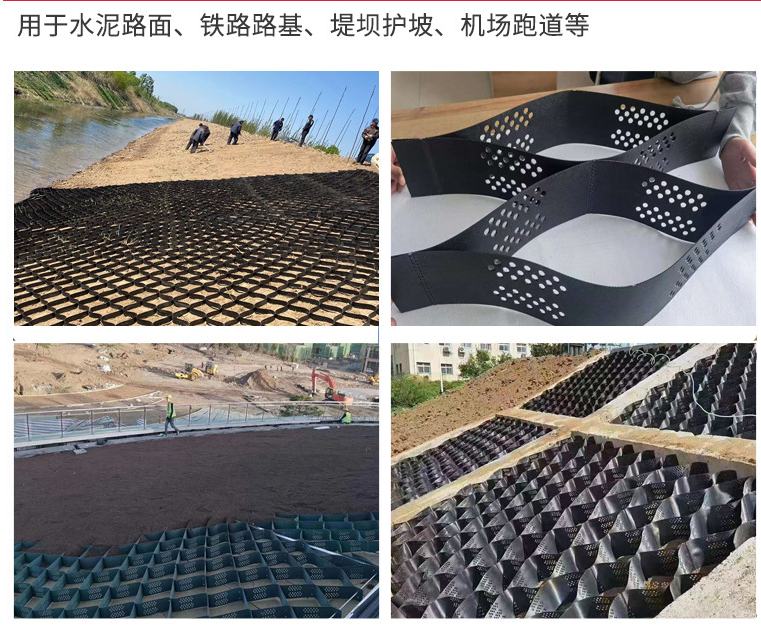

Phone Consultation