
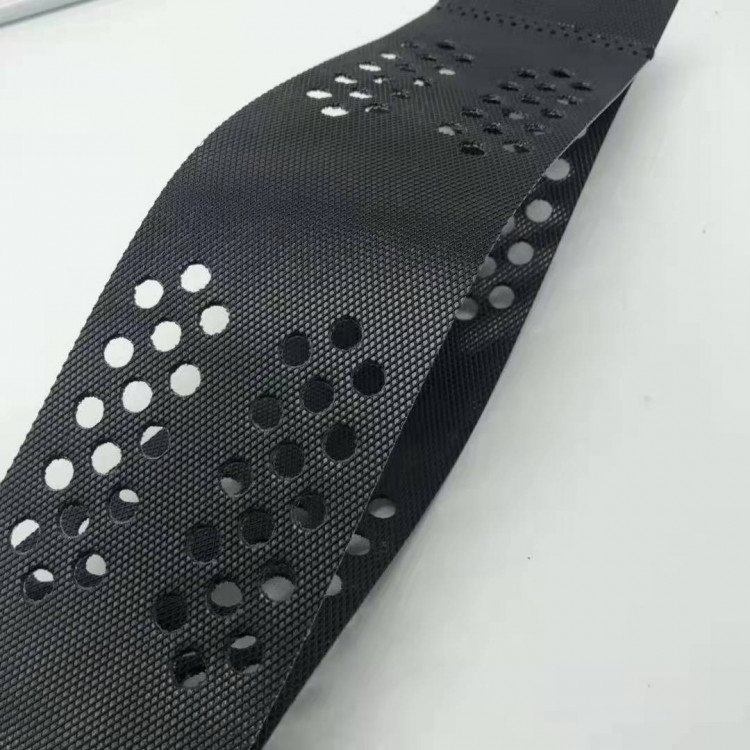
 Geotextile Cellular Confinement Price per Square Foot | Mining Greening Slope Protection Geotextile Cellular Confinement
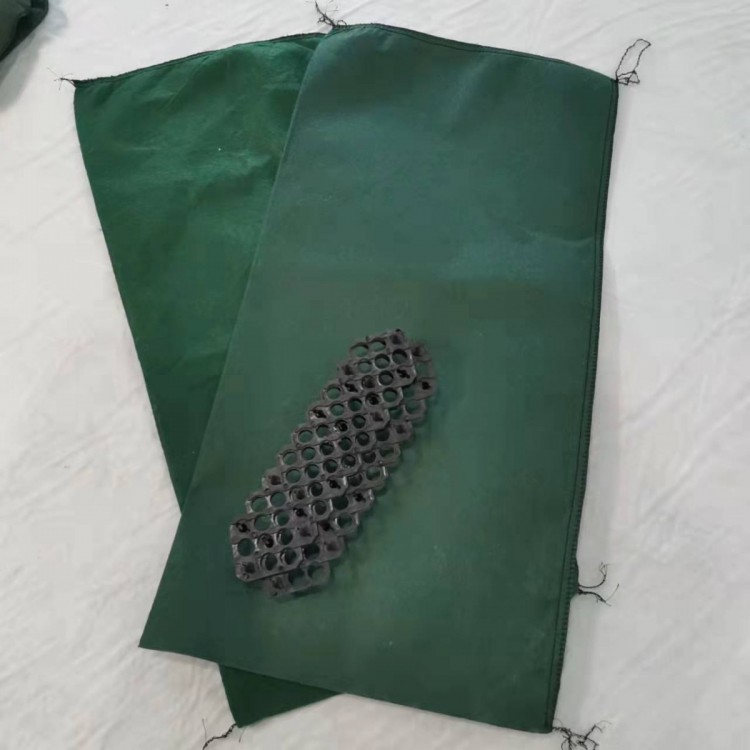 Eco-Bags from Original Manufacturer, Mining Greening Slope Protection Eco-Bags
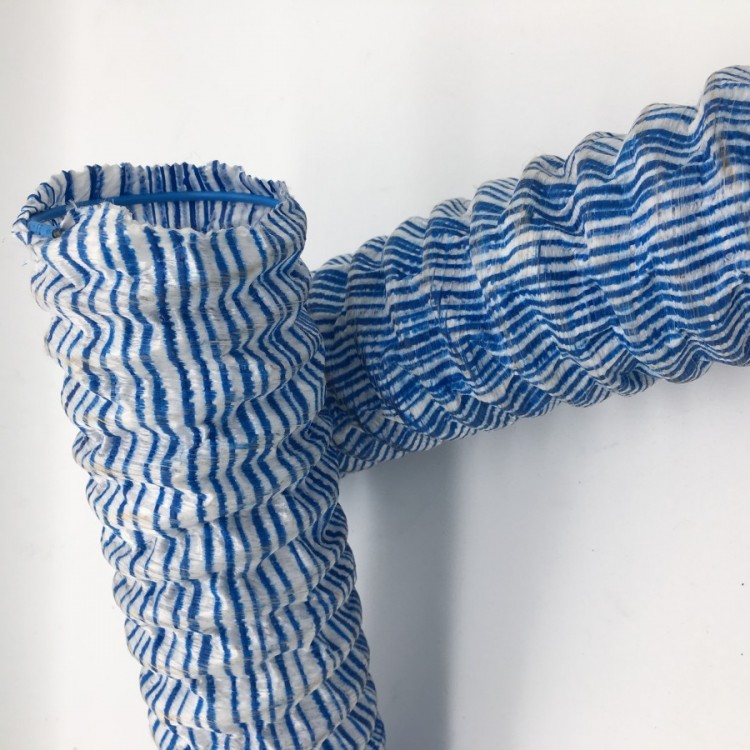 Flexible Perforated Pipe Manufacturer, Complete Specifications, Landscape Gardening, Perforated Pipe
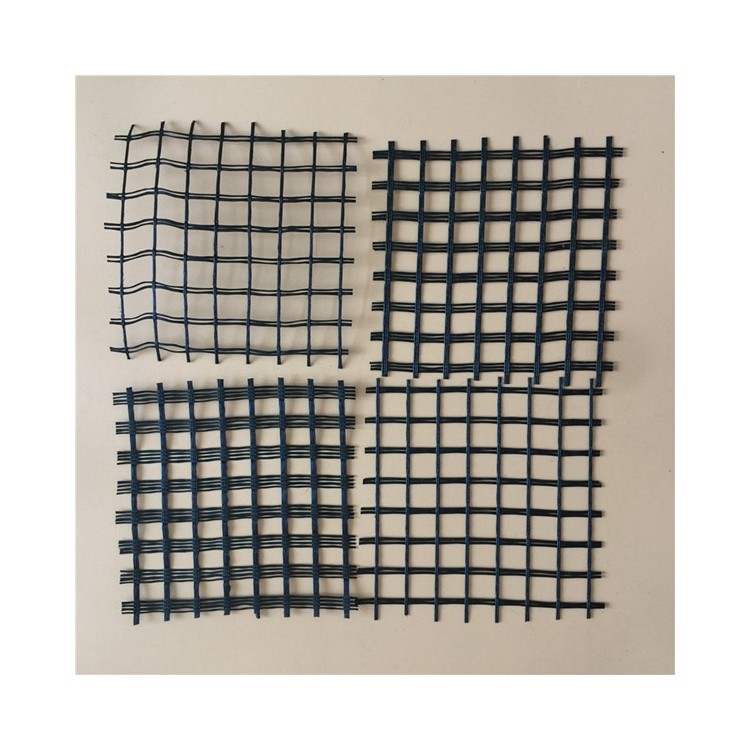 Asphalt Road Fiber Reinforced Mesh | Fiber Reinforced Geogrid for Road Reconstruction
Product Details

PVC Drainage Pipes, Perforated Drainage Channels, Honeycomb Compartment, Plas...

产品Price 4.50/square meters
最小起订Quantity:200 square meters 供货总Quantity: 100000 square meters


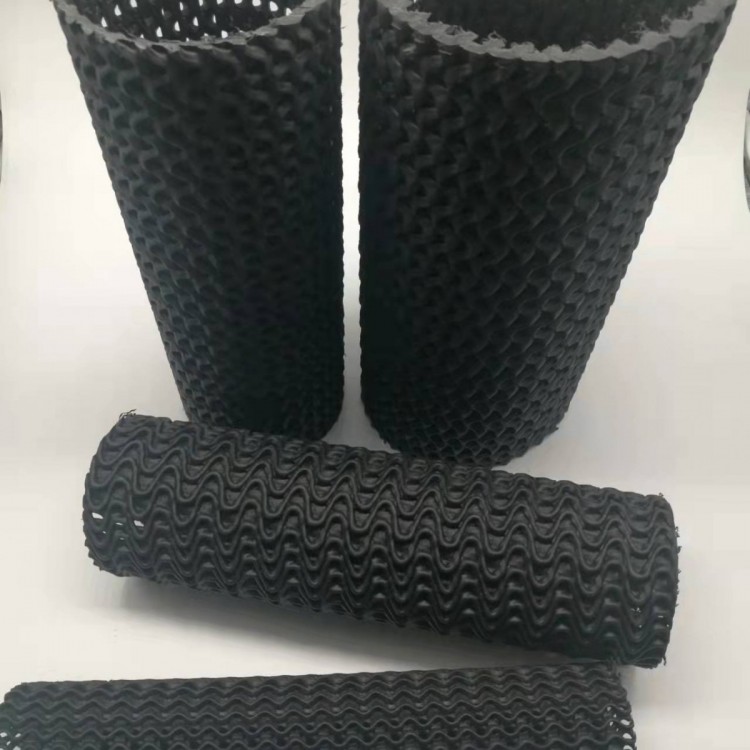 PE Plastic Drain Blind Pipe, Hidden Pipe, Rigid Perforated Blind Pipe, Woven Mesh Semi-Wall Rigid Perforated Pipe
¥4.50
PE Plastic Drain Blind Pipe, Hidden Pipe, Rigid Perforated Blind Pipe, Woven Mesh Semi-Wall Rigid Perforated Pipe
¥4.50
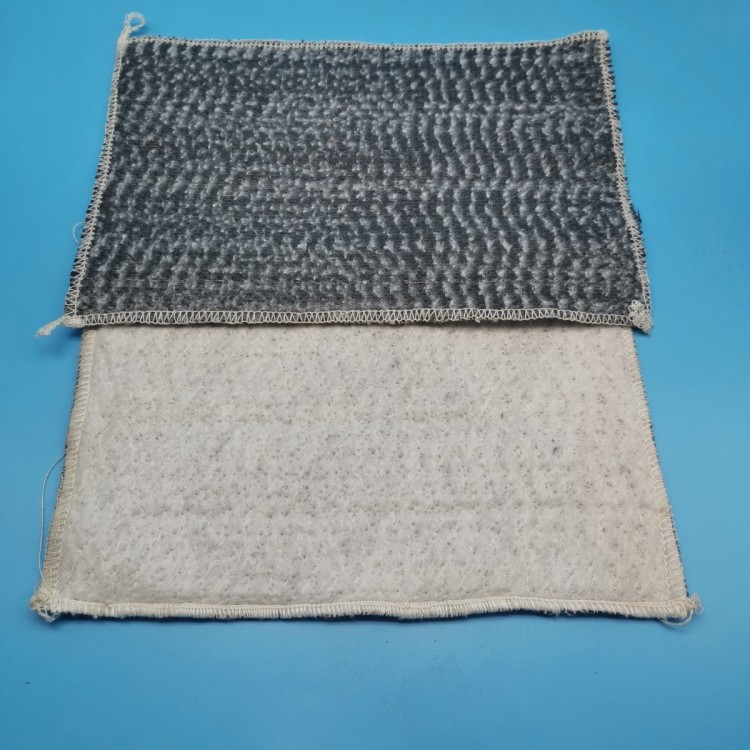 Bentonite Waterproof Mat Manufacturer for Artificial Lake Seepage Prevention
¥7.80
Bentonite Waterproof Mat Manufacturer for Artificial Lake Seepage Prevention
¥7.80
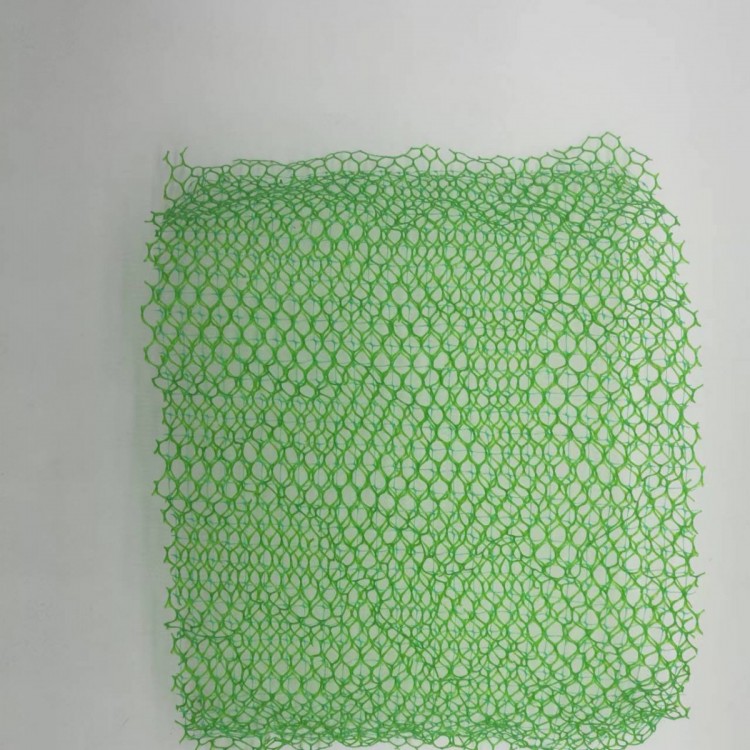 3D Vegetation Mesh Manufacturer | Greening and Slope Protection 3D Vegetation Mesh
¥3.50
3D Vegetation Mesh Manufacturer | Greening and Slope Protection 3D Vegetation Mesh
¥3.50
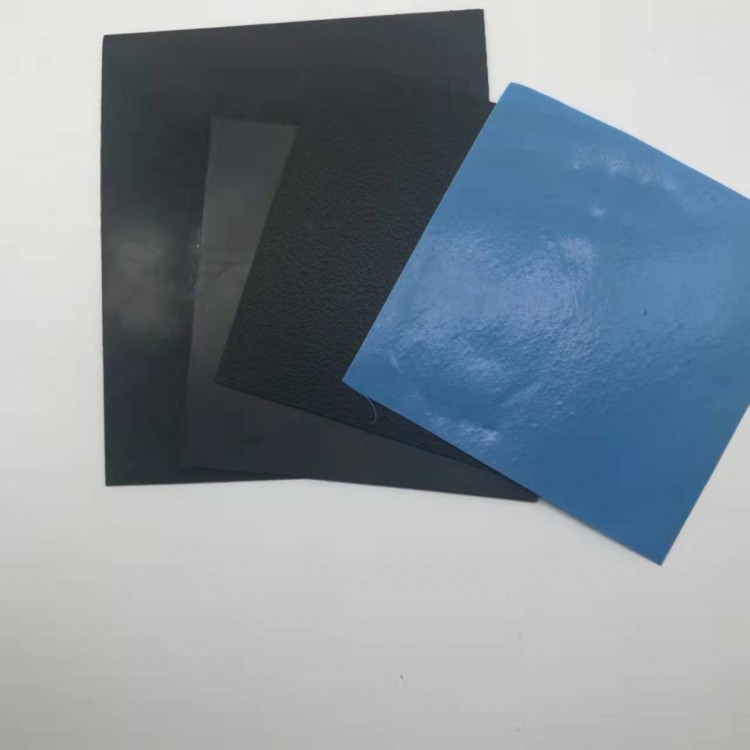
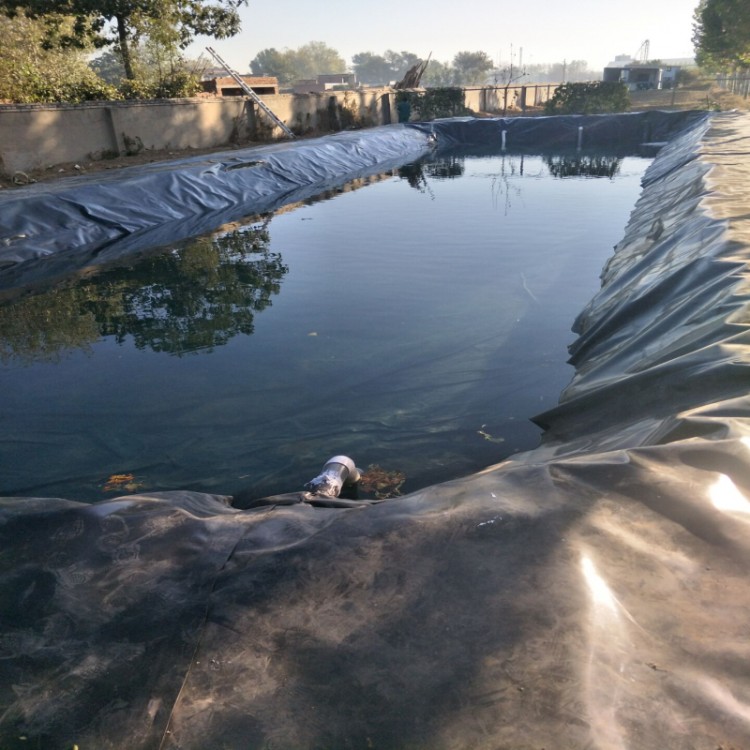
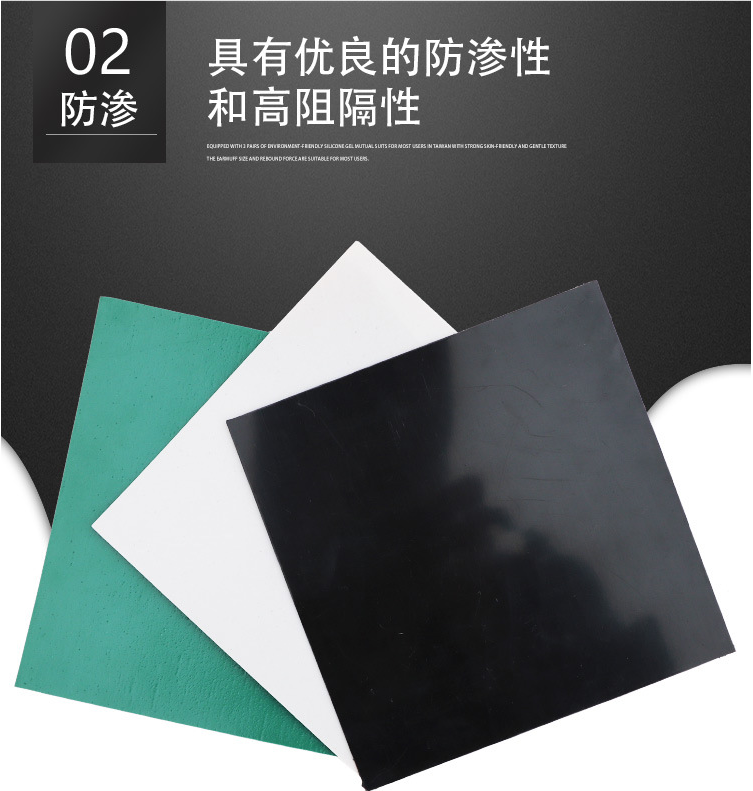
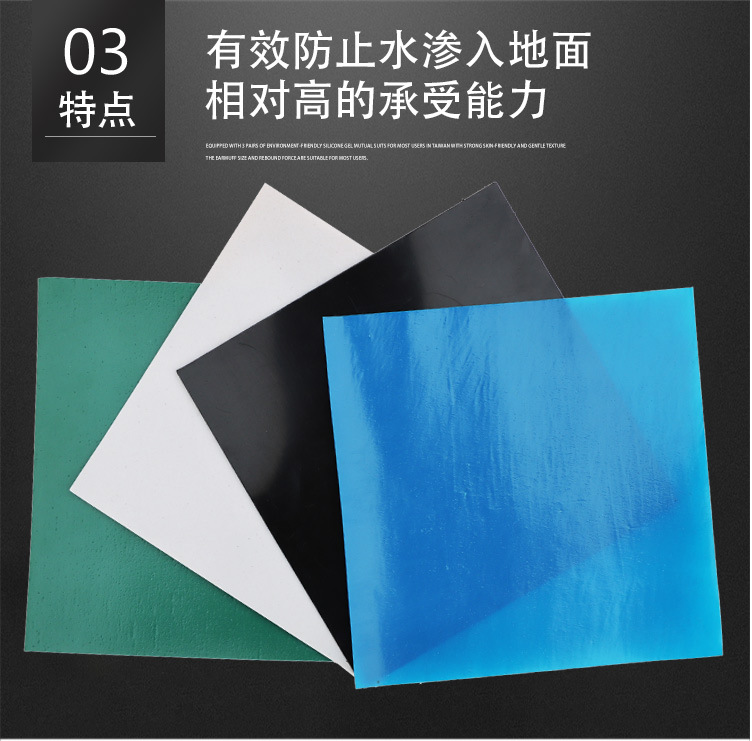
Geotextile membrane is a waterproof and barrier material made primarily from high molecular polymer. Primarily divided into: Low-Density Polyethylene (LDPE) Geomembrane, High-Density Polyethylene (HDPE) Geomembrane, and EVA Geomembrane. A full range of width and thickness specifications available. 2. Excellent resistance to environmental stress cracking and outstanding chemical corrosion resistance. 3. Excellent chemical resistance. 4. Wide operating temperature range and long service life. 5. Used in landfill sites, tailings storage facilities, channel lining, embankment lining, and subway engineering, etc. [1] Mechanism Geotextile membrane construction site The primary mechanism involves using a plastic film's waterproof property to block seepage paths in earth dams, while its high tensile strength and elongation withstand water pressure and accommodate dam deformations. Nonwoven fabric, too, is a high molecular short fiber chemical material, formed through needle punching or heat bonding, offering high tensile strength and elongation. When combined with the plastic film, it not only enhances the film's tensile strength and piercing resistance but also, due to the rough surface of the nonwoven, increases the friction coefficient of the contact surface, benefiting the stability of the composite geomembrane and protective layer. Additionally, they exhibit good resistance to bacterial and chemical侵蚀, fear no erosion from acids, bases, or salts, and have a long service life when used in light-shielding conditions. Years Given that certain field observation results of composite geomembranes indicate a certain degree of resistance to aging in engineering applications, some countries have made relatively lenient provisions for their service life in certain documents, such as in BCH07-74 "Guidelines for the Use of Polyethylene Seepage Structures in Earthfill Dams," which stipulates that polyethylene geomembranes can be used in structures with a service life of no more than 50 years. The conclusion of the article "Long-term Properties of Polypropylene Composite Geomembrane Geosynthetic Materials" published by the Linz, Austria company states: "More than 15 years of field application experience with polypropylene shows high chemical and biological stability; damage to the fabric occurs during construction; there are no significant changes after laying;... stability exceeding 100 years can be anticipated [2]."


Phone Consultation