
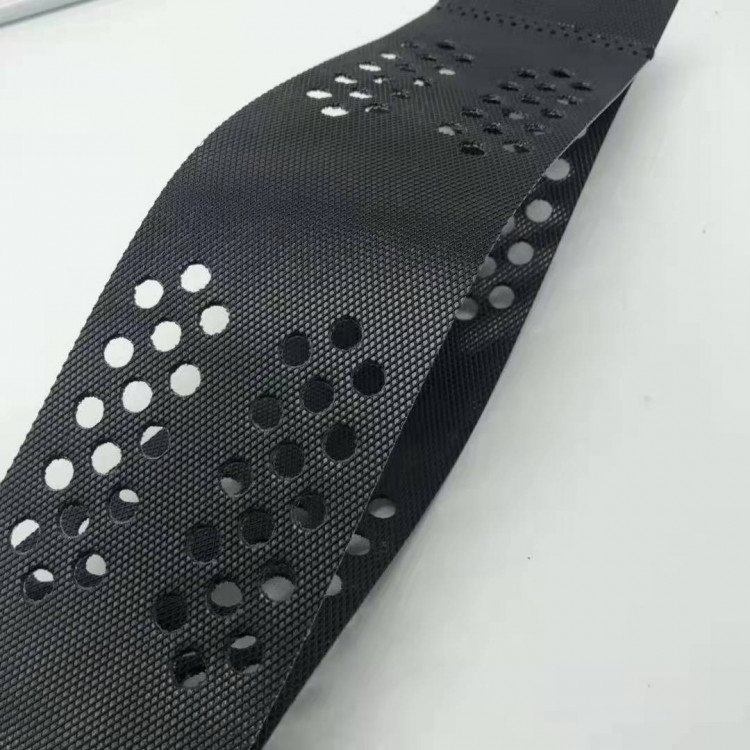
 Geotextile Cellular Confinement Price per Square Foot | Mining Greening Slope Protection Geotextile Cellular Confinement
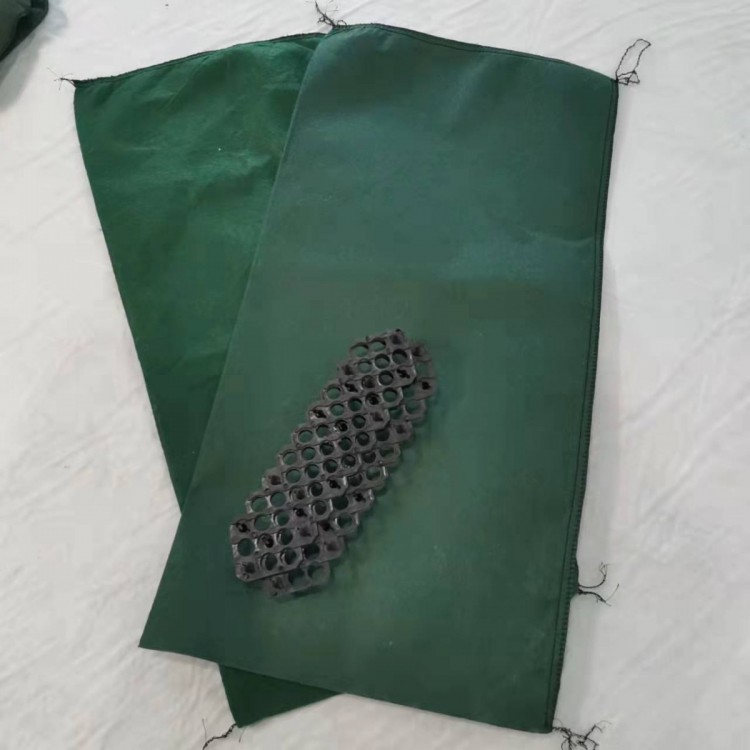 Eco-Bags from Original Manufacturer, Mining Greening Slope Protection Eco-Bags
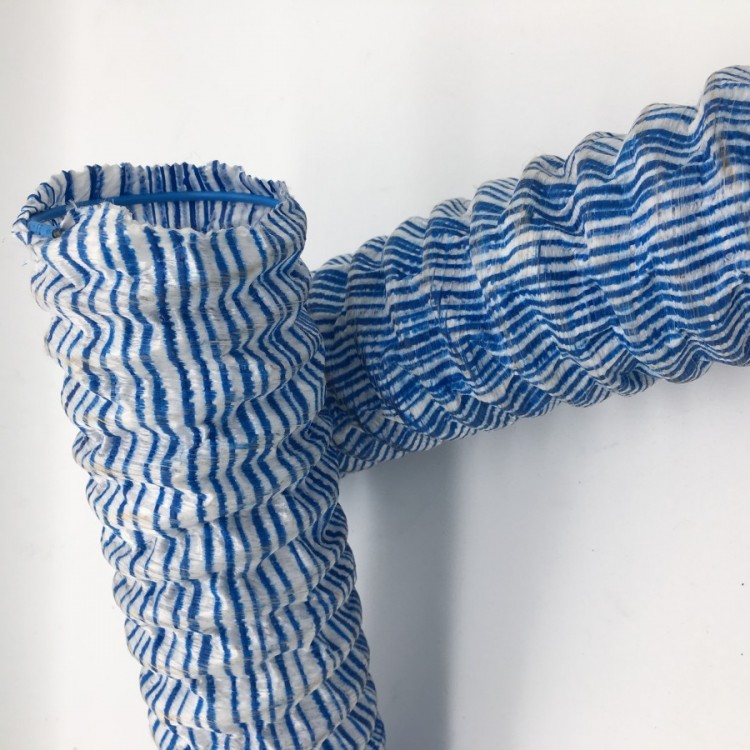 Flexible Perforated Pipe Manufacturer, Complete Specifications, Landscape Gardening, Perforated Pipe
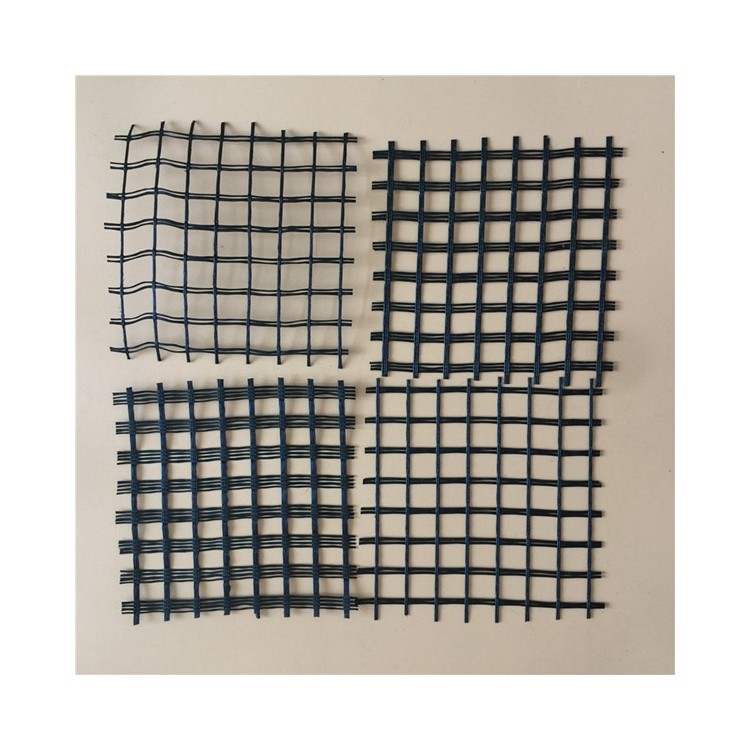 Asphalt Road Fiber Reinforced Mesh | Fiber Reinforced Geogrid for Road Reconstruction
Product Details

PVC Drainage Pipes, Perforated Drainage Channels, Honeycomb Compartment, Plas...
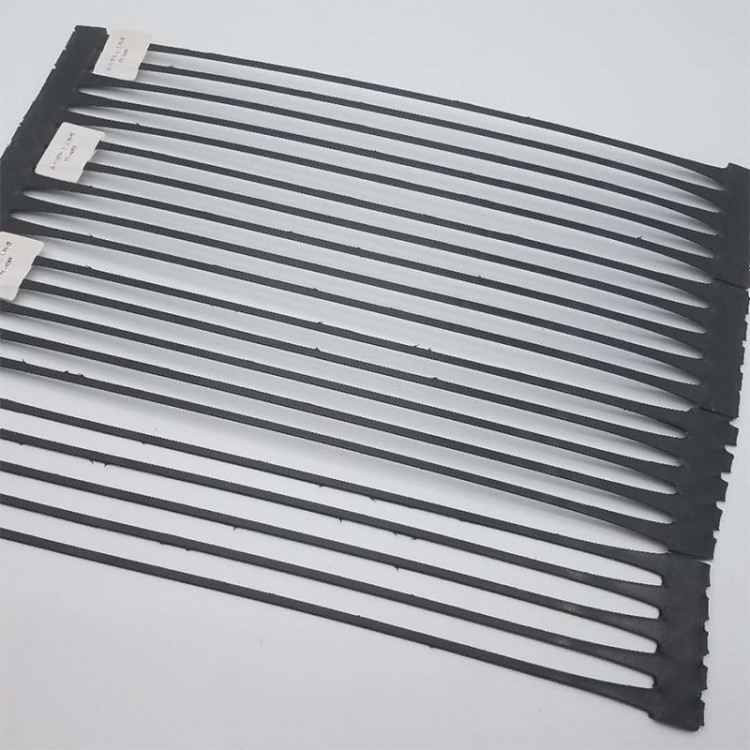
产品Price 3.50/square meters
最小起订Quantity:200 square meters 供货总Quantity: 100000 square meters


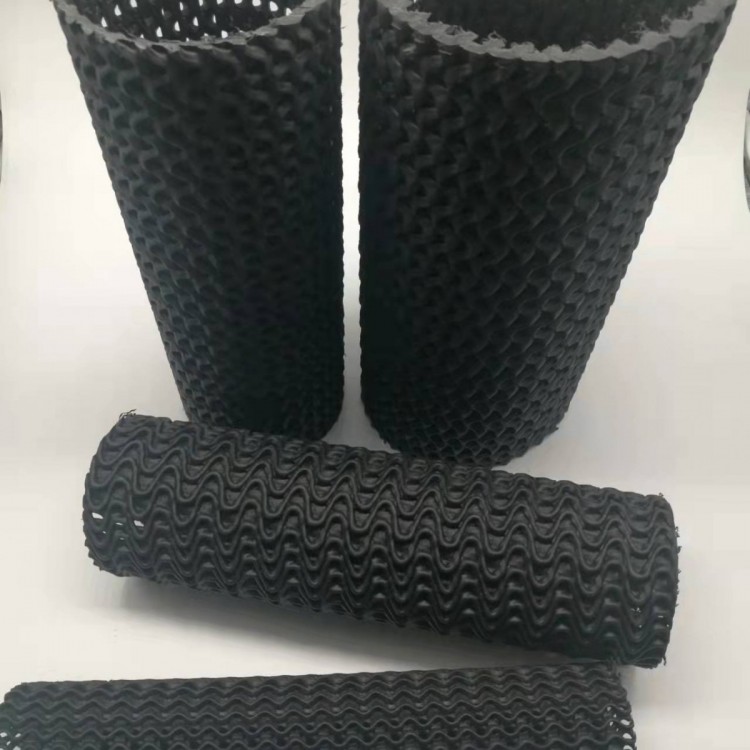 PE Plastic Drain Blind Pipe, Hidden Pipe, Rigid Perforated Blind Pipe, Woven Mesh Semi-Wall Rigid Perforated Pipe
¥4.50
PE Plastic Drain Blind Pipe, Hidden Pipe, Rigid Perforated Blind Pipe, Woven Mesh Semi-Wall Rigid Perforated Pipe
¥4.50
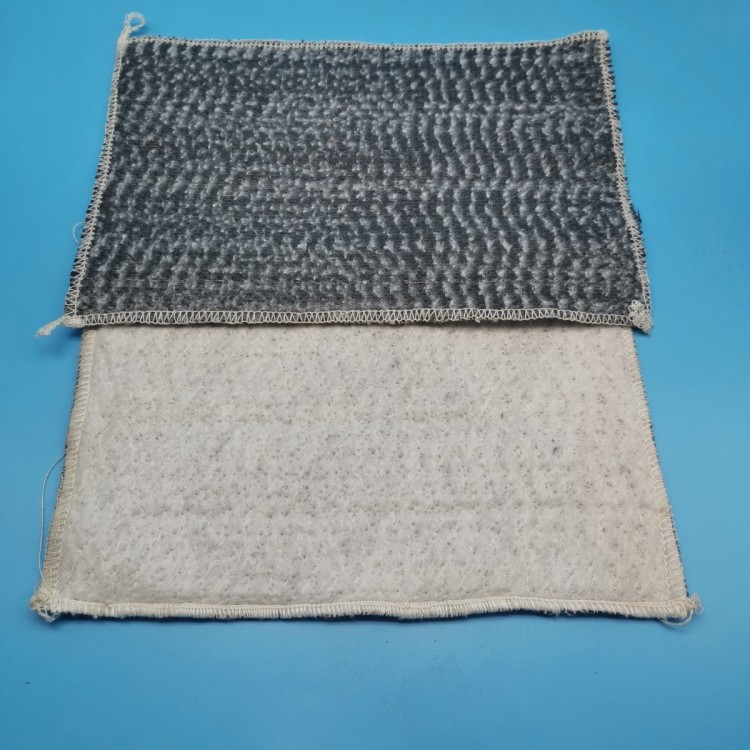 Bentonite Waterproof Mat Manufacturer for Artificial Lake Seepage Prevention
¥7.80
Bentonite Waterproof Mat Manufacturer for Artificial Lake Seepage Prevention
¥7.80
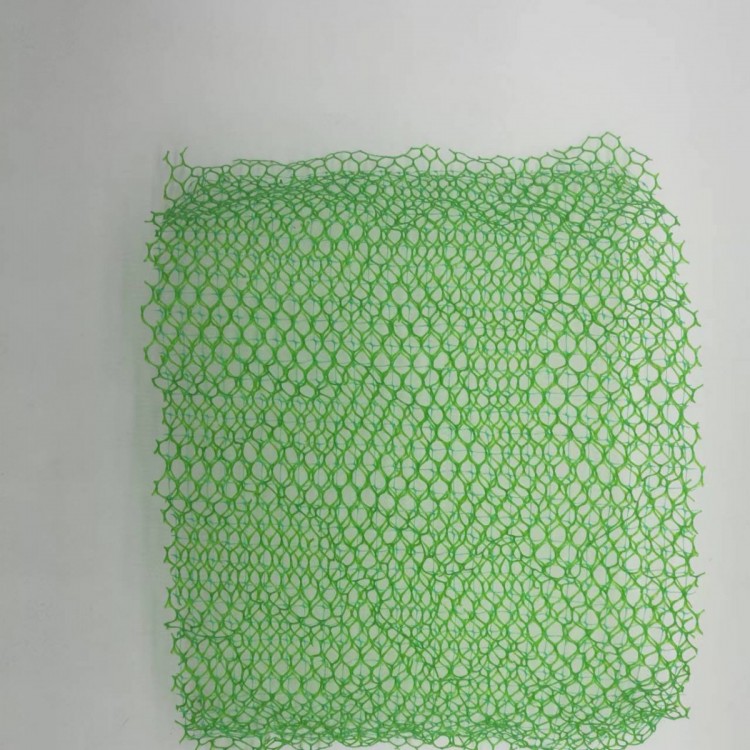 3D Vegetation Mesh Manufacturer | Greening and Slope Protection 3D Vegetation Mesh
¥3.50
3D Vegetation Mesh Manufacturer | Greening and Slope Protection 3D Vegetation Mesh
¥3.50
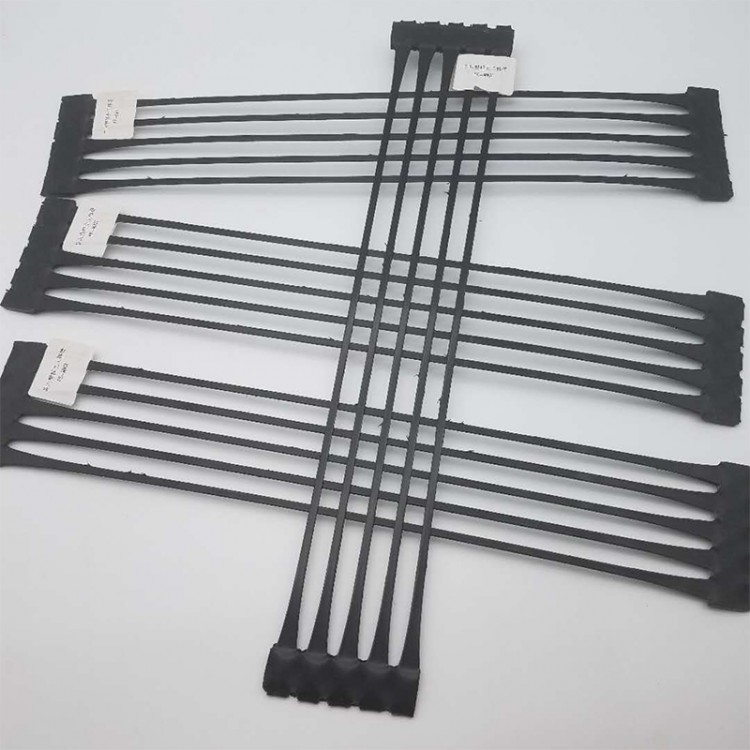
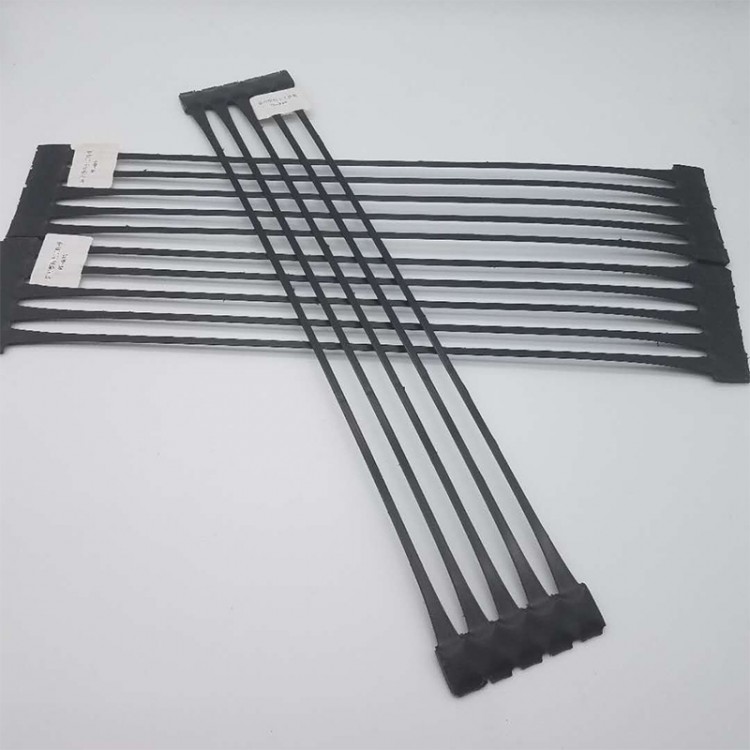
A unidirectional tensile geogrid is a high-strength geosynthetic material made primarily from high molecular polymer, with added UV-resistant and anti-aging additives. Through unidirectional stretching, the originally randomly distributed chain molecules are reoriented into a linear arrangement. After extrusion into a thin plate and punched into a regular honeycomb pattern, it is then stretched longitudinally. This process results in a uniformly distributed, long elliptical mesh structure with high node strength, where the high molecular polymer is oriented into a linear state. 1. Single-direction geogrid for reinforcing soft foundation: The geogrid can quickly enhance the bearing capacity of the foundation, control the development of settlement, and effectively distribute loads to a wider subgrade through its lateral restraint on the road base, thereby reducing the thickness of the base layer, lowering construction costs, shortening the construction period, and extending the service life. 2. Single-Direction Geogrid for Reinforcing Asphalt or Concrete Pavements: The geogrid is laid at the bottom of asphalt or concrete layers, reducing rut depth, extending the pavement's fatigue life, and also reducing the thickness of asphalt or concrete surfaces for cost savings. 3. Single-direction geogrids are used for reinforcing embankment slopes and retaining walls: Traditional embankment construction, especially for high embankments, often requires overfilling and the shoulder edges are difficult to compact, leading to phenomena such as later slope erosion and instability due to rainwater, with collapses occurring frequently. Additionally, using a gentler slope requires more land area, and retaining walls face the same issue. Reinforcing embankment slopes or retaining walls with geogrids can reduce land area by half, extend service life, and lower costs by 20-50%. 4. Single-direction geogrid for reinforcing river, lake, and sea embankments: Can be used to create gabions, combined with the grid to prevent embankment collapse due to sea erosion. Gabions are permeable, which can mitigate the impact of waves and prolong the lifespan of the embankment, saving labor and materials, and shortening the construction period. 5. Unidirectional Geogrid for Waste Landfill Treatment: The use of geogrid in conjunction with other soil composite materials for waste landfill treatment effectively addresses issues such as uneven ground settlement and the emission of derived gases. It also significantly enhances the storage capacity of waste landfills. 6. Special Application of Single-Way Geogrid: Low-Temperature Resistance. After 200 cycles of repeated cold and hot temperatures ranging from -45℃ to 50℃, all performance indicators meet the requirements, and it has passed the test of the Qinghai-Tibet Railway. Suitable for northern regions with low, rich, and high ice content frozen soil, as well as poor geological conditions.

Phone Consultation