General Projects: Technical Services, Development, Consul...

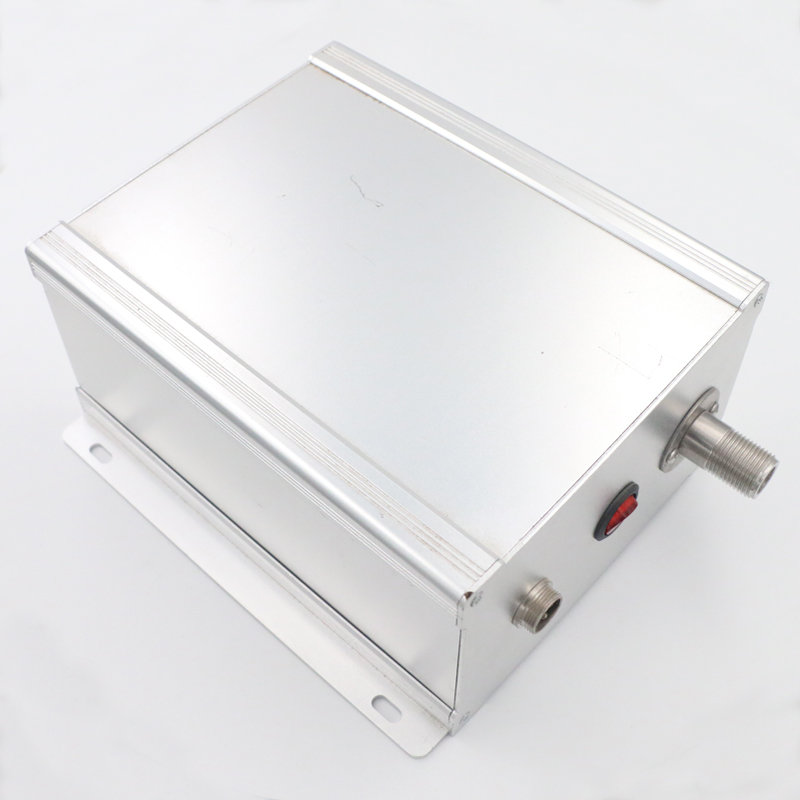
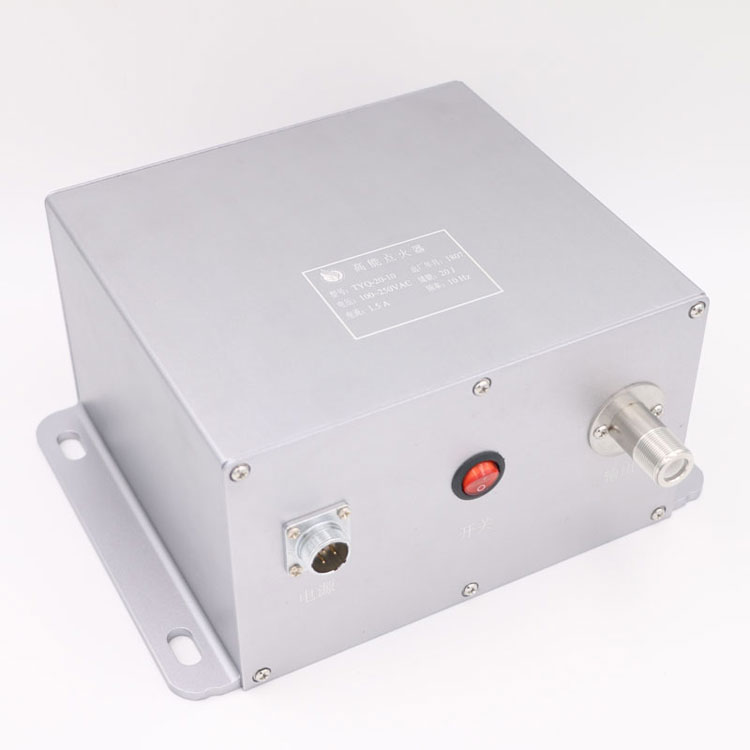
In industrial combustion systems, the high-energy igniter serves as a core component, directly impacting the equipment's start-up efficiency, combustion stability, and operational safety. Amidst the plethora of products on the market, how can one scientifically select based on technical specifications, application scenarios, and brand reliability?
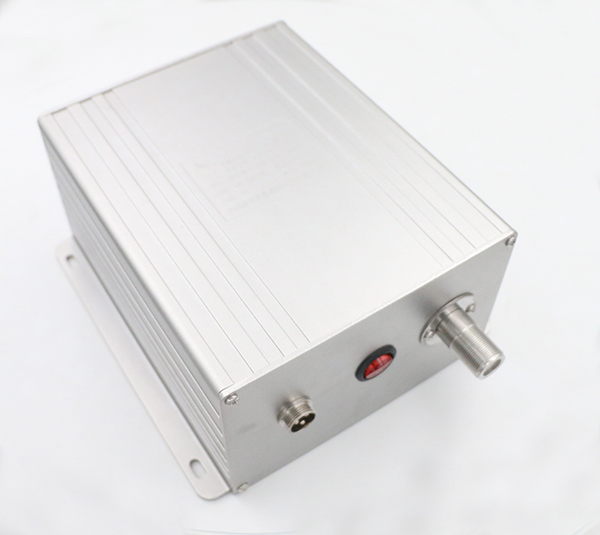
One, clarify core application scenarios and fuel types.
The diversity of industrial combustion systems dictates the need for igniters to be compatible with various operating conditions. For instance, in the scenario of gas turbine startups, one must deal with environments such as high-temperature carbon buildup and high-speed airflow erosion. It is essential to choose products with high-frequency ignition (≥6 times per second) and anti-carbon buildup design, such as the high-energy igniter used in a certain type of naval gas turbine. This igniter, equipped with yttrium tungsten alloy electrodes and aerogel insulation layers, maintains over 85% of its initial energy output in an environment of 1300°C, successfully addressing the issue of ignition reliability in high-temperature conditions.
For heavy oil combustion scenarios, the energy density and anti-pollution capability of the igniters should be the focus. A certain type of coal powder boiler utilizes plasma ignition technology, creating a high-temperature plasma flame by ionizing air with 30kV high voltage, reducing the heavy oil atomization particle size from 80μm to below 30μm. Coupled with the arc continuation module for electrode active cooling, after 1,000 continuous hours of heavy oil ignition, the electrode wear is reduced by 75% compared to traditional electrodes, significantly lowering maintenance costs.
Focus on Key Technical Parameter Matching
Energy Output and Fuel Compatibility
Select ignition energy based on fuel calorific value: Low calorific value fuels require only 3-12J of energy for reliable ignition, whereas high viscosity fuels like heavy oil and coal powder need ≥50J of energy. For instance, the DURAG D-HG500 high-energy ignition device offers a single ignition energy of 500 joules, compatible with various fuels such as oil and coal powder. Its adjustable energy output feature also caters to different burner sizes.
Thermal Resistance and Material Reliability
The combustion chamber temperature directly affects the igniter's lifespan. A certain type of aviation engine igniter uses a 2520 high-temperature alloy electrode, which can withstand temperatures up to 1300°C instantly and maintain a stable working temperature of 1000°C over the long term. Coupled with ceramic matrix composite encapsulation, it can maintain structural integrity in an environment of up to 1800°C, offering a lifespan three times longer than traditional nickel-based alloy electrodes.
Ignition Frequency and Response Speed
The automated control system requires a pilot to have a millisecond response capability. Taking the XLGND-12 high-energy pilot as an example, it boasts an ignition frequency of 6-10 times per second, paired with capacitor energy storage technology to achieve an ignition response time of ≤1 second, meeting the fast-start requirements of gas turbines.
Consider the total lifecycle cost
Initial Investment & Energy Efficiency Ratio
The high-energy igniter, while initially 20%-30% more expensive than traditional products, boasts a 15%-20% increase in energy conversion efficiency, making the price difference offset over time. For instance, a petrochemical company saved over 2 million yuan in annual fuel costs by switching to the high-energy igniter.
Maintaining convenience and spare parts availability
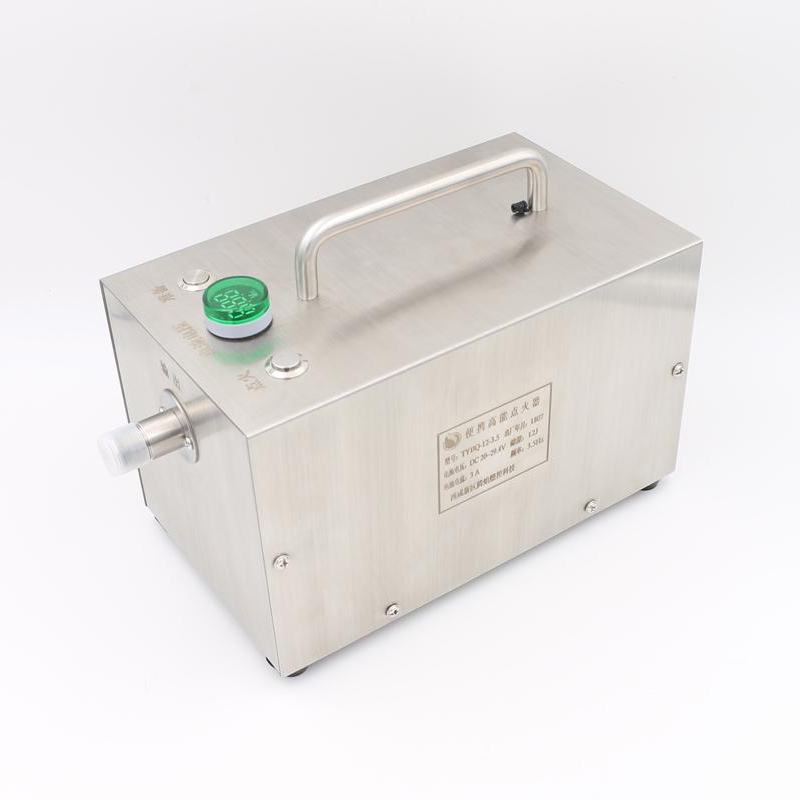
Selecting modular design products can reduce downtime losses. The DGS-05 portable high-energy igniter features a carry-on case structure, with core components that can be quickly replaced. In remote settings like oil drilling platforms, the time for spare part replacement is reduced from 4 hours to just 30 minutes.
After-sales service network coverage
Prioritize brands that offer localized services. A certain brand has achieved a 98.6% customer satisfaction rate, 12 percentage points higher than the industry average, by establishing service outlets that can respond to needs within 24 hours.
Conclusion
The selection of industrial high-energy igniters requires a balance between technical compatibility, brand reliability, and cost-effectiveness. By matching fuel characteristics, verifying critical parameters, examining industry cases, and assessing the total lifecycle cost, users can construct a scientific selection model. With the innovation of applications like ceramic matrix composites and intelligent diagnostic technology, high-energy igniters are evolving from a single点火 function to system optimization solutions, providing core support for the safe operation of industrial combustion systems.


b2b.china9.net © Zhongshang 114 Hebei Network Technology Co., Ltd.Address: Room 6009, Oriental New World Center, No.118 East Zhongshan Road, Qiaoxi District, Shijiazhuang City, Hebei ProvincePlatform Service Hotline: 4006299930