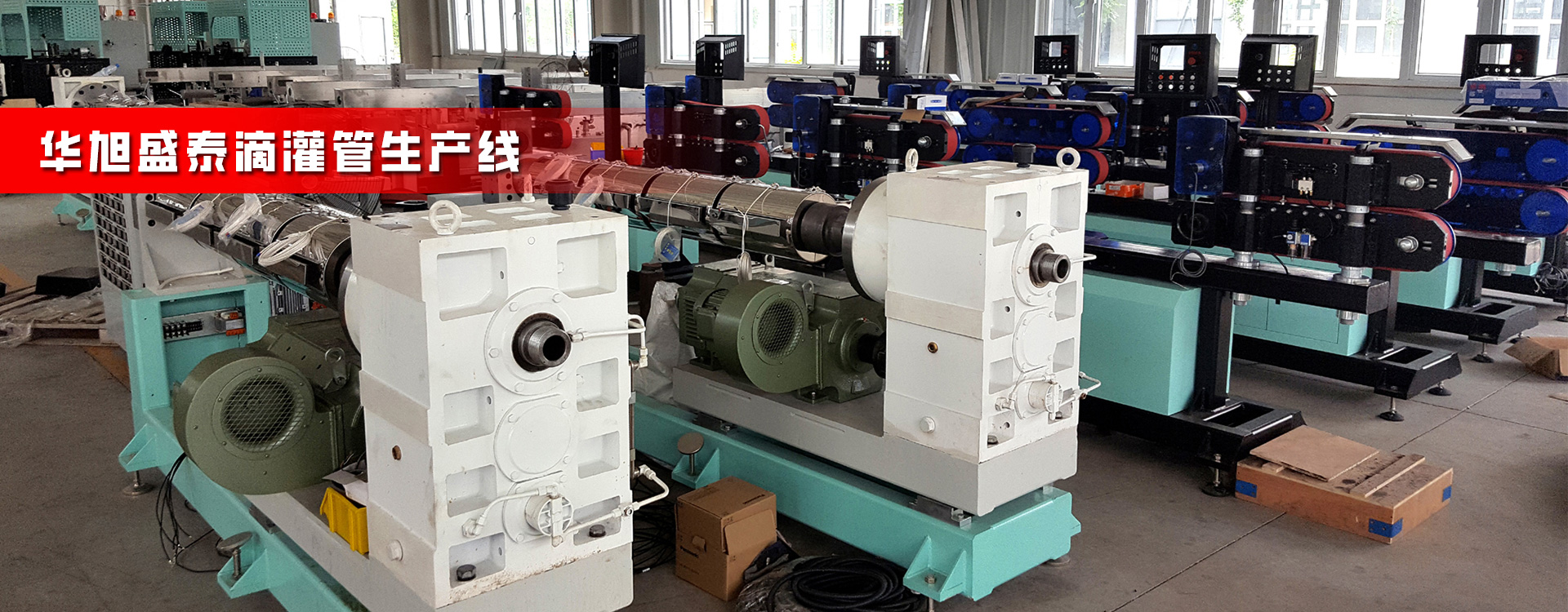
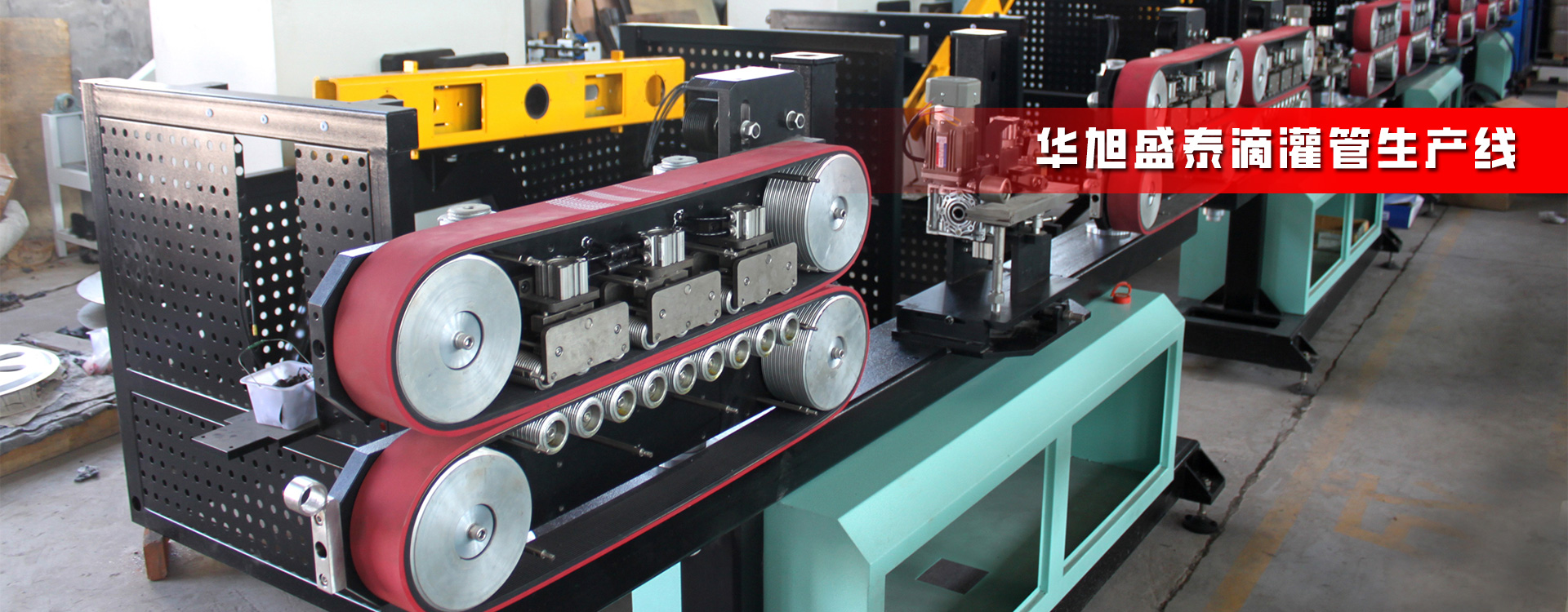
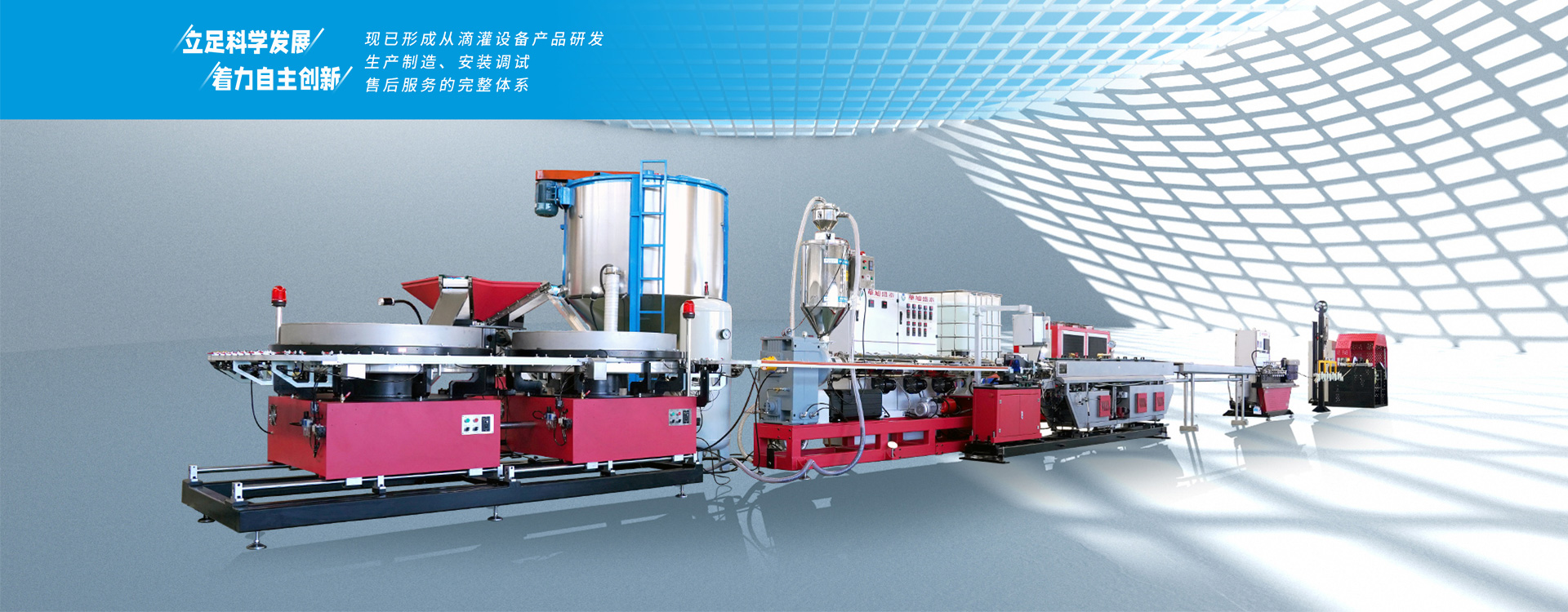
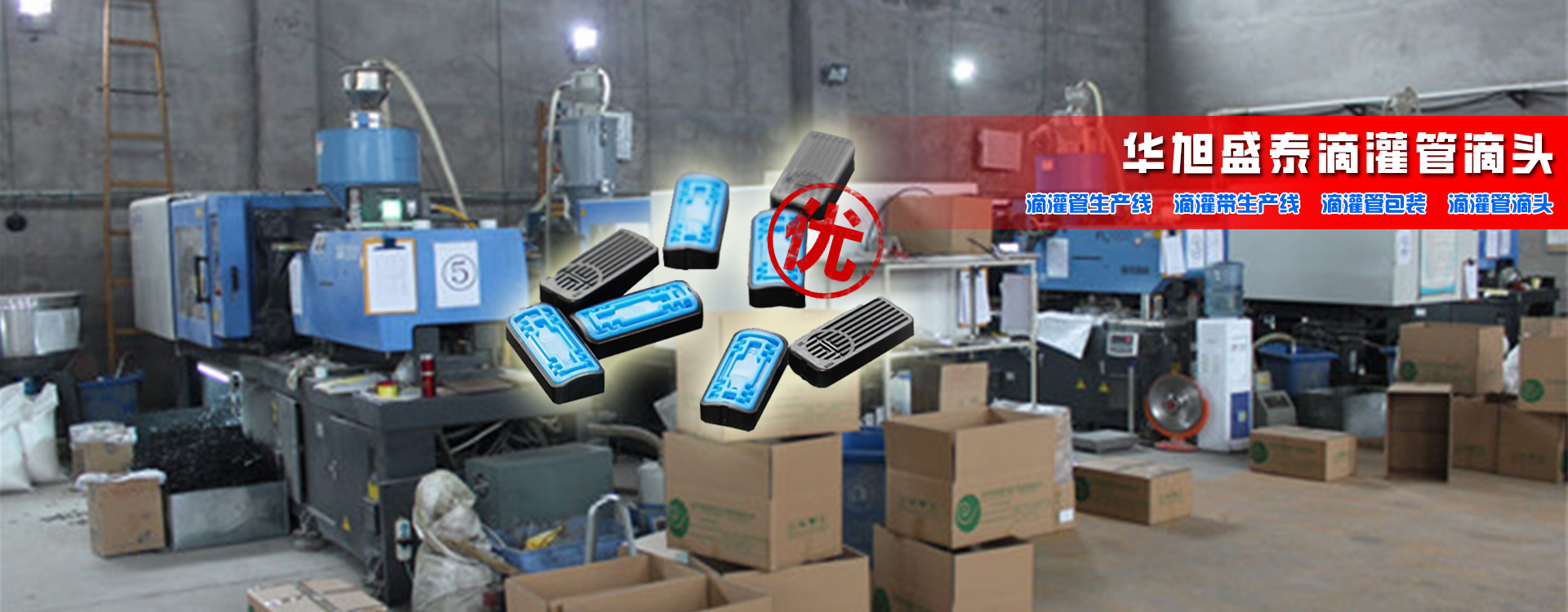
Drip Irrigation Pipe Production Line, Drip Irrigation Pip...


Product Recommendation
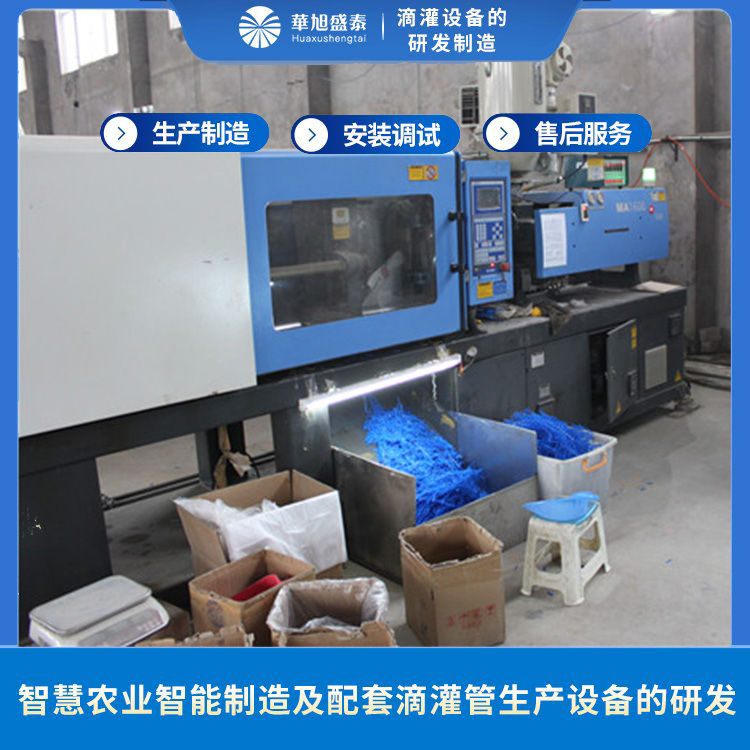
Drip Irrigation全自动Production Line, Water-Saving Irrigation, Flat Drip Emitters, Comprehensive After-Sales Service
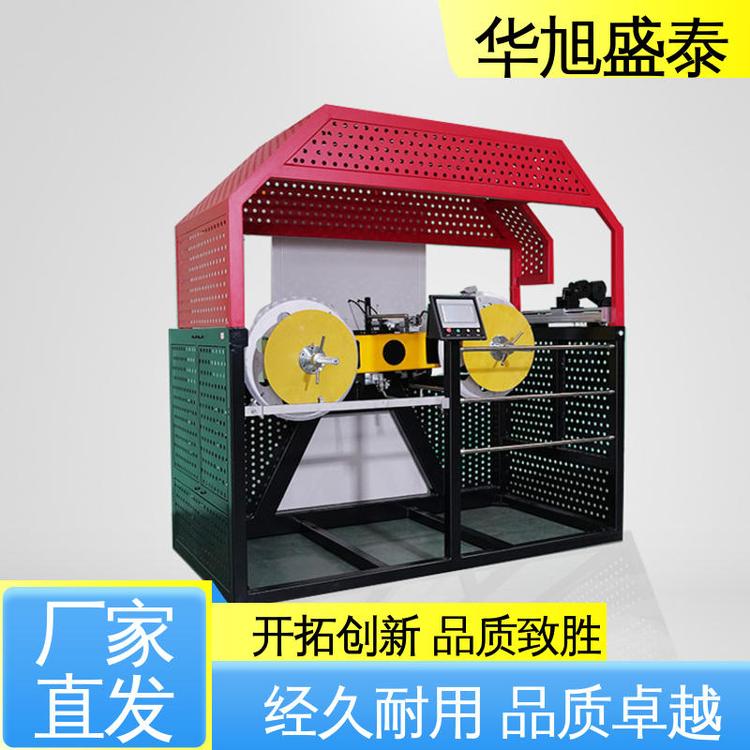
Dual-spindle coiling machine, responsible for installation and debugging, integrated film irrigation tape production line, local large factory
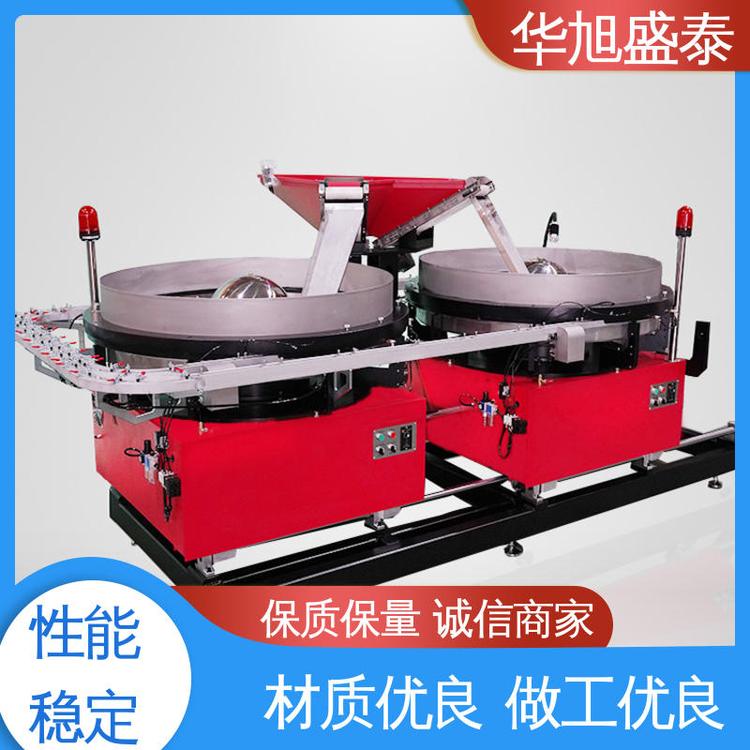
Responsible for installation and debugging of irrigation tape production line; robust structure; cost-effective; customized processing.
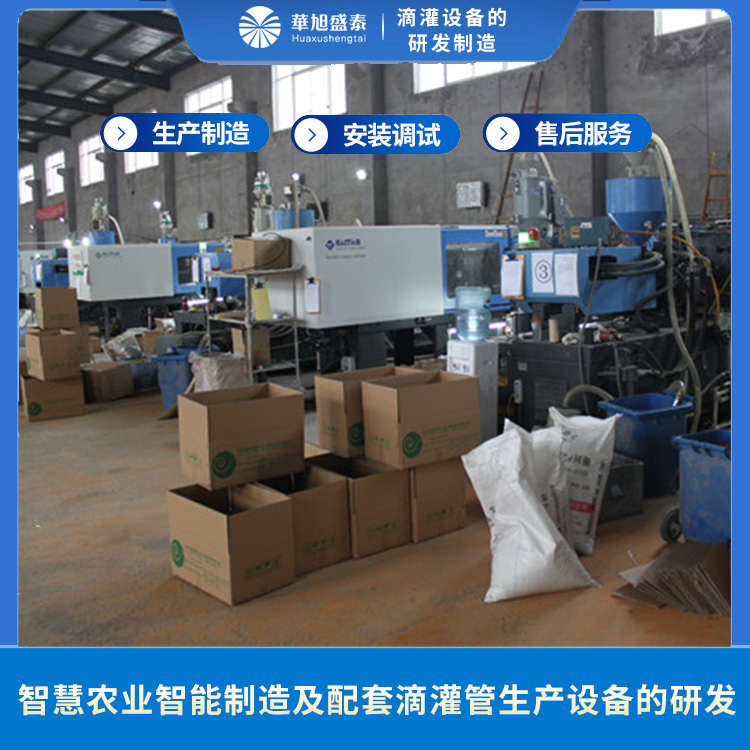
Factory Direct Supply Corrosion Treatment Tape Drip Irrigation Line Drip Irrigation Fittings Punching Hole Machine
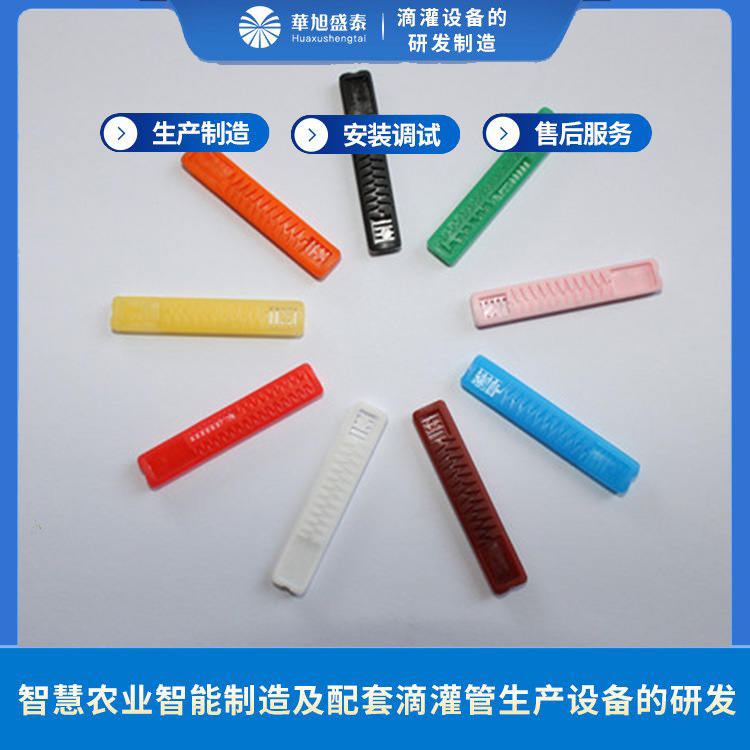
Custom-made Drip Irrigation Tube Emitters, Agricultural Irrigation, Film Drip Irrigation Tape Production Line, High-Quality Materials
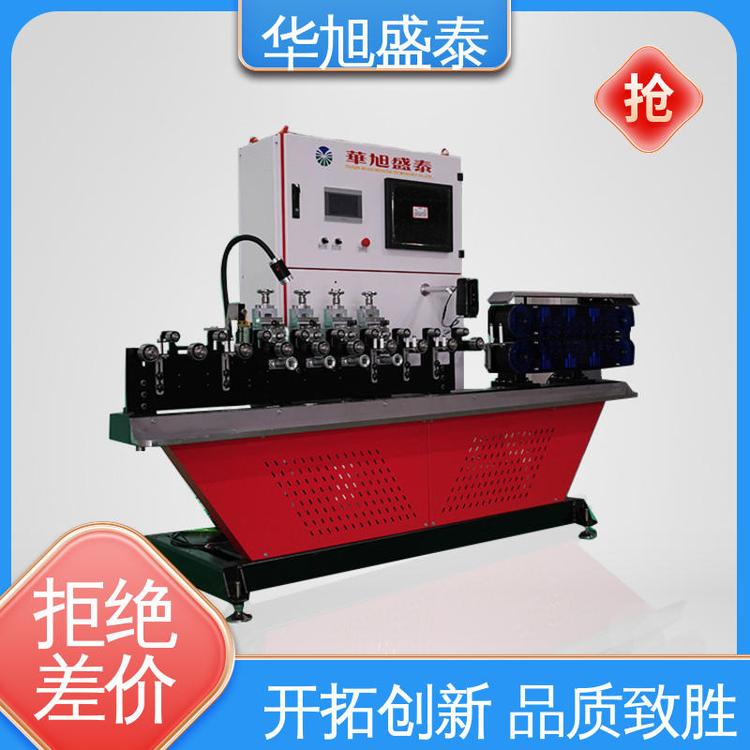
Customized Processing, Installation and Commissioning Service, Durable Coating, Drip Irrigation Tape Production Line, Product R&D
Many consumers purchase our drip irrigation pipeline production lines, and we always inform customers in advance about the water supply source requirements, as using improper water sources can cause equipment failure. Below, our editor introduces the water supply source requirements for our drip irrigation pipeline production lines:
Micro-pump direct water supply
Utilize existing water towers. It is necessary to calculate the relative height difference between the water tower and the irrigation pipeline. Generally, the water pressure required to deliver water is between 0.1-0.2 MPa, which is equivalent to requiring a relative height difference of 10 meters or more between the water tower and the drip irrigation area equipped with in-built irrigation pipes.
3. Set pressure tanks beside the well. The tanks range in capacity from 2 to 8 cubic meters. After the well water is pumped in, it is pressurized to between 0.2 to 0.5 MPa. The pressure tanks should be equipped with an automatic water refilling system to ensure continuous and even water supply for the embedded drip irrigation pipes.
4. Simple Water Storage Tanks: Set up simple water storage tanks, such as iron drums, water jars, plastic containers, concrete ponds, etc., beside the greenhouse. The general capacity is around 0.5 cubic meters. The height of the tank should be about 1.5 meters from the ground, and a small pump is used to continuously inject water into the tank during use.
Currently, the micro-irrigation technique has achieved multiple benefits. Firstly, it conserves water. The drip irrigation system uses pipelines for water transportation, reducing leakage. Therefore, during the grape growth period, it saves water by 40% to 50% compared to surface irrigation. Secondly, it saves on fertilizers and pesticides. Fertilizer is delivered directly to the plant root zone with the drip irrigation water, making it easily absorbed by the roots, thus improving utilization rates. It also allows for timely and appropriate application, benefiting plant growth, with an average reduction in fertilizer usage of about 20%. Water-saving in the transportation of pesticides through pipelines avoids the spread of pests by water. Moreover, the significant reduction in the use of insecticides can save agricultural pesticides by 10% to 20% or more, with excellent insecticidal effects. Additionally, it conserves land. Replacing the ground irrigation ditches and field irrigation paths with buried and ground-moving water supply pipelines, which are used in surface irrigation, can save about 5% of the land.


b2b.china9.net © Zhongshang 114 Hebei Network Technology Co., Ltd.Address: Room 6009, Oriental New World Center, No.118 East Zhongshan Road, Qiaoxi District, Shijiazhuang City, Hebei ProvincePlatform Service Hotline: 4006299930