

Product Details
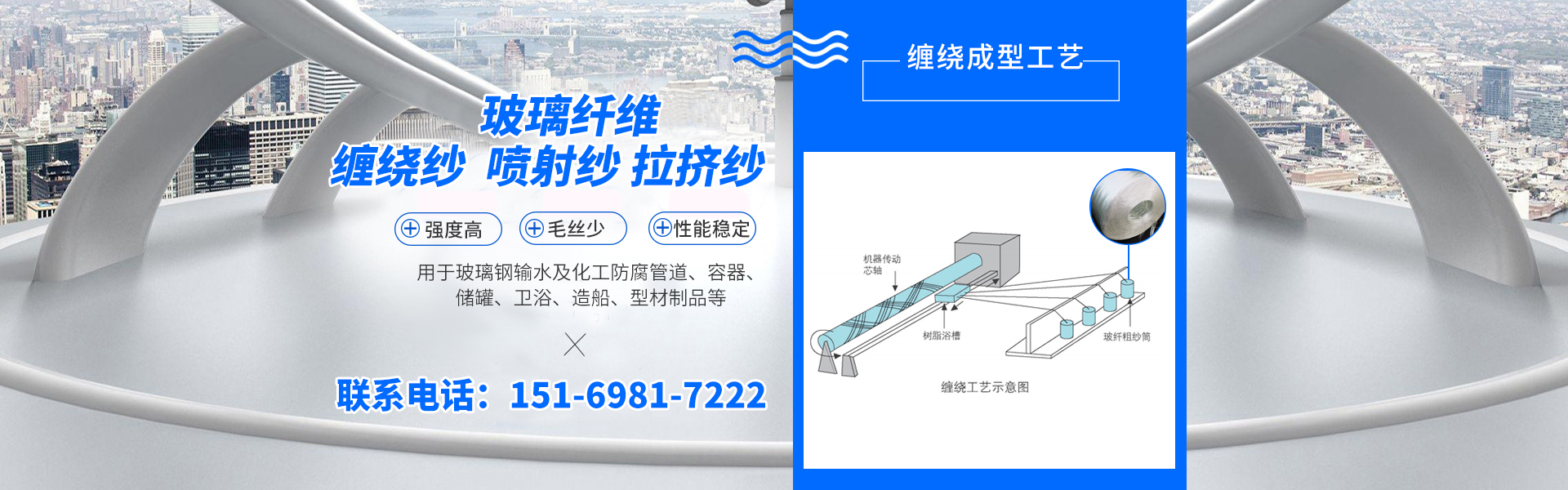
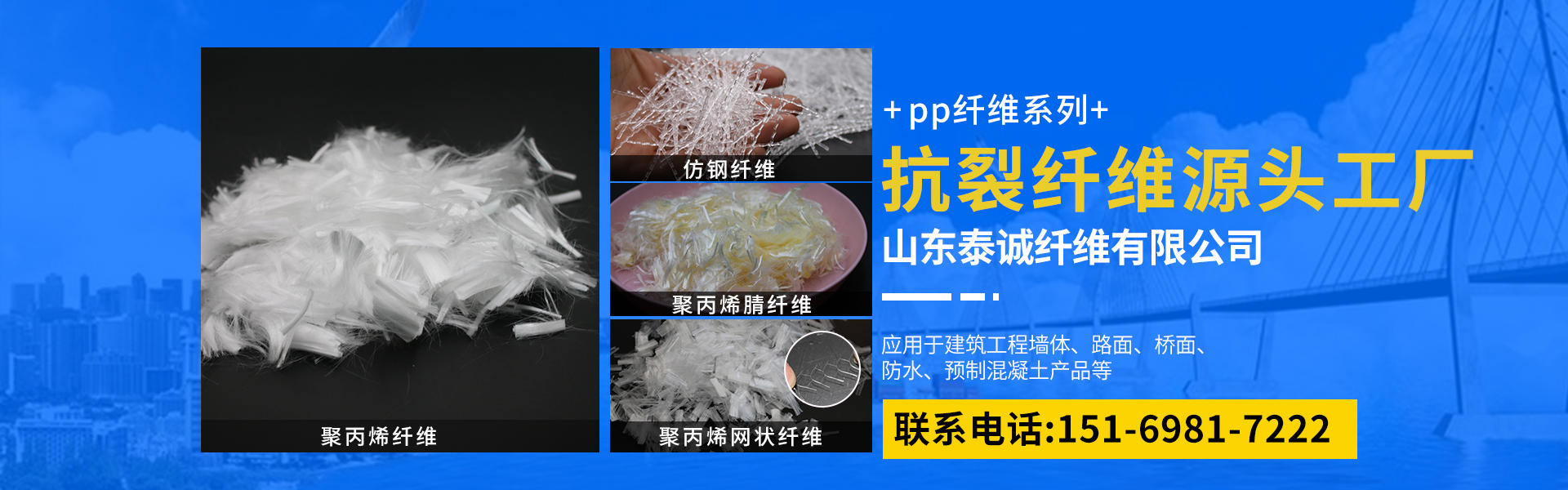
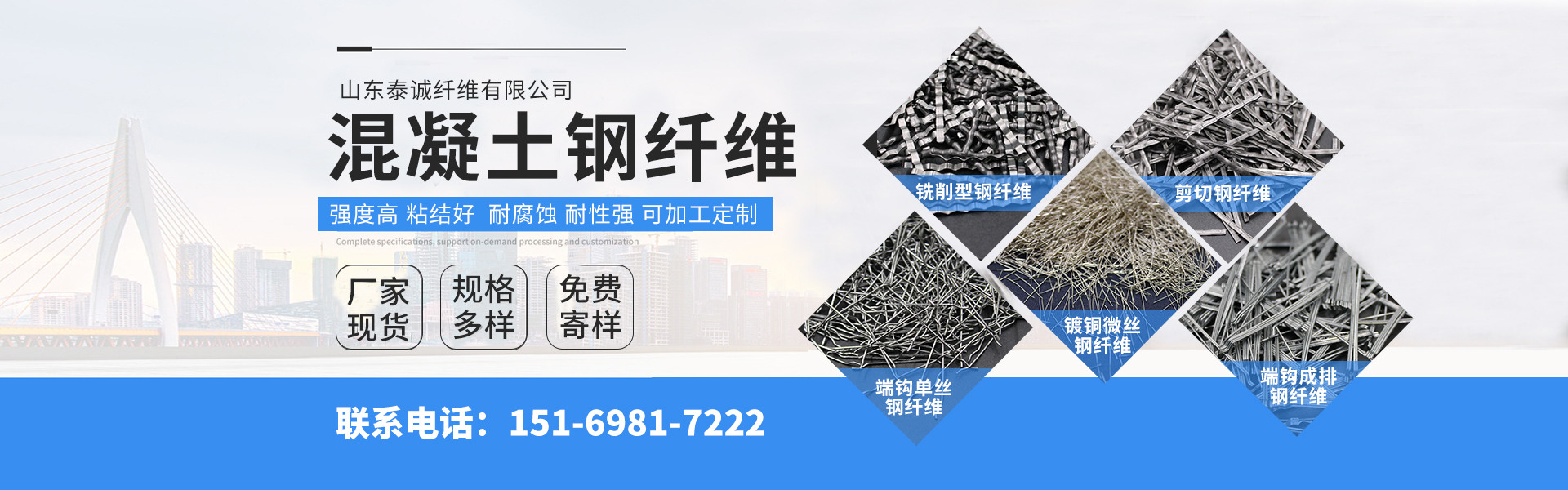
Main Products: Glass Fiber Winding Yarn, Spray Yarn, Pulling Yarn, Concrete Fiber, Crack-Resistant Fiber, Steel Fiber, and Various Engineering Fibers


价 格Negotiable
最小起订0 Piece库存0 Piece
 Business Card
Negotiable

Negotiable

Negotiable

Negotiable
 Polyacrylonitrile fiber
Negotiable
Polyacrylonitrile fiber
Negotiable
 Asphalt Cold Patch Material
Negotiable
Asphalt Cold Patch Material
Negotiable
 Polypropylene mesh fiber
Negotiable
Polypropylene mesh fiber
Negotiable
 Lignin Fiber
Negotiable
Lignin Fiber
Negotiable
 Polypropylene fiber
Negotiable
High-tensile wrapped yarn
Negotiable
Glass Fiber
Negotiable
Polypropylene fiber
Negotiable
High-tensile wrapped yarn
Negotiable
Glass Fiber
Negotiable
 Short-cut glass fiber yarn
Negotiable
Short-cut glass fiber yarn
Negotiable
 Cellulose fiber
Negotiable
Cellulose fiber
Negotiable
 Jet yarn
Negotiable
Jet yarn
Negotiable
Fiberglass, a high-performance inorganic non-metallic material, comes in various types. Its advantages include excellent insulation, high heat resistance, good corrosion resistance, and high mechanical strength. However, it has the drawback of brittleness and poor wear resistance. It is made from six types of ores—phyllite, quartz sand, limestone, dolomite, borate, and magnesite—through a process of high-temperature melting, fiber drawing, weaving, and fabricating. The diameter of its individual filaments ranges from several to twenty or more micrometers, which is about 1/20 to 1/5 the thickness of a human hair. Each bundle of fiber yarn consists of hundreds, even thousands, of individual filaments. Fiberglass is commonly used as reinforcing material in composites, electrical insulation materials, thermal insulation materials, circuit boards, and in various sectors of the national economy.
The primary components include silicon dioxide, aluminum oxide, calcium oxide, boron oxide, magnesium oxide, sodium oxide, etc. Depending on the amount of alkali in the glass, it can be categorized into alkali-free glass fiber (sodium oxide 0~2%, belonging to aluminum-borosilicate glass), medium alkali glass fiber (sodium oxide 8~12%, belonging to boron or non-boron sodium calcium silicate glass), and high alkali glass fiber (sodium oxide over 13%, belonging to sodium calcium silicate glass).
Glass fiber, as a reinforcing material for plastics, boasts high tensile strength. The tensile strength is 6.3 to 6.9 g/d in standard conditions and 5.4 to 5.8 g/d in wet conditions. It has excellent heat resistance, with no impact on strength at temperatures up to 300°C. It offers superior electrical insulation properties, making it a high-grade electrical insulating material. It is also used in thermal insulation and fire shielding materials. Generally, it is only corroded by concentrated alkalis, hydrofluoric acid, and concentrated phosphoric acid.

Phone Consultation