

Product Details



价 格Negotiable
最小起订0 piece库存0 piece
 Business Card
Negotiable

Negotiable
Negotiable

Negotiable
 Vinyl Alcohol Fiber
Negotiable
Vinyl Alcohol Fiber
Negotiable
 Polypropylene mesh fiber
Negotiable
Crack-resistant and tensile fiber
Negotiable
Polypropylene fiber
Negotiable
Polypropylene mesh fiber
Negotiable
Crack-resistant and tensile fiber
Negotiable
Polypropylene fiber
Negotiable
 Cellulose fiber
Negotiable
Crack-Resistant Fiber
Negotiable
Cellulose fiber
Negotiable
Crack-Resistant Fiber
Negotiable
 Steel fiber
Negotiable
Steel fiber
Negotiable
 Basalt fiber
Negotiable
Basalt fiber
Negotiable
 Glass fiber powder
Negotiable
Crack-Resistant Fiber
Negotiable
Glass fiber powder
Negotiable
Crack-Resistant Fiber
Negotiable
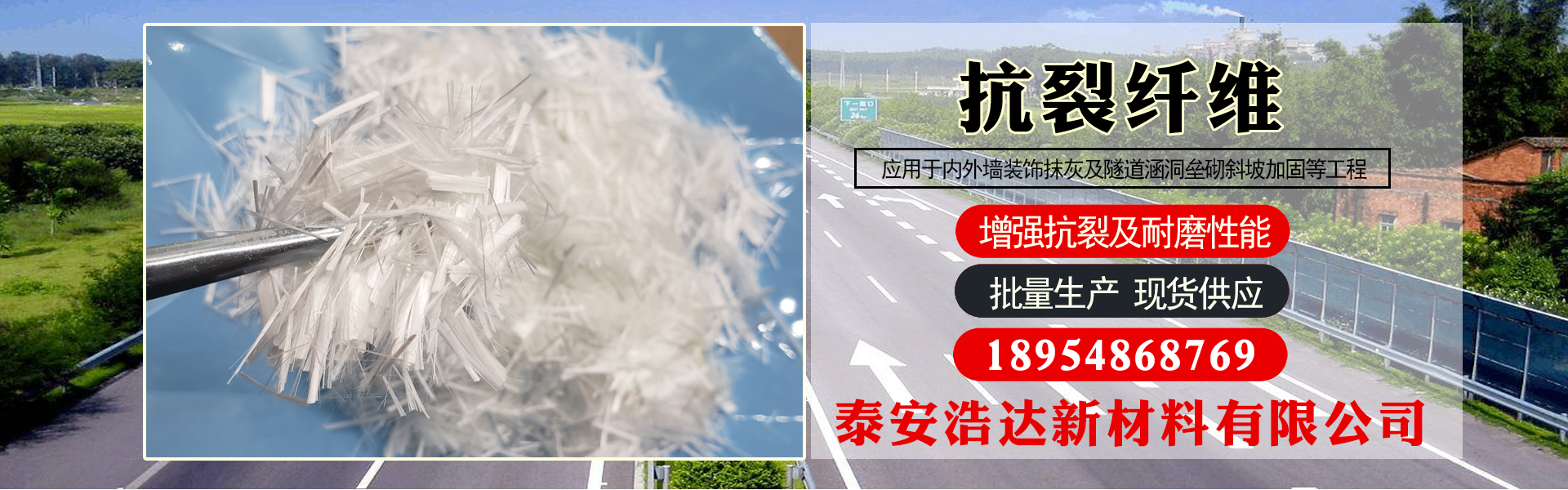
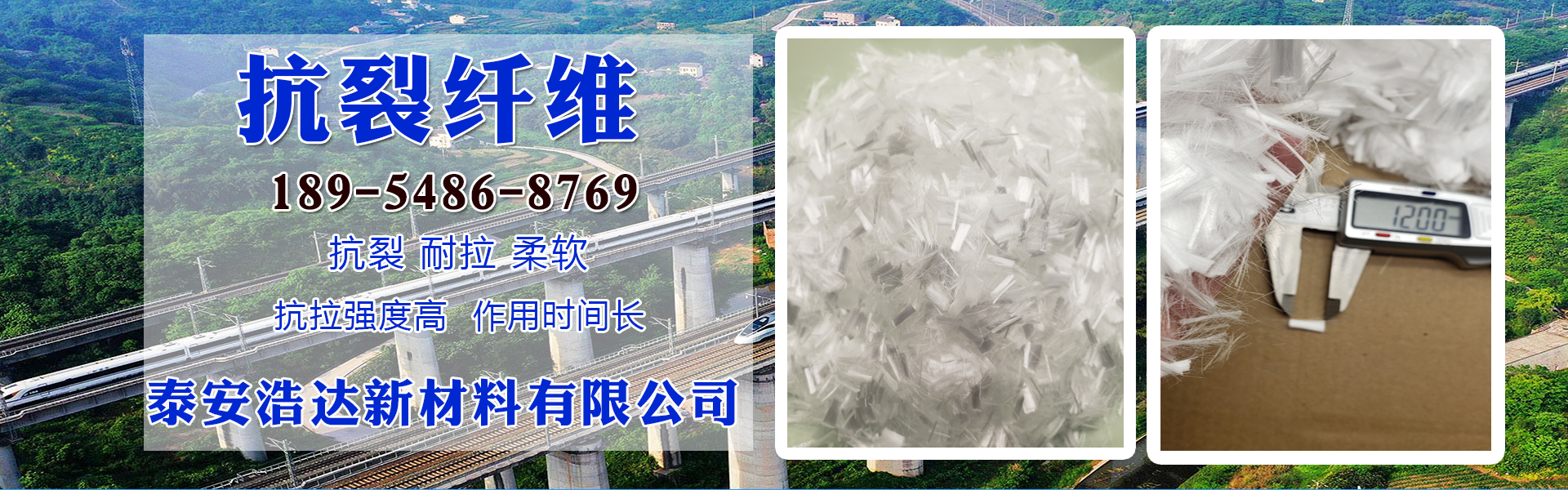
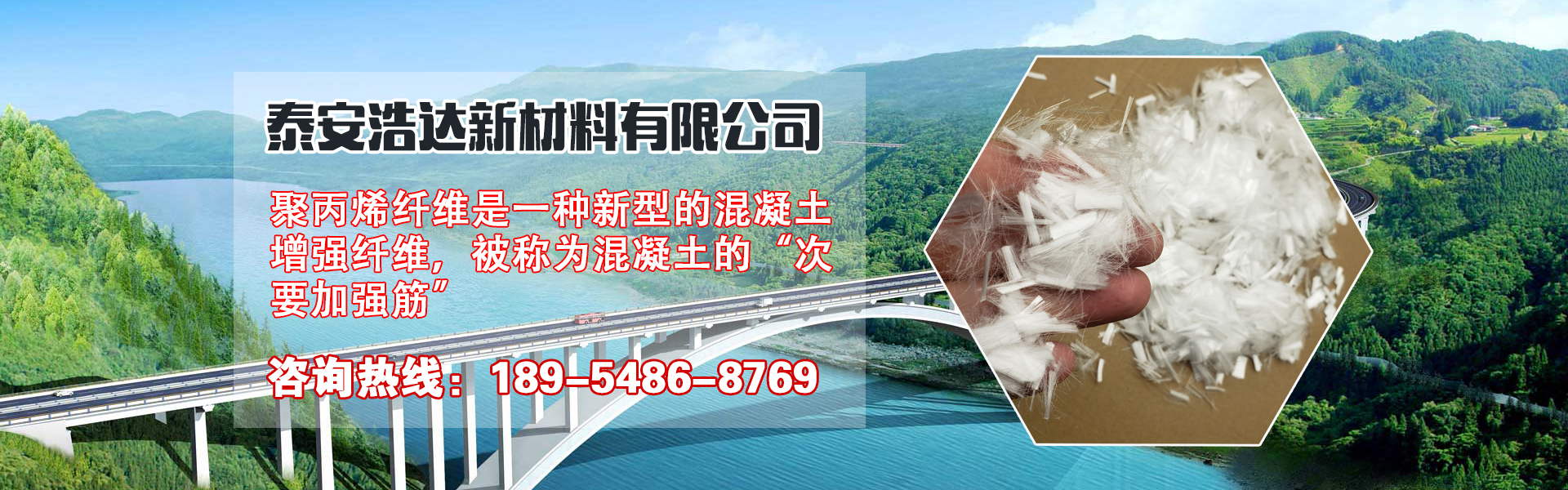
A crack-resistant fiber is made from 100% polypropylene, refined through a unique process and equipment involving melting, extrusion, drawing, and cutting. It is a specialized fiber designed to be added to mortar and cement concrete to enhance crack resistance and prevent leakage.
To ensure the crack-resistant fiber disperses well in mortar and cement concrete, the fiber undergoes special surface treatment before being cut. As it primarily uses polypropylene as its raw material, it is also known as polypropylene fiber. The crack-resistant fiber, acting in mortar and cement concrete, prevents the formation and development of cracks in these materials through its unique tensile strength, dispersibility, melting ignition point, and acid-base resistance.
A type of crack-resistant fiber is made from cellulose fibers, derived from a special plant species adapted to cold regions. It is produced through a series of unique chemical treatments and mechanical processing, inherently possessing natural hydrophilicity and high strength and modulus. As it is naturally split and grown within plant cells without artificial manufacturing, it offers a strong gripping power on the surface. In subsequent processing, the fibers are formed into sheet monomers using special materials, facilitating their transport and application. When the sheet monomers are submerged in water and subjected to the friction of a blender, they easily disperse into individual fiber strands, thereby providing crack resistance. This effectively enhances the mechanical properties, frost-thaw resistance, and impermeability of concrete.
Fibers of other materials and forms not mentioned should be suitable for use in concrete fibers if they meet the following conditions: (1) evenly dispersed in concrete; (2) not corroded or melted; (3) environmentally friendly and non-polluting; (4) good compatibility with concrete; and (5) capable of effectively improving certain properties of concrete.
Concrete and mortar include not only cement concrete and mortar but also asphalt concrete and its mortar, though the latter requires a special heat resistance test for fiber selection. Fibers of any form or material used for purposes other than concrete exterior are not included.

Phone Consultation