



Common FAQs on IP Protection Class Testing - Dust and Water Resistance. Products requiring IP protection class testing (but not limited to) include: enclosures, outdoor cabinets, control cabinets, meteorological instruments, sensors, roadside terminals, tail devices, switches, vehicle-mounted controllers, remote transmission water meters, IoT water meters, IC card water meters, smart water meters, flowmeters, flanges, outdoor cables, emergency lighting, outdoor lighting, signage, electric actuators, distribution boxes, distribution cabinets, control cabinets, control boxes, industrial robots, wireless AP equipment cabinets, manual reporting devices, electrical fire monitoring systems, wiring boxes, junction boxes, AE boxes, gas meters, gearboxes, fire extinguishing equipment, pantograph systems, transponders, ground electronic units, call devices, power boxes, aviation boxes, and various outdoor instruments, electronic and electrical equipment.
IP Rating Test Scope
Waterproof Rating: IPX1-IPX8
Dustproof Rating: IP1X-IP6X
Common Inspection Grades: IP68, IP67, IP66, IP65, IP55, IP54, IP40, IP20, etc.
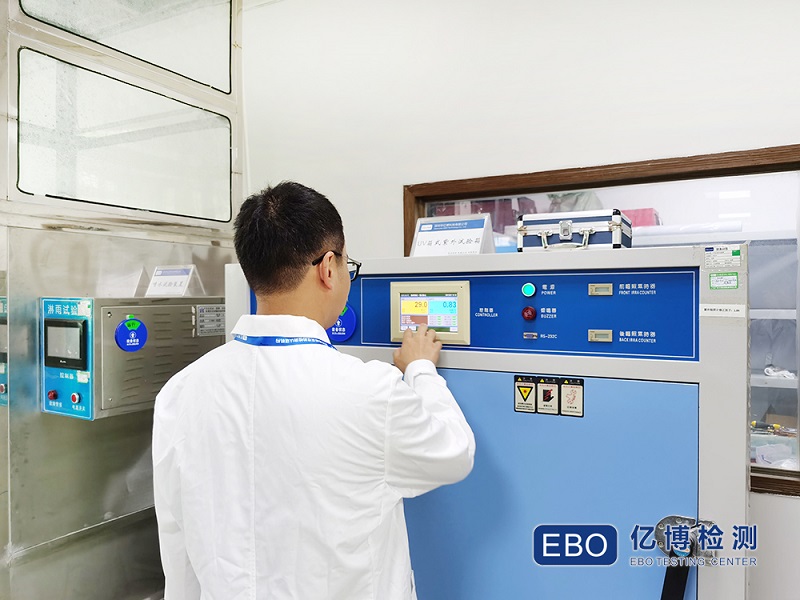
Process for obtaining a third-party IP rating test report
1. Preliminary Consultation: Provide the required testing projects, test conditions, or standards.
2. Quote Assessment: Evaluate the quote based on inspection requirements, sample specifications, and parameters.
3. Fill out the commission letter: Submit a testing application to Yibao and fill out the commission letter (specialists will guide you through the process).
4. Payment and Sample Information: Pay as per agreed quoted price, and provide sufficient samples and product information as required.
5. Arrange Inspection: Conduct inspections on products as per client's requirements.
6. Issue Report: Based on test data, issue a report and send it along with the invoice and samples back to the customer.
Common Questions on IP Rating Testing
How long is the validity of the inspection report?
In theory, the inspection report remains valid without altering the product design and manufacturing process.
What authoritative markings are on the inspection report?
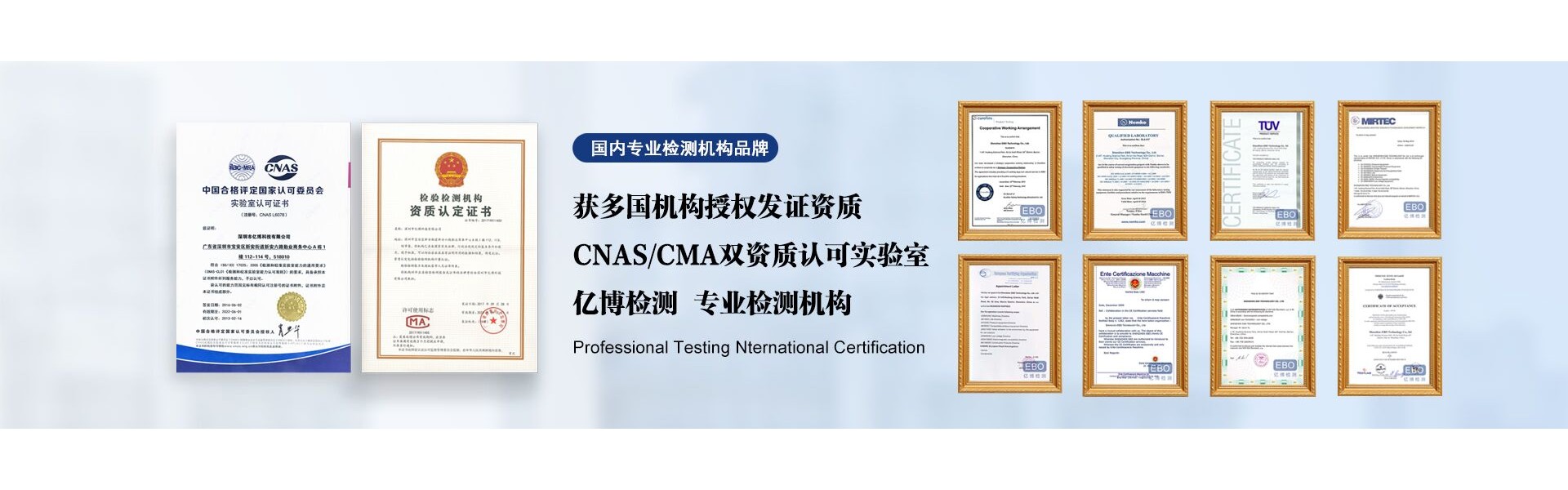
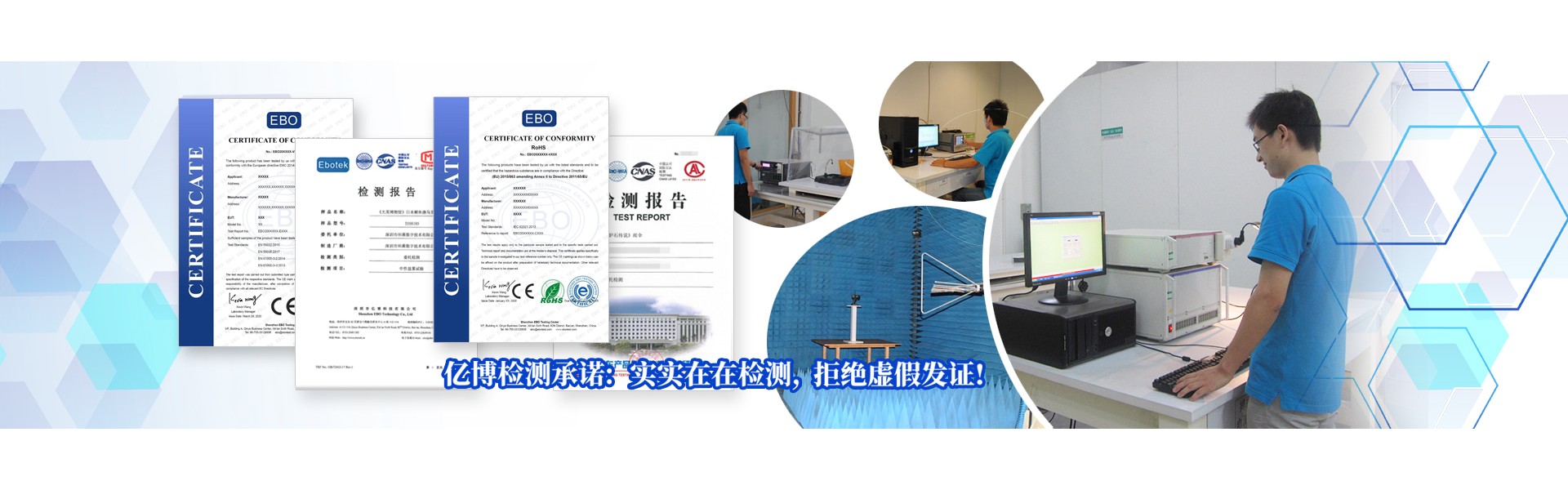
National Laboratory Qualification Approval CNAS (CNAS logo on the test report).
Do the samples need to be powered on for waterproof and dustproof tests?
No power required; simply open the cover to check for any water droplets or dust entering the shell interior.
What is the sequence of the protection grade testing and inspection?
First, conduct a stringent waterproof test. Once the waterproof test passes, proceed with the dustproof test. For dustproof IP6X requirements, vacuum pumping is necessary.
5. What if dust enters the shell interior after vacuuming the product's outer shell?
The lab uses vacuum tubes, and the gaps around them are sealed tightly with sealant.
6. The samples are partially buried underground, with the lower half exposed. How should the test be conducted?
Ensure the exposed parts are sealed with lids in advance.
7. The samples have a water drain, and the water droplets are stored in the drain. Would that not be considered a pass in the test?
No issues if water droplets remain in the drainage channel, as long as they do not enter the interior of the shell.
8. What if the sample has a ventilation window and gaps?
Ventilation windows and exhaust fans should be designed out of alignment to prevent water droplets and dust from entering the housing.
9. Determination of water ingress into the internal shell of the sample after waterproofing test:
The housing interior allows for a small amount of water droplets to enter, but the water does not reach the electric components, circuit boards, or enter the wires and cables.
The housing is composed of several parts, with the circuit section and non-circuit section housed in separate compartments. Water droplets enter the non-circuit board compartment.
For equipment with drainage holes, observation should be made to prove that water entry will not accumulate, can be discharged, and will not damage the product.
10. Does the manufacturer need to pre-drill holes for IP6X dustproof testing?
No pre-drilling required. After waterproofing tests are completed and passed, drilling can be done on-site. The lab has drilling tools available.
11. How long does it take to receive the test report from the date of sample dispatch?
Test within 1-2 business days, issue the test report within 5 business days after testing, approximately one week.
Do you have photos of the samples in the inspection report?
During the dust and water resistance testing process, photos of the tested items after the test will be included in the test report.
What is the purpose of the inspection report?
Bidding and tendering, applying for national scientific research projects, meeting market customer requirements, and verifying product reliability.
