

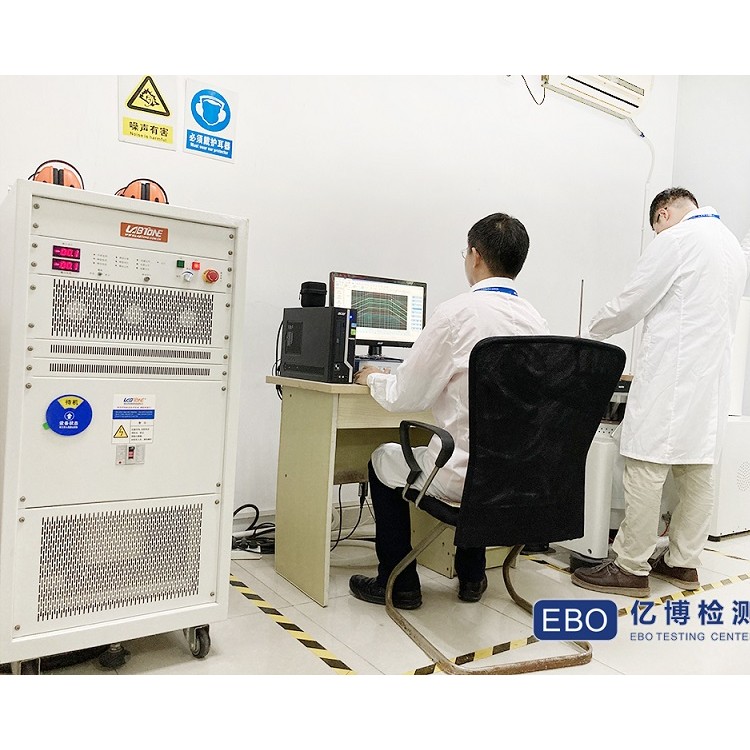
Are you aware of the EMC testing projects? As is known, electronic products are generally required or recommended to undergo EMC testing, with the aim of ensuring that the products do not cause unacceptable interference to the electromagnetic environment they are in. Additionally, it is also hoped that the products can operate normally and reliably in certain electromagnetic environments. The EMC performance testing mainly evaluates the characteristics of interference signals generated by electrical products during use and their ability to resist interference from surrounding signals. It primarily includes two testing contents: EMI (Electromagnetic Interference) and EMS (Electromagnetic Sensitivity).
EMI Test Items
The EMI test items include:
1. Radiated Emission Testing
2. Conduction Emission Test
3. Interference Power Test
4. Current Harmonics Testing
5. Power Harmonics Measurement
6. Flash Test
-Conduction Interference (9/150kHz–30MHz): Primarily detects interference signals at the power end of the product
Generally, products using DC motors, series-wound motors, or products with thyristors are prone to issues, such as vacuum cleaners, mixers, microwave ovens, etc.
-Radiation Interference (9K/30MHz - 300/1000MHz): Mainly detects the spatial radiation interference signals generated during the normal operation of the product
Products generally using DC motors, series-wound motors, thyristor-equipped items, and crystal oscillator components are prone to issues, such as vacuum cleaners, mixers, microwave ovens, electric tools, and DC motor products.
-Harmonic Current: Mainly detects the harmonic current interference generated by AC products on the public power grid
Typically, large current motor products with rectifier circuits are prone to issues, such as microwave ovens, air conditioners, and dimmable lighting fixtures.
-Voltage Fluctuations: Mainly detects the interference of voltage drop and fluctuation caused by AC products using the public power grid.
High-powered motors or transformer products are prone to issues, such as microwave ovens, air conditioners, and high-powered electric appliances.
EMS Testing Items
EMS Test Items Include:
1. Electrostatic Discharge Immunity
2. Radio Frequency Electromagnetic Field Immunity
3. Fast Transient Group Immunity to Electric Pulses
4. Surge immunity (including lightning and surge)
5. Radio Frequency Field Induction Conducted Immunity
6. Power Frequency Magnetic Field Immunity Test
7. Voltage Sag Short-Time Interruption and Voltage Dip Immunity
The EMS test primarily involves simulating various types of interference signals to disturb the product under test, thereby assessing its interference resistance.
Common simulated interference signals include: Electrostatic Discharge (ESD), Fast Transient Bursts (BURST), Surge Pulses (SURGE), Radiated Interference Signals, Conducted Interference Signals, Power Frequency Magnetic Fields, Voltage Fluctuations in the Power Grid, etc.
General interference signals can cause disruption to active electronic components such as chips in electronic control circuits, even leading to damage.
Modifications to the electrical structure of the product, including the replacement of sensitive components (such as motors, chips, electronic components), and adjustments to the wiring of the printed circuit boards, can all cause changes in the EMC test results.
