
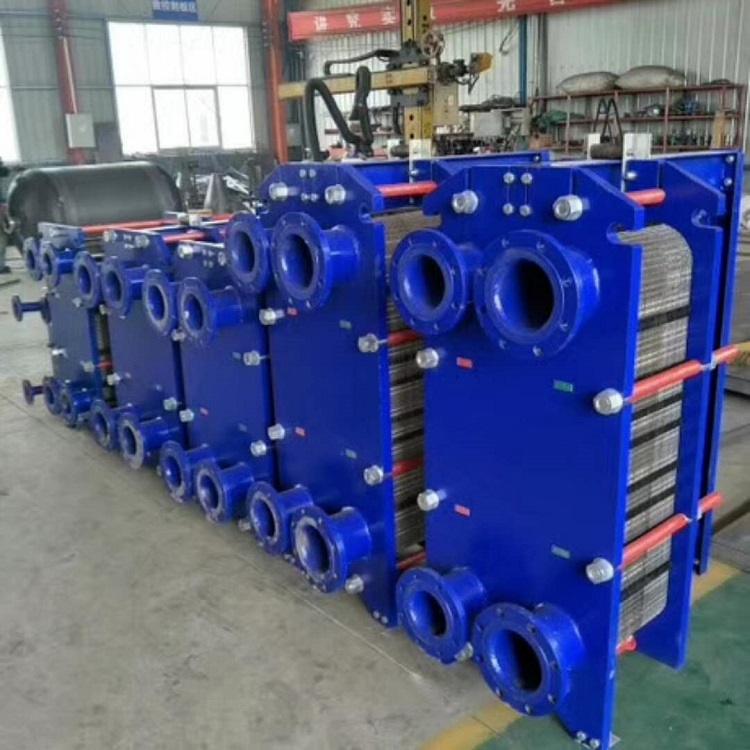
 Plate Heat Exchanger
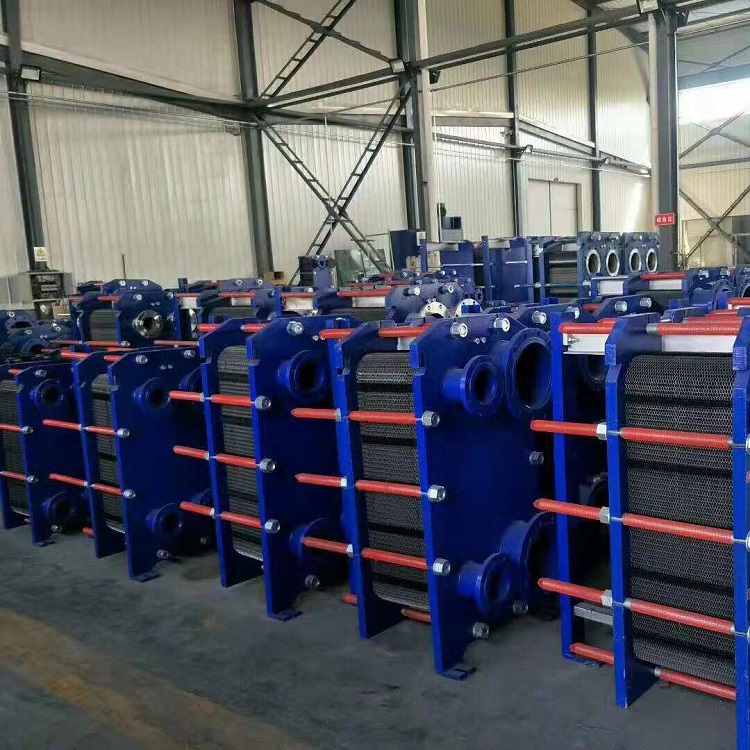 Plate Heat Exchanger Manufacturer
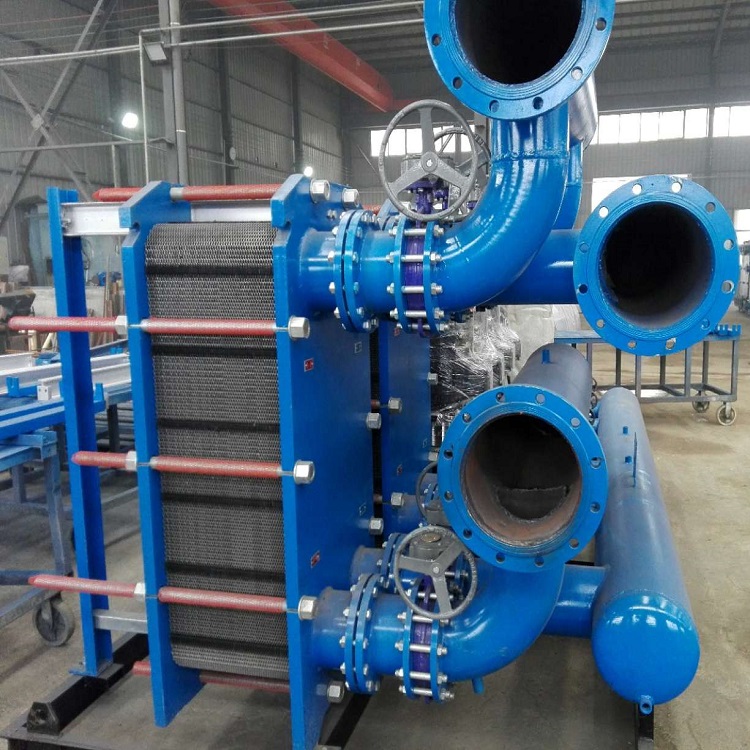 Plate Heat Exchanger Unit Manufacturer
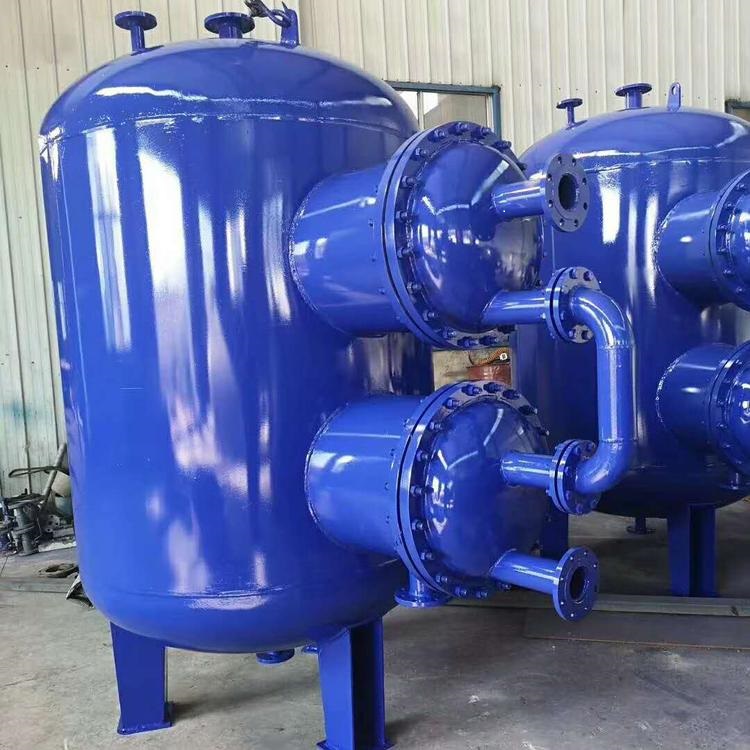 Floating tube bundle volumetric heat exchanger
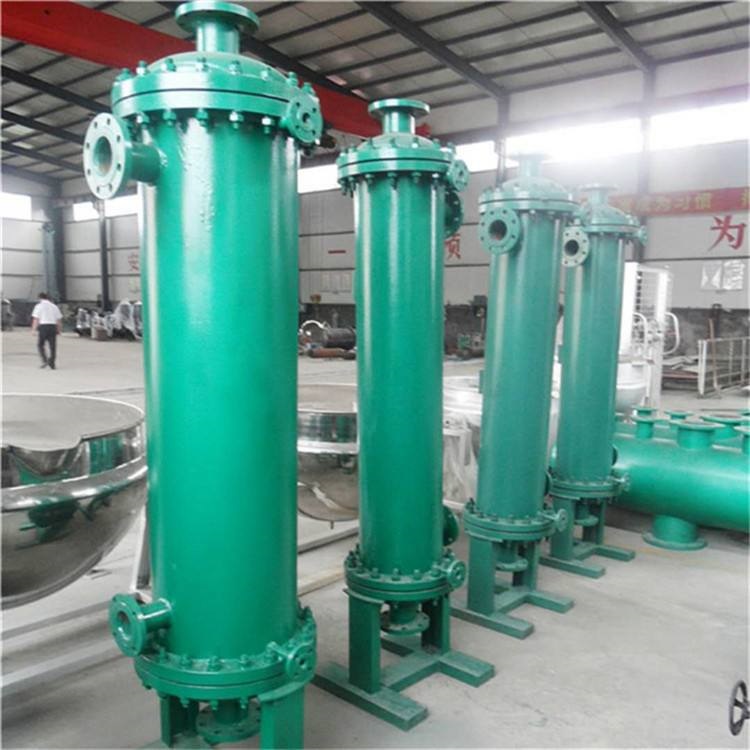 Shell and Tube Heat Exchanger
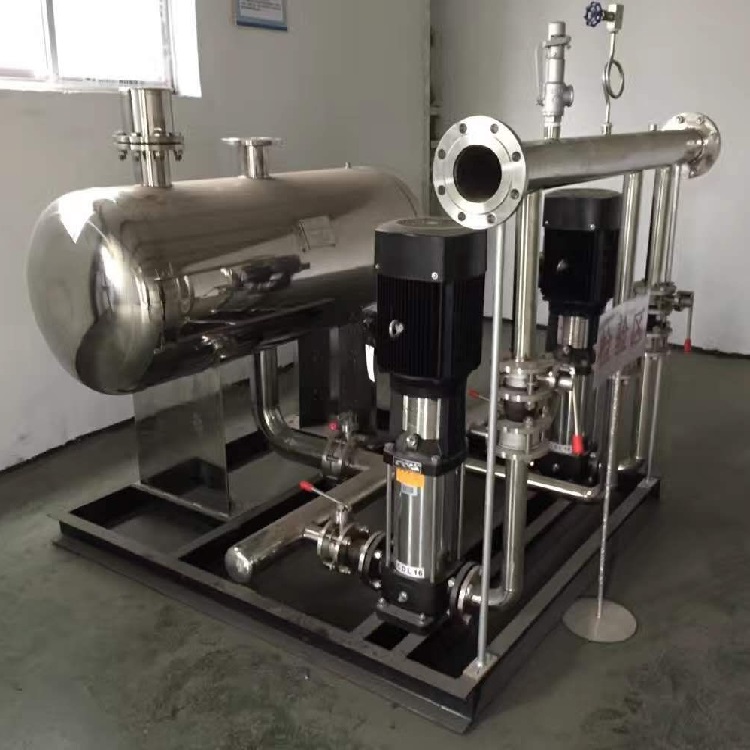 Non-negative pressure water supply equipment
Product Details

Main Products: Plate Heat Exchangers, Volume Heat Exchangers, Plate Heat Exch...


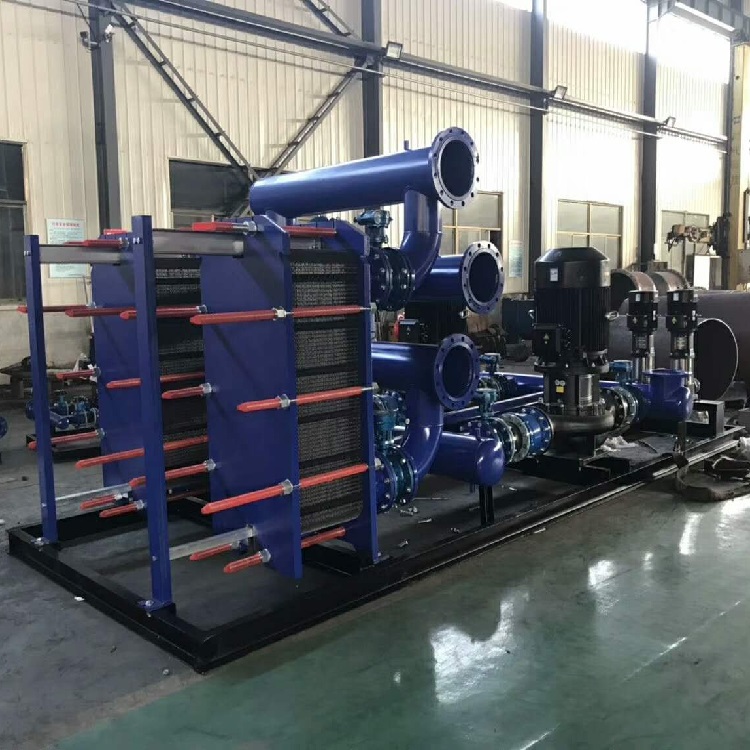
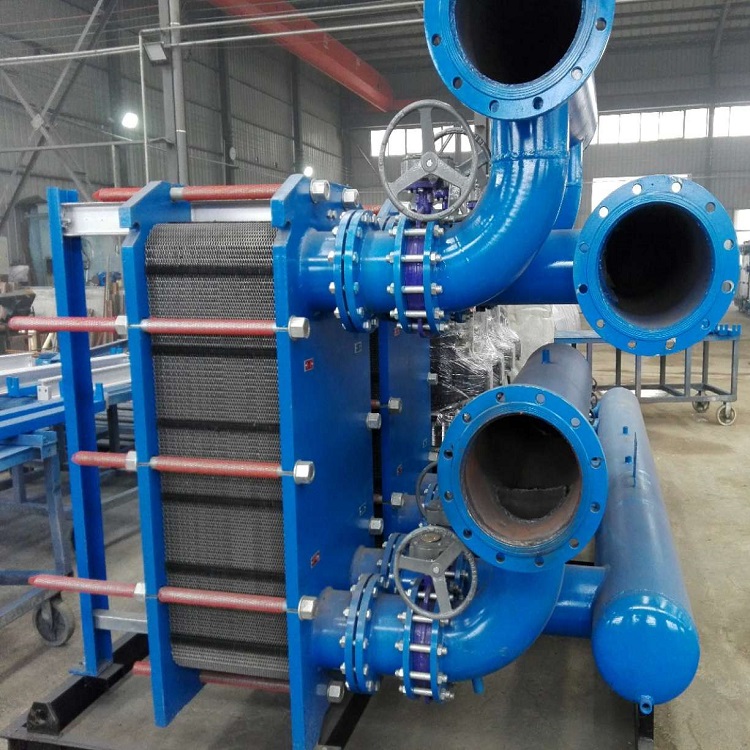
产品Price Negotiable
最小起订Quantity:1 Tai 供货总Quantity: 999 Tai


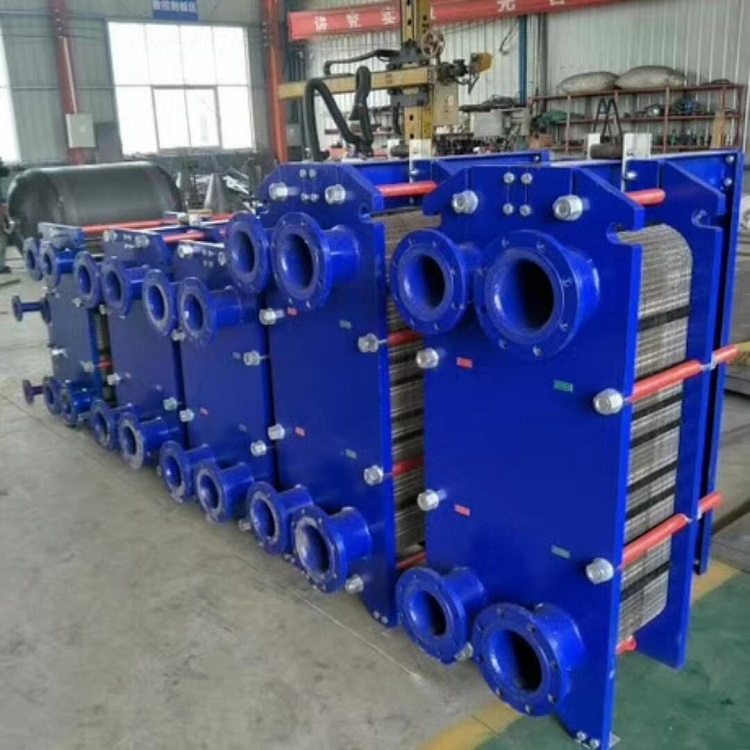
Plate heat exchangers are a type of new, high-efficiency heat exchanger made up of a series of metal plates with a certain wavy shape. The plates form thin rectangular channels between them, exchanging heat through the plates. Plate heat exchangers are ideal for liquid-liquid and liquid-vapor heat exchange. They feature high heat exchange efficiency, minimal heat loss, compact and lightweight design, small footprint, easy installation and cleaning, broad application, and long service life. Under the same pressure drop, their heat transfer coefficient is 3-5 times higher than that of tube-type heat exchangers, occupying only one-third of the space, and the heat recovery rate can reach over 90%. Design Features 1. High Efficiency and Energy Saving: Its heat exchange coefficient ranges from 3000 to 4500 kcal/m·°C·h, which is 3 to 5 times more efficient than shell-and-tube heat exchangers. 2. Compact Structure: Plate heat exchangers feature closely packed plates, which occupy less floor area and space compared to other types of heat exchangers. A plate heat exchanger with the same heat transfer capacity as a shell-and-tube exchanger only requires 1/5 of the area. 3. Easy to clean and dismantle: The plate heat exchanger clamps the plate packs with clamping bolts, making it convenient to dismantle and clean at any time. Additionally, due to the smooth surface and high turbulence, it is less prone to scaling. 4. Long Service Life: Plate heat exchangers are made of stainless steel or titanium alloy plates, resistant to various corrosive media. Gaskets can be easily replaced, and they are convenient for installation, disassembly, and maintenance. 5. Versatile: Plate heat exchanger plates are individual components, allowing for flexible addition or subtraction of circuits as required, with various configurations; suitable for diverse process requirements. 6. Leak-free design; the plate heat exchanger features a sealing groove with a liquid drain channel, ensuring that various media do not intermix. In the event of a leak, the medium is always discharged outward.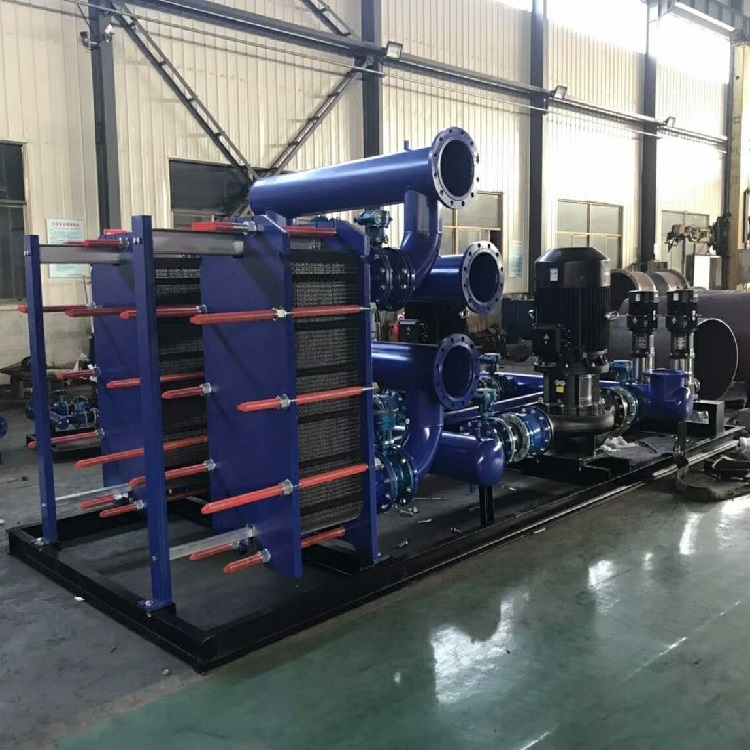

Phone Consultation