

Product Details



价 格Negotiable
最小起订0 Piece库存0 Piece
 Business Card
Negotiable

Negotiable

Negotiable

Negotiable
 EVA Waterproof Sheet
Negotiable
EVA Waterproof Sheet
Negotiable
 Bentonite Waterproof Mat
Negotiable
Bentonite Waterproof Mat
Negotiable
 Unidirectional Plastic Geogrid
Negotiable
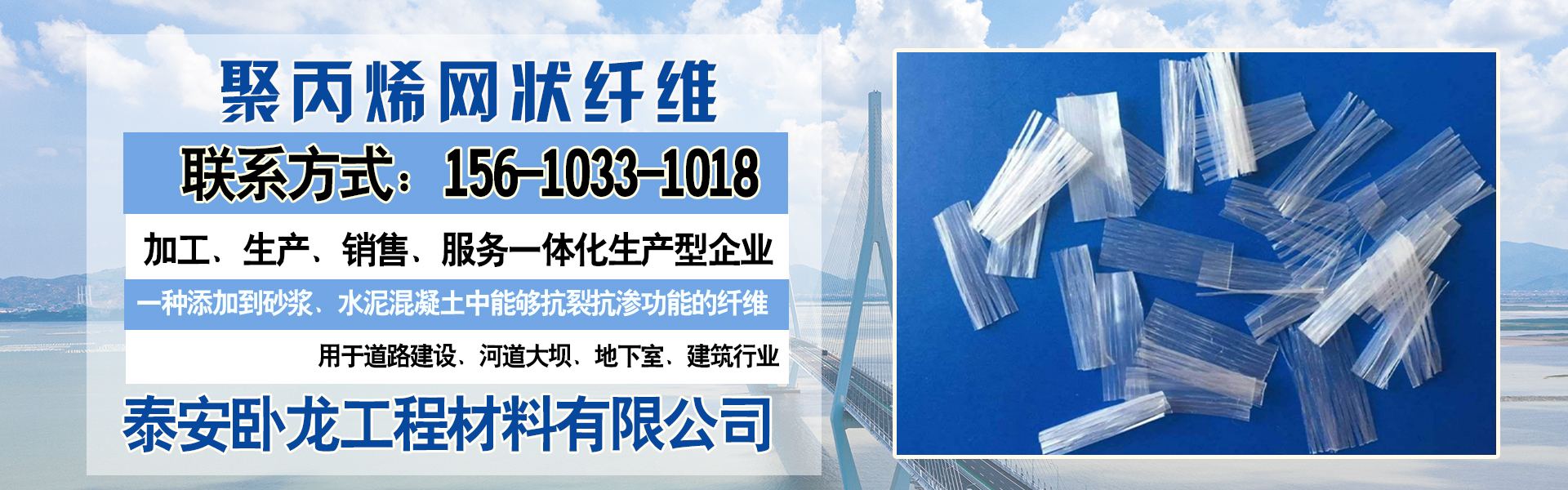
Polypropylene Mesh Fiber Manufact
Negotiable
Unidirectional Plastic Geogrid
Negotiable
Polypropylene Mesh Fiber Manufact
Negotiable
 Glass Fiber Geogrid
Negotiable
Glass Fiber Geogrid
Negotiable
 Steel-plastic geogrid
Negotiable
Steel-plastic geogrid
Negotiable
 Basalt fiber
Negotiable
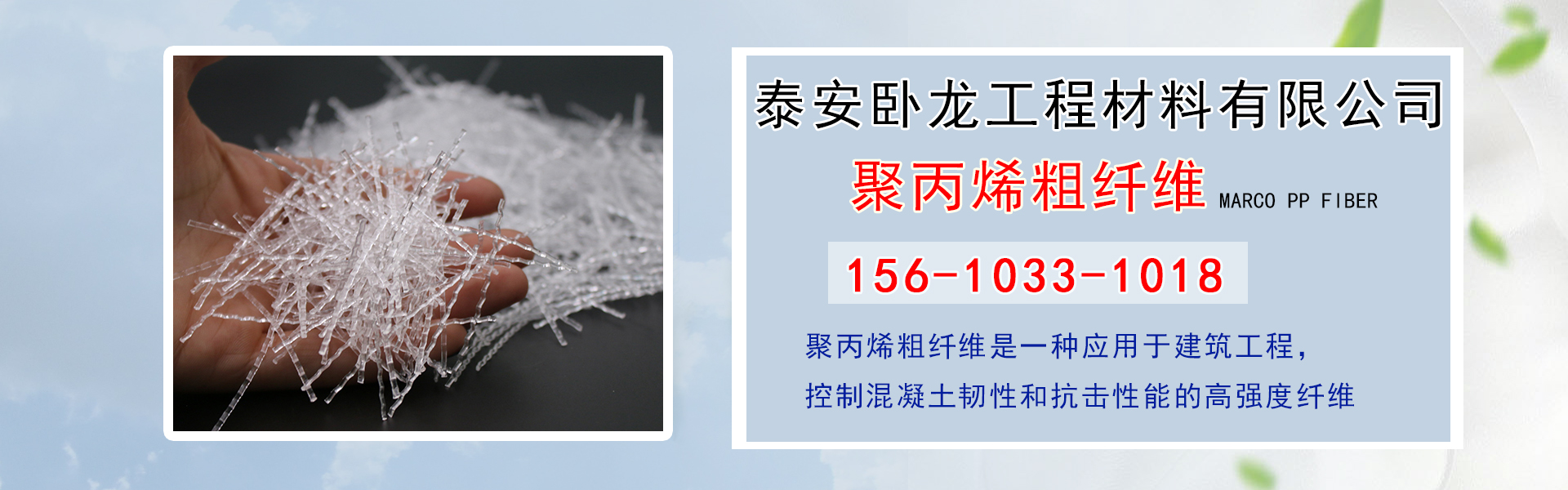
Polypropylene mesh fiber
Negotiable
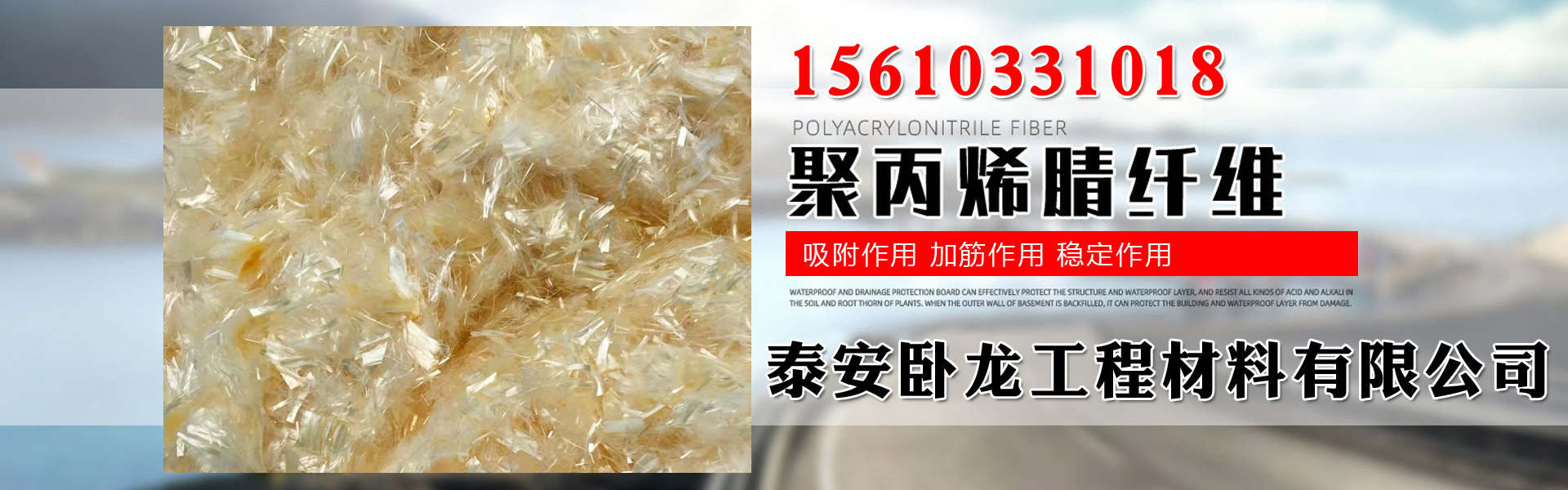
Polyacrylonitrile fiber
Negotiable
Basalt fiber
Negotiable
Polypropylene mesh fiber
Negotiable
Polyacrylonitrile fiber
Negotiable
 Woven Polyester Geotextile Mesh
Negotiable
Woven Polyester Geotextile Mesh
Negotiable
Geosynthetic membranes are made by bonding a plastic film, primarily used as a waterproofing base material, with non-woven fabric. The new material geosynthetic membranes rely mainly on the waterproofing properties of the plastic film. The main plastic films used for waterproofing applications worldwide are polyvinyl chloride (PVC), polyethylene (PE), and EVA (ethylene/vinyl acetate copolymer). In tunnel applications, ECB (ethylene acetate vinyl modified asphalt blended geosynthetic membrane) is also used. These are high-molecular-weight, flexible, chemical materials with low density, high extensibility, high adaptability to deformation, good corrosion resistance, and excellent low-temperature and frost resistance properties.
Geotextile membrane is a waterproof and barrier material made primarily from high molecular polymer.
Primarily categorized into: Low-Density Polyethylene (LDPE) Geomembrane, High-Density Polyethylene (HDPE) Geomembrane, and EVA Geomembrane.
The primary mechanism involves using the impermeability of plastic film to block leakage pathways in earth dams, with its high tensile strength and elongation to withstand water pressure and accommodate dam deformation. Non-woven fabric, also a high molecular short fiber chemical material, is formed through needle-punching or heat bonding, offering high tensile strength and elongation. When combined with the plastic film, it not only enhances the film's tensile strength and puncture resistance but also, due to its rough surface, increases the friction coefficient of the contact surface, benefiting the stability of the composite geomembrane and protective layer. Additionally, they exhibit good resistance to bacterial and chemical侵蚀, fear no erosion from acids, alkalis, or salts, and have a long service life when used in light-shielding conditions.

Phone Consultation