

Product Details

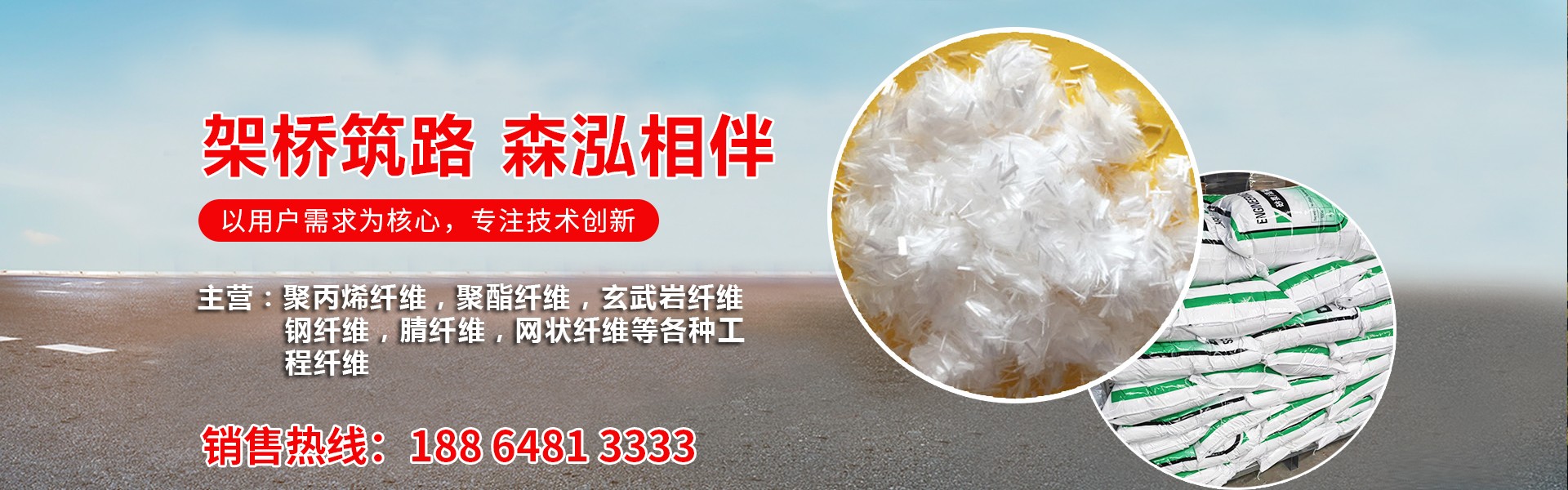
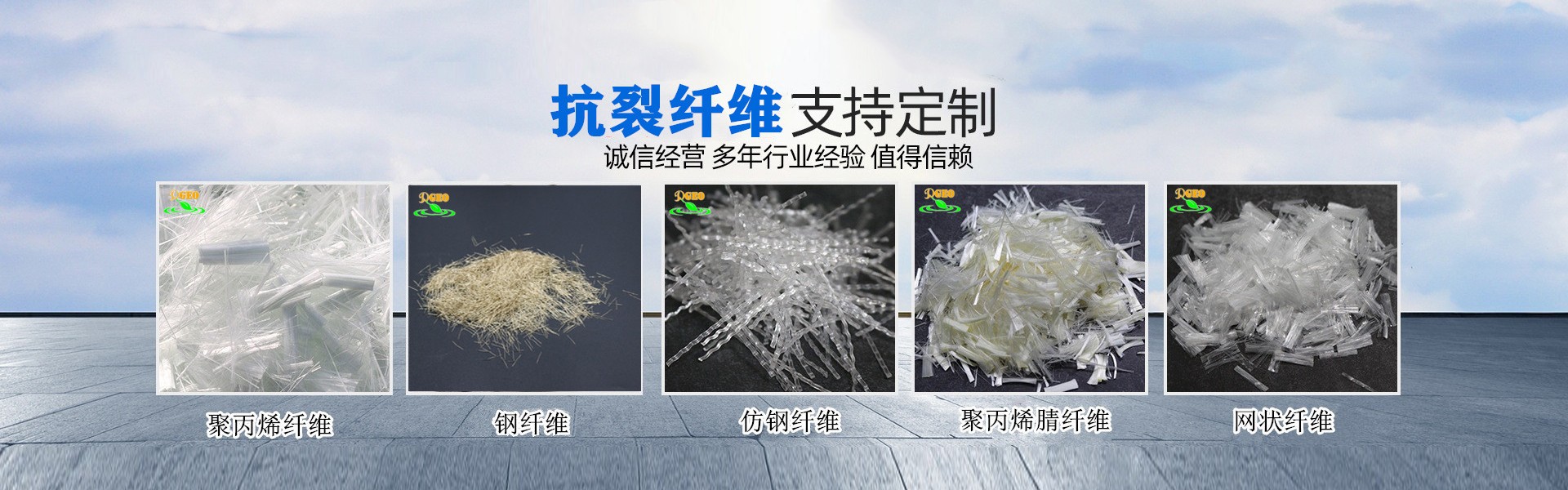
Polypropylene fibers, crack-resistant fibers, jet yarn, basalt fibers, steel fibers, polyester fibers, etc.



价 格Negotiable
最小起订0 Piece库存0 Piece
 Business Card
Negotiable

Negotiable

Negotiable

Negotiable
 Vinyl Alcohol Fiber
Negotiable
Vinyl Alcohol Fiber
Negotiable
 PVC fiber
Negotiable
PVC fiber
Negotiable
 Polyester fiber
Negotiable
Polyacrylonitrile Fiber
Negotiable
Polyester fiber
Negotiable
Polyacrylonitrile Fiber
Negotiable
 Vinyl Alcohol Coarse Fiber
Negotiable
Polypropylene mesh fiber
Negotiable
Vinyl Alcohol Coarse Fiber
Negotiable
Polypropylene mesh fiber
Negotiable
 Polypropylene fiber
Negotiable
Polypropylene fiber
Negotiable
 Glass Fiber Reinforcement
Negotiable
Glass Fiber Reinforcement
Negotiable
 Cellulose fiber
Negotiable
Polypropylene fiber
Negotiable
Cellulose fiber
Negotiable
Polypropylene fiber
Negotiable
Polyester fiber, commonly known as "Dacron." It is a synthetic fiber obtained by spinning a polyester made from organic dicarboxylic acids and diols, abbreviated as PET fiber, and belongs to high molecular compounds. Invented in 1941, it is one of the major types of synthetic fibers. The advantages of polyester fiber include excellent wrinkle resistance and shape retention, as well as high strength and elasticity recovery capabilities. It is durable, wrinkle-free, and non-static.
Polyester fibers possess a range of excellent properties, such as high tensile strength and modulus of elasticity, moderate resilience, excellent heat-setting effects, good heat and light resistance. The melting point of polyester fibers is around 255°C, with a glass transition temperature of approximately 70°C. They maintain shape stability under a wide range of applications, offering washable wearability. Additionally, they exhibit resistance to organic solvents, soaps, detergents, bleaches, and oxidizers, as well as good corrosion resistance, remaining stable against weak acids and alkalis. This makes them suitable for both extensive clothing and industrial uses. The rapid development of the petroleum industry has also provided a more abundant and inexpensive raw material source for polyester fibers. With advancements in chemical, mechanical, and electronic self-control technologies in recent years, the production of raw materials, fiber shaping, and processing have gradually become short-range, continuous, automated, and high-speed. Polyester fibers have become a type of synthetic fiber with rapid development and high yield. In 2010, the global production of polyester fibers reached 37.3 million tons, accounting for 74% of the total synthetic fiber volume in the world.


Phone Consultation