


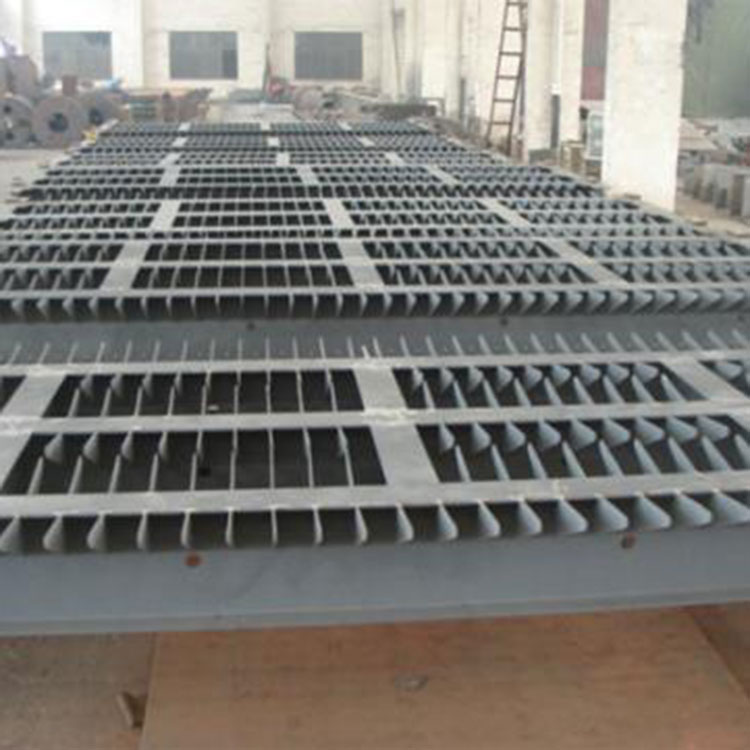
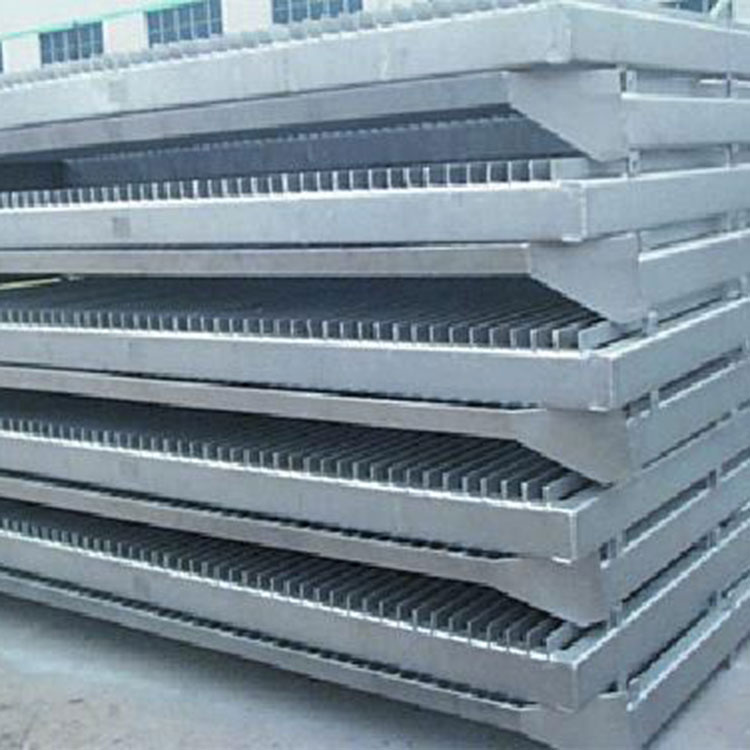
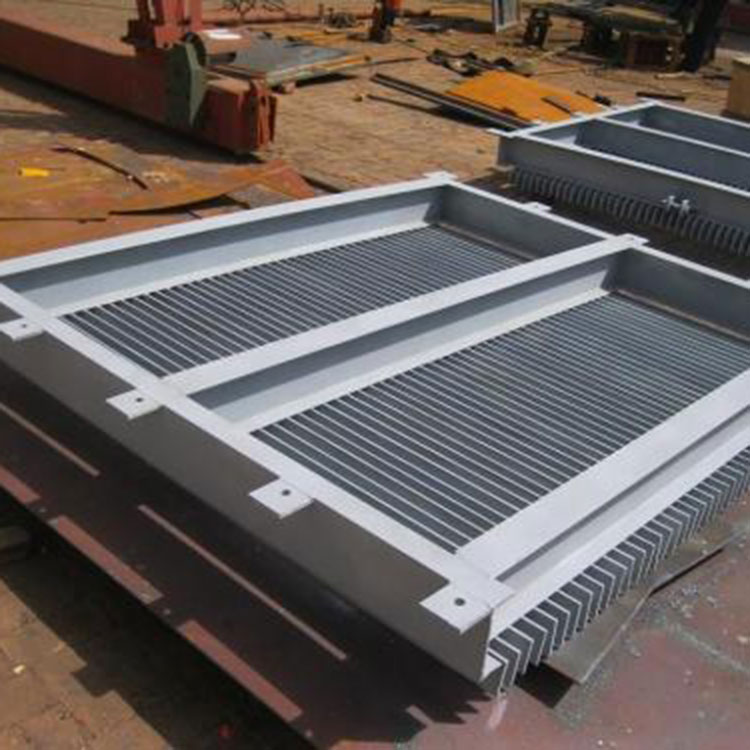
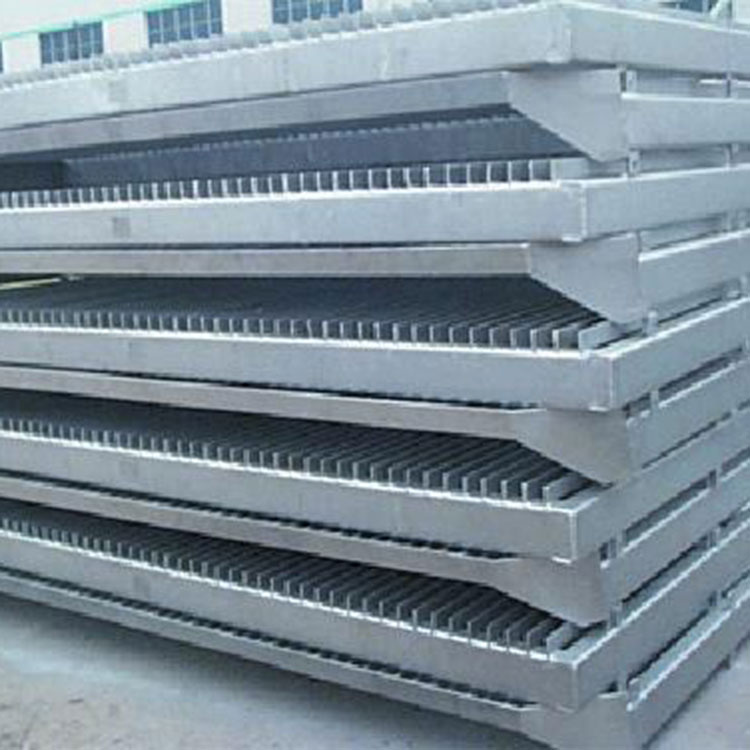
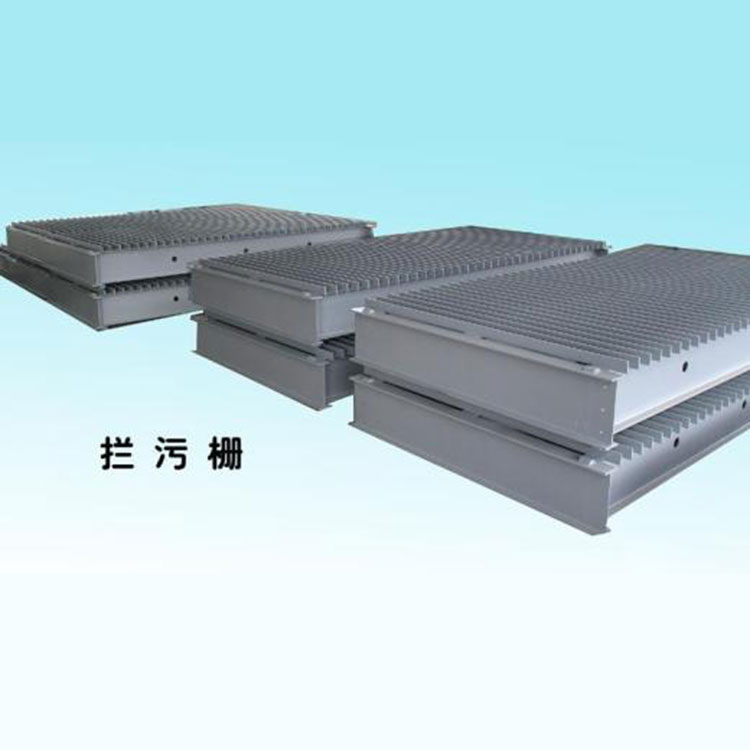
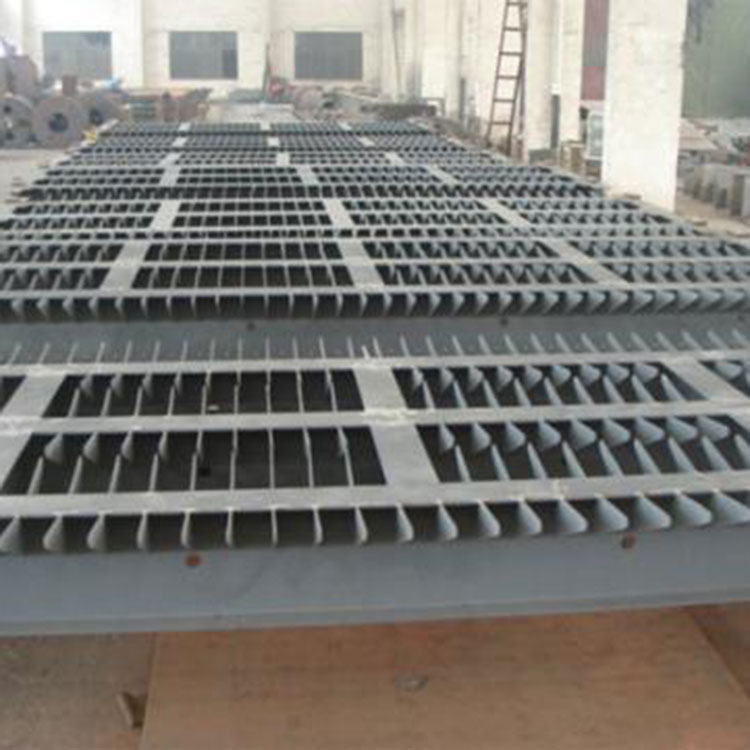
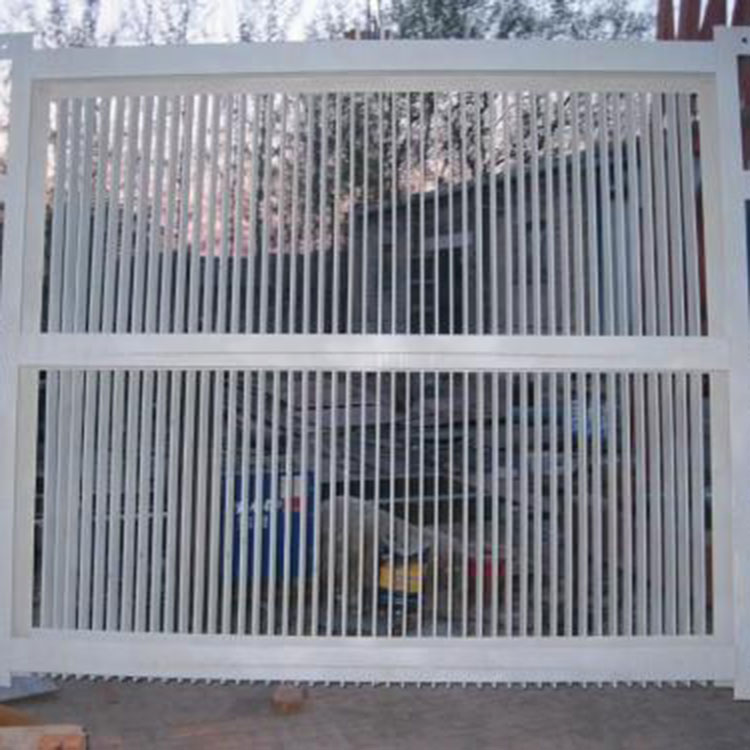
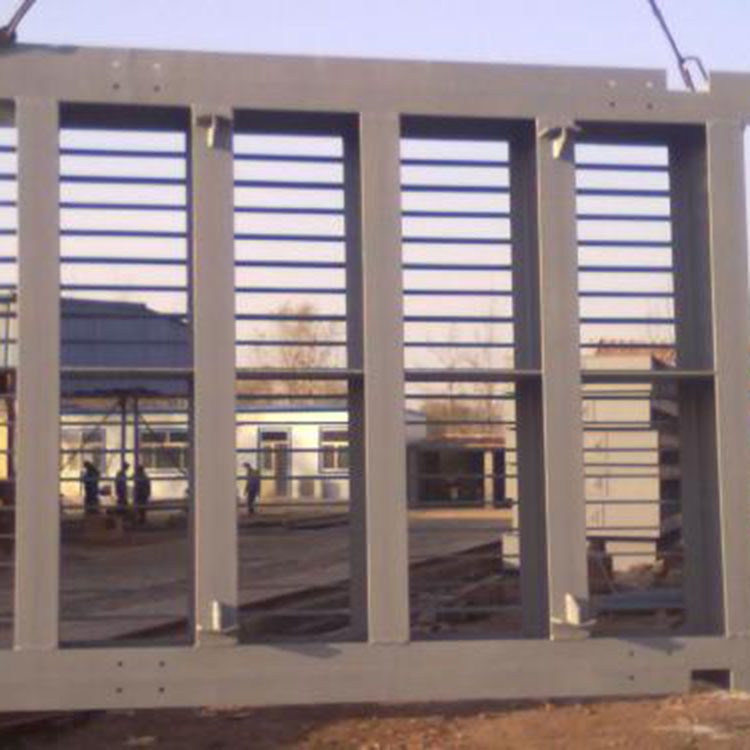
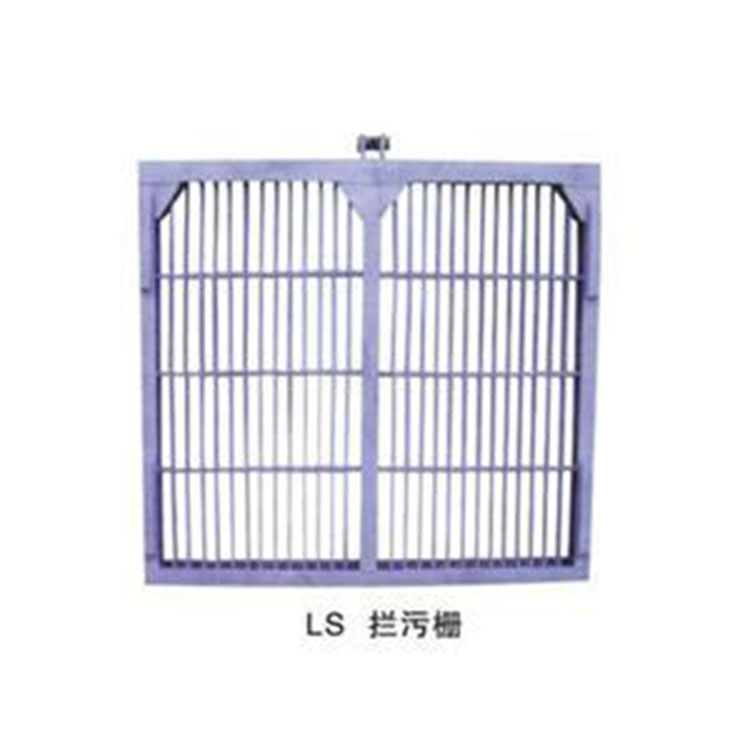
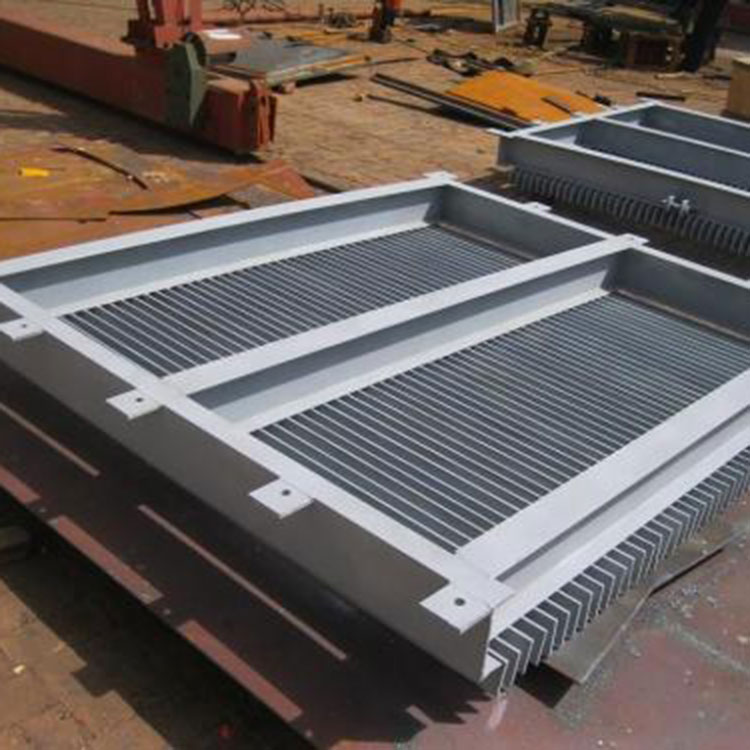
Silt traps are typically installed at the intake of the power unit, primarily to prevent debris like branches, weeds, floating objects, and aquatic plants from entering gates, valves, turbines, etc., thus safeguarding the equipment and ensuring the normal operation of the power generation facilities. In hydroelectric power stations, there are usually two silt traps: one is a floating silt trap, usually located upstream near the intake, which can float up and down with the water level; the other is a fixed silt trap (removable), usually positioned at the intake. During operation, it's crucial to clean the debris on the silt traps promptly to minimize water energy loss and prevent collapse due to debris buildup. In conjunction with major maintenance shutdowns, inspect and repair the silt traps, checking for loose or deformed lattice, welding issues, and whether the zinc coating or paint on the metal surface has peeled or rusted, and apply anti-corrosion treatment as needed. Generally, maintenance should be performed every 3 to 5 years.
