

- AllProduct Category
-
Aluminum Pump
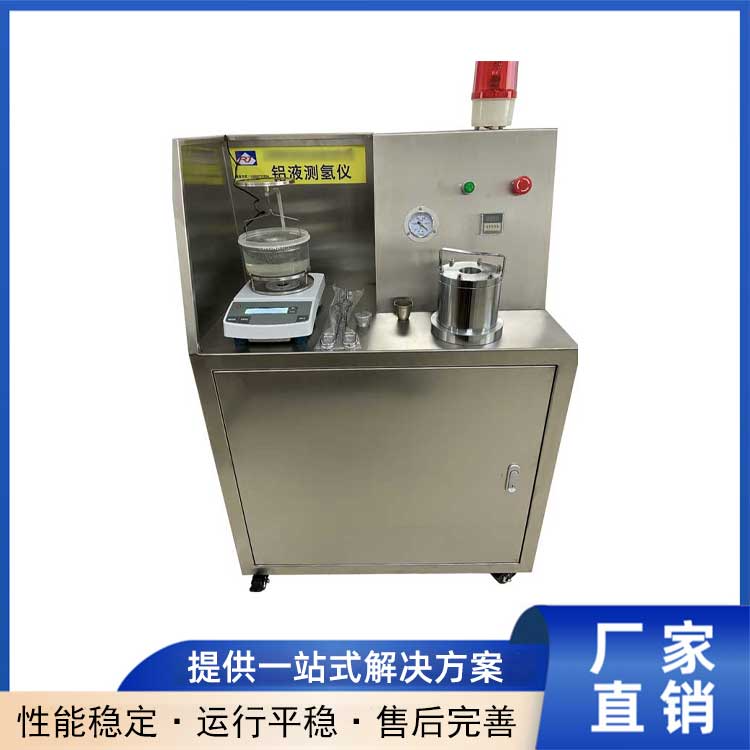
Aluminum Liquid Density Equivalent Meter
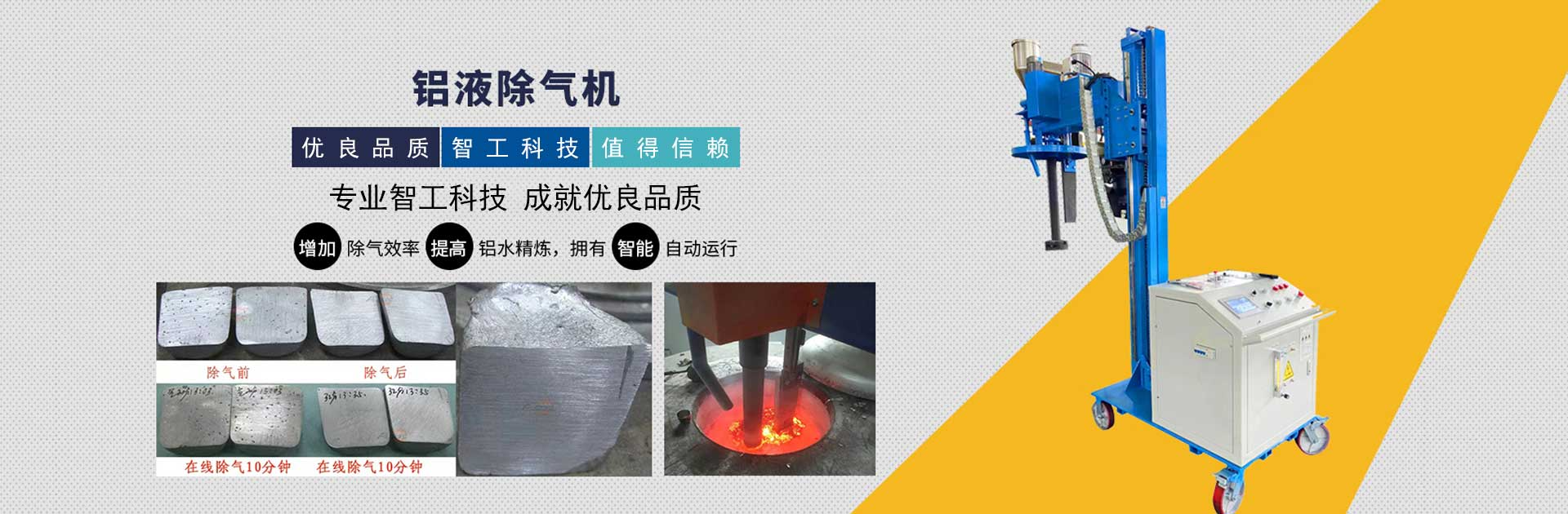
De-gassing Machine for Aluminum Melt/Line
Aluminum Melt Hydrogen Analyzer/Series



详情描述
I. Application
The presence of hydrogen gas, the only gas in significant quantity in the aluminum melt, along with various inclusions, makes aluminum castings highly prone to defects like pinholes and micro-porosity, significantly reducing the mechanical properties and internal quality of the casting.
·The hydrogen tester is an indicator that comprehensively reflects the purity of metal, thereby detecting the cleanliness of aluminum liquid (including gas content and slag content).
·The Aluminum Melt Hydrogen Analyzer is used to measure the density equivalent value of aluminum alloy samples, detecting the actual purity (compactness) of the aluminum alloy samples, thereby accurately and quantitatively reflecting the effects of hydrogen and various inclusions in the aluminum melt on aluminum alloy castings.
·The Aluminum Liquid Hydrogen Analyzer is an ideal practical tool for quality control in the production of aluminum alloy casting, assessing degassing, refining effects, the quality of molten aluminum, and the refining process.
Easy to operate, suitable for on-site melting inspection, especially for foundry or aluminum processing facilities with multiple holding furnaces, such as aluminum castings and aluminum profile processing.
II. Terms of Use
The Aluminum Melt Hydrogen Analyzer is suitable for the following work environments:
Not exceeding an altitude of 1500m.
2. The environmental temperature is within the range of 0~90℃.
3. No conductive dust, explosive gases, or corrosive gases capable of severely damaging metals and insulation are present. All electrical equipment should not be damaged by physical and chemical operations (such as environmental heat effects, humidity, etc.) during normal operation.
4. Indoor use.
III. Instrument Features
Absolute Pressure Value Display:
Absolute value pressure display, featuring a Japanese-imported digital pressure gauge, and equipped with a precision U.S.-made absolute pressure sensor for signal collection. Traditional pointer-type pressure gauges are affected by pressure variations due to altitude differences between regions; the pressure value indicated by the device changes with altitude. However, by using an absolute pressure sensor, our equipment can accurately display the true pressure value regardless of its location.
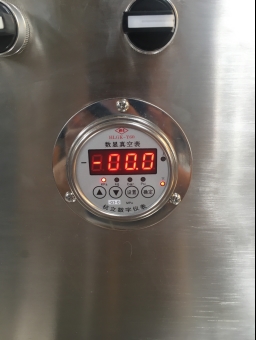
Digital Pressure Gauge
2. Durable and robust vacuum cover
The vacuum chamber does not use a full-glass bell jar, eliminating concerns of damage; it is machined from aluminum alloy material, combined with a 10mm thick high-temperature glass and a high-temperature sealing gasket, offering advantages such as shock resistance, rapid heat dissipation, and resistance to high temperatures up to 100℃; Additionally, due to the high-temperature transparent glass used at the top of the vacuum cover, the process of sample preparation can be easily observed inside the vacuum chamber, just as conveniently as with a glass bell jar.
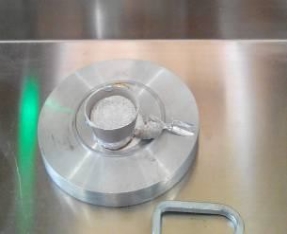
Vacuum cover
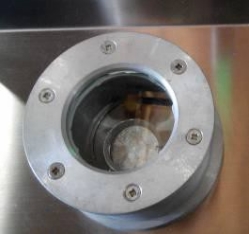
Vacuum Chamber Base
3. Easy-to-move casters
Convenient portable structure for detecting gas content in aluminum melt at various fixed positions; versatile use. Equipped with four polyurethane casters for minimal vibration during movement; the front wheel features a braking function, allowing for easy immobilization at work stations to prevent unauthorized movement during operation.
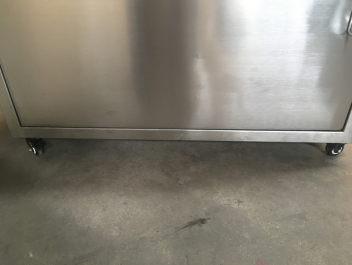
Mobile casters
4. Sample Cooling System:
Due to the high temperature of the sample immediately after being produced, natural cooling is too slow. Using water cooling at the casting site is also too dangerous; therefore, the CQY-1000 hydrogen tester is equipped with an air cooling system, specifically designed for rapid cooling of the samples. This not only shortens the cooling time and improves efficiency but also ensures safety at the casting site.
5. High-temperature-resistant 304 stainless steel countertop:
The hydrogen tester, operating in the foundry, is at risk of being damaged by accidental spills of aluminum liquid or other corrosive substances, leading to surface deformation, discoloration, and making the equipment appear dirty and worn, affecting the company's image. In contrast, our CQY-1000 hydrogen tester features a brushed stainless steel surface that resists minor spills of aluminum liquid, maintains its shape and color, offers excellent corrosion resistance, and is easy to clean, keeping the equipment looking new at all times.
6. Excellent Output:
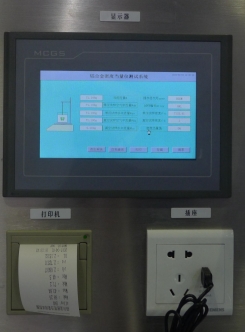
Equipped with a 7-inch computer monitor, it clearly displays all test results; a printer is also included, allowing users to choose whether to print the test results. The system features a USB output interface, enabling the export of historical data at any time for analysis in other systems.
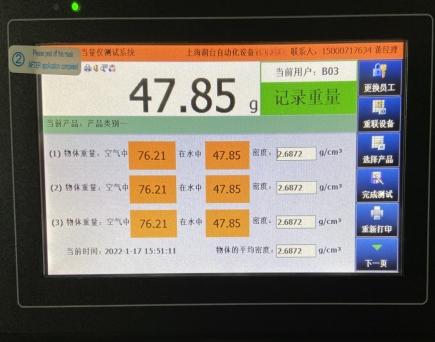
7-inch computer monitor
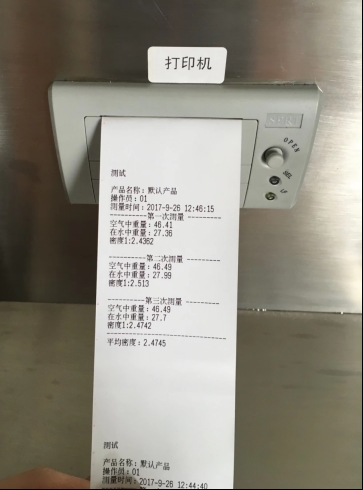
Printer
7. Testable: Measure the reduced density of samples, make reduced pressure test samples, multi-functional in one machine.
8. Fast analysis speed. Under field conditions, quality analysis of aluminum melt can be completed within 5 minutes.
9. Test results are authentic and reliable, with good reproducibility. By integrating various analytical methods, we can accurately assess the quality of aluminum liquid, providing a truly reliable guide for production.
10. The aluminum alloy density tester employs a method of magnifying defects in the aluminum liquid to judge its quality. Therefore, this instrument allows for more precise and accurate aluminum liquid quality testing.
11. Quantitative Testing. Eliminate ambiguity and uncertainty in conventional methods such as the solidification state method for routine samples and the observation method for sample cross-sections.
12. Easy to operate and safe to use. No extensive experience is required for the operator; with a brief training, one can use it correctly.
13. Self-contained data calculation and storage.
14. Self-check function: If the operator places the samples in the wrong sequence, the system will automatically detect and prompt. If permitted by the user, the system can automatically swap the measured data.
Section 4: Calculation of Density Index
1. Density Equivalent (DI) Definition:
Prepare two aluminum alloy specimens, one凝固 at atmospheric pressure, then measure the specimen density pa. The other is凝固 under reduced pressure conditions (a certain vacuum degree), then measure the specimen density pb. Calculate the specimen density equivalent from these two densities.
Formula: Dl = (pa - pb) / pax100% = (1 - pb/pa) x 100%
During the process of obtaining specimens under a certain degree of vacuum, the aluminum liquid undergoes expansion of internal voids and shrinkage due to the balancing effect of internal and external pressures. Theoretically, the values of specimens prepared under normal pressure and reduced pressure conditions for absolutely pure aluminum liquid are the same, i.e., pb=pa, Dl=0; the purer the aluminum liquid, the closer pb is to pa, meaning the DI value is smaller. In other words, the smaller the DI value, the better the quality of the aluminum liquid, and it can be concluded that the size of the DI value can accurately judge the overall quality of the aluminum liquid.
V. Instrument Composition
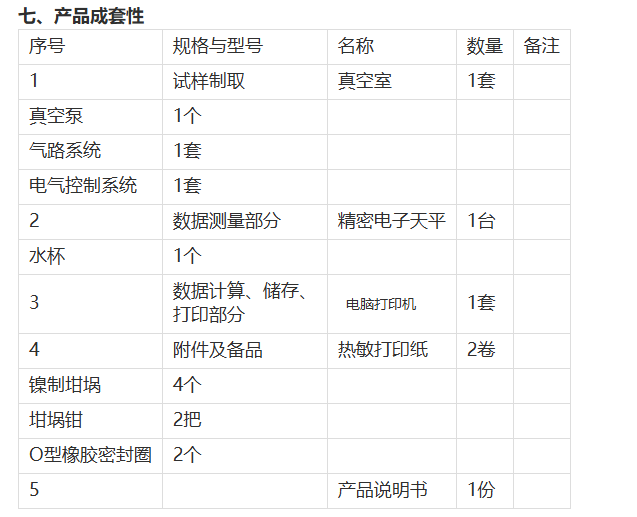
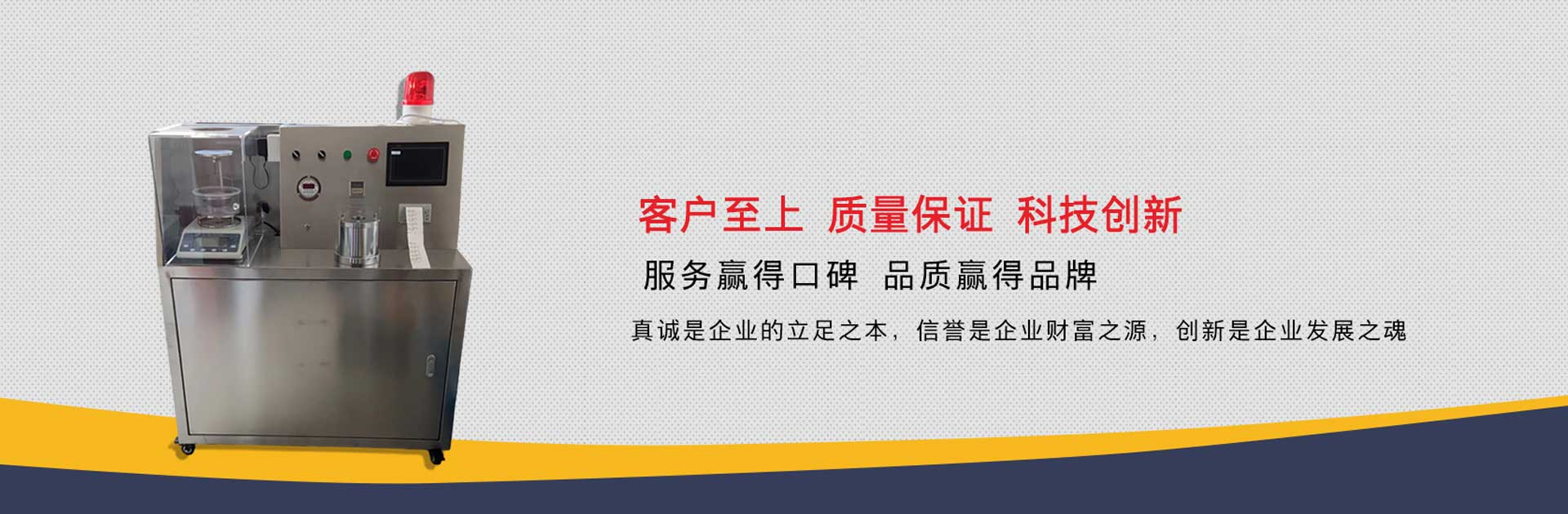
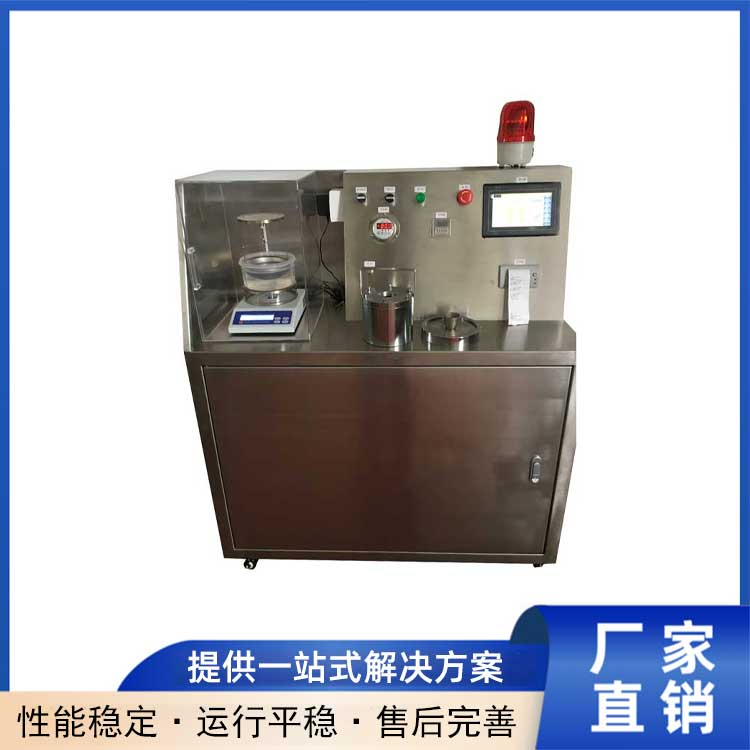
The RT-CQY-1000 hydrogen tester mainly includes: Sample Preparation System section and Data Terminal.
5.1 Sample Preparation System: Some sample preparation is divided into two processes: normal pressure extraction and vacuum reduction extraction. Both processes collect the same type of aluminum liquid at the same time.
5.1.1 Component Parts. The pressure-reducing test sample acquisition device consists of several parts, including the vacuum system, frame, and electrical control system.
A. Vacuum System. Includes: vacuum pumps, vacuum solenoid valves, vacuum chambers, pressure regulators, and vacuum pressure gauges. The vacuum chamber is located above the instrument, consisting of a vacuum cover and a lower sealed flat plate. The vacuum cover does not use a glass bell jar, eliminating concerns of damage.
B. The rack structure features a rigid framework for securing the vacuum system and other components. Equipped with four load-bearing casters below for easy mobility.
C. Electrical Control System. The vacuum pressure sensor transmits the pressure signal of the vacuum chamber to the pressure gauge, converting it into a digital signal for display; the control panel features two control buttons and a timer relay. By pressing the switch button, you can control the start/stop of the vacuum pump and the opening/closing of the solenoid valve, automatically completing operations such as vacuum extraction.
5.1.2 Sample Preparation Process.
A. Vacuum Sample Preparation. A preheated crucible (coated with paint for nickel crucibles) is used to carefully extract a small amount of aluminum melt (approximately 100g) from the core of the aluminum melt to be tested. The crucible is immediately placed into the vacuum chamber (within less than 15 seconds). The vacuum chamber is rapidly evacuated to reach a certain vacuum level (usually 8kPa), and the aluminum melt in the crucible cools and solidifies, producing a vacuum sample.
B. Using a preheated crucible (coated with paint for nickel crucibles), carefully extract a small amount of aluminum melt (about 100g) from the core of the aluminum melt to be inspected. Place the crucible on a normal pressure testing stand, cover it with a lid (to prevent external factors from affecting the cooling rate), and allow the aluminum melt in the crucible to cool and solidify naturally, thus obtaining a normal pressure test sample.
5.2 Data Terminal
5.2.1 Components: Divided into data measurement section and data calculation, storage, and printing section.
A. The data measurement section consists of a precise electronic balance, sample holder, beaker, etc.
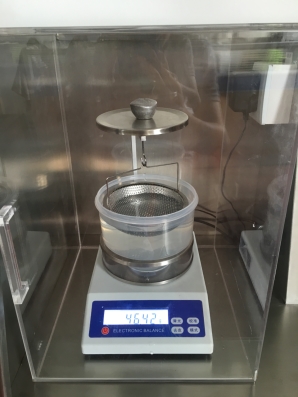
High-precision balance
B. Data Processing Section. Comprising of a display screen, printer, storage port, mouse, and other components.
Section 6: Technical Requirements
·Power Supply: 220V/50Hz
· Total Power of Instrument: <500W
· Ultimate vacuum degree: 3 kPa (Absolute vacuum pressure is 30 mba, relative to 1 atmosphere is -0.097 MPa)
· The vacuum level can be adjusted between 50-100 mba.
· Vacuum degree control accuracy: ±0.2 kPa.
· Sample preparation time: <5 min
· Time to ultimate vacuum: ≤4S
· Maximum temperature in the vacuum chamber: 150℃
· Vacuum pressure gauge with digital display
· Vacuum time display: 3 minutes
· The vacuum chamber cover is equipped with high-intensity heat-resistant glass
·Actual measurement accuracy of density index value: <0.02
· Measured density index repeatability < 0.02 (Note: Equipment detection accuracy)
·Measurement Range of Electronic Scale: 500g
·Measurement results indicate accuracy: 0.01
·Measurement Repeatability: ±0.001g
·Measurement Response Time: Approximately 2S
Automatically calculate density and quickly display the density value and density equivalent value
· The electronic component box features a sealed dustproof design.