
 Glass Fiber Reinforced Plastic (GFRP) Vertical Storage Tank
 玻璃钢立式储罐厂家
 Glass-fiber Lateral Storage Tank
 Glass-Fused-to-Steel Horizontal Storage Tank
 Fiberglass Water Tanks
 玻璃钢储水罐厂家
 Glass-Fiber Reinforced Plastic Water Tanks Supply
Product Details

Manufacture, sell, and install environmental purification equipment, wrapped ...

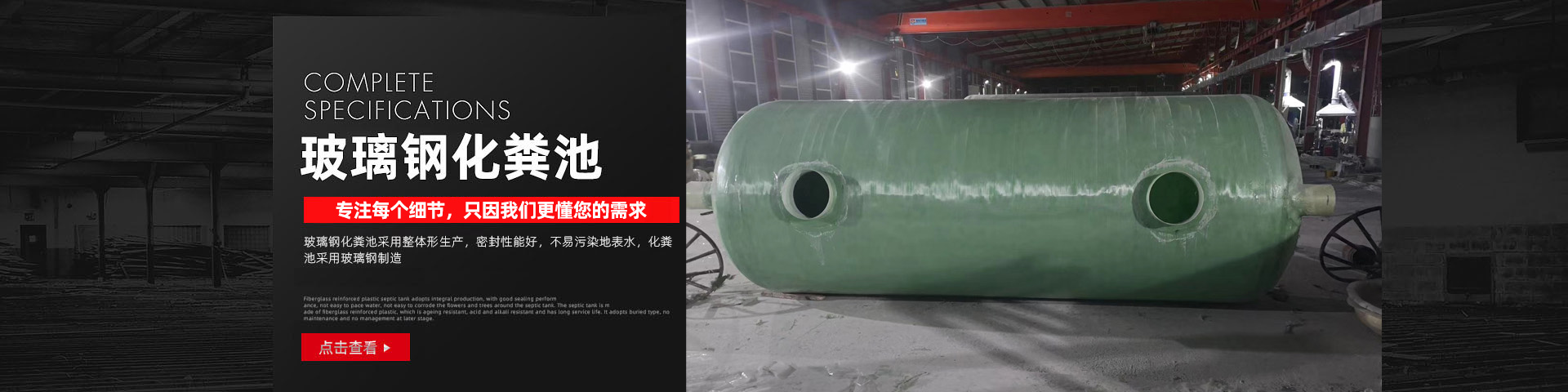



产品Price 19300.00/Tai
最小起订Quantity:1 Tai 供货总Quantity: 999 Tai


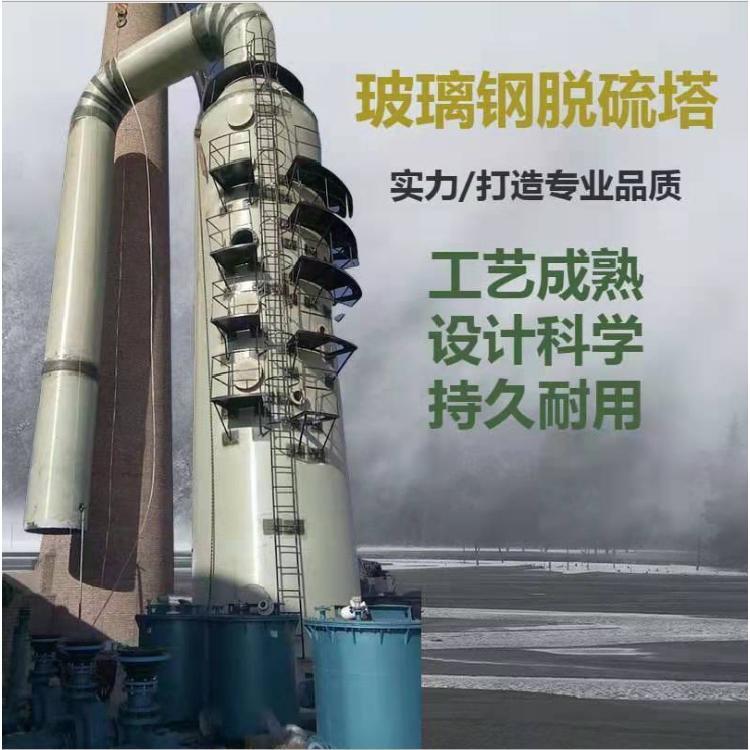
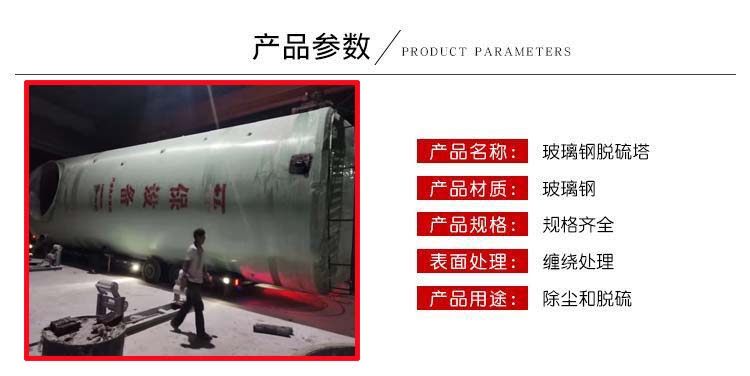
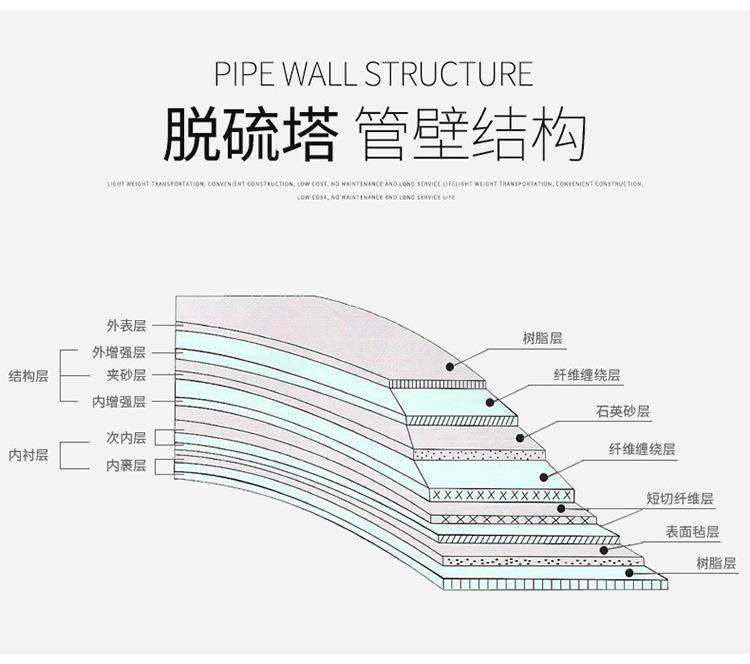
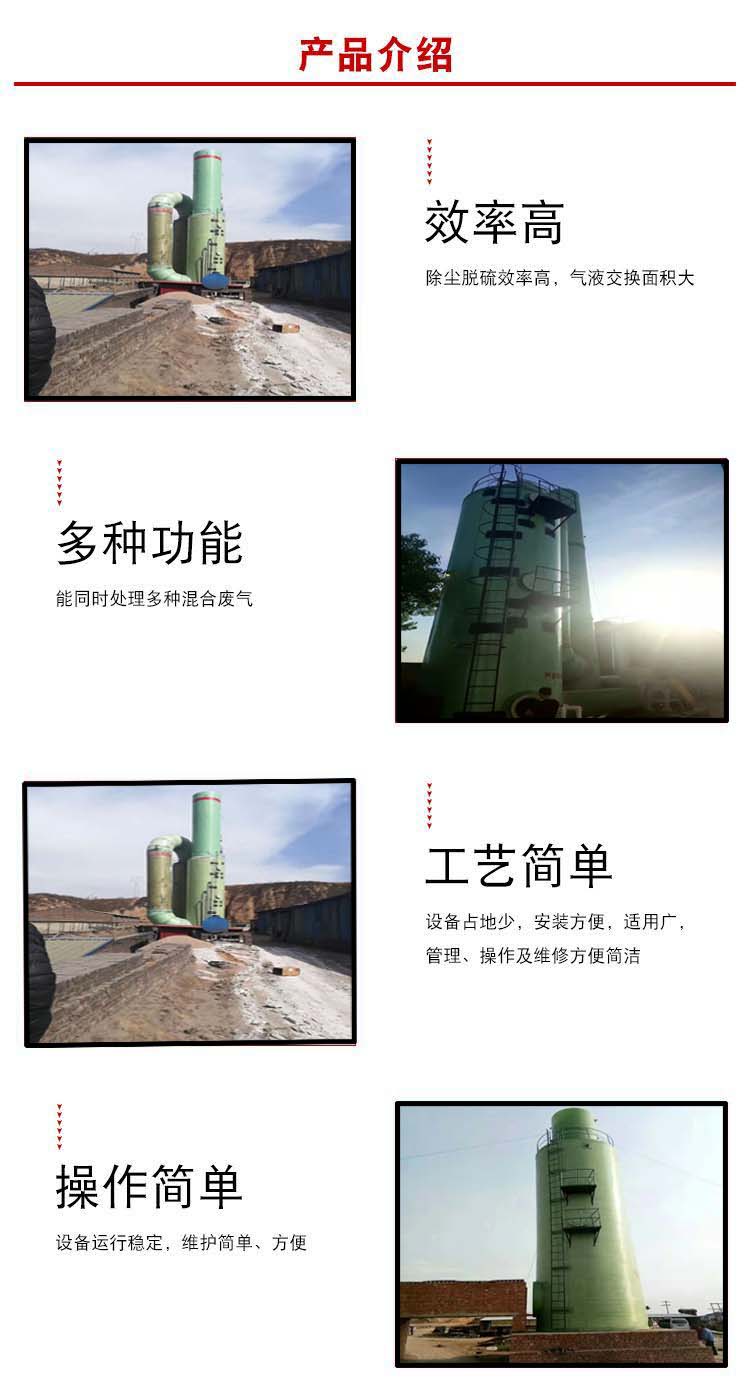
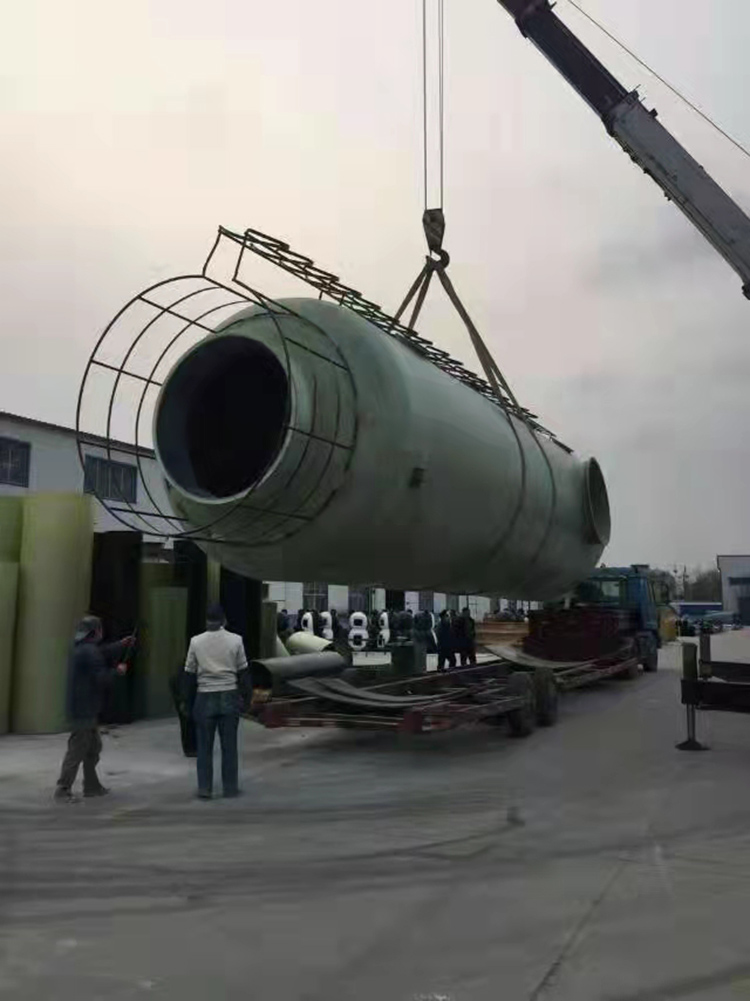
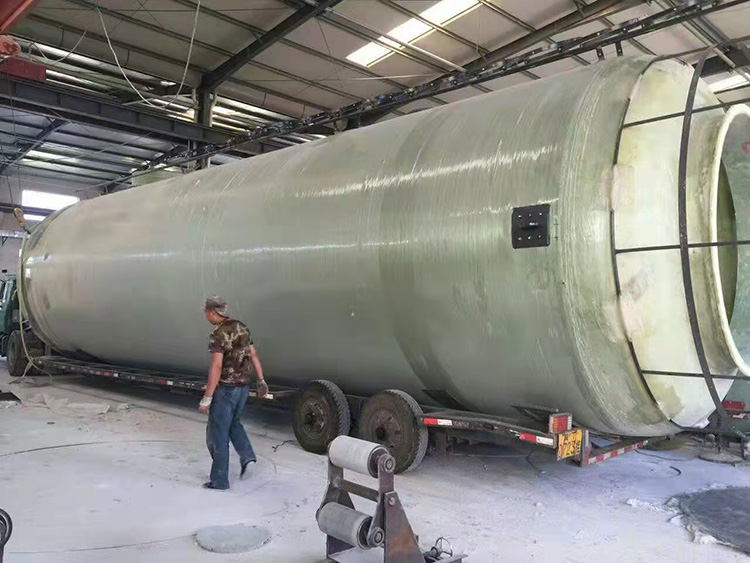
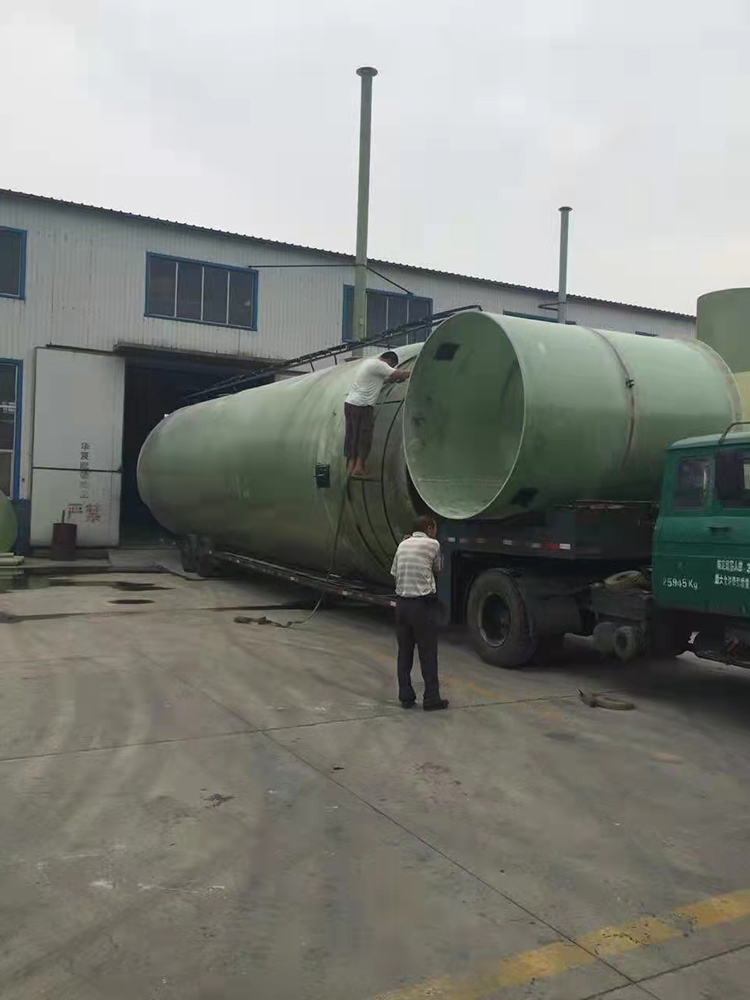
Key Features of Glass Fiber Desulfurization Tower: 1. The Glass Fiber Reinforced Plastic (GFRP) desulfurization tower is a new type of fiber-reinforced plastic composite material, made by winding synthetic resin and glass fiber. Due to its chemical resistance and lower cost compared to nickel alloys, our company has achieved excellent results by using GFRP in many wet desulfurization systems. The entire process from flue gas inlet to outlet has successfully applied FRP materials. 2. The glass fiber reinforced plastic (FRP) sulfur towers and internal components offer excellent physical and mechanical properties, with a density of 1.8-2.1 g/cm³, tensile strength of 160-320 MPa, axial bending strength of 140 MPa, interlaminar shear strength of 50 MPa, tensile modulus of 25 GPa, shear modulus of 7 GPa, bending modulus of 9.3 GPa, Barcol hardness of 40, Poisson's ratio of 0.3, elongation at break of 0.8-1.2%, and thermal expansion coefficient of 11.2*10^-6 /℃。 3. The FRP pipes and accessories in the internal spray system of the absorption tower have at least a 2.5mm thick wear-resistant liner. Standard glass pipes, when lined with a rich resin, can withstand the wear of slurry containing solid particles less than 150μm and flow rates below 2m/s. The wear resistance of FRP can be enhanced by adding wear-resistant fillers (such as SiO2, SiC, ceramic powder). The bend radius of FRP should be at least three times the diameter or have an internal bend radius of at least 25mm. 4. The FRP column tower boasts physical properties such as resistance to chemical corrosion and alternating dry and wet conditions, thus its service life can reach 20 years. Brick factory desulfurization towers, brick factory flue gas desulfurization towers, brick factory flue gas desulfurization and dust removal units, double firing tunnel kiln brick factory flue gas desulfurization towers, tunnel kiln desulfurization and dust removal units, corrosion-resistant brick factory desulfurization towers, double firing tunnel kiln flue gas desulfurization projects, brick kiln desulfurization towers, coal gangue flue gas dust removal and desulfurization towers. Equipment Resistance: <1100 Pa Inlet Temperature: 280°C Desulfurization efficiency up to 96% and above Service Life ≥ 15 years Desulfurization tower process principle: Brick factory-specific wet flue gas desulfurization and dust removal equipment utilizes a wet desulfurization and dust removal technology developed based on the strong mass transfer mechanism of multiphase turbulent flow. It combines centrifugal water film dust removal with spray沸腾 desulfurization and dust removal into one unit. The flue gas containing dust and harmful gases is accelerated by a specially designed swirl plate separator and sprayed into the atomized liquid, which collides with the desulfurization neutralizing liquid sprayed from the top of the tower, forming a swirling force. The gas and liquid are rapidly spun, fully mixed, and rise into the boiling reaction layer. The dust and harmful gases in the flue gas are captured and absorbed by the fine liquid particles in the desulfurization liquid. Due to the large number of interfaces generated by the atomized liquid particles, the efficiency of capturing and absorbing dust and harmful gases per unit volume of liquid is high. After reaching the standard purification, the flue gas is discharged into the atmosphere through a dewatering unit, induced draft fan, and chimney. Technical specifications: Desulfurization efficiency (%) ≥98, Dust removal efficiency (%) ≥98, Lingenmann blackness (grade) ≤1, Liquid-gas ratio (L/m3) 0.8~1.5, System resistance (Pa) <800. Technical features: Integrated desulfurization and dust removal, compact structure, small equipment footprint, low investment cost; Desulfurizing agents can be soda ash-calcium oxide, slag water-magnesium oxide, slag water-lime, or other alkaline wastewater; Simple system operation, stable operation, easy maintenance; Corrosion-resistant, adaptable to strong, suitable for all sizes of vertical and horizontal chain grate boilers, kilns, brick factory tunnel kiln flue gas desulfurization and dust removal, brick factory coal gangue flue gas dust removal and desulfurization, also suitable for high dust concentration smelting furnaces, sawdust fuel boilers, straw fuel boilers, wood fuel boilers, heavy oil fuel boilers, waste plastic fuel boilers, and other difficult-to-treat flue gases. Application range: Wet flue gas desulfurization and dust removal equipment is suitable for coal-fired boilers in various industries. Glass Fiber Dreg Desulfurization Unit Working Principle: Desulfurization is a technology to control sulfur dioxide emissions. The dust collector not only removes sulfur dioxide from flue gas but also produces high-value-added ammonium sulfate fertilizer products. This boiler dust removal equipment uses a certain concentration of ammonia water (for example, 28%) as a desulfurizing agent, generating an ammonium sulfate slurry that is transported to the fertilizer plant's treatment system. The amount of ammonia water required for the desulfurization process is automatically regulated by a preset pH control valve and measured by a flowmeter. The ammonium sulfate crystals are crystallized from the saturated ammonium sulfate slurry in the desulfurization dust collector, producing suspended particles with a weight ratio of about 35%. These slurry is then pumped to the treatment site, where it undergoes primary and secondary dewatering, followed by further dewatering, drying, condensation, and storage at the fertilizer plant. While the boiler dust removal equipment desulfurizes flue gas, it also generates considerable by-products, achieving certain economic benefits. Desulfurization and dust removal unit features: 1. Washing principle, high efficiency in dust and desulfurization, capturing more harmful gases. The flue gas purifier integrates desulfurization and dust removal, using a spray method with uniquely designed nozzles. These nozzles are made of glass fiber reinforced plastic using American technology, and under certain water pressure, they喷射出 dense layers of mist. The dust, harmful gases, and mist are fully contacted, thus significantly improving the efficiency of dust removal, desulfurization, denitrification, and washing of carbon black compared to other wet scrubbers. Dust removal rate ≥ 98%, sulfur dioxide removal rate ≥ 98%, flue gas Ringelman blackness < 1 level. 2. The dehydrator design is rational and unique, offering excellent dehydration performance. The drum is equipped with a dehydration unit. The dehydrator plates are designed with rationality and uniqueness, where the mist is collided, deflected, and flows down the drum wall upon passing through the dehydration unit, preventing secondary water carryover, and achieving high dehydration efficiency. 3. Low resistance, water and energy-saving, low operation cost. Flue gas is naturally introduced from the bottom of the cylinder, with a large cross-section and low wind speed, resulting in low resistance. The main resistance is ≤600Pa, and the system resistance is ≤1200Pa. Due to the low resistance, the power consumption is also reduced. Furthermore, the discharged water is沉淀and reused in a closed loop, saving water resources and preventing wastewater from entering the sewers to cause secondary pollution. This achieves water and energy-saving effects, thereby reducing operation costs. 4. Compact in size, lightweight, and with minimal floor space, easy to install and transport. This product features a cylindrical shape and is a solid structure. It comes with a stand upon factory shipment, making installation and relocation extremely convenient. It can be installed in various ways, such as left-right hanging, overhead laying, etc., according to the size and ground conditions of the location, offering strong adaptability. 5. Easy to operate and convenient, with minimal maintenance, it is user-friendly, manageable, and easy to maintain, boasting high operational rates and adaptability to various work environments. 6. Strong adaptability to the fluctuation of SO2 concentration in flue gas; different desulfurization processes can accommodate varying sulfur content in different types of coal. Desulfurizing agents, such as lime, alkali, and magnesium oxide, can be chosen in various forms to achieve excellent desulfurization results. Desulfurization and dust removal equipment operation procedure 1. Check valves and circulating pumps before equipment operation. 2. Start the recirculating pump until water flows into the sedimentation pond from the overflow tank before turning on the exhaust fan. 3. Adjust the equipment water supply in real-time based on the boiler's operating conditions. 4. After the equipment is started, a dedicated person monitors the sedimentation pool water level and keeps an eye on the pH value, with the circulating pH maintained between 8-10. 5. While the boiler is shutdown, perform a comprehensive inspection and maintenance of the dust collector. Check for any blockages in the water supply lines, and open the ash outlet valve to thoroughly remove accumulated dust. 6. The recirculating pump series discharges a portion of the recirculated water weekly and supplements industrial water. 7. Sludge is removed promptly, resulting in clear effluent water quality. Flue Gas Desulfurization and Dust Removal Unit User Instructions 1. Dust collectors should generally not be supplied as ready-made products. Please refer to relevant data and information to facilitate the design of equipment and accessories that meet user satisfaction. 1) Boiler brand, exhaust gas volume, exhaust gas temperature, sulfur content in coal, and ash content. 2) Boiler tail smoke channel outlet size and elevation. 3) Blower model, room layout dimensions. 4) Local air emissions standards and design requirements for dust emission and removal. 5) Industrial water pressure and source conditions. 6) Comments on the operation and maintenance platform. 2. Installation Precautions: 1) The foundation for installation must be leveled to ensure the dust collector remains in a horizontal state. 2) The footer is securely intermittent welded to the foundation embedded iron. 3) Upon completion of the overall installation, before commissioning, the inlet door must be opened to check for any loosened or fallen internal components and abrasive linings, as well as any debris, and it must be immediately removed. 4) The deduster should be operated for at least 24 hours. 5) Prior to operation, start the fan and inspect the tightness of the casing flanges and all openings. Any air leaks should be promptly addressed. Magnesium Oxide Method Magnesium oxide desulfurization first mixes magnesium oxide powder with hot water to form an Mg(OH)2 slurry, which is then added to the absorption tower. The circulating washing slurry is pumped into the tower via a circulating pump to wash flue gas from the boiler through the spray network. The SO2 in the boiler flue gas reacts with MgO to form MgSO3, which is then oxidized to become MgSO4 solution. Specific reactions are as follows: Slurry Preparation: MgO + H2O = 2Mg(OH)2 Absorption Reaction: Mg(OH)2 + SO2 → MgSO3 + H2O MgSO3 + SO2 + H2O→Mg(HSO3)2 Mg(HSO3)2 + Mg(OH)2→2MgSO3 + 2H2O Oxidation Reaction: MgSO3 + 1/2O2 → MgSO4 Byproduct Recovery: MgSO4 + 7 H2O = MgSO4·7H2O Characteristics of Magnesium Oxide Method: 1. MgO is porous, highly active, and has a high reactivity. MgO has a higher reactivity than CaO, and Mg(OH)2 is more alkaline than Ca(OH)2. In the desulfurization process, MgO particles react with SO2 to form MgSO3 and MgSO4, which dissolve in water without affecting further reactions. 2. Utilizing magnesium-based desulfurization saves on investment compared to calcium-based desulfurization. This is because the weight of MgO is 71% of CaO and 40% of CaCO3, requiring less MgO to remove an equivalent amount of SO2. Additionally, the transportation, storage system, and maturation system for desulfurizing agents are also simplified compared to calcium-based systems. 3. The by-products of desulfurization have high solubility. The by-products, such as MgSO3 and MgSO4, have high solubility, and their solid suspended particles are loose fine powder, which is not easy to settle. Moreover, desulfurization occurs in a liquid state, eliminating issues like scaling, caking, abrasion, and blockage. 4. No secondary pollution. The by-product slurry from magnesium-based desulfurization is primarily a water solution of MgSO4 after aeration, which can be directly discharged into the sewage pipeline or sent through the power plant's original ash slurry pipeline to the ash field, without causing secondary pollution. 1. Our company ensures the normal operation of the desulfurization equipment by providing on-site installation and debugging services by our engineers. 2. Within one year of normal equipment use, any issues related to the equipment's quality will be addressed by our company free of charge, with a response within 12 hours. In emergencies, technical staff will be sent for on-site guidance. 3. We can provide technical training for your operators based on the actual situation, enabling them to quickly master the skills required for proper operation and maintenance of the equipment. The dual alkali method for flue gas desulfurization overcomes the drawback of scaling in the limestone-lime process. Traditional limestone/lime-gypsum flue gas desulfurization technology, which uses calcium-based desulfurizing agents to absorb sulfur dioxide and then generate calcium sulfate, is prone to scaling and blockages within the desulfurization tower and pipes due to its low solubility. Scaling and blockage issues severely affect the normal operation of the desulfurization system and can even severely impact the boiler system. To minimize the disadvantages of calcium-based desulfurizing agents, most calcium desulfurization processes require a corresponding forced oxidation system (aeration system), thereby increasing initial investment and operating costs. The use of inexpensive desulfurizing agents can easily lead to scaling and blockages, while the operation using sodium-based desulfurizing agents is too costly and the desulfurization products are difficult to dispose of. These contradictions are highlighted, leading to the emergence of the dual alkali flue gas desulfurization process, which effectively resolves these issues. Compared to the limestone or lime wet flue gas desulfurization process, the dual alkali method offers the following advantages: 1. Using NaOH for desulfurization, the recirculating water is essentially a NaOH aqueous solution, which minimizes corrosion and blockages in pumps, pipes, and equipment during the recirculation process, facilitating equipment operation and maintenance. 2. The regeneration of absorbents and the sedimentation of desulfurization sludge occur outside the tower, thereby avoiding blockages and wear inside the tower, enhancing operational reliability, and reducing operating costs; simultaneously, an efficient plate tower or packed tower can replace the empty tower, making the system more compact and improving desulfurization efficiency. 3. Sodium-based absorbent liquid has a fast absorption rate for SO2, allowing for a smaller liquid-gas ratio and achieving a higher desulfurization efficiency, usually over 90%. 4. For the desulfurization and dust removal integrated technology, it can improve the utilization rate of lime. Drawbacks include: The byproduct Na2SO4 from the oxidation of NaSO3 is difficult to regenerate, necessitating continuous addition of NaOH or Na2CO3, which increases the consumption of alkali. Additionally, the presence of Na2SO4 will also reduce the quality of gypsum. The dual alkali desulfurization technology is a mature technique used both domestically and internationally. It is particularly suitable for the desulfurization of flue gas in small and medium-sized boilers and boasts a promising market prospect. Ammonium Sulfate Desulfurization Process Features The wet ammonia desulfurization process is a mature and industrialized desulfurization technology, using ammonia absorbent to wash flue gas containing sulfur dioxide. The byproduct, ammonium sulfate, can be used as an agricultural fertilizer. It is well-suited to meet the needs of China's flue gas desulfurization development. The wet ammonia desulfurization process has the following advantages: 1. Wide application range, not limited by sulfur content or boiler capacity. The higher the sulfur content, the greater the yield of ammonium sulfate. 2. High desulfurization efficiency, easily achieving over 95%. Post-desulfurization flue gas not only has a very low sulfur dioxide concentration but also significantly reduced dust content. 3. Absorbents are readily available in three forms: liquid ammonia, ammonia water, and carbon ammonium. 4. The ammonia desulfurization unit has strong adaptability to changes in unit load, capable of accommodating rapid start-up, cold start-up, warm start-up, and hot start-up methods; operates effectively under unit load conditions ranging from 35% to 140% of the Basic Minimum Continuous Rate (BMCR). 5. We have successfully implemented projects both domestically and internationally, with excellent operational reliability and no issues with scaling. 6. Ammonia is an excellent alkaline absorbent with a high absorption efficiency. 7. Byproduct ammonium sulfate has high value and good economic benefits; glass fiber denitrification, dust removal, and desulfurization integrated system Denitration, dedusting, and desulfurization integrated design process: Flue gas → Pressure booster fan → Waste heat recovery unit (economizer) → Heat exchanger → Denitration, desulfurization, and dedusting integrated tower → Heat exchanger → High-altitude emissions. Selection Guide for Denitrification, Dust Removal, and Desulfurization Systems This system must be designed based on the user-provided boiler model, coal consumption, flue gas composition, flow rate, temperature, medium concentration, and other specifications, as well as the user's requirements. We can undertake the entire project or part of it. Our company has a specialized calculation program software to ensure accurate and reasonable selection. Application Fields This system is widely used in the power, steel, fertilizer, cement industries, and environmental improvement in other industrial enterprises for smoke pollution control. The business scope includes denitration and desulfurization, dust removal, sulfur dioxide gas reuse, deep energy-saving transformation of boilers, and wastewater treatment.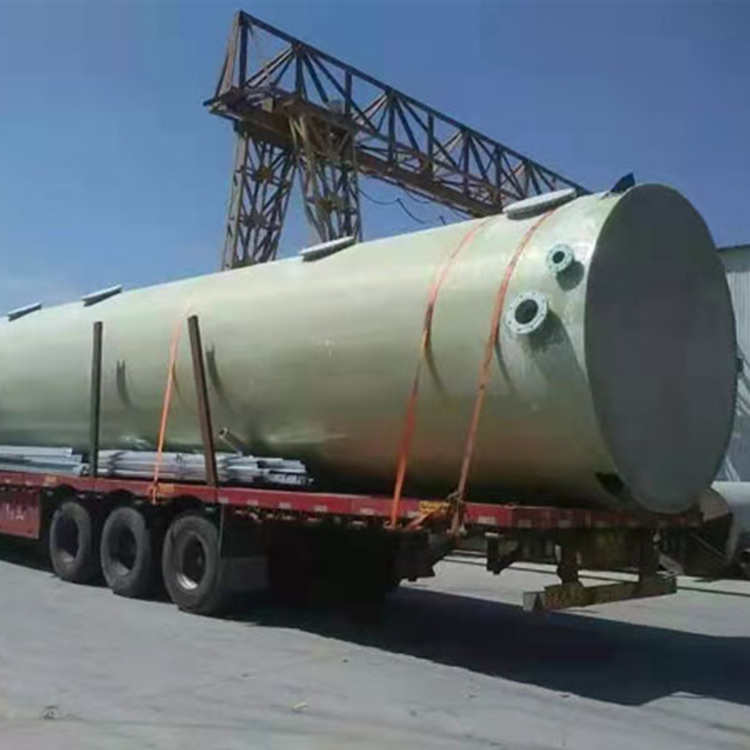

Phone Consultation