
 Glass Fiber Reinforced Plastic (GFRP) Vertical Storage Tank
 玻璃钢立式储罐厂家
 Glass-fiber Lateral Storage Tank
 Glass-Fused-to-Steel Horizontal Storage Tank
 玻璃钢储水罐厂家
 Glass-Fiber Reinforced Plastic Water Tanks Supply
Product Details

Manufacture, sell, and install environmental purification equipment, wrapped ...

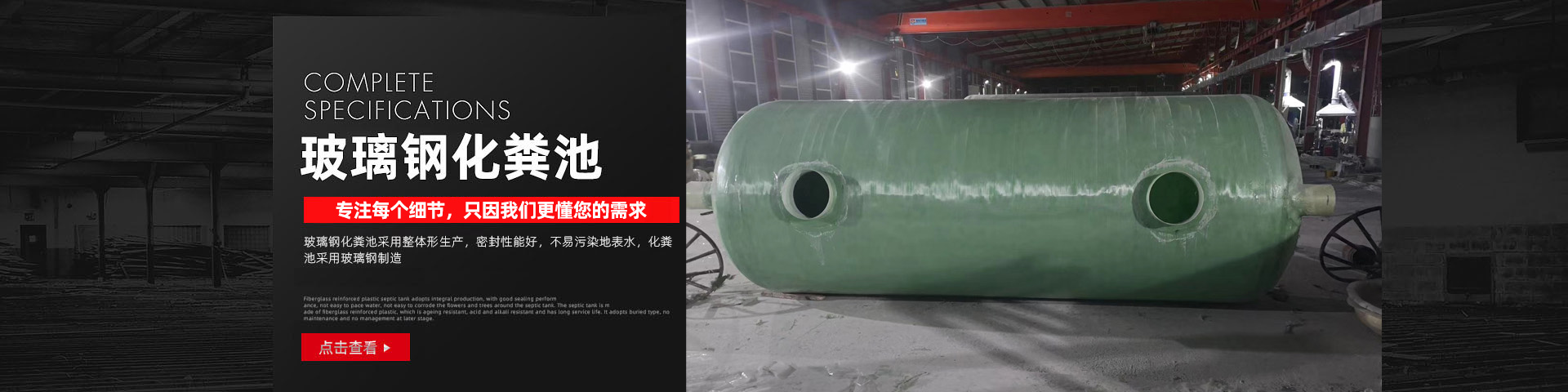



产品Price 23000.00/Tai
最小起订Quantity:1 Tai 供货总Quantity: 999 Tai


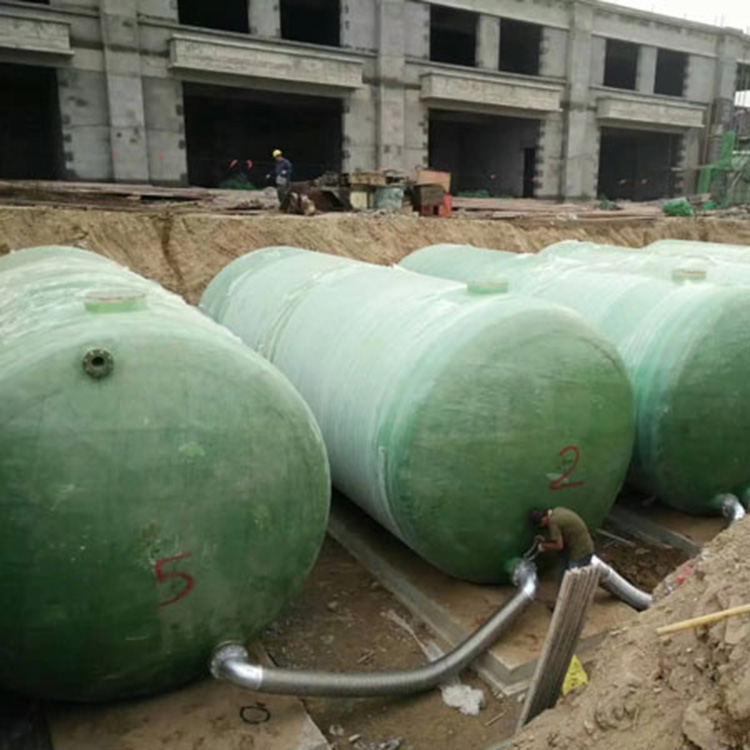
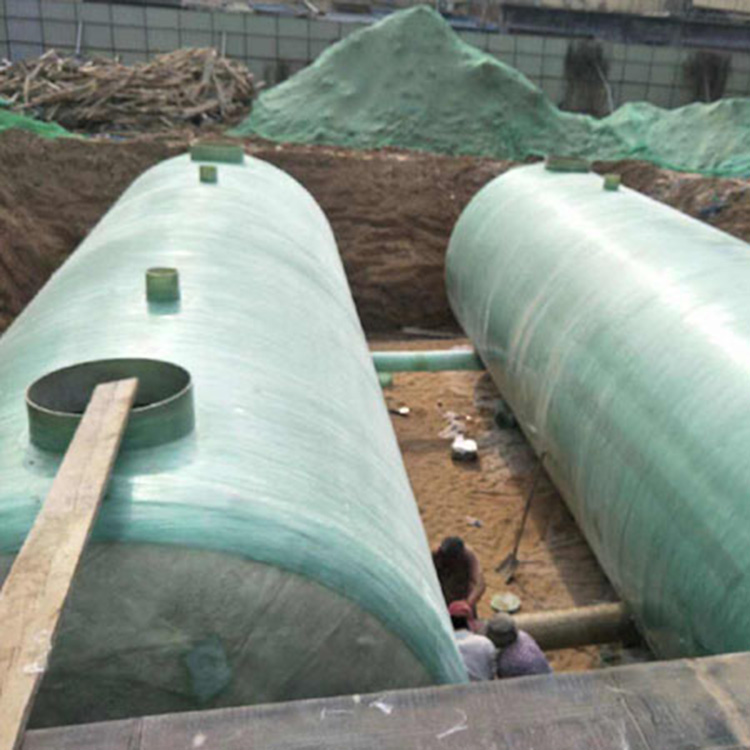
Fiberglass fire water tanks are water tanks made from fiberglass, a material consisting of reinforced plastic with glass fibers and fabrics. It is lightweight, rigid, non-conductive, highly mechanically strong, and resistant to corrosion. It can be used to manufacture machine parts and the shells of cars, ships, etc., in place of steel. Fiber-reinforced plastics generally refer to unsaturated polyester, epoxy, and phenolic resin matrices reinforced with glass fibers. Plastics reinforced with glass fibers or their products are called glass fiber-reinforced plastics, or simply fiberglass. Due to the different types of resins used, there are polyester fiberglass, epoxy fiberglass, and phenolic fiberglass. Fiberglass fire water tank features: Glass fiber reinforced plastic (FRP) fire water tanks are available in two types: assembled FRP tanks and SMC composite tanks. Known for their lightweight, corrosion-free, leak-proof nature, and high water quality, these tanks offer a wide range of applications, long service life, excellent insulation properties, and attractive appearance. They are easy to install, maintain, and clean, and are highly adaptable. They are extensively used in hotels, restaurants, schools, industrial and mining enterprises, institutions, residential complexes, and office buildings, making them an ideal product for public living, fire protection, and industrial water storage. Pools are an indispensable part of public water supply systems in industrial and mining enterprises and residential complexes. Currently, in China, concrete and steel plate tanks are primarily used, but issues like leakage and scaling in concrete tanks, and corrosion in steel plate tanks, significantly impact their usage. According to on-site inspections by the Beijing Environmental Protection Bureau, 85% of China's water pool supply systems currently fail to meet water quality standards due to algal and rust contamination. Since the 1980s, assembled FRP tanks have been widely adopted to address these issues. FRP tanks offer advantages such as no leakage, no deformation, no contamination, and long service life, are easy to assemble, and have an attractive appearance. They can be customized to different tonnages according to customer needs.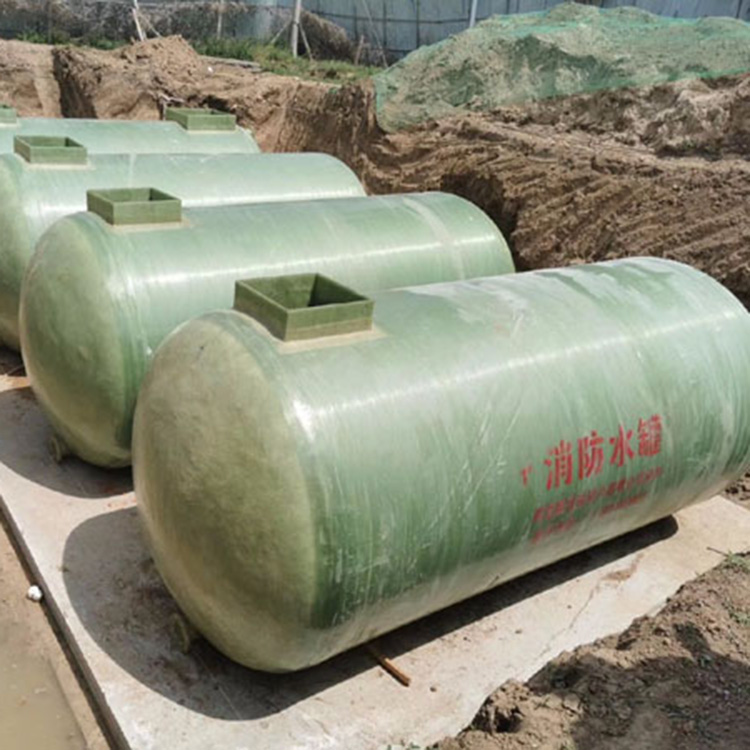

Phone Consultation