
 Glass Fiber Reinforced Plastic (GFRP) Vertical Storage Tank
 玻璃钢立式储罐厂家
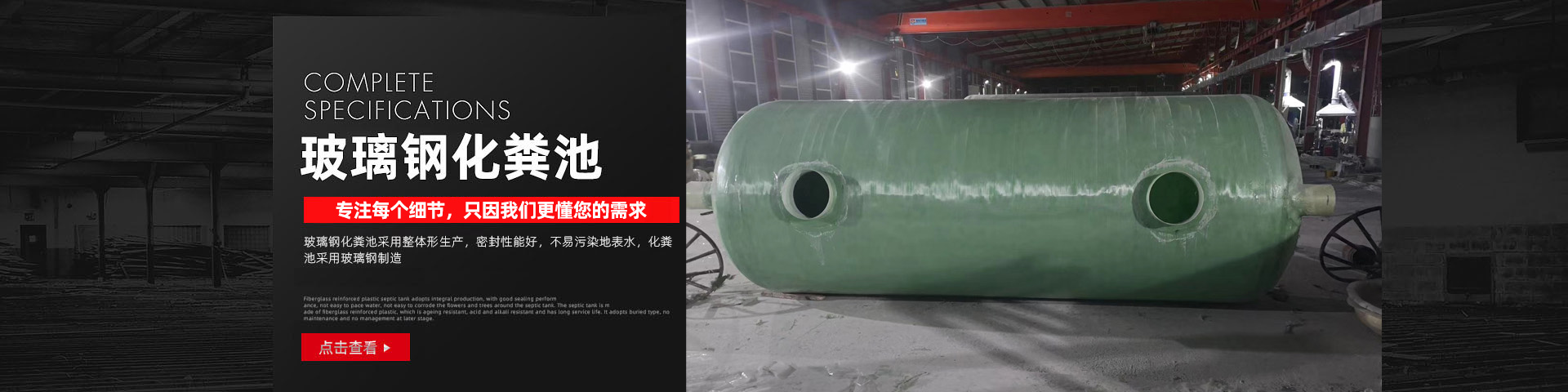
 Glass-fiber Lateral Storage Tank
 Glass-Fused-to-Steel Horizontal Storage Tank
 Fiberglass Water Tanks
 玻璃钢储水罐厂家
 Glass-Fiber Reinforced Plastic Water Tanks Supply
Product Details

Manufacture, sell, and install environmental purification equipment, wrapped ...




产品Price 576.00/m³
最小起订Quantity:1 m³ 供货总Quantity: 999 m³


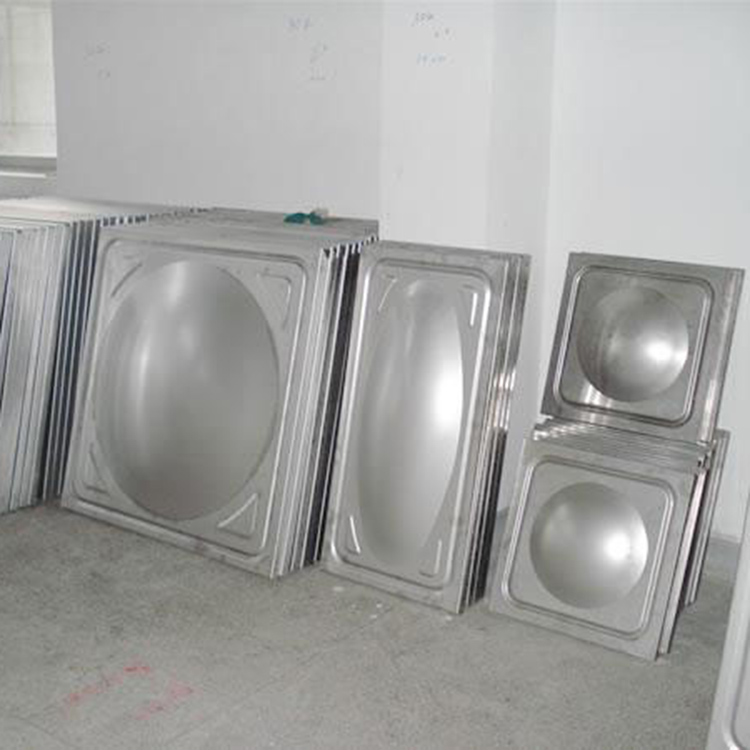
Stainless steel water tanks are the next generation of water tanks following glass fiber reinforced plastic tanks. They are meticulously molded from high-quality SUS304 stainless steel sheets, offering aesthetic appeal, cost-effectiveness, and durability. Compared to other tanks, stainless steel water tanks boast a number of advantages, including a beautiful appearance, lightweight, high strength, corrosion resistance, heat resistance, clean water quality, impermeability, seismic resistance, no algae growth, no secondary water pollution, easy installation, no need for maintenance, and ease of cleaning. Product Features 1. Stainless steel water tanks are typically made of SUS304 stainless steel sheets, which offer stable physical and chemical properties, ensuring no contamination of water quality and maintaining cleanliness and hygiene. 2. Stamped stainless steel water tanks, featuring high strength, light weight, neat appearance, and elegant aesthetics. 3. Water tank panels are generally made of 3042B sheet with over 8.0% nickel content, featuring a smooth, attractive surface and ease of cleaning. 4. Due to the dense oxide layer on the surface, it boasts excellent corrosion resistance and good sealing properties. 5. High impact resistance and strong seismic performance. Application Scope Industrial and civil building water supply, HVAC, and fire protection systems. Food, beverages, winemaking, water treatment industries Petroleum and chemical industry Flexible and reasonable container shape design accommodates various size combinations. Maintenance Steps Tips for Protecting Stainless Steel Water Tanks
Stainless steel water tanks are the latest trend in tank technology, offering advantages such as lightweight, corrosion resistance, high-temperature resistance, and strength. To ensure long-lasting use, proper care and protection of your water tank are essential. But how? Follow these steps: First, shut off the water inlet valve, then open the drain valve and empty the remaining water in the tank. Climb into the stainless steel tank using the ladder, and clean the dirty areas with a clean mop or rag. If the dirt is severe, you can also purchase a degreaser to clean it. Fill the tank with water, flush out the cleaned areas, and repeat this process several times. Finally, close the drain, open the gate, and refill the tank. This will effectively protect the stainless steel tank.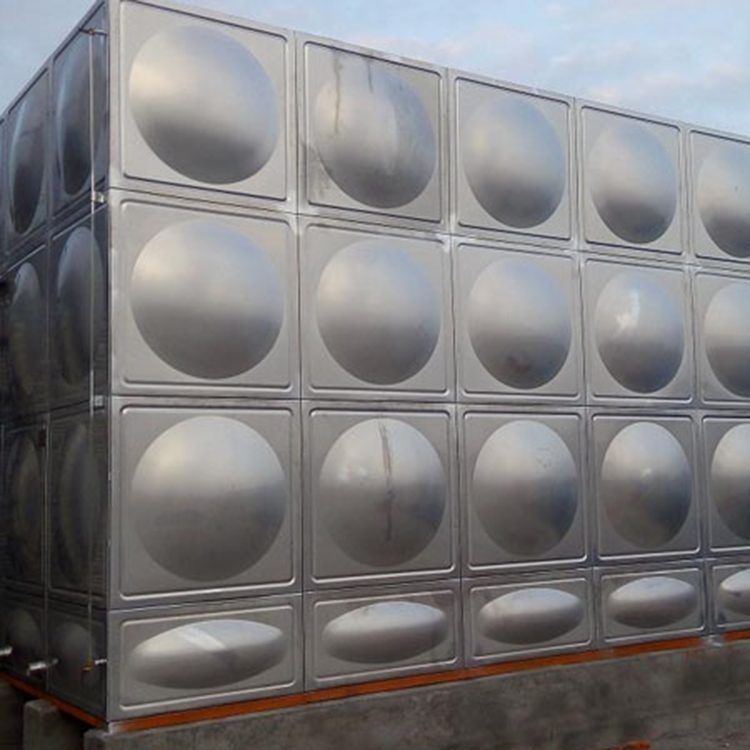


Phone Consultation