

Product Details

Manufacturing and selling papermaking machinery and accessories, agricultural machinery and accessories, environmental protection machinery and accessories, mining machinery and accessories, construction machinery and accessories; import and export of goods.


价 格Negotiable
最小起订0 Piece库存0 Piece
 Business Card
Negotiable
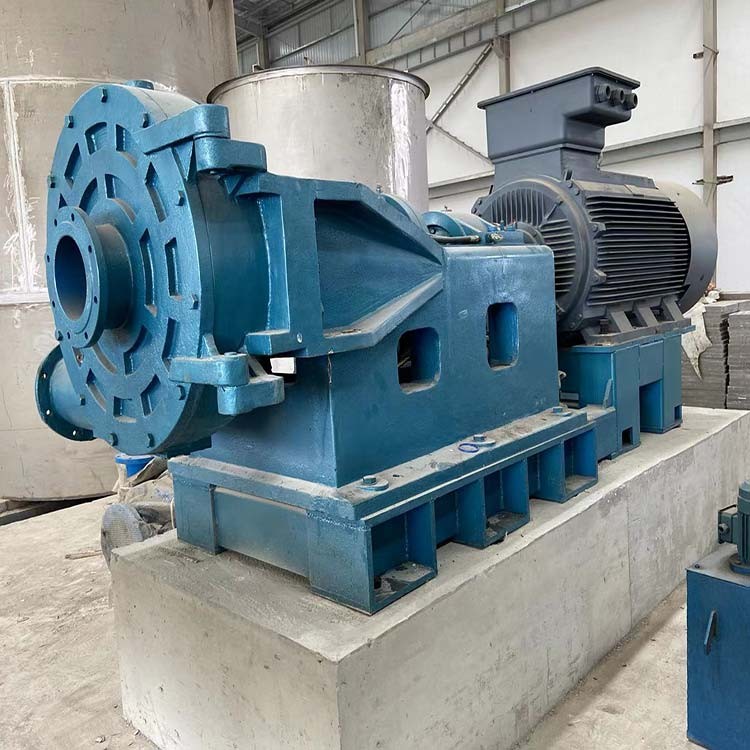
Negotiable
Negotiable

Negotiable
Pulping Equipment, Carding Machin
Negotiable
 Papermaking Equipment, Belt Filte
Negotiable
Environmental Protection Equipmen
Negotiable
Papermaking Equipment, Belt Filte
Negotiable
Environmental Protection Equipmen
Negotiable
 Pulp Making Equipment for Waste P
Negotiable
Pulp Making Equipment for Waste P
Negotiable
 Pulp Equipment, Slurry Pumps, Wat
Negotiable
Pulp Equipment, Slurry Pumps, Wat
Negotiable
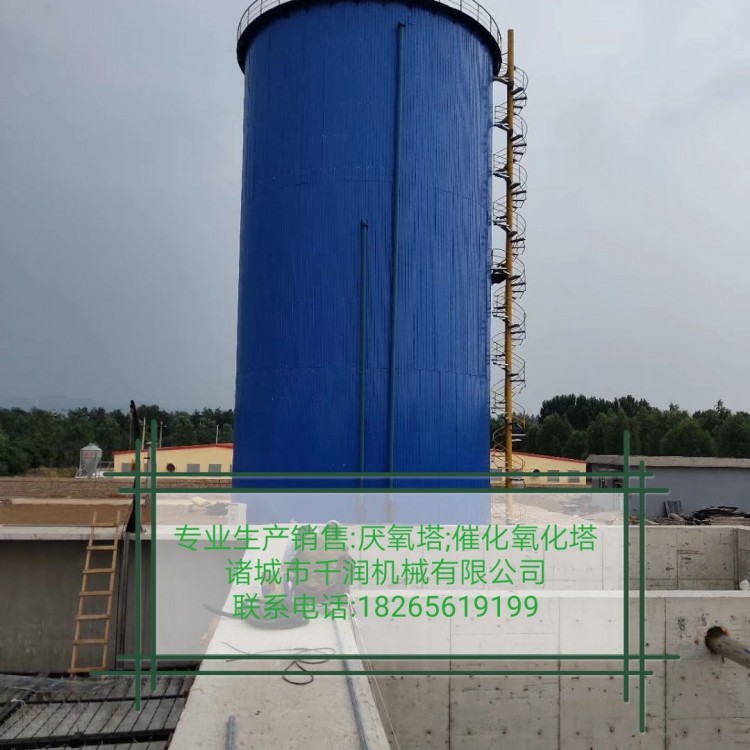 Manufacturer wholesale & retail a
¥50000.00/Piece
Manufacturer wholesale & retail a
¥50000.00/Piece
 Pulp and Paper Machinery, Piece,
Negotiable
Pulp and Paper Machinery, Piece,
Negotiable
 Papermaking Equipment, Pulper, St
Negotiable
Pulp and Paper Machinery & Access
Negotiable
Pulp and Paper Equipment, High Co
Negotiable
Papermaking Equipment, Pulper, St
Negotiable
Pulp and Paper Machinery & Access
Negotiable
Pulp and Paper Equipment, High Co
Negotiable
TableComparison of IC Reactor and UASB Reactor Treatment Results for the Same Wastewater [1]
Benchmark Metrics | Reactor Type | |||
IC | UASB | |||
Beer wastewater | Processed potato wastewater | Beer wastewater | Processed potato wastewater | |
Reactor Volumem3) | 6×162 | 100 | 1400 | 2×1700 |
Reactor Heightm) | 20 | 15 | 6.4 | 5.5 |
Hydraulic Retention Timeh) | 2.1 | 4.0 | 6 | 30 |
Volume Loadkg/(m3·d) | 24 | 48 | 6.8 | 10 |
LeakageCOD(mg/L) | 2000 | 6000~8000 | 1700 | 12000 |
ηCOD(%) | 80 | 85 | 80 | 95 |
UASBAnaerobic Reactor
Upflow Anaerobic Sludge Bed ReactorAn anaerobic biological method for treating wastewater, also known as an upflow anaerobic sludge bed (UASB).
Wastewater flows from bottom to topUASBThe reactor bottom features a high concentration, high-activity sludge bed, where most of the organic pollutants in the wastewater undergo anaerobic fermentation and degrade into methane and carbon dioxide.
Due to the disturbance caused by water flow and bubble movement, there is a suspended sludge layer above the sludge bed.
The reactor upper section is equipped with a three-phase separator for separating digester gas, digester liquid, and sludge particles. The digester gas is discharged from the top of the reactor; the sludge particles automatically slide down and settle at the sludge bed at the bottom of the reactor; and the digester liquid exits from the clarification zone.
UASB High load capacity, suitable for treating high-concentration organic wastewater. OperationUASBHigh organic pollutant removal efficiency, no need for stirring, capable of adapting to significant load surges and temperature fluctuations.pHChange.
Working Principle
UASBThe anaerobic reaction process in the reactor, like other anaerobic biological treatment processes, includes hydrolysis, acidification, acetic acid production, and methane production. The substrates are converted into products through the involvement of different microorganisms in the substrate conversion process.——Biogas, water, etc., inorganic substances
Anoxic microbial species involved in the anaerobic digestion reaction process mainly include the following:①Hydrolyzed—Fermentation(Oxidation)Bacteria, which hydrolyze and ferment complex substrates into various organic acids, ethanol, sugars, hydrogen, and carbon dioxide.②Acetogenic bacteria convert the fermentation products into hydrogen, acetic acid, and carbon dioxide through a single-step hydrolysis.③Methanogens, which convert simple substrates such as acetic acid, methanol, carbon dioxide, and hydrogen into methane.。
UASBSludge reaction zone, gas-liquid-solid three-phase separator(Including sedimentation area)The system consists of three sections. A large amount of anaerobic sludge remains in the bottom reaction zone, forming a sludge layer with sedimentation and aggregation properties. The wastewater to be treated flows in from the bottom of the anaerobic sludge bed, mixing with the sludge in the layer. Microorganisms in the sludge decompose the organic matter in the wastewater, converting it into biogas. The biogas is released in the form of tiny bubbles, which merge as they rise, gradually forming larger bubbles. Due to the stirring action of the biogas, a thin sludge concentration rises along with water into the three-phase separator. When the biogas encounters the reflective plate at the bottom of the separator, it bends around the plate and then passes through the water layer into the gas chamber, where it collects. The biogas is then led out through a conduit. The solid-liquid mixture reflects into the sedimentation zone of the three-phase separator, where the sludge in the wastewater aggregates, particles increase in size, and settle under gravity. The settled sludge along the slanted wall slides back into the anaerobic reaction zone, accumulating a large amount of sludge there. The treated effluent, separated from the sludge, overflows from the top of the sedimentation zone weir and is then discharged from the sludge bed.

Phone Consultation