


- AllProduct Category
-
Engineering Case Studies
Fiberglass Reinforced Plastic (FRP) Corrosion Protection
Boiler Coating
Corrosion Prevention Services




详情描述
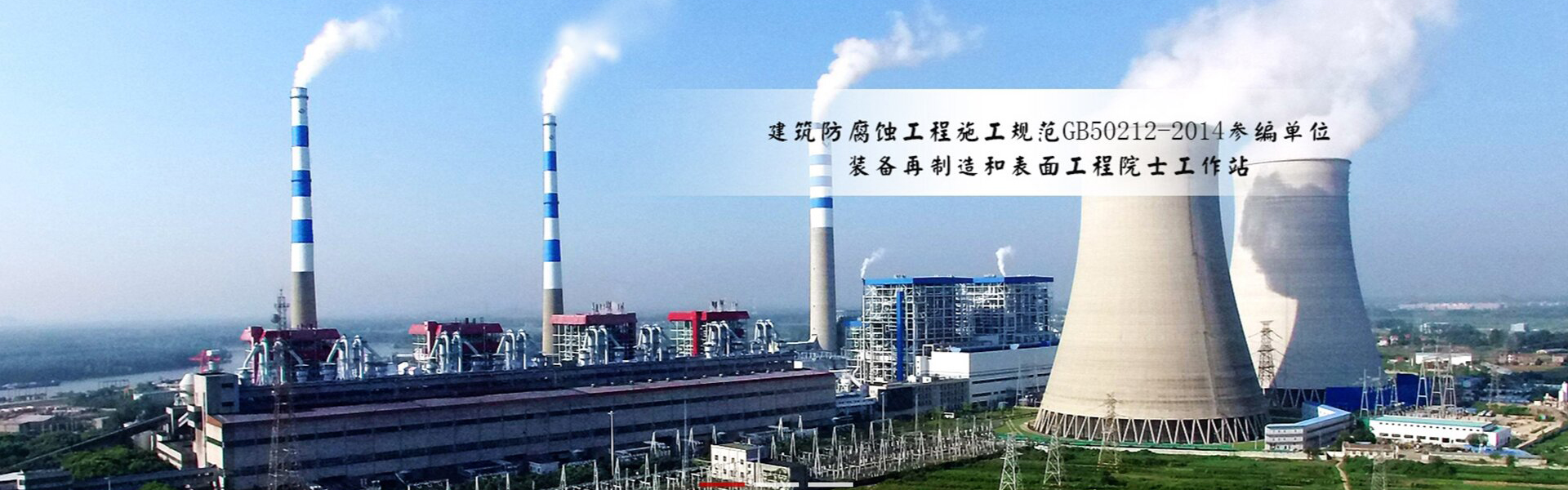
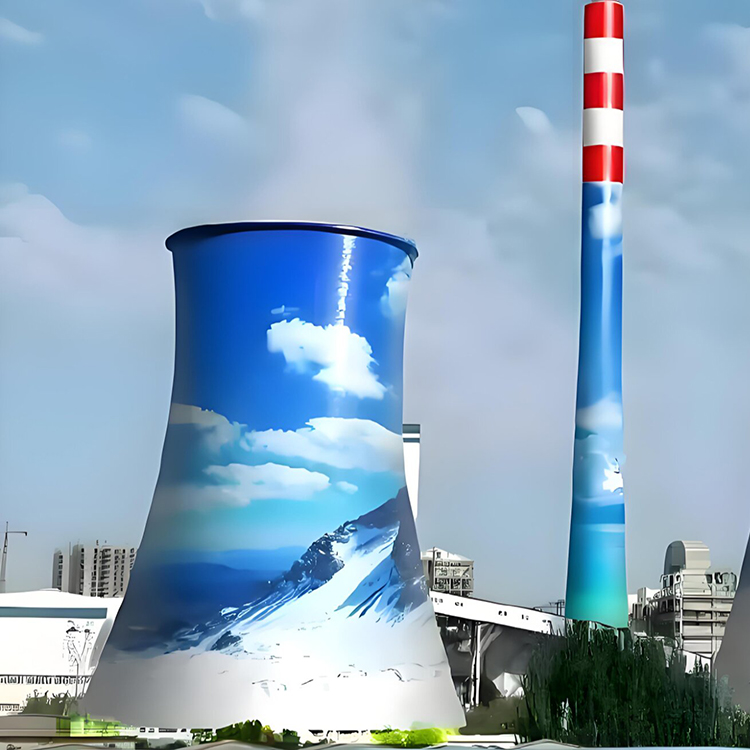
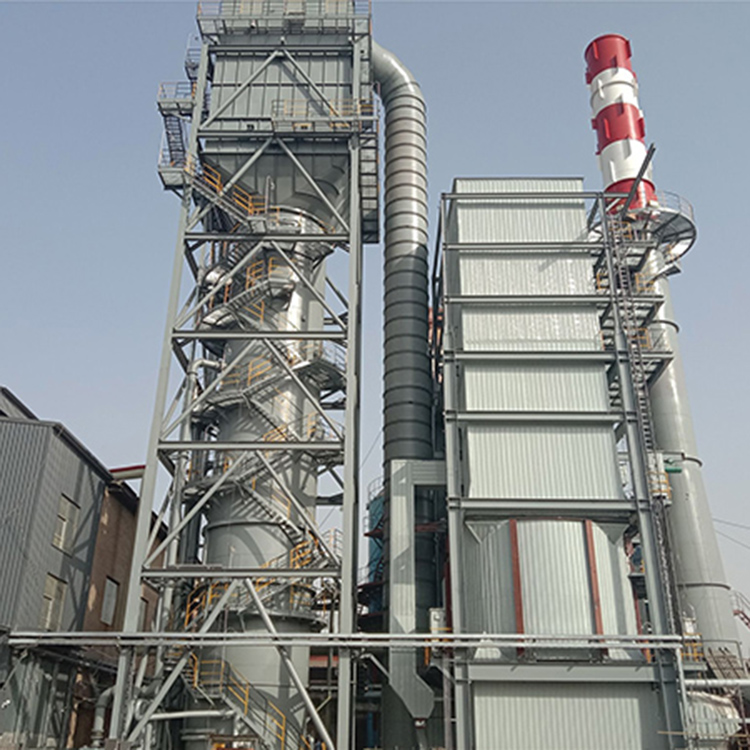
The corrosion mechanisms of power plant chimneys and hyperbolic cooling towers vary due to differing environments and media, and the corresponding anticorrosion measures also have different emphases.
I. Corrosion Mechanism
Power Plant Chimney
Internal flue gas corrosion
Primarily derived from acidic components in the flue gas (e.g., SO2, SO3, HCl), when the flue gas temperature falls below the acid dew point, acidic gases condense to form solutions like sulfuric acid, causing chemical corrosion to the metal or concrete inner wall of the chimney. Simultaneously, the particle erosion in the flue gas exacerbates mechanical wear, resulting in a synergistic effect of "corrosion + wear."
External environmental corrosion
Outdoor chimneys exposed to the atmosphere for a long time are affected by rainwater, humidity, industrial dust (including salt and sulfides), causing carbonization of the concrete surface and corrosion of the steel bars, especially more severe in coastal or industrial areas.
2. Hyperbolic Cooling Tower
Recirculating Water Corrosion
The circulating water in the cooling tower, containing salts (such as Cl-, SO42-), microorganisms, and dissolved oxygen, evaporates and splashes onto the concrete surface of the tower, seeping in to cause steel corrosion (Cl- can destroy the passive film) and, at the same time, the metabolic products of microorganisms (such as organic acids) accelerate the deterioration of the concrete.
Atmospheric Corrosion
The tower exterior is affected by rainwater, humidity, and ultraviolet radiation, leading to concrete surface weathering and cracking, which further intensifies internal渗透 corrosion. In cold regions, concrete spalling may also occur due to freeze-thaw cycles.
II. Corrosion Prevention Measures
Power plant chimney anticorrosion
Internal Corrosion Protection
Medium and low temperature areas (flue gas temperature ≤ 180℃): KDNT glass flake mortar, vinyl ester resin coating (thickness 2-3mm), or acid-resistant brick lining (combined with acid-resistant mortar masonry).
High-temperature areas (flue gas temperature > 180°C): Use acid-resistant steel (such as ND steel), nickel-based alloy plates, or apply high-temperature corrosion-resistant coatings (such as ceramic coatings).
Optimized Structure: The inner wall of the chimney is designed with drainage slopes to prevent liquid accumulation, and a rainproof cap is installed at the top to reduce water seepage.
External Corrosion Protection
Apply weather-resistant coatings (such as fluorocarbon paint, polyurea) to concrete surfaces to enhance water resistance and UV resistance.
Regularly repair cracks, seal capillaries with an infiltrative waterproofing agent to prevent moisture and corrosive substances from penetrating.
2. Hyperbolic Cooling Tower Corrosion Protection
Tower internal corrosion prevention
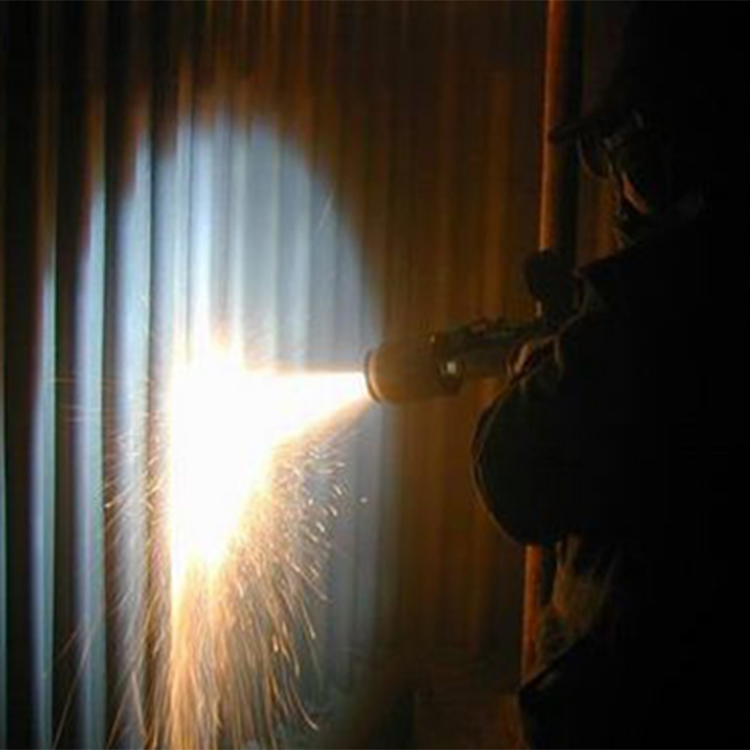
Concrete Surface Treatment: After sandblasting or high-pressure water cleaning, apply an infiltrative primer (such as epoxy primer), followed by alkali and salt-resistant topcoat (such as polyurethane elastomer, modified epoxy resin), total thickness ≥ 1.5mm.
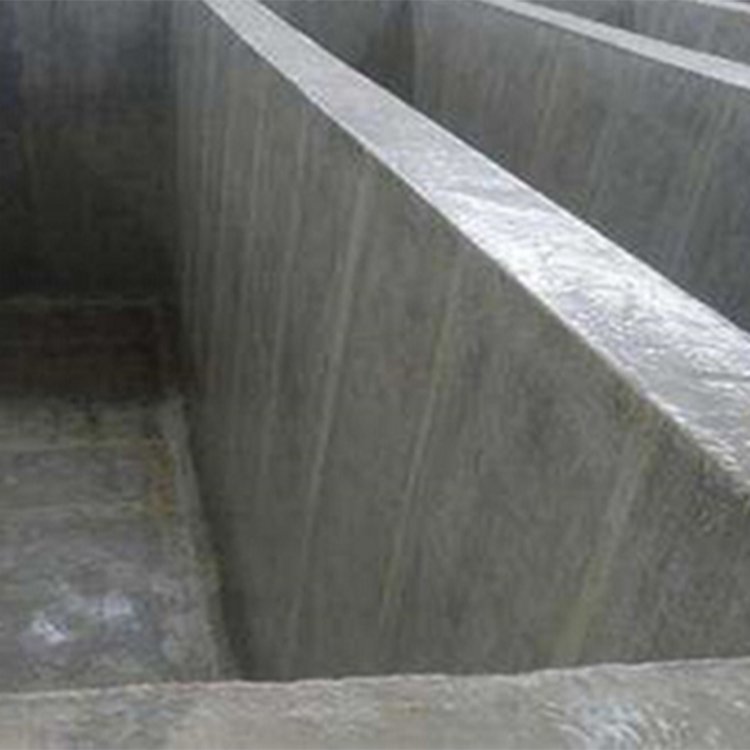
Key Areas Reinforcement: The sprinkling filling area and the inner wall of the sedimentation pond are lined with glass fiber reinforced plastic (FRP) or PVC sheeting, with flexible sealing treatment at the joints.
Tower external anti-corrosion
Apply weather-resistant anti-corrosion coatings that offer UV resistance, impermeability, and decorative finishes; users can add color painting as needed.
Repair cracks and honeycomb surfaces using KDNT polymer mortar to enhance the compactness of concrete.
III. Common Construction Points
1. Surface Preparation: A thorough cleaning is required (rust removal, dirt removal, defect repair), the concrete base must be dry (moisture content ≤8%), flat, and the metal base must be rust-removed to Sa2.5 grade.
2. Material Compatibility: Select anti-corrosion materials (such as avoiding heat-resistant resin materials in high-temperature areas) based on temperature and medium characteristics.
3. Quality Inspection: Ensures construction quality through visual inspection, thickness measurement, electrical spark leak detection (for coatings), and hydrostatic testing (for linings).
4. Regular Maintenance: Conduct regular inspections after operation, promptly repair any damaged areas, and extend the anticorrosion lifespan.
Through targeted anti-corrosion design and standardized construction, corrosion of chimneys and cooling towers can be effectively prevented, ensuring the long-term stable operation of the equipment.
询价单


